


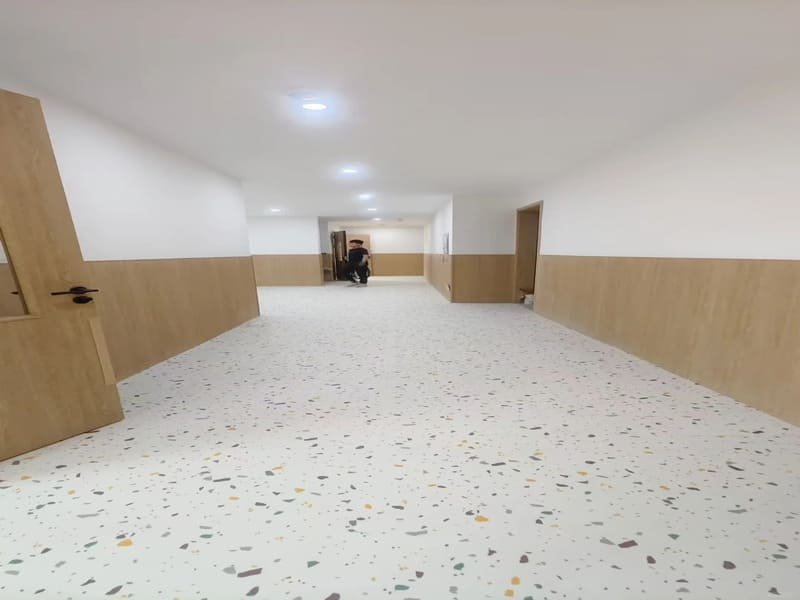
Most commercial vinyl floors need daily sweeping, daily damp mopping in high-traffic zones, weekly machine scrubbing, and an annual strip-and-recoat. The exact schedule depends on foot traffic, industry, and vinyl type.
I have spent years inspecting vinyl sheet flooring on the production floor, checking wear layers, seam quality, and surface finish before products ship out. One thing I see again and again: a floor does not fail because the material is weak. It fails because nobody set a real cleaning schedule for it. Commercial vinyl flooring is built to handle heavy use, but grit, spills, and the wrong chemicals wear down the protective layer fast. Cleaning frequency is not one-size-fits-all. A hospital corridor, a gym floor, and a quiet back office all need different care. In this guide, I will walk you through the exact factors that shape your cleaning schedule, give you a practical timetable, and share the mistakes I see most often on the shop floor and in the field.
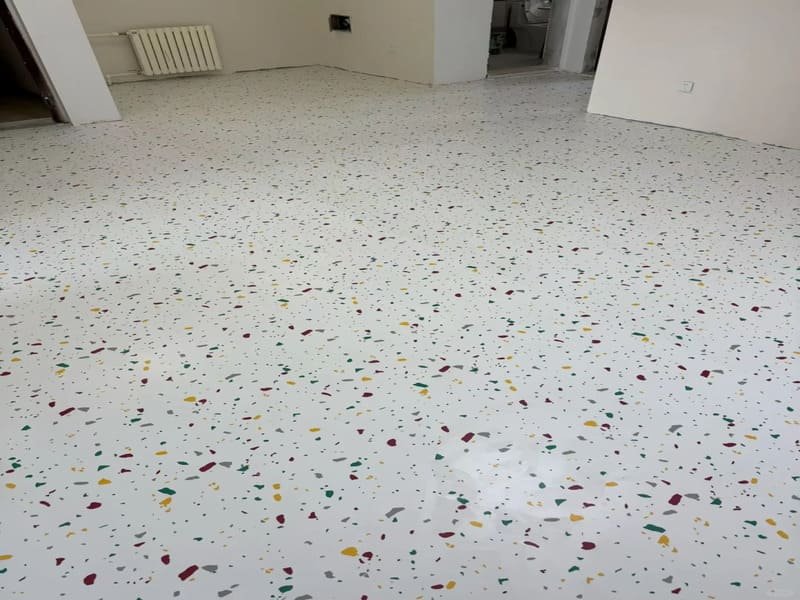
Once you know what drives your cleaning needs, the schedule itself becomes simple to follow. Let’s break down the factors first.
What Factors Determine How Often You Should Clean Your Vinyl Floors?
Cleaning frequency depends on three things: foot traffic volume, the industry or environment, and outdoor weather conditions. High-traffic and high-hygiene spaces need daily attention.
Foot traffic is the biggest driver. A retail aisle or a gym floor sees hundreds of steps a day, so grit builds up fast and scratches the wear layer if it is not removed. A private office or storage room can go longer between cleanings. Industry also matters a lot. Healthcare facilities need strict hygiene routines because of infection control. Sports facilities need constant sweat and chalk removal, since residue buildup reduces slip resistance and many sports vinyl products are tested against standards like ASTM F2772 for that exact reason. Industrial spaces deal with heavier soils like oil and dust. Weather adds another layer. Rain, snow, and salt tracked in during winter months mean entrances need extra cleaning passes, or grit gets ground into the surface and dulls the finish over time.
Now that you know what shapes your schedule, here is the actual timetable I recommend based on these factors.
What Is the Right Cleaning Schedule for Commercial Vinyl Flooring?
Daily sweeping and damp mopping handle everyday dirt. Weekly scrubbing removes deeper grime. Monthly buffing restores shine. Annual strip and recoat renews the wear layer.
Here is the schedule I recommend, broken down by frequency and purpose:
| Frequency | Cleaning Action | Best For | Key Focus Area |
|---|---|---|---|
| Daily | Dry sweeping, dust mopping, or vacuuming | All commercial environments | Removing abrasive dirt, grit, and loose debris that scratch the wear layer |
| Daily (High Traffic) | Damp mopping with a neutral pH cleaner | Gyms, lobbies, hospitals, restaurants | Spill cleanup, removing sticky residues, maintaining sanitary conditions |
| Weekly | Machine scrubbing or heavy damp mopping | Retail spaces, schools, offices | Deep dirt removal, restoring uniform look, eliminating scuff marks |
| Monthly/Quarterly | Spray buffing or burnishing | Spaces needing a high-gloss finish | Restoring shine, smoothing micro-scratches on the protective coating |
| Annually | Strip and recoat | High-wear commercial facilities | Fully renewing the sacrificial wear layer that protects the printed design |
The wear layer is a sacrificial coating by design. It takes the damage so the printed design underneath stays intact. Skipping the annual recoat means that layer wears through faster than it should.
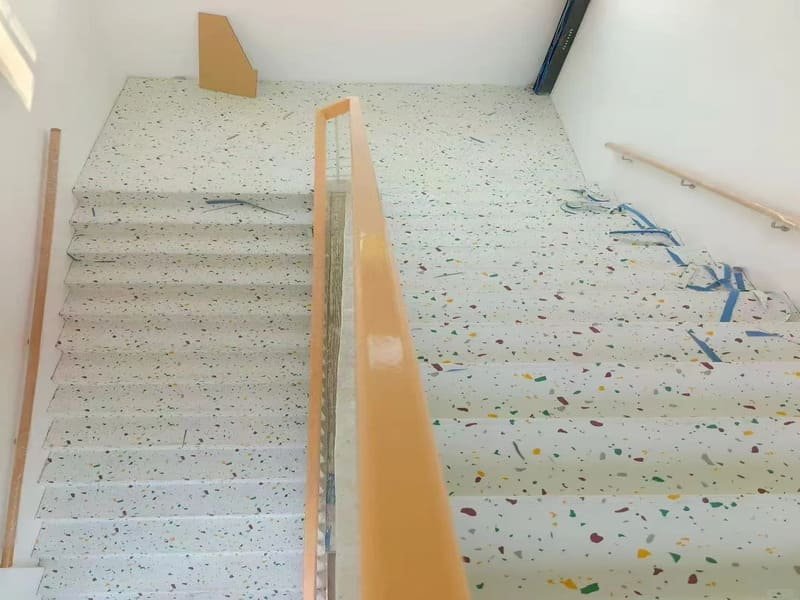
A schedule only works if the cleaning itself is done correctly. Let’s go through the right technique step by step.
What Are the Best Practices for Cleaning Commercial Vinyl Floors?
Remove loose dirt first, use neutral pH cleaners only, follow the two-bucket mopping system, and choose the correct scrubbing pads to protect the surface.
Preparation comes first. Loose dirt mixed with water acts like sandpaper across the floor, so always sweep or vacuum before you mop. Chemical choice matters just as much. Neutral pH cleaners are the only safe option for vinyl. Highly acidic or highly alkaline solutions break down the finish and can dull or discolor the surface over time. When mopping by hand, I recommend the two-bucket system: one bucket holds clean solution, the other holds rinse water for the mop head. This stops you from spreading dirty water back across the floor you just cleaned. For machine scrubbing, pad choice is critical. Red or white pads are gentle enough for PVC surfaces, while more aggressive pads can gouge the finish and leave permanent marks.
Even with the right technique, certain problems come up often. Here is how I handle them.
How Do You Solve Common Vinyl Floor Cleaning Problems?
Black scuffs need gentle, targeted removers. Residue buildup reduces slip resistance. Felt pads under furniture prevent permanent indentations.
Black shoe scuffs are one of the most common complaints I hear. A tennis ball rubbed over the mark, or a specialized scuff remover, usually clears it without damaging the floor. Do not reach for an abrasive scrubber on a scuff mark. Slip resistance is a bigger safety concern than most people realize. When the wrong chemicals are used, they leave a film on the surface, and that residue buildup lowers traction. This is especially serious on sports floors and gym mats, where a slippery surface is a real injury risk. Indentations are another common issue. Heavy furniture left directly on vinyl for long periods can leave permanent divots in the wear layer. Felt pads under table and chair legs distribute the weight and prevent this kind of damage before it happens.
Knowing what to avoid is just as important as knowing what to do. Here is my do-not-use list.
What Should You Never Use on Commercial Vinyl Floors?
Avoid abrasive scrubbers, solvent-based cleaners, ammonia, excessive water, and steam cleaners. Each of these damages the vinyl or its seams.
Steel wool and stiff brushes scratch the wear layer and leave it looking dull. Solvent-based cleaners and ammonia can actually soften or discolor PVC, since vinyl is a plastic material sensitive to certain chemical compounds. Excessive water is another quiet killer. Flooding the floor during cleaning can seep into the seams and cause the adhesive underneath to fail over time, which leads to lifting edges. Steam cleaners are a common mistake I see in commercial settings. The high heat can warp commercial vinyl and break down the adhesive bond beneath it, causing long-term damage that is expensive to fix. Sticking to neutral pH cleaners and standard mopping equipment keeps the floor performing the way it was engineered to.
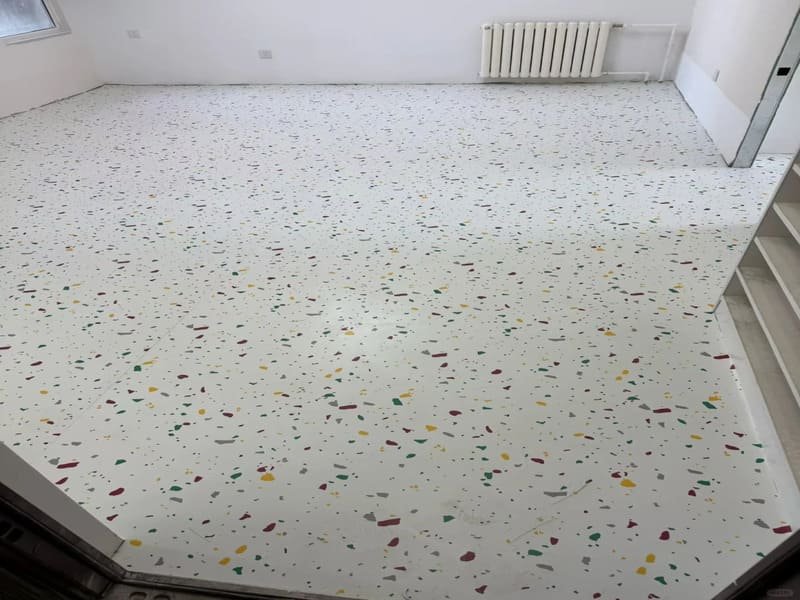
With the right schedule and the right technique, your vinyl floor should perform well for years. Let’s wrap up with the key takeaway.
Conclusion
A consistent, traffic-based cleaning schedule protects your vinyl floor’s wear layer and keeps it safe and looking new.
Frequently Asked Questions
Can I use bleach on commercial vinyl floors?
No. Bleach is too harsh for the wear layer and can cause discoloration over time. Stick to a neutral pH cleaner made for vinyl surfaces.
Does sports vinyl require a different cleaning chemical than standard commercial LVT?
Sports vinyl needs cleaners that remove sweat and chalk residue without leaving a film, since any residue buildup directly reduces the slip resistance the flooring is engineered to provide.
How long does commercial vinyl flooring last with proper maintenance?
With a consistent cleaning schedule and periodic strip-and-recoat service, commercial vinyl flooring commonly performs well for 10 to 20 years, depending on traffic level and installation quality.
About the Author
I work as a quality control specialist in vinyl sheet flooring manufacturing, with hands-on experience inspecting wear layers, seam integrity, and surface finishes across custom and bulk production runs. My daily work involves testing material performance and helping clients optimize flooring specifications for their specific application, from healthcare facilities to sports venues.
Have a project that needs custom or bulk vinyl sheet flooring? Send me a message and let’s talk through the right specification for your space.