


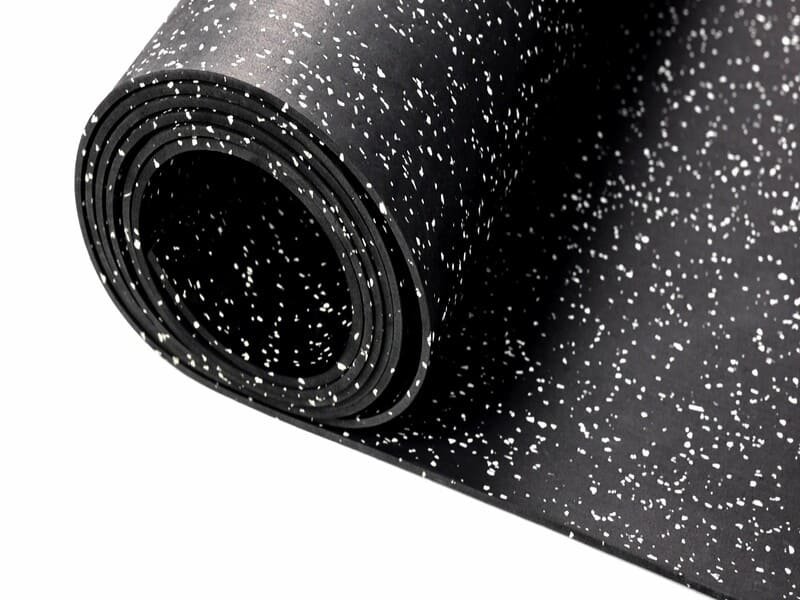
Rubber flooring feels soft usually because of subfloor issues like trapped moisture, uneven surfaces, or adhesive failure. While rubber has natural bounce, a "squishy" feel indicates a lack of structural support or low-density material. You fix it by leveling the subfloor, using vapor barriers, or re-applying polyurethane adhesive.
As a Quality Control Manager, I see this "spongy" problem often in field inspections. We design rubber flooring to be resilient—meaning it absorbs impact and returns to its original shape—but it should never feel unstable. When a floor feels like a sponge, it is failing to distribute weight correctly. This is a critical safety issue for gyms or industrial spaces where heavy equipment is used. We use the Shore A hardness scale to measure this. For example, a standard gym floor should typically test between 60 to 70 Shore A. If your floor feels significantly softer than a car tire, you are likely dealing with a structural gap between the rubber and the subfloor rather than a defect in the rubber itself. Understanding the difference between material flexibility and structural failure is the first step in protecting your investment and ensuring a safe workout or work environment.
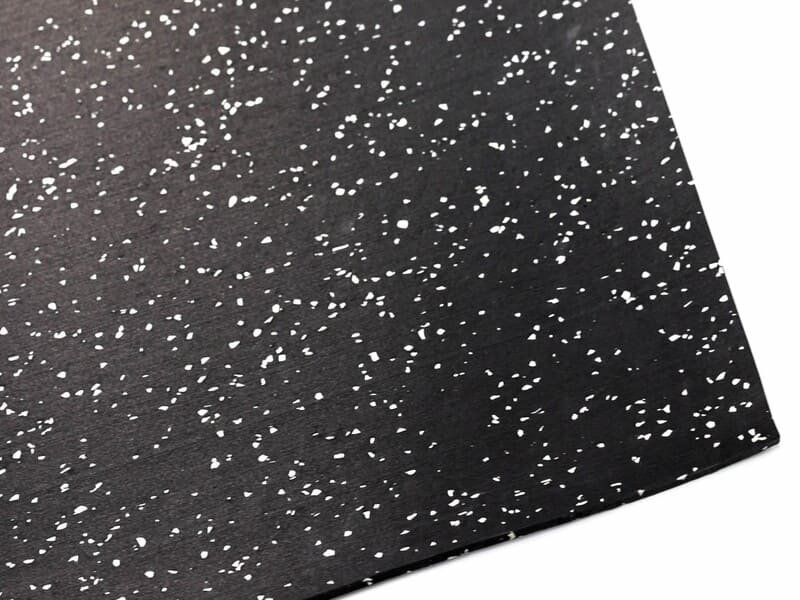
You must identify the source of the softness before buying replacement parts. Let’s look at how to tell if your floor is actually broken or just doing its job.
Is the Softness Normal or a Structural Problem?
Normal softness is the consistent, firm "give" of high-density rubber that protects joints during impact. Problematic softness is localized, uneven, or accompanied by sinking, bubbling, or hollow sounds. If the floor does not immediately spring back after you step off, the internal polymer structure or the subfloor has failed.
| Cecha | Normal Resilience | Structural Failure (Problem) |
|---|---|---|
| Uczucie | Firm, uniform support | Spongy, "hollow," or sinking |
| Visuals | Flat, seamless surface | Waves, bubbles, or visible gaps |
| Dźwięk | Muffled, solid thud | Clicking or "squishing" sounds |
| Odzyskiwanie | Instant rebound | Permanent indentation or slow lag |
In my years managing production lines, I have learned that "softness" is subjective until you apply engineering standards. We distinguish between "impact insulation" and "static load support." A playground tile is meant to be soft to save a falling child, often using a dual-layer system with a soft base. However, a weightlifting mat must be dense. If you use a 4mm mat under a 300lb squat rack, the rubber will compress to its limit, making it feel "mushy." I once visited a facility where the users complained of "soft spots." We found that they had installed high-quality mats over a thick carpet. This is a classic mistake. No matter how good the rubber is, the base determines the final feel. If your floor sinks more than a few millimeters under your heel, it is a sign that the subfloor is soft or the material density is too low for the specific application.
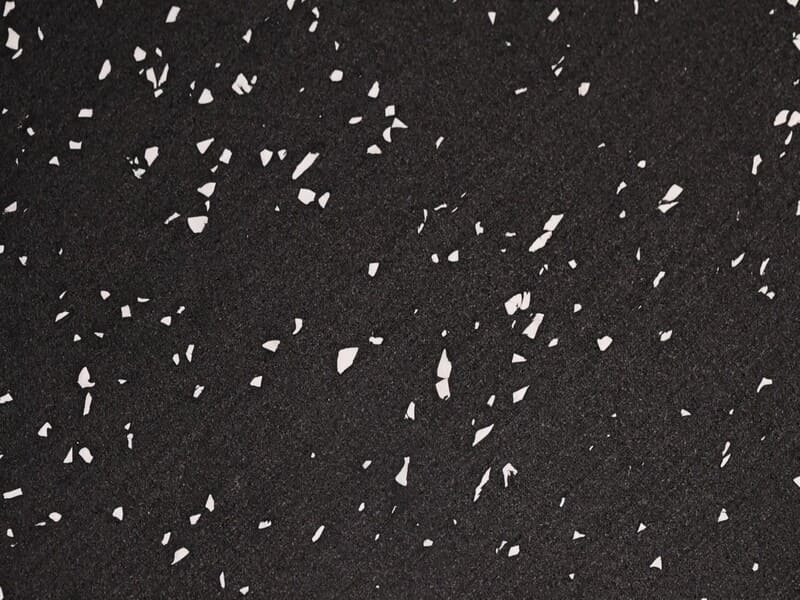
If your floor feels like it is "floating" or moving under your feet, the cause is usually hidden underneath the surface.
Why Is Your Rubber Floor Soft?
The most common causes are moisture trapped under the rubber, uneven subfloors, and low-density recycled material. Moisture causes wood subfloors to rot or adhesives to emulsify, creating a "cushion" of air or liquid. Using thin 4mm mats for heavy loads also causes the rubber to bottom out, feeling soft and unstable.
From a manufacturing perspective, the "Why" usually starts with the subfloor. Rubber is non-porous. This means if water gets under it, the water has nowhere to go. I have seen concrete "sweat" in humid garages, which turns the floor adhesive into a slippery, soft sludge. This makes the tiles slide and feel "mushy" when you walk on them. Another major factor is the "density vs. thickness" ratio. Many buyers try to save money by purchasing low-density recycled rolls. These rolls have more air pockets between the rubber granules. Over time, heavy traffic crushes these air pockets, leading to permanent softening. We also see "dry-laying" issues. In high-traffic areas, if you do not use a full-spread polyurethane glue, the rubber will expand and contract with temperature changes. This creates tiny "micro-waves" in the material that feel soft when stepped on. Heat is another enemy; if your facility gets too hot, the binders in the rubber can soften, reducing the floor’s overall shore hardness.
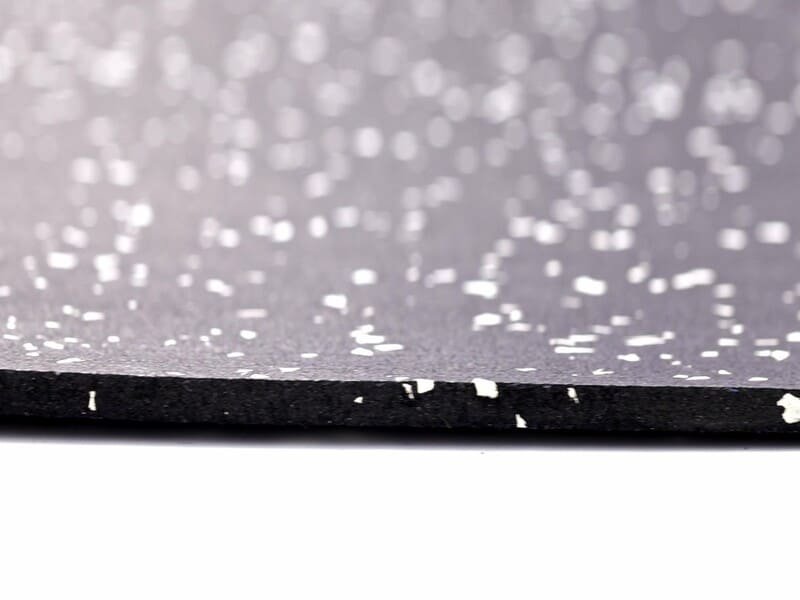
Once you know why the floor is failing, you can follow a clear path to fix it without replacing the entire area.
How to Fix Soft Rubber Flooring Step-by-Step?
To fix soft rubber flooring, first lift the affected area to inspect for moisture or subfloor damage. Level any concrete divots with a self-leveling compound and replace warped wood. Finally, clean the surface and re-apply a high-quality polyurethane adhesive, using a 100lb floor roller to ensure a solid, flat bond.
| Krok | Działanie | Key Tool/Material |
|---|---|---|
| 1. Inspection | Peel back tiles to check for mold or rot | Utility Knife / Moisture Meter |
| 2. Subfloor Prep | Fill gaps or sand down high spots | Self-leveling compound |
| 3. Priming | Seal the subfloor against future moisture | Vapor barrier / Primer |
| 4. Bonding | Re-glue using a full-spread method | Klej poliuretanowy |
| 5. Rolling | Remove air pockets for maximum density | 100lb Floor Roller |
In my practice, the fix always starts with the foundation. If I find that a subfloor is uneven by more than 3mm over a 10-foot radius, I know that is the source of the "soft" feel. You cannot bridge a gap with rubber; it will eventually sag into the hole. When I advise clients on repairs, I insist on using polyurethane adhesives instead of water-based ones. Water-based glues are easier to clean, but they fail the moment they get damp. For a permanent fix, you must scrape off the old, failed glue. It is a messy job, but it is necessary for a fresh bond. If the softness is caused by thin material, you don’t always have to rip it all up. Sometimes, we "patch" heavy-load areas by cutting out the soft section and inserting a higher-density inlay. This is a cost-effective way to fix gym floors where only the "drop zones" feel soft. Always remember to use a heavy roller after gluing; it is the only way to guarantee there is no air trapped between the rubber and the floor.
Fixing a floor is good, but preventing the issue during the initial installation is much more efficient for your budget.
How to Avoid Softness in the Future?
Prevent softness by installing a 6-mil plastic vapor barrier over concrete and choosing a material density of at least 60 lbs per cubic foot. You must also allow the rubber to acclimate to the room’s temperature for 48 hours before installation to prevent expansion and "bubbling" later on.
Prevention is where my engineering background really pays off. The biggest mistake I see is "rushing the job." Rubber is a living material in a sense—它 expands and contracts. If you glue it down the moment it arrives from a cold truck into a warm gym, it will expand and create soft bubbles. I always tell my team to wait at least 48 hours. Furthermore, you must match the product to the load. For a professional weightlifting area, a density of 2,000 kg/m³ is often required to prevent that "sinking" feeling. If you are installing over concrete, a vapor barrier is not optional; it is a requirement. This simple layer of plastic prevents "osmotic pressure" from pushing moisture through the concrete and destroying your adhesive. We also recommend using "over-built" thickness. If you think you need 8mm, go with 10mm. That extra 2mm provides a safety factor that accounts for minor subfloor imperfections and ensures the floor feels solid for years rather than months.
Even the best-installed floor needs the right care to maintain its hardness and structural integrity over time.
Maintenance Tips to Preserve Firmness
Preserve floor firmness by avoiding oil-based cleaners or harsh chemicals that break down the rubber’s chemical binders. Keep humidity levels below 60% to prevent subfloor moisture buildup. Use a neutral pH cleaner and a microfiber mop to prevent water from seeping into the seams during cleaning.
As a quality manager, I have seen beautiful floors ruined by the wrong mop bucket. If you soak a rubber floor with water, that water migrates to the seams. Once it gets under the rubber, it starts the softening process we discussed earlier. I recommend a "damp mop" technique rather than a "wet mop." Also, check your cleaning labels. Anything with petroleum or high acidity will eat the glue and soften the rubber surface itself, making it feel "tacky" or gummy. In basements or garage gyms, run a dehumidifier. High ambient humidity can penetrate the seams and affect the wooden subfloor or the adhesive bond. If you notice a seam starting to lift or feel slightly "squishy," treat it immediately. A small bit of repair adhesive now can save you from a full floor failure next year. Consistency in maintenance is the key to keeping the Shore hardness of your floor exactly where it was on the day it was installed.
Wnioski
Soft rubber floors are caused by subfloor gaps or moisture. Fix them by leveling the base and using proper adhesives.
If you need a professional assessment of your flooring project or want to source high-density rubber that won’t fail, feel free to send me a private message.