


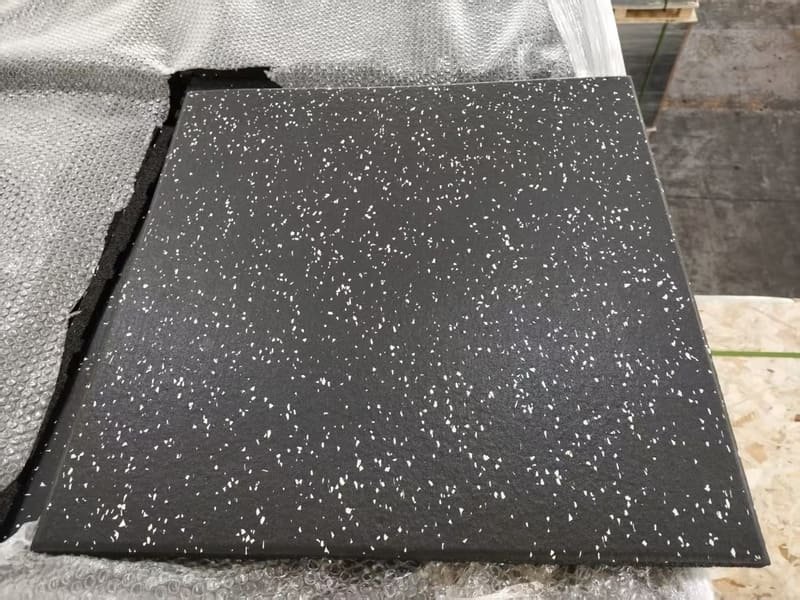
Yes, rubber flooring is highly safe and effective for damp basements because it is inorganic and water-resistant. It does not support mold growth, but success depends on using non-porous vulcanized rubber or allowing for subfloor airflow to prevent moisture from becoming trapped.
Many homeowners struggle to find a floor that survives the unique basement environment. You have to deal with dampness, cold concrete, and the constant threat of leaks. Can rubber—a material often used in gyms—really handle a wet basement? The answer is a clear yes. Unlike wood or carpet, rubber does not rot. However, the installation method makes all the difference. Choosing the right type of rubber and planning for how moisture moves under the surface ensures a long-lasting and healthy space.
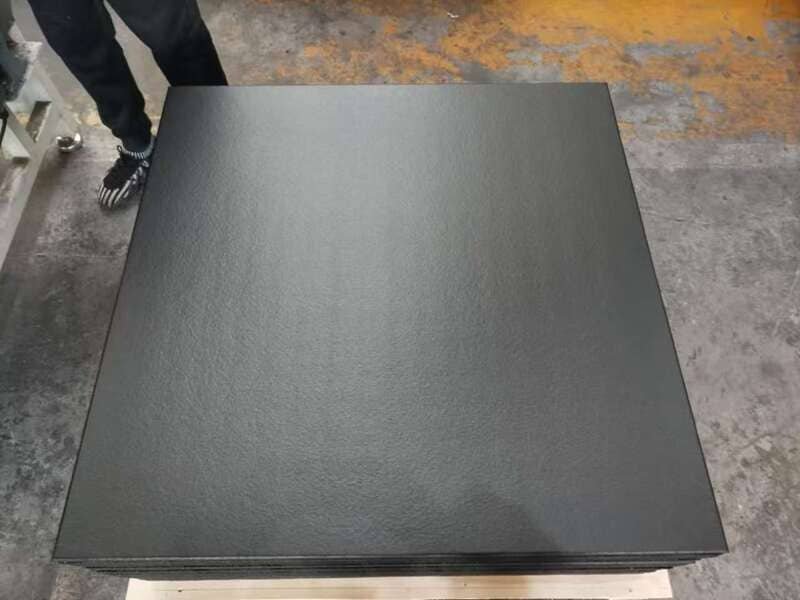
Basement floors are a constant battle against the elements. A high-end laminate floor can be ruined in just one season. You need a material that treats moisture as a minor issue rather than a total disaster.
Why Are Basements So Hostile to Traditional Flooring?
Basements face hydrostatic pressure where moisture pushes through concrete slabs and air humidity causes wood to warp or carpets to smell. Traditional materials like laminate and hardwood fail because they are organic and soak up water, leading to rapid rot, structural failure, and unhealthy indoor air quality.
Concrete looks solid, but it is actually like a hard sponge. It constantly pulls moisture from the ground through a process called capillary action. Even a dry-looking basement can have high vapor emission rates. If you trap this moisture under a non-breathable floor with permanent glue, the glue will eventually break down. This is why the failure points of other materials are so high in these environments.
Comparison of Basement Flooring Vulnerability
| Rodzaj materiału | Response to Humidity | Ryzyko pleśni | Lifespan in Damp Areas |
|---|---|---|---|
| Drewno liściaste | Swells and warps | Wysoki | Short (1-3 years) |
| Dywan | Holds moisture/odors | Bardzo wysoka | 2-5 lat |
| Laminat | Peels and bubbles | Średni | 3-5 lat |
| Guma | Stable and unaffected | Niski | 10+ lat |
When you understand that the floor is constantly "breathing" moisture, you can see why rubber is the superior engineering choice. It stays flat and stays strong even when the humidity levels in the room jump during the summer months.
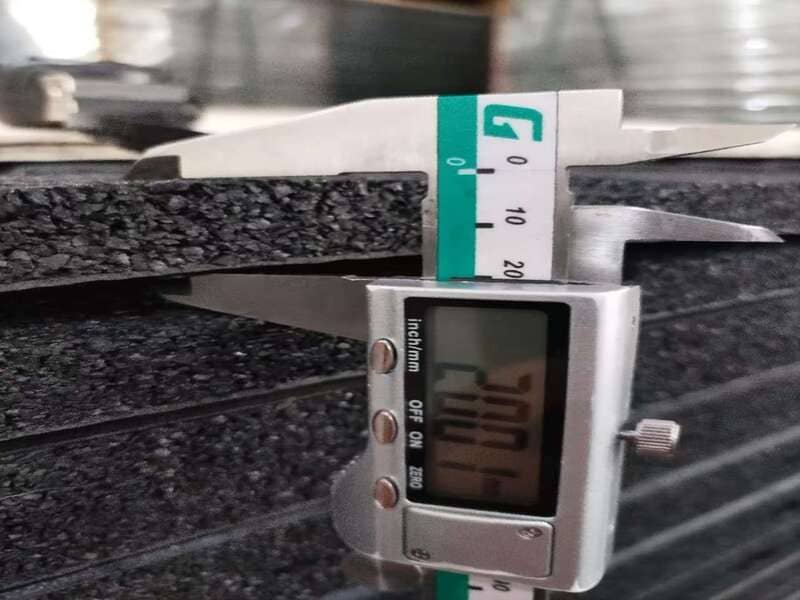
Standard floors just cannot handle the physical pressure of a basement, but the science behind rubber makes it a very different story.
Why Is Rubber Naturally "Basement-Friendly"?
Rubber is an inorganic material, meaning it contains no food source for mold or mildew to grow on. Vulcanized rubber specifically is non-absorbent and acts as a physical water barrier, while the loose-lay nature of many rubber tiles allows for subfloor evaporation that prevents moisture traps.
From a material science perspective, rubber is a polymer that doesn’t care about water. Vulcanized rubber is processed with heat and pressure to make it completely non-porous. This is a huge advantage over "crumb" rubber which has tiny gaps. If you have a basement with high humidity, you want a surface that won’t let water sink into the middle of the mat.
Technical Performance of Rubber in High Humidity
| Cecha | Korzyści techniczne | Dlaczego ma to znaczenie |
|---|---|---|
| Inorganic Base | Zero organic nutrients | Mold cannot eat the floor. |
| Wulkanizacja | High-density bonding | Water stays on the surface for easy cleanup. |
| Thermal Mass | Insulation properties | Keeps the floor surface warmer than the slab. |
In cases of a basement flood, the advantage of rubber is clear. Interlocking rubber tiles installed without glue can simply be pulled up, the concrete dried, and the same tiles replaced. You can’t do that with any other flooring. It saves thousands of dollars in replacement costs and prevents a mold crisis.
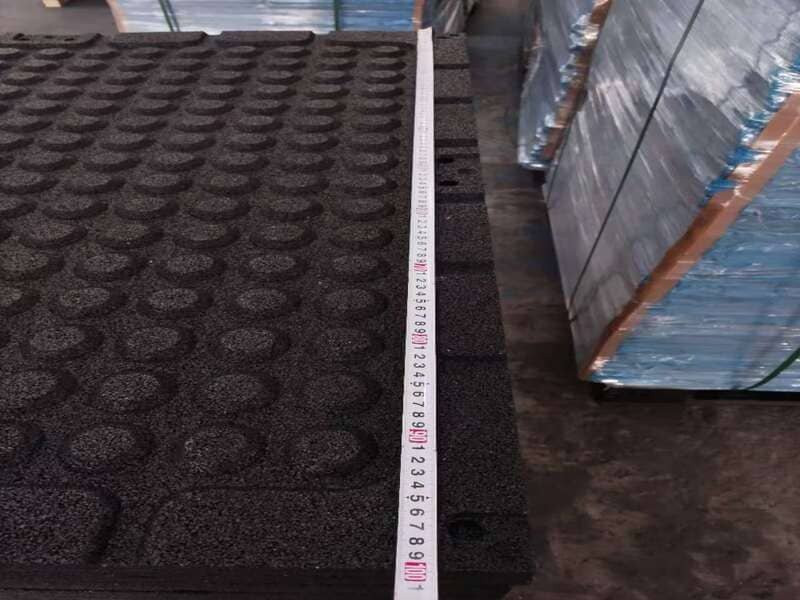
Even though rubber is great, you have to be careful about which type you buy because not all rubber is the same.
What Is the Difference Between Vulcanized and Recycled Rubber?
Vulcanized rubber is completely non-porous and water-tight, making it the gold standard for wet areas. Recycled crumb rubber is more budget-friendly but has an "open-cell" structure that can trap moisture and odors if the basement is not kept dry or if the rubber is not high-density.
This is a common point of confusion. Low-quality recycled rubber is like a very dense sponge. If you have standing water, it can seep into the pores. In a basement, this can lead to a "rubbery" smell that lingers. Vulcanized mats are best for projects where moisture is a primary concern. It is denser and much easier to sanitize. However, if you are on a budget, you can use high-density recycled rubber as long as you use a dehumidifier.
Comparing Rubber Types for Basement Use
| Nieruchomość | Guma wulkanizowana | High-Density Recycled |
|---|---|---|
| Wodoodporność | 100% Wodoodporny | Water-Resistant (Porous) |
| Poziom zapachu | Niski | Umiarkowany do wysokiego |
| Trwałość | Ekstremalny | Wysoki |
| Punkt cenowy | Premium | Economical |
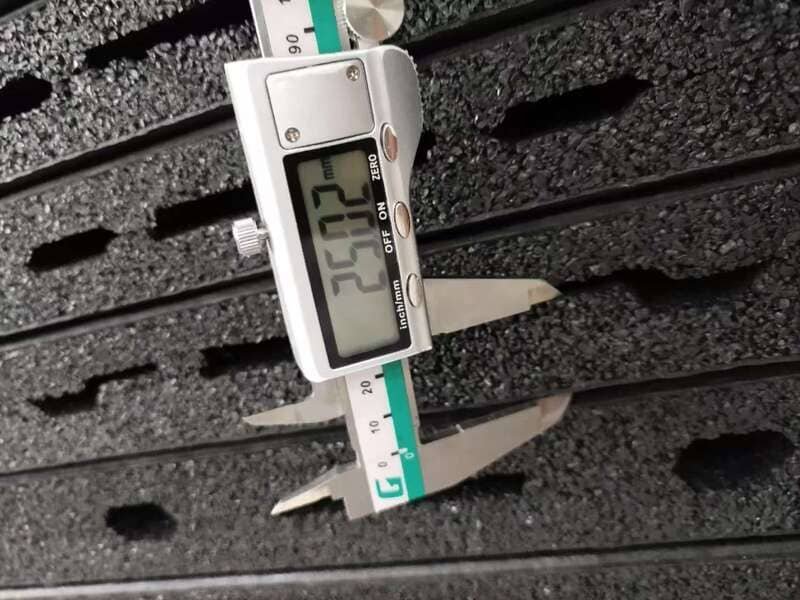
The "smell" issue is a big pain point. Recycled rubber uses a polyurethane binder to hold the crumbs together. In a humid basement, that binder can sometimes release a stronger scent. Vulcanized rubber smells much less because the sulfur bonding is more stable. If your basement has poor ventilation, spending the extra money on vulcanized material is a choice that pays off over time.
Choosing the right material is step one, but step two is managing the air and water that lives under the floor.
How Do You Manage Moisture Under the Rubber?
To prevent water from being trapped under rubber, you should use a dimpled plastic underlayment to create an air gap for evaporation. If the moisture is purely vapor, a 6-mil poly film vapor barrier can work, but for floors with high hydrostatic pressure, an air-gap membrane is the safest choice.
The biggest risk is "trapped" water. If water gets between the rubber and the concrete and has nowhere to go, it can grow mold on the dust or dirt sitting on the concrete. Using products like DMX or Delta-FL is a smart move. These are plastic sheets with small "dimples" that lift the rubber floor about 1/4 inch off the slab. This gap allows air to move and moisture to dry out naturally. It is a small extra cost that provides 100% peace of mind for your home.
Recommended Underlayment Solutions
| Rozwiązanie | Najlepsza aplikacja | Korzyści |
|---|---|---|
| Dimpled Membrane | Basements with high dampness | Creates a physical air gap for drying. |
| 6-mil Poly Film | Minor vapor issues | Simple and cheap moisture block. |
| No Underlayment | Bone-dry, sealed concrete | Maximum stability for heavy lifting. |
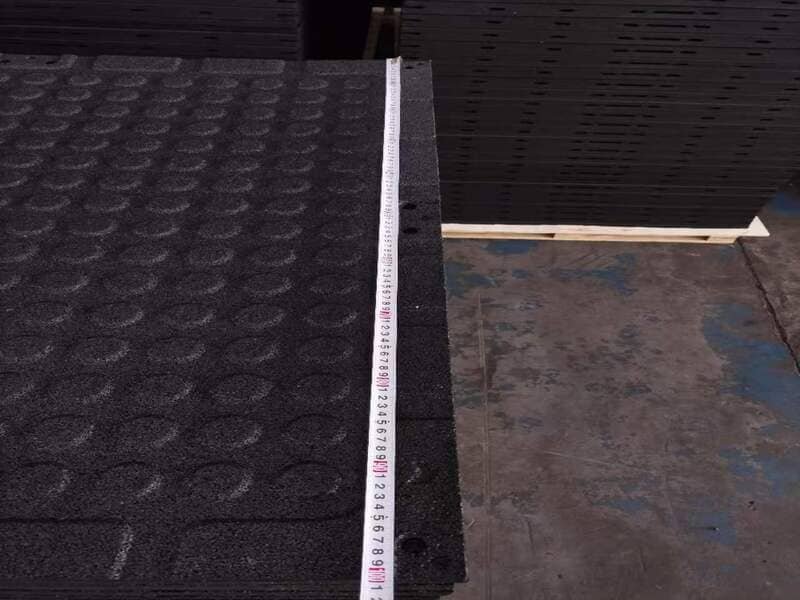
Skip the glue. If you glue rubber to a damp basement floor, the moisture will eventually push the glue up and create bubbles. Using the "loose-lay" method with heavy mats or interlocking tiles is much better. If you ever have a major leak, you can just pick up the mats and fix the problem. This flexibility is the best insurance policy you can have for your basement.
Once you have the moisture plan ready, you can choose the best format for your specific basement layout.
Which Rubber Format Is Best for My Basement?
Interlocking tiles are best for DIY basement projects because they are easy to handle and allow for "spot repairs" if a leak occurs. Rubber rolls provide a seamless look for large home gyms but are harder to install in tight spaces, while thick rubber mats are ideal for small, heavy-duty utility zones.
Interlocking tiles are usually the best fit for basement owners. Basements often have pillars, water heaters, and weird corners. Cutting a heavy 100-pound roll of rubber is difficult in a small basement. Tiles are much easier to trim with a simple utility knife. Plus, if one section gets damaged or you need to check the slab for a crack, you only have to move a few tiles instead of the entire floor.
Rubber Flooring Formats at a Glance
| Format | Ease of Install | Zarządzanie wilgocią | Profesjonalny wygląd |
|---|---|---|---|
| Płytki blokujące | Bardzo łatwe | Excellent (Modular) | Dobry |
| Gumowe rolki | Trudne | Fair (Heavy) | Doskonały |
| Large Mats | Łatwy | Good (Heavy) | Utility |
Rolls are great for commercial gyms, but for a home basement, the weight is a real issue. A 4ft by 50ft roll can weigh over 200 pounds. Getting that down a narrow basement staircase is dangerous. Tiles come in boxes that you can carry easily. Also, the seams in interlocking tiles are tight enough to look good but loose enough to let the floor "breathe" just a little bit more than a solid sheet of rubber.
Even the best material will fail if you don’t follow the right steps during the installation day.
What Are the Installation Best Practices for Damp Basements?
Avoid permanent adhesives and use double-sided floor tape instead to allow for future removal. You must acclimatize the rubber in the basement for at least 48 hours to prevent shrinking or expanding after installation, and always ensure the concrete slab is as clean and level as possible before starting.
Rushing to install your new floor the hour it arrives is a mistake. Rubber is sensitive to temperature. If you bring it from a hot truck into a cool, damp basement, it will change size. Give it two days to adjust to the room. When it comes to sticking it down, only tape the edges or the seams. If you use glue, you are making a permanent commitment to a floor that might need to come up if your water heater ever leaks.
Lista kontrolna profesjonalnej instalacji
| Krok | Działanie | Dlaczego? |
|---|---|---|
| 1. Clean | Vacuum the concrete twice. | Removes food sources for mold. |
| 2. Aklimatyzacja | Let rubber sit for 48 hours. | Prevents gaps at the seams. |
| 3. Układ | Start from the center and move out. | Ensures a balanced look. |
| 4. Secure | Use high-quality carpet tape. | Keeps tiles from sliding. |
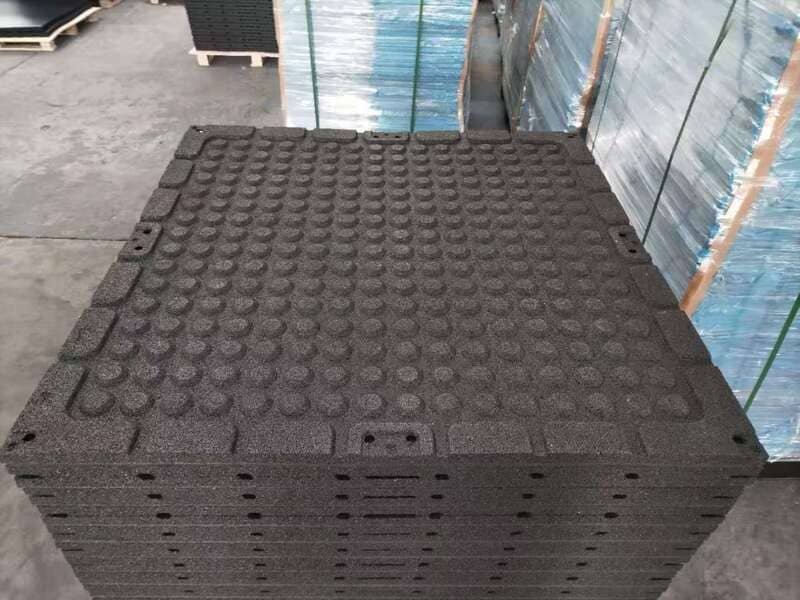
Another tip: check the perimeter. Leave a tiny gap (about 1/8 inch) between the rubber and the wall. You can cover this with a baseboard later. This gap allows the floor to expand slightly and helps with airflow. If you jam the rubber tight against every wall, it might "wave" or pop up in the middle when the humidity changes.
After the floor is down, you need to keep it clean and keep the air moving to keep the room fresh.
How Do I Prevent Mold and Maintain My Rubber Floor?
Maintain your floor by using pH-neutral cleaners and avoiding bleach or oil-based products which can degrade the rubber. Even with waterproof flooring, you must use a dehumidifier to keep the air humidity below 50% to prevent mold from growing on the surface dust or nearby drywall.
The rubber won’t mold, but the dust on the rubber can. If you don’t clean your floor, skin cells and dirt will build up. In a humid basement, mold will grow on that dirt. Use a microfiber mop and a dedicated rubber floor cleaner. Avoid anything with "lemon" or "pine" oils because they make the floor slippery and can eventually eat away at the binder in the rubber.
Post-Flood Protocol for Rubber Floors
- Remove the affected tiles: If water got under them, pick them up.
- Wash both sides: Use a mild soap to kill any bacteria from the floodwater.
- Dry the slab: Use fans and a dehumidifier until the concrete is bone dry.
- Reinstall: Once everything is clean and dry, simply put the tiles back.
A dehumidifier is essential in a basement. Rubber flooring is great, but it can’t fix a "wet air" problem. Keeping the air dry protects your equipment, your walls, and your health. If you follow these simple steps, your rubber floor will easily last 15 or 20 years. It is the most durable investment you can make for a basement space.
This floor does more than just handle water; it completely changes how the room feels and sounds.
What Are the Extra Benefits of Rubber for a Basement?
Rubber provides excellent thermal insulation, making cold concrete slabs feel much warmer underfoot. It also acts as a sound dampener to reduce the echo common in basements and offers anti-fatigue support for playrooms, home gyms, or workshops where you might be standing for long periods.
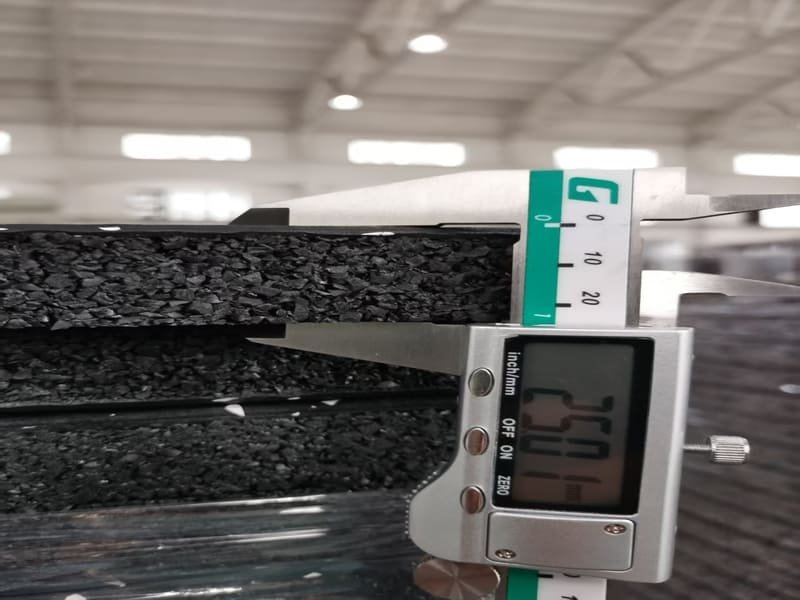
The first thing homeowners notice isn’t the water resistance—it is the warmth. Concrete is a heat sink that sucks the warmth out of your feet. A 8mm or 10mm rubber floor creates a thermal break. It makes the basement feel like a real room rather than a cold cellar. Also, if you have kids running around or you are dropping weights in a gym, the sound reduction is massive. It stops the noise from traveling up to the rest of the house.
Additional Value of Rubber Flooring
| Korzyści | Wpływ | Perfect For |
|---|---|---|
| Ciepło | +5 to 10 degrees feel | Playrooms / Bedrooms |
| Dźwięk | Reduces "echo" and impact | Gyms / Media Rooms |
| Bezpieczeństwo | High slip resistance | Laundry Rooms / Workshops |
For hobbyists who spend hours standing at a workbench, rubber makes a massive difference. Standing on hard concrete causes back and knee pain. Installing custom rubber mats allows for all-day work without fatigue. This is the hidden value of rubber. It turns a harsh, industrial space into a comfortable part of your home.
This material is the ultimate solution for anyone dealing with the challenges of a basement environment.
Wnioski
Rubber is the safest, most resilient choice for high-humidity basements, provided you allow for proper airflow.
Are you looking to design a custom flooring solution for your basement or gym?
For more technical advice on material selection and moisture management for your specific site conditions, or for questions regarding bulk procurement and technical specifications, please wyślij mi prywatną wiadomość to discuss your project needs.