


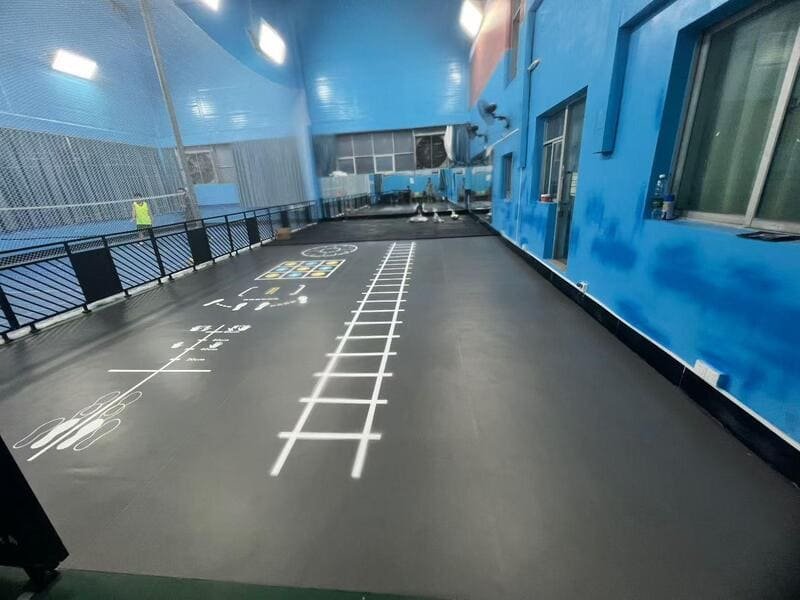
Court lines peel mainly because the paint fails to bond with the flexible PVC surface. Poor surface prep, wrong paint type, bad primer choice, or floor movement break the bond over time.
I have seen this problem on many courts, and it always frustrates facility owners. A brand new floor looks great, then a few months later the lines start lifting at the edges. This is not just a cosmetic issue. Peeling lines create:
- Poor court appearance during games and events
- Safety risks from lifted edges that players can trip on
- Failed inspections or handovers on new installations
- Costly repairs and unwanted downtime
Here is the key point I want you to understand first: court line peeling is almost never caused by the PVC flooring itself. The flooring is doing its job. The real problem sits in how the lines were prepared, painted, and maintained. In this guide, I will walk through the common causes, how to tell them apart, and how to prevent this issue for good.
Before we get into prevention, it helps to understand how lines get applied in the first place, and why PVC flooring makes bonding harder than a normal concrete floor. Let’s break that down next.
How Are Court Lines Applied on PVC Sports Flooring?
| Metoda | Opis |
|---|---|
| Painted lines | Paint applied directly on the PVC surface |
| Factory-inlaid | Markings built into the flooring at production |
| Heat-welded / embedded | Line systems fused into the surface |
Most gyms use painted lines because they are flexible and low cost to update. But painting on PVC is not the same as painting on concrete, and that difference is where most peeling problems start.
Why PVC Flooring Creates Challenges for Paint Adhesion
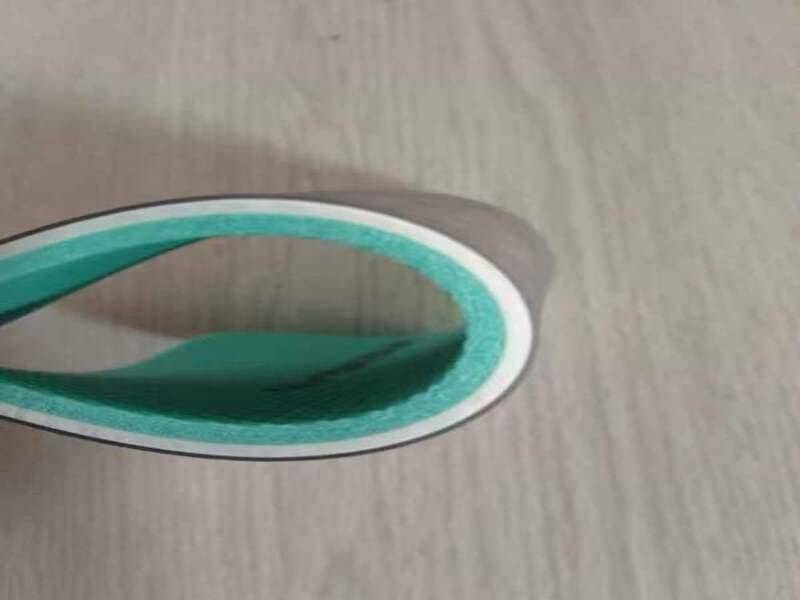
PVC sports flooring has a smooth, non-porous wear layer. Paint needs some surface texture to grip onto, and a slick PVC top layer does not offer much. On top of that, many floors carry a PUR or UV protective coating, which is designed to resist stains and wear. That same coating also blocks paint from bonding well unless it is prepped correctly.
There is another factor: PVC flooring flexes. It moves slightly under player impact and shifts with temperature changes. Concrete or asphalt does not move like this. So a paint system built for a rigid surface will crack and lift on a flexible one, even if it looked fine on day one.
Once you understand why PVC behaves differently, the next question is obvious: what actually goes wrong during the painting process? Let’s go through each cause one by one.
What Causes Court Lines to Peel from PVC Sports Flooring?
| Przyczyna | Why It Leads to Peeling |
|---|---|
| Poor surface prep | Dust, oil, and residue block bonding |
| Wrong paint type | Rigid paint cannot flex with the floor |
| Incorrect primer | Weak or uneven adhesion layer |
| Bad environmental conditions | Paint cures poorly or traps moisture |
| Paint applied too thick | Coating becomes brittle and cracks |
| Flooring movement issues | Subfloor problems stress the paint |
I will go through each of these causes in more depth, because knowing the exact reason behind your peeling lines is the fastest way to fix it correctly.
Poor Surface Preparation Before Painting
Dust, dirt, oil, wax, and cleaning residue are the number one reason paint fails to stick. Even a thin film of these contaminants stops paint from forming a real bond with the PVC surface. Many installers also forget to remove factory surface treatments applied during manufacturing, which act as a barrier. Insufficient cleaning or light abrasion before painting means the paint sits on top of the surface instead of bonding into it. I always tell contractors: even the best paint on the market will fail if the surface underneath is not clean and properly prepped.
Using the Wrong Type of Paint
Standard floor paint is built for rigid surfaces. It does not flex, so it cannot handle the natural movement of PVC sports flooring. There is a real difference between rigid surface coatings and flexible flooring coatings, and using the wrong one is a common mistake. You need paint that is chemically compatible with both the PVC layer and any PUR coating on top, and that stays flexible after it cures.
Incorrect Primer Selection or Application
Primer exists to improve adhesion between the paint and the PVC surface. Skipping primer when it is required, using the wrong primer type, applying it unevenly, or not giving it enough drying time all lead to the same result: a weak bond that fails under normal use.
Applying Paint Under Incorrect Environmental Conditions
Temperature affects how paint cures. High humidity slows drying and can trap moisture under the coating, which weakens the bond from the start. Painting when the floor surface is too cold or too hot also disrupts proper curing, even if the paint itself is high quality.
Applying Lines Too Thickly
Thicker is not better. Thick paint layers become brittle over time, and once the floor moves under normal use, that brittle layer cracks and peels. Multiple thin coats almost always outperform one heavy coat, both in durability and in appearance.
Flooring Movement and Subfloor Problems
PVC sports flooring naturally expands and contracts with temperature changes. If the installation was not done correctly, you may end up with wrinkles, loose areas, or delamination underneath. Any movement in the subfloor transfers stress directly to the painted lines sitting on top, causing them to peel even if the paint job itself was done well.
Knowing the possible causes is useful, but how do you figure out which one applies to your court? The pattern of peeling actually gives you strong clues.
How Can You Identify Why Court Lines Are Peeling?
The peeling pattern tells you the likely cause. Edge peeling points to adhesion issues, cracking points to rigid paint, and large-area loss points to surface contamination or primer problems.
Reading the failure pattern correctly saves time and prevents repeat mistakes during repair. Here is how I break it down on site:
| Peeling Pattern | Prawdopodobna przyczyna |
|---|---|
| Peeling only around line edges | Poor adhesion, wrong paint system, contaminated surface |
| Cracking before peeling | Paint too rigid, excessive thickness, flooring movement |
| Large areas of paint coming off | Surface contamination, incorrect primer, poor curing |
| Peeling after cleaning or maintenance | Aggressive chemicals, excessive scrubbing, wrong cleaning method |
Each pattern points you toward a different fix. Edge peeling usually means you need to redo surface prep or switch paint systems. Cracking tells you the coating is too rigid or too thick for the floor’s natural movement. Large-area failure almost always traces back to contamination or a curing problem during the original installation. And peeling that shows up after routine cleaning is often a sign that maintenance chemicals are too harsh for the coating in use.
Diagnosing the cause is step one. Step two is making sure it never happens again. Here is what I recommend to every contractor I work with.
How Should Contractors Prevent Court Lines from Peeling?
Prevention comes down to four steps: proper surface prep, the right marking system, testing before full application, and correct application procedures.
These steps are not complicated, but skipping any one of them raises the risk of failure significantly.
Prepare the PVC Surface Correctly
Deep clean the surface before marking. Remove any protective residues left from manufacturing or shipping. Apply light abrasion when required to give the paint something to grip onto. Most importantly, make sure the surface is completely dry before you start.
Choose the Right Marking System
Use coatings designed specifically for flexible PVC sports flooring, not generic floor paint. Confirm compatibility with the PVC wear layer, any PUR coating, and the flooring manufacturer’s own requirements. This step alone prevents a large share of peeling issues.
Test Before Full Application
I always recommend a small test area first. Check adhesion strength, drying performance, resistance to cleaning, and flexibility after curing. A test patch takes little time and can save you from repainting an entire court.
Follow Correct Application Procedures
Use accurate masking methods for clean, sharp lines. Apply controlled coating thickness rather than guessing. Allow enough curing time before the court goes back into use, even if that means delaying the opening by a day or two.
Prevention is always better than repair, but if peeling has already started, you still have options. Let’s look at how repair decisions should be made.
Can Peeling Court Lines Be Repaired?
Yes, most peeling court lines can be repaired. Minor edge peeling needs a spot repair, while severe peeling usually needs a full removal and reapplication of the marking system.
The right repair approach depends heavily on how bad the peeling has become.
| Poziom uszkodzeń | Zalecane działanie |
|---|---|
| Minor edge peeling | Remove loose paint, clean the area, apply compatible repair coating |
| Severe peeling | Remove failed markings fully, re-prep surface, reapply full system |
| Extensive or repeated failure | Consider replacement instead of repair |
Minor Edge Peeling
For small edge peeling, remove the loose paint first, clean and prepare the exposed area, then apply a compatible repair coating. This is usually a quick fix that blends in well if done carefully.
Severe Peeling
When peeling covers large sections of a line, patch repairs will not hold. The failed markings need to be fully removed, the surface re-prepped from scratch, and the full marking system reapplied.
When Replacement Is Better Than Repair
If you are seeing extensive adhesion failure, damage to the PVC wear layer itself, or repeated repair attempts that keep failing, it is time to consider full replacement of the line system rather than another repair cycle.
Repairs solve the immediate problem, but good maintenance keeps it from coming back. Here is what extends the life of your court lines.
Court Line Maintenance Tips to Extend Service Life
Court lines last longer when you use recommended cleaning chemicals, avoid harsh solvents, and schedule regular inspections to catch small issues early.
A few consistent habits make a real difference over the life of a sports floor:
- Use cleaning chemicals recommended by the flooring or paint manufacturer
- Avoid harsh solvents that can break down the coating
- Control equipment traffic on marked areas
- Prevent dirt buildup that can trap moisture against the paint
- Schedule regular inspections to catch early signs of lifting
- Repair small defects immediately, before peeling has a chance to spread
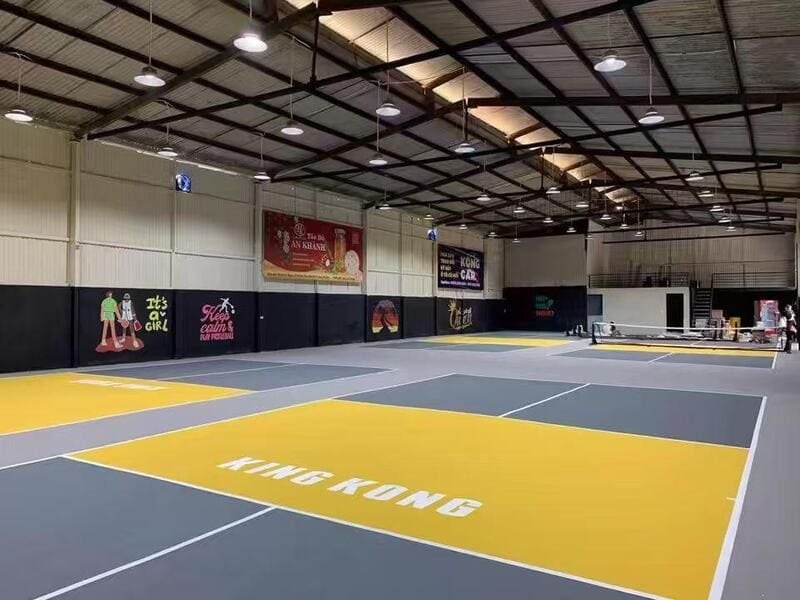
Following these habits, along with the prevention steps above, will keep your court lines looking sharp and performing safely for years. Let’s pull it all together with a final checklist.
Final Checklist: How to Keep PVC Sports Flooring Court Lines Durable
Before you consider a court line job complete, run through this list:
- ✅ Compatible marking paint selected
- ✅ PVC surface properly cleaned and prepared
- ✅ Correct primer used when required
- ✅ Suitable temperature and humidity conditions
- ✅ Proper curing time before use
- ✅ Regular maintenance performed
If every item on this list is checked, your court lines are set up to last through years of regular sports use.
Wnioski
Court lines peel mainly from poor adhesion between the coating and flexible PVC. The right marking system, proper surface prep, and correct installation steps keep lines durable for years.
If you are dealing with peeling court lines or planning a new PVC sports flooring project, feel free to send me a message. I am happy to look at your situation and help you find the right fix.