


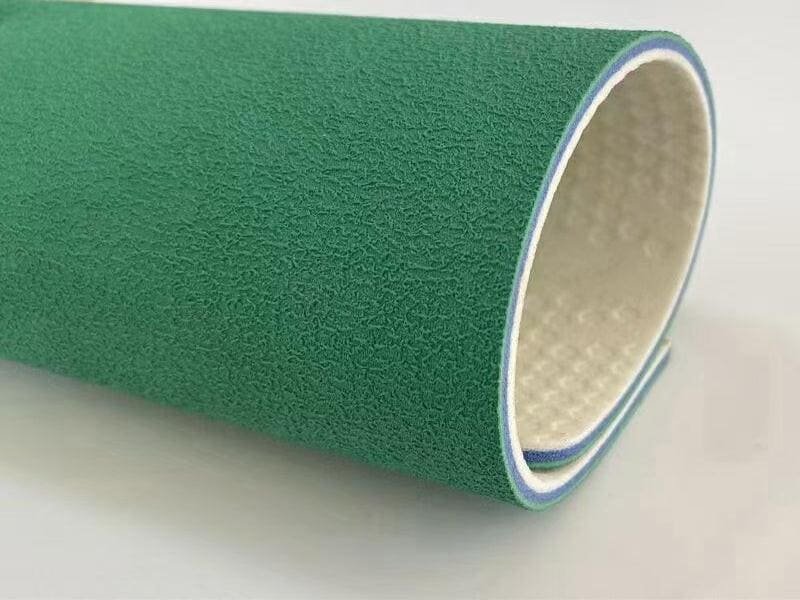
Przy zakupie nawierzchni sportowej należy wziąć pod uwagę konkretne warunki użytkowania, trwałość materiału, stan podłoża oraz kluczowe parametry techniczne, takie jak amortyzacja wstrząsów i odporność na poślizg, aby zapewnić długoterminowe bezpieczeństwo i opłacalność.
Jako doświadczony inspektor kontroli jakości, pracujący na co dzień na hali produkcyjnej, na własne oczy widzę, jak drobne różnice techniczne wpływają na właściwości użytkowe produktu. Nabywcy często gubią się w skomplikowanych specyfikacjach technicznych lub podejmują decyzje wyłącznie na podstawie ceny. Ten błąd prowadzi do przedwczesnego pękania powierzchni, uszkodzeń podłogi lub poważnych kontuzji sportowców. Przez lata testowania podłóg poddawanych dużym obciążeniom nauczyłem się, że udany zakup wymaga zrównoważenia właściwości mechanicznych z rzeczywistymi warunkami panującymi na miejscu. W tym przewodniku dzielę się z Państwem moimi praktycznymi spostrzeżeniami z pracy w fabryce, aby pomóc Państwu w podjęciu świadomej decyzji.
W poniższych sekcjach omówiono szczegółowo wszystkie kluczowe czynniki z punktu widzenia kontroli, dzięki czemu będzie można uniknąć kosztownych błędów związanych z wymianą.
Dlaczego cel i strategia zastosowania determinują wybór materiału bazowego na początkowym etapie?
Twój wybór zależy wyłącznie od tego, czy obiekt znajduje się wewnątrz, czy na zewnątrz, a także od konkretnych ruchów wykonywanych podczas uprawiania danej dyscypliny sportowej, ponieważ różne materiały w zupełnie odmienny sposób reagują na wilgoć, promieniowanie UV i obciążenia mechaniczne.
Wymagania techniczne w zależności od środowiska i rodzaju działalności
| Środowisko/Działalność | Wybór surowca podstawowego | Kluczowy wskaźnik jakości | Kluczowe ryzyko awarii |
|---|---|---|---|
| Korty na świeżym powietrzu | Płytki polipropylenowe (PP) | Odporność na promieniowanie UV i odprowadzanie wody | Blaknięcie kolorów i wypaczenia |
| Wielofunkcyjne pomieszczenie | Podłogi z PVC / winylu | Emisje lotnych związków organicznych (VOC) i odbicie | Pęcherzyki i rozwarstwienie |
| Podnoszenie dużych ciężarów | Guma wulkanizowana | Gęstość i odporność na upadki | Głębokie rysy i nieprzyjemny zapach |
W ramach codziennych testów sprawdzam, jak czynniki środowiskowe wpływają na różne konstrukcje. W przypadku instalacji zewnętrznych odporność na warunki atmosferyczne ma kluczowe znaczenie. Deszcz i bezpośrednie nasłonecznienie szybko niszczą standardowe podłogi wewnętrzne. Potrzebne są materiały z filtrami UV i otwartymi kanałami odprowadzającymi wodę, takie jak płytki z PP łączone na zatrzask. Pomieszczenia wewnętrzne stawiają przed nami inne wyzwanie: jakość powietrza i wilgotność. Testuję próbki podłóg z PVC przeznaczonych do wnętrz w komorach gazowych, aby upewnić się, że emisja lotnych związków organicznych (VOC) jest bezpieczna dla zamkniętych hal sportowych.
Rodzaj aktywności ma równie duże znaczenie jak lokalizacja. Podnoszenie dużych ciężarów wymaga gumy wulkanizowanej o dużej gęstości, która amortyzuje obciążenia punktowe spowodowane upadkiem hantli. Jeśli położysz tam standardową podłogę boiskową, podłoże pęknie w ciągu kilku tygodni. W przypadku sportów boiskowych, takich jak koszykówka, podłoga musi zapewniać równomierny współczynnik tarcia i odkształcenie pionowe. Moje testy laboratoryjne wykazują, że wysokiej jakości sportowa podłoga z PVC zapewnia zrównoważoną powierzchnię, która zmniejsza obciążenie stóp podczas szybkich zwrotów.
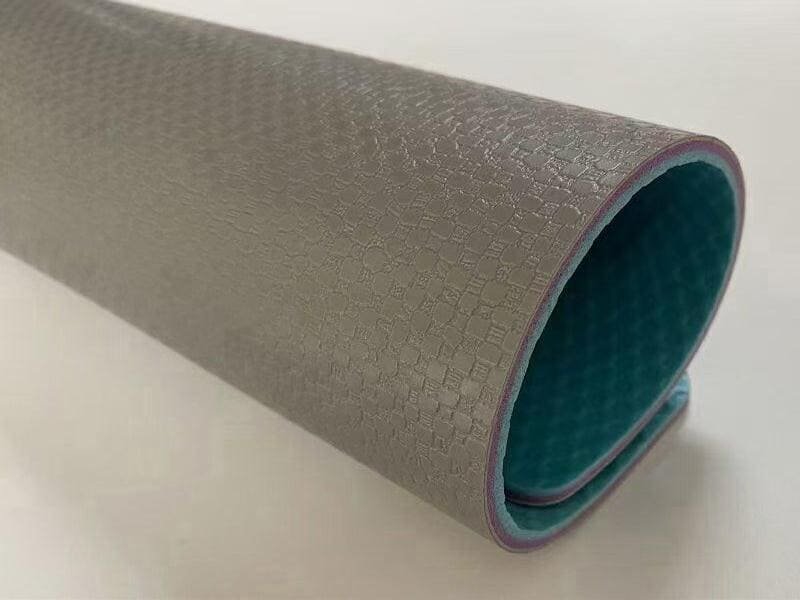
Jeśli wybierzesz materiał, który nie jest dostosowany do konkretnego rodzaju aktywności, podłoga ulegnie zniszczeniu na długo przed upływem okresu gwarancji.
Jakie są cztery kluczowe czynniki techniczne, których nie można pominąć w przypadku nawierzchni sportowych?
Cztery czynniki, co do których nie ma miejsca na kompromisy, to amortyzacja wstrząsów, odporność na poślizg, odkształcenie pionowe oraz odbicie piłki, które zgodnie z międzynarodowymi normami EN mają bezpośredni wpływ na bezpieczeństwo sportowców i uczciwość rozgrywki.
Zrozumienie norm dotyczących badań laboratoryjnych nawierzchni sportowych
Tabela zgodności z normą EN 14904
- Amortyzacja wstrząsów (redukcja siły): Mierzy procent energii uderzenia pochłanianej przez podłogę. Wysokiej jakości podłogi z PVC powinny spełniać wymagania klasy P1 lub P2, pochłaniając siłę w zakresie od 25% do 45%+, aby chronić połączenia.
- Współczynnik poślizgu (odporność na poślizg): Standardowe wyniki testów muszą mieścić się w przedziale od 80 do 110. Zakres ten zapewnia wystarczającą przyczepność do szybkiego hamowania bez blokowania buta, co prowadzi do skręceń kostki.
- Odkształcenie pionowe: Rzeczywisty ruch podłogi w dół pod obciążeniem. Musi on mieścić się w przedziale od 1,5 mm do 5,0 mm. Zbyt duży ruch powoduje zmęczenie mięśni, natomiast zbyt mały sprawia wrażenie twardego betonu.
Kiedy przeprowadzam kontrole jakości naszych partii produkcyjnych, skupiam się przede wszystkim na tych czterech wskaźnikach. Do pomiaru redukcji siły używam specjalistycznych maszyn do testów upadkowych. Jeśli partia wykazuje niską amortyzację wstrząsów, oznacza to, że warstwa podkładowa z pianki nie utwardziła się prawidłowo podczas produkcji. Odporność na poślizg to kolejny test, który przeprowadzamy codziennie. Do sprawdzania przyczepności powierzchni używamy testera wahadłowego. Zbyt śliska podłoga powoduje natychmiastowe wypadki, natomiast podłoga o zbyt dużej przyczepności zwiększa ryzyko urazów stawów.
Odkształcenie pionowe i odbicie piłki są ze sobą powiązane. W przypadku sportów halowych piłka do koszykówki musi odbijać się w sposób jednolity na całej powierzchni. W naszej hali testowej porównujemy odbicie piłki na podłodze sportowej z odbiciem na betonie. Certyfikowana nawierzchnia sportowa z PVC osiąga wskaźnik odbicia piłki powyżej 90%. Jeśli dostawca nie jest w stanie przedstawić oficjalnych raportów laboratoryjnych dotyczących tych czterech parametrów, narażasz się na ogromne ryzyko związane z bezpieczeństwem użytkowników.
Zignorowanie tych wyników badań laboratoryjnych zazwyczaj prowadzi do awarii produktu i potencjalnej odpowiedzialności prawnej w związku z kontuzjami sportowców.
Jak dopasować konkretne materiały podłogowe do rzeczywistych potrzeb danego projektu?
Dobierasz materiały, porównując ich właściwości mechaniczne z wymaganiami projektu, dobierając gumę do obszarów, w których liczy się waga, PVC do boisk wielofunkcyjnych, drewno do hal klasy premium oraz płytki z PP do zastosowań zewnętrznych.
Właściwości materiałów i typowe niedociągnięcia w zakresie kontroli jakości
| Rodzaj materiału | Najlepszy scenariusz zastosowania | Kluczowa zaleta | Ostrzeżenie dotyczące produkcji/jakości |
|---|---|---|---|
| Guma wulkanizowana | Sale do ćwiczeń siłowych i lodowiska | Wyjątkowa amortyzacja uderzeń | Wykrystalizowanie wosku parafinowego (biały proszek) |
| PVC / Winyl | Sale gimnastyczne i korty do badmintona | Zrównoważona elastyczność i czystość | Lekki zapach plastyfikatora |
| Drewno liściaste – klon | Hale do koszykówki zawodowej | Tradycyjny, ekskluzywny charakter | Wysoka wrażliwość na wilgotność |
| PP – system łączony | Place zabaw na świeżym powietrzu | Szybki montaż i odprowadzanie wody | Pęknięcie zaczepu przy obciążeniu |
Z punktu widzenia producenta każdy materiał ma unikalne właściwości chemiczne i fizyczne. Guma jest najtrwalszym rozwiązaniem. Jednak nabywcy muszą zdawać sobie sprawę z różnicy między gumą kruszoną niskiej jakości a gumą wulkanizowaną o wysokiej gęstości. Guma kruszona często uwalnia drobne cząsteczki i nieprzyjemnie pachnie w zamkniętych pomieszczeniach. Guma wulkanizowana rozwiązuje ten problem, ale jeśli cykl chłodzenia w fabryce nie przebiega prawidłowo, może dochodzić do wydzielania się parafiny, co powoduje powstawanie nieestetycznej białej warstwy proszku na powierzchni.
Podłogi z PVC to moja specjalność. Dzięki złożonej, wielowarstwowej budowie stanowią one najlepszy wybór do halowych boisk wielofunkcyjnych. Składają się one z warstwy użytkowej, warstwy stabilizującej z włókna szklanego oraz podkładu z pianki. Drewno klonowe nadal cieszy się popularnością w profesjonalnej koszykówce, ale wymaga stałej kontroli warunków klimatycznych, aby zapobiec wypaczaniu się. W przypadku powierzchni zewnętrznych najlepiej sprawdzają się płytki z polipropylenu (PP) łączone na zatrzaski, choć należy sprawdzić wytrzymałość zatrzasków, aby nie pękały podczas intensywnej gry.
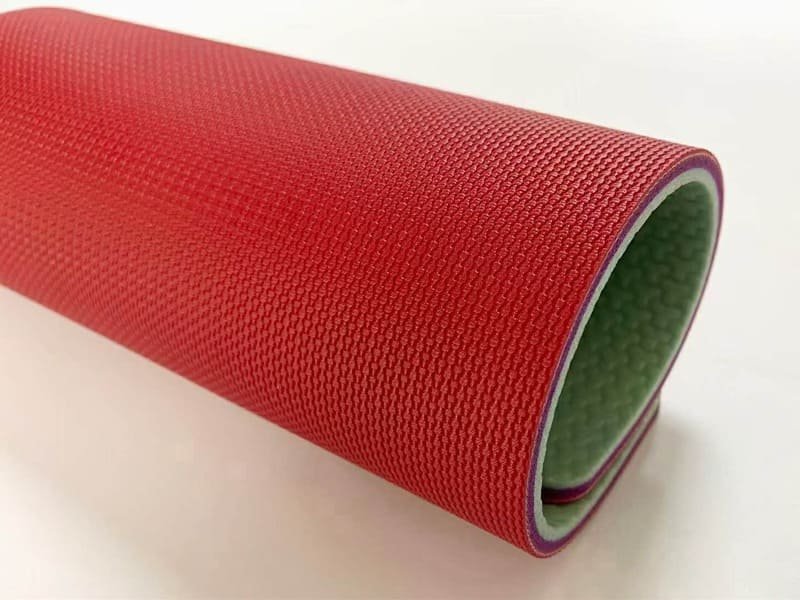
Niewłaściwy dobór mieszanki materiałów zawsze wiąże się z nieprzewidzianymi kosztami konserwacji i skraca żywotność posadzki.
Dlaczego grubość warstwy ścieralnej i certyfikaty ekologiczne mają kluczowe znaczenie dla długoterminowej wartości?
Grubość warstwy użytkowej decyduje o rzeczywistej trwałości podłóg PCV w warunkach intensywnego ruchu pieszego, natomiast certyfikaty ekologiczne gwarantują, że produkt nie uwalnia niebezpiecznych gazów w zamkniętych obiektach sportowych.
Wytyczne dotyczące okresu użytkowania i certyfikacji bezpieczeństwa
Norma dotycząca trwałości i zgodności materiałów
- Grubość warstwy użytkowej: Górna, przezroczysta warstwa podłogi z PVC chroni nadrukowany wzór. W przypadku komercyjnego wykorzystania w obiektach sportowych wymagana jest warstwa użytkowa o grubości od 0,5 mm do 0,7 mm, która wytrzyma wieloletnie tarcie obuwia.
- Normy dotyczące ochrony środowiska: Należy wybierać materiały niezawierające formaldehydu ani ftalanów oraz posiadające certyfikat FloorScore. Podłogi w pomieszczeniach zamkniętych nie mogą z upływem czasu uwalniać toksycznych lotnych związków organicznych (VOC).
- Klasa odporności ogniowej: Wysokiej jakości nawierzchnia sportowa musi spełniać wymagania klasy B1 w zakresie odporności ogniowej, co oznacza, że trudno się zapala i wytwarza niewielką ilość dymu.
W naszym zakładowym laboratorium jakości przeprowadzam testy odporności na ścieranie, podczas których ściernica obraca się po powierzchni podłogi przez tysiące cykli. Wyniki pokazują, że całkowita grubość podłogi nie ma większego znaczenia, jeśli warstwa użytkowa jest zbyt cienka. Gruby podkład z pianki jest miękki w dotyku, ale jeśli warstwa użytkowa ma zaledwie 0,2 mm, podłoga ulegnie zarysowaniu, poplamieniu i całkowitemu zużyciu w ciągu mniej niż dwóch lat.
Bezpieczeństwo to kolejny kluczowy czynnik, którego nie widać gołym okiem. Fabryki produkujące tanie wyroby często stosują tanie plastyfikatory zawierające ftalany o wysokiej zawartości. Gdy w sali gimnastycznej robi się ciepło, substancje te uwalniają do powietrza toksyczne opary. Korzystam z komór emisyjnych, aby upewnić się, że nasze produkty spełniają międzynarodowe normy ekologiczne. Ponadto przeprowadzamy testy rozprzestrzeniania się ognia. Odpowiednia podłoga z PVC o klasie trudnopalności B1 pomaga zapobiegać rozprzestrzenianiu się ognia, co zapewnia bezpieczeństwo użytkownikom budynku.
Zakup niecertyfikowanych podłóg w celu zaoszczędzenia pieniędzy na początku może skutkować naruszeniem przepisów budowlanych lub skargami dotyczącymi zdrowia.
Jakie ukryte czynniki związane z podłożem i montażem mogą zniweczyć Twoją inwestycję w nową podłogę?
Jakość podłogi sportowej zależy od jakości podłoża, na którym jest ułożona; ukryte problemy, takie jak wysoka wilgotność, nierówności betonu i niewłaściwy dobór kleju, mogą zniszczyć nawet najlepsze materiały.
Przygotowanie podłoża i metody montażu
| Kwestia podłoża | Natychmiastowy wpływ na podłogę | Konieczne działania naprawcze |
|---|---|---|
| Wysoki poziom wilgotności | Uszkodzenia kleju i pęcherzyki powietrza | Nałóż epoksydową barierę przeciwwilgociową |
| Nierówności w betonie (>3 mm) | Nierównomierne odbicie piłki i pęknięcia | Nałóż samopoziomującą warstwę podkładową |
| Niewłaściwy klej | Podniesione krawędzie i rozwarte szwy warstwowe | Należy stosować profesjonalną dwuskładnikową piankę poliuretanową |
Podczas moich wizyt kontrolnych w terenie często spotykam się z przypadkami nieprawidłowego montażu, za które obwinia się materiał, podczas gdy prawdziwym winowajcą jest podłoże. Przed rozłożeniem jakiejkolwiek wykładziny z PVC lub gumy betonowa podstawa musi być całkowicie sucha, czysta i równa. Jeśli podłoże ma problemy z wilgocią, para wodna unosi się i rozkłada klej. Powoduje to powstawanie dużych pęcherzyków powietrza na całej powierzchni boiska. Zawsze zalecam klientom przeprowadzenie testu wilgotności z użyciem chlorku wapnia przed rozpoczęciem montażu.
Sposób montażu ma również wpływ na całkowity budżet projektu. W przypadku instalacji stałych najlepszą stabilność przy uprawianiu sportów o dużym natężeniu ruchu zapewnia metoda pełnego klejenia z wykorzystaniem dwuskładnikowego kleju poliuretanowego. Metody układania bezklejowego z użyciem taśmy dwustronnej sprawdzają się jedynie w przypadku tymczasowych przestrzeni eventowych. Jeśli instalator użyje taniego kleju na bazie wody w pomieszczeniu o wysokiej wilgotności, z czasem spoiny będą się zwijać i unosić, stwarzając niebezpieczeństwo potknięcia się.
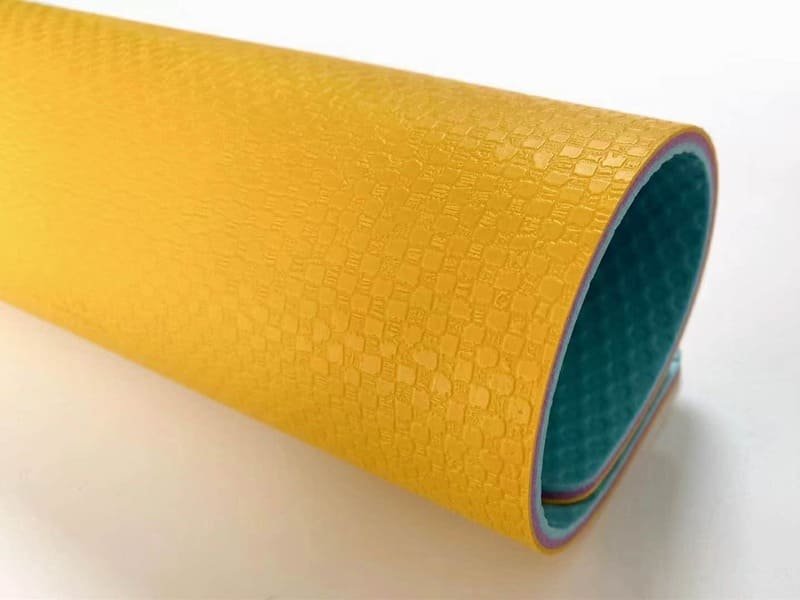
Pominięcie odpowiedniego przygotowania podłoża doprowadzi do zniszczenia nowej podłogi sportowej w ciągu kilku miesięcy, niezależnie od tego, ile za nią zapłaciłeś.
Jak pogodzić początkowe koszty zakupu z całkowitym kosztem posiadania?
Równoważenie kosztów polega na porównaniu początkowej ceny materiału z jego przewidywaną żywotnością, potrzebami w zakresie regularnej konserwacji oraz warunkami gwarancji w perspektywie dziesięcioletniego cyklu.
Koszt początkowy a rzeczywisty cykl życia wynoszący 10 lat
Macierz analizy kosztów
- Pułapka niskich kosztów: Podłogi o niskiej gęstości pozwalają zaoszczędzić około 20% do 30% na początku, ale szybko się zużywają, co wiąże się z koniecznością poniesienia kosztów całkowitej wymiany w ciągu 3 lat.
- Wymagania dotyczące konserwacji: Niektóre materiały wymagają kosztownego corocznego woskowania lub stosowania specjalnych środków uszczelniających, podczas gdy wysokiej jakości PVC wystarczy po prostu przetrzeć wilgotną mopem.
- Warunki gwarancji: Przeczytaj drobny druk, aby sprawdzić, czy gwarancja obejmuje zużycie konstrukcyjne, czy też dotyczy wyłącznie podstawowych wad produkcyjnych przez okres 12 miesięcy.
Uważnie obserwuję nasze linie produkcyjne i widzę dokładnie, gdzie tani producenci idą na skróty, by obniżyć ceny. Zmniejszają gęstość pianki PVC stanowiącej podkład lub używają tworzywa sztucznego z recyklingu zawierającego zanieczyszczenia. Dzięki temu produkt wygląda dobrze pierwszego dnia, ale pod ciężkim sprzętem sportowym ulega trwałemu ściśnięciu. Oszczędzasz pieniądze przy pierwszym zakupie, ale płacisz podwójnie, gdy trzy lata później musisz go wyrwać i kupić nową podłogę.
Należy również wziąć pod uwagę codzienne utrzymanie. Wysokiej jakości sportowe podłogi z PVC są pokryte specjalną powłoką chroniącą przed promieniowaniem UV, która jest odporna na pot, zabrudzenia i zadrapania spowodowane obuwiem. Oznacza to, że do czyszczenia wystarczy zwykła woda i łagodne środki dezynfekujące. Produkty niższej jakości nie są poddane tej obróbce, przez co łatwo ulegają zabrudzeniom i wymagają głębokiego czyszczenia chemicznego lub regularnego ponownego uszczelniania powierzchni, co znacznie zwiększa koszty operacyjne Twojej firmy.
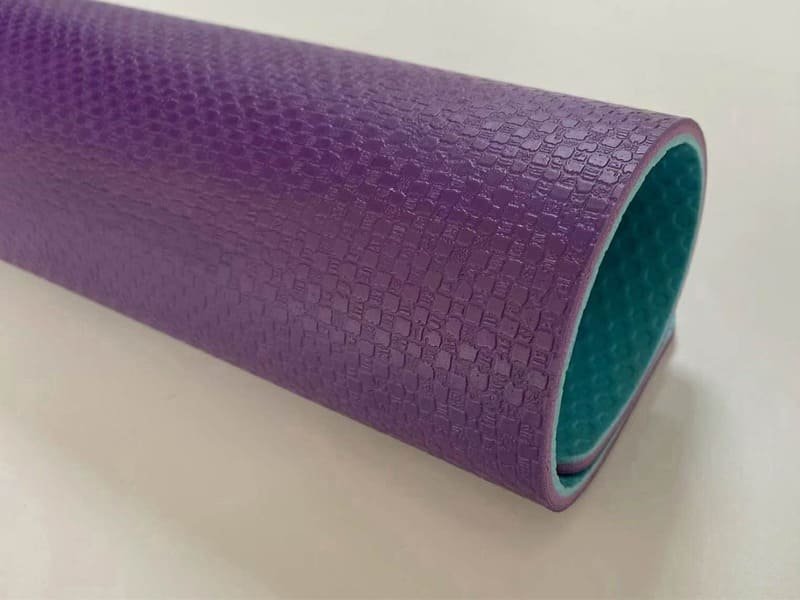
Ocena zakupu w oparciu o 10-letni okres użytkowania znacznie lepiej chroni budżet Twojej siłowni niż polowanie na najniższą cenę w danej chwili.
Wnioski
Wybór odpowiedniej nawierzchni sportowej wymaga dostosowania jej do konkretnej dyscypliny sportowej w oparciu o sprawdzone parametry techniczne, takie jak amortyzacja wstrząsów, sprawdzenie jakości warstwy użytkowej oraz prawidłowe przygotowanie podłoża.
Potrzebujesz fachowej porady dotyczącej swojego kolejnego projektu?
Wybór odpowiedniej specyfikacji podłogi dostosowanej do konkretnego układu obiektu może stanowić wyzwanie. Jeśli nie masz pewności co do grubości materiału, klas odporności na poślizg lub wymagań dotyczących przygotowania podłoża w ramach Twojego projektu, wyślij mi już dziś prywatną wiadomość, aby uzyskać bezpośrednią konsultację techniczną!