


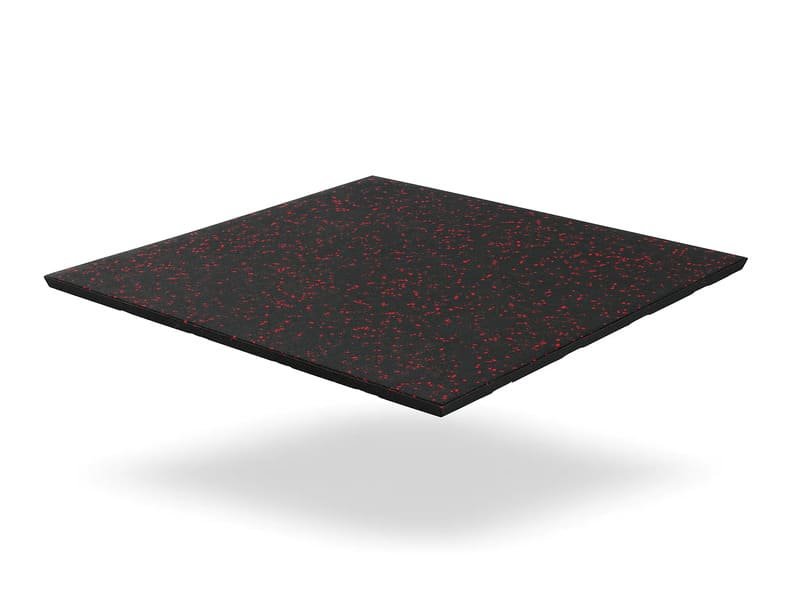
Tak, gumowa wykładzina podłogowa może być ponownie wykorzystana po przeniesieniu siłowni, pod warunkiem, że jest to materiał o wysokiej gęstości i nie był trwale związany z podłożem. Sukces zależy od oryginalnej metody instalacji: systemy luźno ułożone i przyklejone taśmą są łatwe do odzyskania, podczas gdy rolki klejone na całej powierzchni często się rozrywają i nie są opłacalne do przenoszenia.
Jako dyrektor ds. instalacji inżynieryjnych nadzorowałem relokację setek obiektów fitness. Podłoga jest zazwyczaj najcięższym elementem budynku. Chociaż fizycznie można przenieść prawie każdą matę, prawdziwym pytaniem jest, czy należy - lub czy bardziej sensowne jest wybranie Najlepsza gumowa podłoga do domowej siłowni w piwnicy w nowej przestrzeni. Przenoszenie 100-kilogramowych mat lub zeskrobywanie zaschniętej żywicy epoksydowej jest pracochłonne. W tym przewodniku przedstawię profesjonalne ramy, które pozwolą ci zdecydować, czy twoja podłoga jest "do utrzymania", czy też nadszedł czas, aby zainwestować w nowy materiał. Rozbijemy techniczną wykonalność na rzeczywiste koszty pracy, abyś mógł podjąć właściwą decyzję dla swojego budżetu.
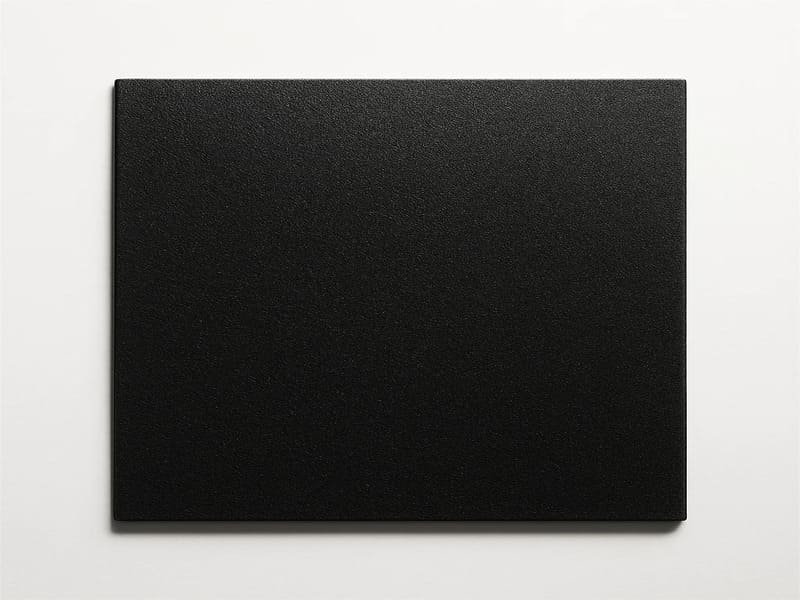
Zanim wynajmiesz ciężarówkę do przeprowadzki, potrzebujesz szybkiego sposobu na sprawdzenie aktualnych zapasów. Nie wszystkie gumy są sobie równe.
Audyt ponownego wykorzystania: Przesunąć podłogę czy ją wyrzucić?
Podłoga powinna zostać ponownie wykorzystana, jeśli jest to wulkanizowana guma o wysokiej gęstości bez trwałych uszkodzeń kleju. Powinieneś ją wymienić, jeśli podłoże jest rozdarte, jeśli ma trwały "zapach siłowni" lub jeśli koszt robocizny w celu zeskrobania starego kleju przekracza cenę nowych mat.
| Lista "Zachowaj" (wielokrotnego użytku) | Lista "Wyrzuć to" (Zamień) |
|---|---|
| Loose-lay lub Tape-down: Łatwość podnoszenia. | Trwałe klejenie: Wysokie ryzyko rozdarcia. |
| Płytki o wysokiej gęstości: Zachowują swój kształt. | Pianka/guma o niskiej gęstości: Kruszy się podczas przenoszenia. |
| Neutralny zapach: Możliwość dezynfekcji. | Głęboki zapach: Bakterie uwięzione w porach. |
| Standardowa grubość: Łatwy do późniejszego dopasowania. | Cięcia niestandardowe/cienkie: Skłonność do zwijanie się na krawędziach po instalacji i fale. |
Techniczne ramy decyzyjne
Kiedy mój zespół ocenia teren, zwracamy uwagę na "integralność materiału". Wysokiej jakości guma komercyjna jest odporna. Jeśli jednak pod matami widoczny jest "czarny pył" (kruszący się), oznacza to, że spoiwa zawodzą. Nie należy ich przenosić; rozpadną się w momencie, gdy zostaną ułożone w stos. Innym ważnym czynnikiem jest "stan podłoża". Jeśli spód jest pokryty grubym, stwardniałym klejem, masz problem z robocizną. Zeskrobanie pojedynczej rolki zajmuje wiele godzin. Jeśli koszt robocizny za stopę kwadratową czyszczenia jest wyższy niż cena hurtowa nowej gumy, logicznym wyborem jest zakup nowej. Na koniec należy sprawdzić, czy guma nie uległa "kompresji". Jeśli guma ma trwałe wgniecenia od ciężkich stojaków, nigdy nie będzie leżeć płasko w nowym układzie.
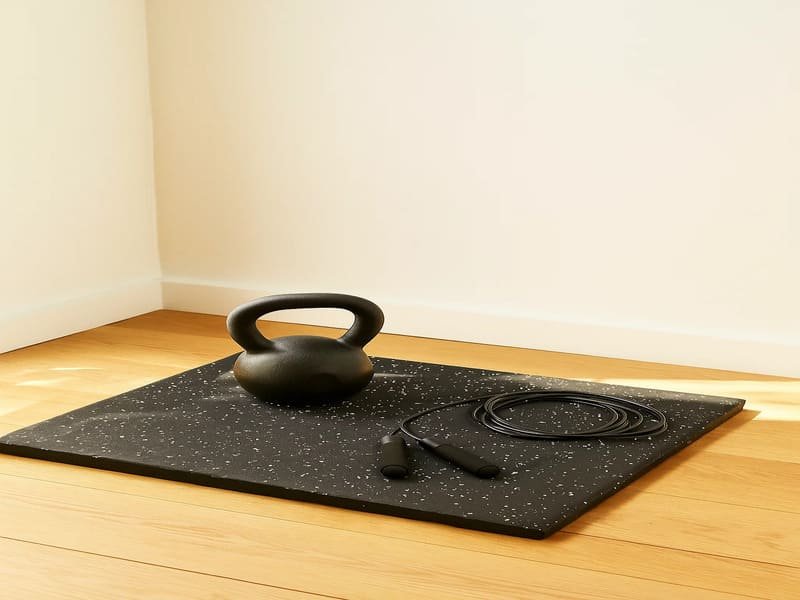
Po przejściu audytu materiałowego należy sprawdzić, w jaki sposób podłoga została pierwotnie zainstalowana. Jest to największy prognostyk sukcesu.
Jak metoda instalacji wpływa na możliwość ponownego użycia?
Metoda instalacji jest najważniejszym czynnikiem sukcesu. Płytki blokowane luzem są najłatwiejsze do przenoszenia, a ich odzysk wynosi prawie 100%. Podłogi przyklejane taśmą często nadają się do ponownego użycia przy niewielkim czyszczeniu. Rolki klejone są słabymi kandydatami, ponieważ usuwanie zwykle niszczy strukturalne podłoże materiału.
Ranking sukcesu instalacji
- Płytki blokujące (najlepszy kandydat): Są to "Moving Kings". Ponieważ nie wymagają kleju, wystarczy je rozpiąć. Widziałem je przenoszone trzy lub cztery razy bez żadnych uszkodzeń.
- Maty Loose-Lay Straight Edge: Są one ograniczone wagowo. Łatwo je podnieść, ale ich waga sprawia, że transport jest kosztowny.
- Taśma dwustronna (dobry kandydat): Taśma zwykle pozostaje na podłożu lub łatwo odkleja się od gumy. Szybkie przetarcie rozpuszczalnikiem sprawia, że są gotowe na nową siłownię.
- Klejone rolki (najgorszy kandydat): Większość rolek komercyjnych jest instalowana z klejem na całej powierzchni. Po naciągnięciu guma rozciąga się i "bliznowacieje". Prawdopodobnie skończysz z nierówną grubością i postrzępionymi krawędziami, które już nigdy nie utworzą czystego szwu.
| Metoda instalacji | Stopa odzysku | Trudności w pracy | Zalecenie |
|---|---|---|---|
| Blokada | 95-100% | Niski | Zawsze używaj ponownie |
| Maty typu Loose-Lay | 90-95% | Średni | Ponowne użycie, jeśli czyste |
| Tape-Down | 80-90% | Średni | Ostrożne ponowne użycie |
| Glue-Down | 20-40% | Bardzo wysoka | Zazwyczaj wymienić |
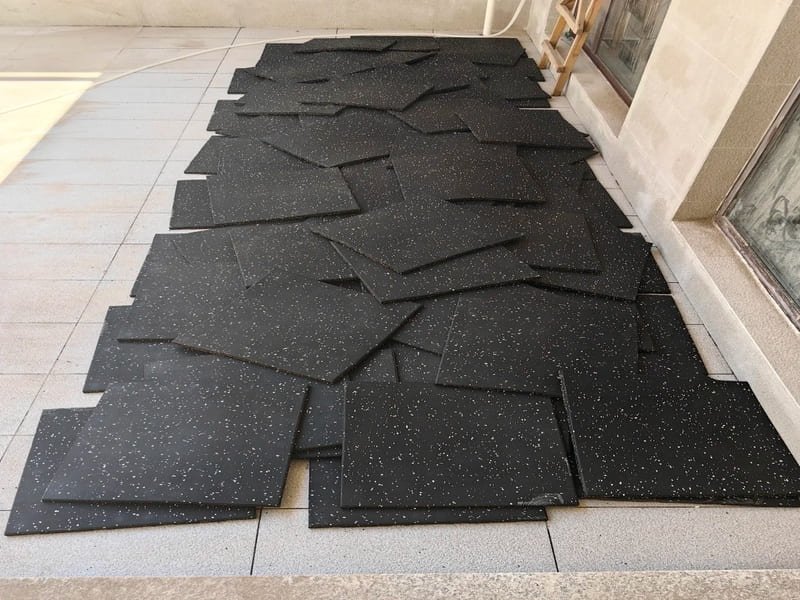
Nawet jeśli podłoga jest łatwa do usunięcia, nowy pokój nie będzie dokładnie taki sam. Musisz zaplanować "efekt puzzli".
Jak dopasować starą podłogę do nowej aranżacji?
Podczas relokacji należy zaplanować straty materiału od 10% do 15%. Nawet jeśli powierzchnia jest taka sama, stare cięcia obwodowe nie będą pasować do nowych ścian. Wyśrodkowanie starych mat i użycie nowych mat "wypełniających" na krawędziach jest najbardziej efektywną strategią.
Radzenie sobie z utratą trymu
Z mojego doświadczenia wynika, że właściciele zawsze nie doceniają "czynnika marnotrawstwa". Za każdym razem, gdy przenosisz siłownię, tracisz krawędzie. Stare wycięcia na narożniki, filary i drzwi są specyficzne dla tego jednego pomieszczenia. Kiedy przenosisz się do nowej przestrzeni, te elementy trafiają do kosza. Zawsze mówię moim klientom, aby zamówili nową partię pasujących mat na obwód. Należy pamiętać, że kolory gumy mogą się nieznacznie różnić w zależności od partii. Aby to ukryć, umieść stare, nieco wyblakłe maty w głównym obszarze podnoszenia i użyj zupełnie nowych mat do wejść i dobrze widocznych granic. Nadaje to siłowni "oprawiony" i profesjonalny wygląd pomimo wykorzystania materiałów pochodzących z recyklingu.
Planowanie układu to faza strategii. Faza wykonawcza wymaga określonego procesu technicznego, aby zapewnić bezpieczeństwo podłogi.
Jak wygląda profesjonalny proces przenoszenia gumy?
Postępuj zgodnie z czterofazowym protokołem relokacji: Ostrożna ekstrakcja, głęboka dezynfekcja, transport na płasko i obowiązkowa 48-godzinna aklimatyzacja. Pominięcie fazy aklimatyzacji jest główną przyczyną wyboczenia podłogi i przerw w szwach w przenoszonych siłowniach.
Lista kontrolna dyrektora ds. instalacji
- Ekstrakcja: Użyj skrobaka podłogowego do obszarów pokrytych taśmą. Należy to robić powoli, aby uniknąć "wżerów" w gumie.
- Odkażanie: Użyj środka czyszczącego o neutralnym pH po obu stronach. Musisz zabić bakterie, które żyły pod matami, aby zapobiec nieprzyjemnym zapachom w nowej przestrzeni.
- Płaskie układanie: Nigdy nie składaj ani nie "taco" gumowych mat podczas przenoszenia. Powoduje to trwałe pęknięcia naprężeniowe. Należy układać je płasko na paletach.
- Aklimatyzacja: To nie podlega negocjacjom. Rozłóż maty luzem w nowej siłowni na 48 godzin. Guma jest wrażliwa na temperaturę i wilgotność. Musi "oddychać" i osiągnąć swój naturalny rozmiar przed nałożeniem taśmy lub kleju. Jeśli przykleisz ją zbyt wcześnie, podłoga rozszerzy się i utworzy niebezpieczne pęcherzyki.
Postępowanie zgodnie z tym procesem pozwoli zaoszczędzić podłogę i budżet. Należy jednak pamiętać, że najważniejszym krokiem jest wiedza, kiedy odejść od starego materiału.
Wnioski
Aby skutecznie ponownie wykorzystać gumową wykładzinę podłogową, należy nadać priorytet systemom blokującym, zaplanować utratę wykończenia 15% i zawsze pozostawić 48 godzin na aklimatyzację, aby uniknąć wyboczenia.