


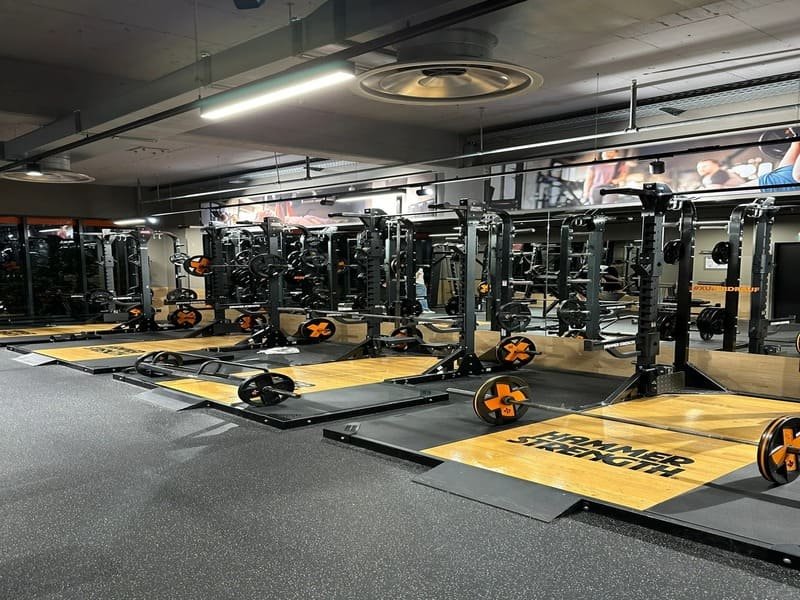
Gumowa podłoga do siłowni jest najbardziej odporną opcją w zimnym klimacie, ponieważ zachowuje swoją integralność strukturalną i pochłania wstrząsy nawet w ujemnych temperaturach. W przeciwieństwie do pianki lub plastiku, guma o wysokiej gęstości nie staje się krucha ani nie pęka pod wpływem ekstremalnie niskich temperatur lub upadków ciężkich przedmiotów.
Zimowe treningi w garażu lub piwnicy zwykle zaczynają się od wspólnego zmartwienia: czy podłoga stanie się twardą jak skała, śliską taflą lodu? Podczas gdy guma nieznacznie sztywnieje, gdy temperatura spada, jej struktura molekularna została zaprojektowana tak, aby radzić sobie z naprężeniami termicznymi. Niniejszy przewodnik opisuje wpływ zimna na materiał, problemy związane z "poceniem się", a także konkretne kroki instalacyjne potrzebne, aby podłoga nie wyboczyła się, gdy zmienią się pory roku.
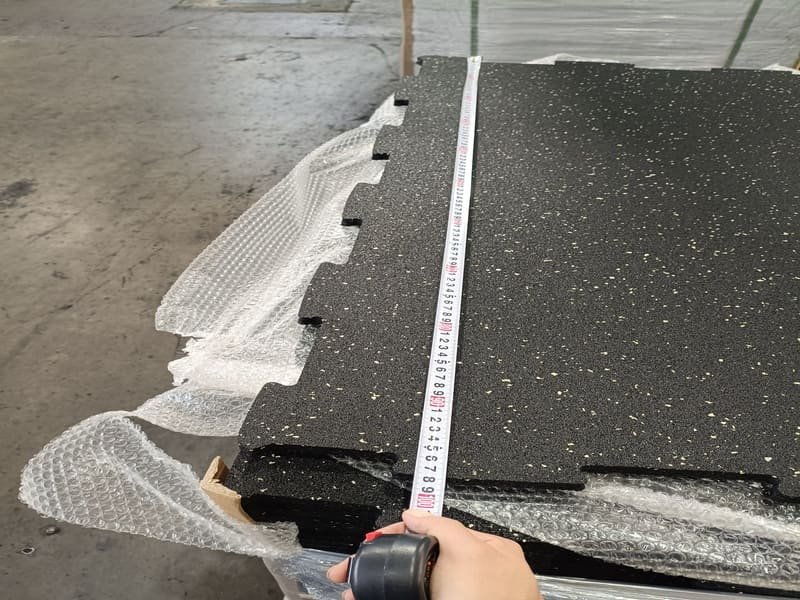
Właściwości fizyczne podłogi zmieniają się wraz ze spadkiem temperatury termometru, a wiedza o tym, czego się spodziewać, może uratować sprzęt i stawy.
Czy temperatura zmienia właściwości gumowych podłóg?
Tak, niskie temperatury powodują kurczenie się gumy i wzrost jej twardości, ale wysokiej jakości guma gimnastyczna pozostaje sprężysta nawet do -40°C. Chociaż materiał wydaje się sztywniejszy ze względu na zmniejszoną mobilność molekularną, nie traci swojej zdolności do ochrony podłoża przed silnymi uderzeniami.
Gdy temperatura spada do 0°C (32°F), guma doświadcza fizycznej zmiany. W skali twardości Shore'a A mata, która wydaje się elastyczna w temperaturze pokojowej (65 Shore A), może wzrosnąć do 75 Shore A w mroźnej szopie. Sprawia to, że podłoga jest "szybsza" i twardsza pod stopami, ale przemieszczenie energii pozostaje funkcjonalne. Wulkanizacja wysokociśnieniowa sprawia, że guma nie staje się krucha jak tanie tworzywa sztuczne.
Zrozumienie rozszerzalności cieplnej i sprężystości
Guma się porusza. Jeśli zainstalujesz ją w ciepłym otoczeniu, a następnie pomieszczenie zamarznie, maty skurczą się. Zrozumienie tego liniowego skurczu jest różnicą między bezszwową podłogą a podłogą z niebezpiecznymi szczelinami.
| Nieruchomość | Wpływ zimna (poniżej 0°C) | Praktyczne rozwiązanie |
|---|---|---|
| Gęstość | Zwiększa się wraz z kurczeniem się cząsteczek | Używaj mat o wysokiej gęstości, aby zminimalizować kurczenie się. |
| Twardość Shore'a | Wzrost o 5-10 punktów | Użyj grubości 10 mm+, aby utrzymać poduszkę |
| Wytrzymałość na rozciąganie | Utrzymuje się na wysokim poziomie | Zapewnia wysoką zawartość polimeru, aby zapobiec pęknięciom |
Kiedyś widziałem zestaw niskiej jakości mat z recyklingu, które odpryskiwały jak stare drewno, ponieważ nie były odpowiednio utwardzone. Z kolei wulkanizowana guma wykorzystuje trwałe wiązania krzyżowe, które powstrzymują materiał przed zamienianiem się w "skałę" w zimie. Potrzebujesz podłogi, która poradzi sobie z cyklem termicznym bez utraty elastyczności.
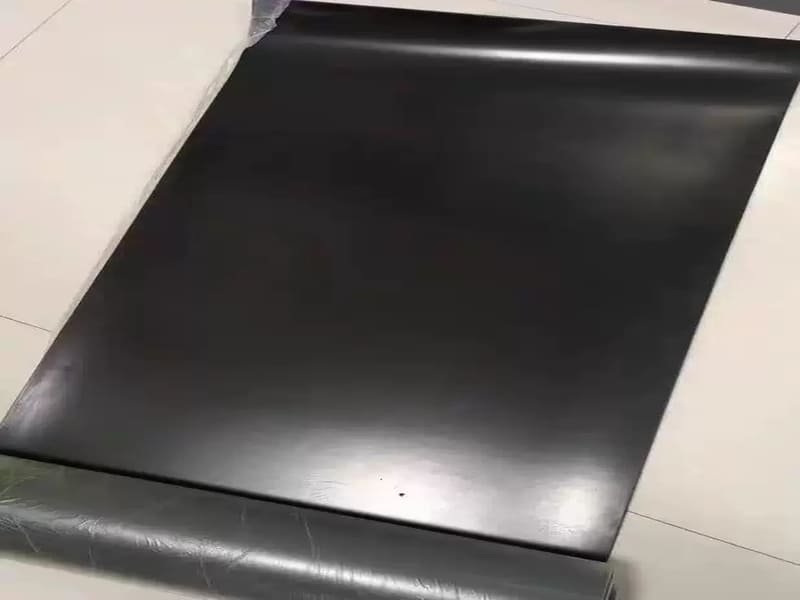
Ta zmiana twardości prowadzi do praktycznych problemów z wydajnością, które można napotkać podczas sesji treningowej w temperaturach poniżej zera.
Jakie są główne bolączki związane z wydajnością w zimnych siłowniach?
Największe obawy dotyczą zmniejszonej absorpcji uderzeń, śliskości powierzchni spowodowanej mrozem i niskiej izolacji termicznej. Podczas gdy guma jest naturalnym izolatorem, zimna płyta betonowa nadal będzie pobierać ciepło z ciała, chyba że guma jest wystarczająco gruba, aby przełamać mostek termiczny.
W niskich temperaturach "przyczepność" gumy może ulec pogorszeniu, jeśli wilgoć z powietrza zamarznie na powierzchni. Nazywamy to "mikro-szronem". Mimo że guma charakteryzuje się wysokim współczynnikiem tarcia, cienka warstwa zamarzniętej wilgoci sprawia, że można poczuć się jak na lodowisku. Ponadto, chociaż guma ma współczynnik R wynoszący około 1,1 na cal, standardowa mata o grubości 8 mm nie wystarczy, aby utrzymać stopy w cieple przed gigantycznym betonowym radiatorem.
Dane dotyczące bezpieczeństwa uderzeniowego i izolacji termicznej
Gęstość maty decyduje o jej właściwościach termicznych. "Puszysta" mata z miękkiej gumy ma więcej kieszeni powietrznych i lepiej izoluje, ale pochłania więcej wilgoci. Gęsta mata wulkanizowana jest zimniejsza w dotyku, ale znacznie łatwiej utrzymać ją suchą i bezpieczną.
| Metryczny | Wydajność w niskich temperaturach | Zalecenia praktyczne |
|---|---|---|
| Ochrona przed uderzeniami | 85% Wydajność vs Ciepło | Używaj mat 12 mm do podnoszenia ciężkich przedmiotów w zimie |
| Trakcja (na sucho) | Doskonały | Utrzymuj powierzchnię wolną od kurzu i soli |
| Trakcja (mokra) | Umiarkowany do niskiego | Użyj nagrzewnicy, aby zatrzymać tworzenie się szronu |
| Przerwa termiczna | Niski do umiarkowanego | Podłoże ze sklejki zapewnia dodatkowe ciepło |
Wielu właścicieli siłowni garażowych zmaga się z "pocącymi się" podłogami. Jeśli guma jest zimna, a powietrze ciepłe od oddechu, tworzą się kałuże. To nie jest wyciek; to fizyka. Upuszczenie ciężkiego hantla na zimną, mokrą matę zwiększa ryzyko pęknięcia podłoża. Ważne jest również, aby wziąć pod uwagę jak gumowa podłoga redukuje wibracjeSzczególnie, gdy sztywność materiału wzrasta w niższych temperaturach. między obciążnikami a podłogą.
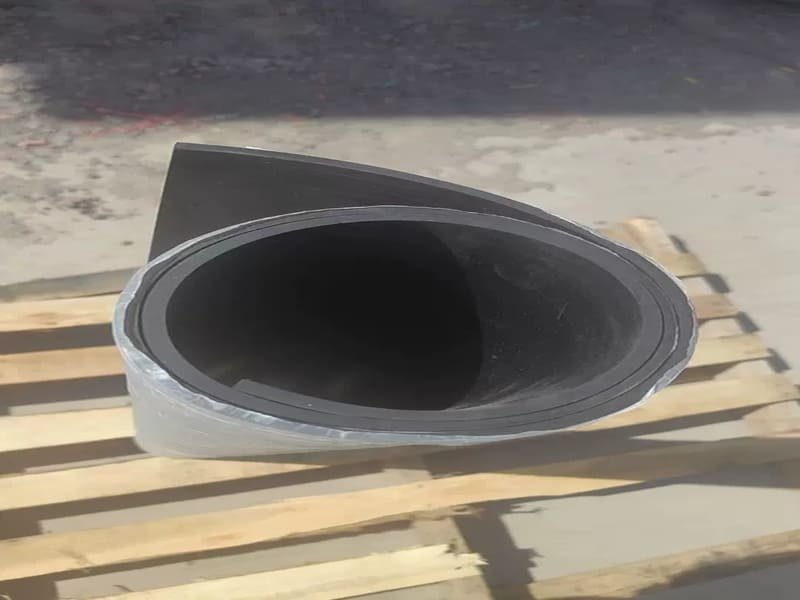
Ta kwestia wilgoci prowadzi nas do najbardziej frustrującej części zimowego treningu: kondensacji.
Jak radzić sobie z czynnikiem "potu" i kondensacji?
Kondensacja występuje, gdy ciepłe powietrze uderza w zimną gumową powierzchnię. Aby temu zaradzić, należy użyć nieporowatej wulkanizowanej gumy i bariery paroszczelnej pod spodem, aby zapobiec zatrzymywaniu wilgoci na betonowym podłożu.
Jeśli w siłowni panuje temperatura 15°C, ale podłoga ma temperaturę 2°C, pojawią się kałuże. Porowate "maty na stragany" są tutaj zagrożeniem, ponieważ mają małe puste przestrzenie, które zatrzymują wilgoć. Podczas długiej zimy, uwięziona woda zamienia się w pleśń lub soczewki lodu, które mogą podnieść podłogę. Potrzebujesz powierzchni, która pozostaje sucha na wierzchu i jest uszczelniona, aby woda nie dostawała się pod spód.
Porównanie wydajności porowatej i nieporowatej
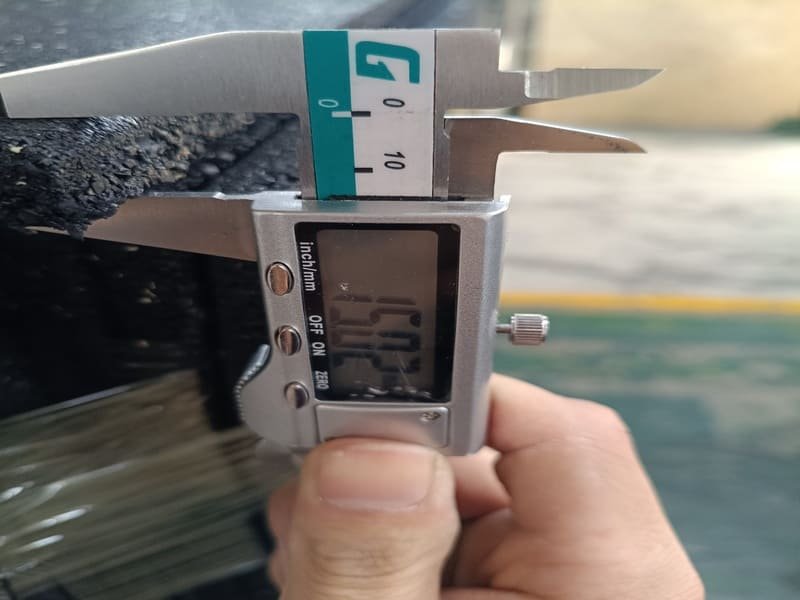
W testach rolki o wysokiej gęstości wykazują absorpcję wody poniżej 1%. Zapobiega to "zatrzymywaniu" zimnej wilgoci wewnątrz materiału.
| Rodzaj gumy | Odporność na wilgoć | Ryzyko zimowe |
|---|---|---|
| Wulkanizowane (nieporowate) | Bardzo wysoka | Powierzchniowe kałuże (łatwe do usunięcia) |
| Guma miękiszowa (porowata) | Niski | Wewnętrzna pleśń i głębokie mrożenie |
| Hybrydowa pianka EVA | Umiarkowany | Szybka kompresja w niskich temperaturach |
Prosta plastikowa paroizolacja jest najlepszym rozwiązaniem. Jeśli budujesz wysokiej klasy przestrzeń, plastikowy podkład z wgłębieniami zapewnia szczelinę powietrzną. Ta szczelina działa jak izolator i pozwala betonowi "oddychać" bez zamoczenia gumowej podłogi. Jeśli używasz grzejnika, skieruj go na podłogę dziesięć minut przed rozpoczęciem podnoszenia temperatury maty powyżej punktu rosy.
Gdy masz już plan dotyczący wilgoci, musisz skupić się na faktycznej instalacji.
Jakie są najlepsze praktyki instalacji w zimnych obszarach?
Najważniejszą zasadą jest 48-godzinny okres aklimatyzacji w siłowni. Należy również użyć kleju przystosowanego do niskich temperatur i pozostawić 1/4-calową szczelinę dylatacyjną na obwodzie, aby umożliwić gumie poruszanie się, gdy pomieszczenie w końcu się nagrzeje.
Nigdy nie bierz rolki gumy z zimnego samochodu dostawczego i nie przyklejaj jej natychmiast. W miarę nagrzewania się pomieszczenia guma rozszerza się. Jeśli nie ma miejsca na rozszerzanie się, podłoga będzie "falować" lub wyginać się. Guma jest elastyczna, ale nie ściśliwa; jeśli nie ma dokąd pójść w poziomie, pójdzie w górę.
Strategiczne kroki instalacyjne na zimę
Guma reaguje na środowisko. Użycie odpowiedniego kleju ma kluczowe znaczenie, ponieważ standardowe kleje mogą stać się kruche i pękać podczas cykli zamrażania i rozmrażania.
| Etap instalacji | Dlaczego to ma znaczenie | Pro Tip |
|---|---|---|
| Aklimatyzacja | Zapobiega kurczeniu się/wyboczeniu | Rozwiń maty i pozwól im najpierw "odpocząć". |
| Perimeter Gap | Pozwala na rozszerzalność cieplną | Ukryj szczelinę 1/4" za pomocą listew przypodłogowych |
| Klej uretanowy | Utrzymuje wiązanie w niskich temperaturach | Najlepszą przyczepność zapewnia utwardzany wilgocią uretan |
Unikaj używania taśmy w bardzo zimnych salach gimnastycznych. Większość klejów na taśmach dwustronnych traci swoją "przyczepność" w niskich temperaturach. Jeśli nie kleisz całej podłogi, ciężar mat (zwykle 60-100 funtów każda) powinien je utrzymać, pod warunkiem, że były płaskie, gdy osiągnęły temperaturę pokojową. Jeśli krawędzie się zwijają, zwykle dzieje się tak dlatego, że wewnętrzne naprężenia powstałe podczas zwijania nie zostały jeszcze uwolnione.
Jak guma wypada na tle innych materiałów, które warto rozważyć?
Jak guma wypada na tle innych podłóg w niskich temperaturach?
Guma jest lepsza od pianki EVA i PVC w zimnym klimacie, ponieważ nie traci kształtu ani nie staje się krucha. Pianka jest lepszym izolatorem, ale trwale kompresuje się w niskich temperaturach, a PVC staje się na tyle kruche, że pęka pod dużym obciążeniem.
W testach pianka EVA (maty puzzle) traci około 30% swojej zdolności odbicia w pobliżu zamarzania. Początkowo wydaje się miękka, ale po umieszczeniu na niej ciężkiego stojaka pianka "osiada" i nie odbija się. Guma zachowuje swoją "pamięć". Nawet w temperaturze -10°C, gęsta gumowa mata powróci do swojego pierwotnego kształtu po zdjęciu ciężkiego obciążenia.
Tabela porównawcza parametrów technicznych
| Cecha | Guma (maty/rolki) | Pianka EVA | Płytki dywanowe | Płytki PVC/tworzywo sztuczne |
|---|---|---|---|---|
| Wytrzymałość na zimno | Doskonały | Słaby (kompresuje) | Dobry | Kruchy/śliski |
| Izolacja | Umiarkowany | Wysoki | Wysoki | Niski |
| Trakcja | Wysoki | Umiarkowany | Wysoki | Bardzo niski |
Płytki PVC stanowią największe zagrożenie w zimnych siłowniach. Większość PVC zawiera plastyfikatory, które twardnieją na mrozie. Widziałem, jak blokujące się plastikowe płytki pękają na łączeniach, gdy ktoś nadepnął na nie w zamarzniętym garażu. Guma to wybór na każdą pogodę. Może być zimniejsza niż wykładzina, ale jest jedyną, która radzi sobie z upuszczoną sztangą bez pękania, gdy jest zimno.
Zimowa konserwacja wymaga zmiany rutyny, aby utrzymać podłogę w jak najlepszym stanie.
Jak należy konserwować gumową podłogę zimą?
Konserwacja powinna koncentrować się na czyszczeniu na sucho i usuwaniu soli drogowej. Unikaj używania dużych ilości wody, która może zamarznąć w porach lub zwiększyć wilgotność, i nigdy nie używaj podgrzewaczy na bazie ropy naftowej bezpośrednio na gumie.
Jeśli wjeżdżasz samochodem do garażu, w którym ćwiczysz, wnosisz sól. Te chemikalia wysuszają gumę i powodują "kwitnienie", w którym mata wygląda na białą i kredową. Użyj specjalnej maty "walk-off" przy wejściu, aby wychwycić sól, zanim trafi na podłogę siłowni. W miesiącach zimowych używaj odkurzacza zamiast mokrego mopa.
Harmonogram zimowego utrzymania
Pył jest bardziej powszechny zimą ze względu na suche powietrze, a kurz na zimnej gumie jest jak łożyska kulkowe.
| Zadanie | Częstotliwość | Cel |
|---|---|---|
| Odkurzanie na sucho | 2-3 razy w tygodniu | Usuwanie soli i pyłu ściernego |
| Czyszczenie punktowe | W razie potrzeby | Użyj wilgotnej ściereczki z mikrofibry |
| Neutralizator soli | Miesięcznie | Zapobiega chemicznemu wysychaniu gumy |
Promienniki podczerwieni są świetne dla właścicieli siłowni, ponieważ ogrzewają obiekty (użytkownika i podłogę), a nie tylko powietrze. Zapobiega to wspomnianym wcześniej problemom z kondensacją. Należy tylko upewnić się, że grzejnik znajduje się w odległości co najmniej 3 stóp od gumy, aby uniknąć miejscowego rozszerzania się, które sprawia, że podłoga wygląda nierówno.
Wnioski
Guma jest najlepszym wyborem w niskich temperaturach ze względu na bezpieczeństwo, ochronę podłoża i długoterminową trwałość.