


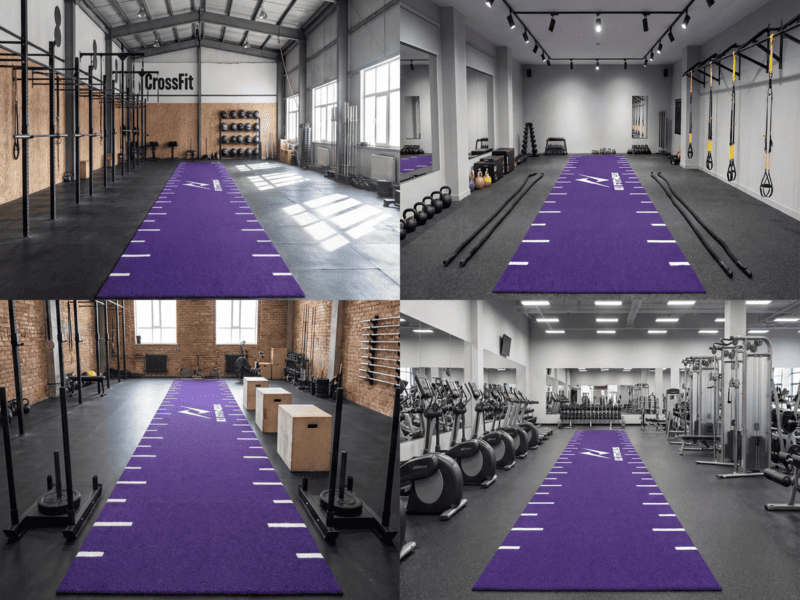
Trawa syntetyczna przekształca nowoczesne siłownie, zapewniając wysokowydajną nawierzchnię, która równoważy bezpieczeństwo, trwałość i tożsamość marki. W przeciwieństwie do tradycyjnej gumy, oferuje specjalistyczną przyczepność do pracy na sankach, doskonałą ochronę stawów poprzez amortyzację wstrząsów oraz konfigurowalną estetykę, która zamienia zwykłą podłogę treningową w profesjonalny atut treningowy.
Jako kierownik produkcji z ponad 15-letnim doświadczeniem w branży podłogowej, widziałem właścicieli siłowni zmagających się z podłogami, które pękają, śmierdzą lub powodują urazy. Moje doświadczenie w fabryce nauczyło mnie, że podłoga w siłowni to nie tylko powierzchnia, ale element wyposażenia technicznego. Projektujemy te produkty tak, aby radziły sobie ze specyficznymi obciążeniami mechanicznymi, takimi jak częsty ruch pieszych i ciężkie ślizgi sań. Wybierając odpowiednią trawę syntetyczną, inwestujesz w system zaprojektowany w celu poprawy wyników sportowców i zmniejszenia długoterminowych kosztów obiektu. Większość ludzi uważa, że każda zielona trawa jest taka sama, ale różnica polega na gęstości polimeru i składzie chemicznym podłoża. Chcę pomóc ci zrozumieć, w jaki sposób te wybory produkcyjne wpływają na codzienne operacje na siłowni i bezpieczeństwo członków.
W kolejnych rozdziałach omówię techniczne powody, dla których darń klasy inżynieryjnej przewyższa inne materiały. Podzielę się spostrzeżeniami z linii produkcyjnej i Kompletny przewodnik po trawie syntetycznej aby pomóc Ci podjąć lepszą decyzję dla Twojego obiektu.
Czy murawa syntetyczna zapewnia doskonałą absorpcję uderzeń i bezpieczeństwo stawów?
Syntetyczna murawa chroni stawy, wykorzystując włókna o wysokiej gęstości i podkładki amortyzujące w celu zmniejszenia poziomu G-max, który mierzy siłę uderzenia. Dobrze zaprojektowany system murawy może pochłonąć do 60% wstrząsów spowodowanych skokami lub upadkami, znacznie zmniejszając ryzyko ostrych urazów i przewlekłego bólu stawów.
| Cecha | Korzyści techniczne | Wpływ na użytkownika |
|---|---|---|
| Włókno o wysokiej gęstości | Zwiększa powierzchnię styku | Bardziej stabilne ułożenie stopy |
| Zintegrowana podkładka amortyzująca | Obniża G-max (siłę uderzenia) | Chroni kolana i kostki |
| Miękka w dotyku przędza PE | Niski współczynnik tarcia | Zapobiega otarciom skóry (oparzeniom) |
Zrozumienie ochrony przed wstrząsami i bezpieczeństwa skóry
W naszym zakładzie produkcyjnym skupiamy się nie tylko na miękkości. Mówimy o "ochronie przed wstrząsami". Oznacza to, że kalibrujemy gęstość przędzy i wysokość, aby współpracować z dodatkową podkładką antywstrząsową. Gdy sportowiec wykonuje skok na skrzynię lub burpee, podłoga musi się nieznacznie odkształcić, aby pochłonąć energię, ale pozostać wystarczająco twarda, aby zapewnić stabilność. Do produkcji włókien używamy polietylenu (PE) 100%, ponieważ jest on naturalnie gładszy niż tańszy polipropylen (PP). Wybór ten ma kluczowe znaczenie, ponieważ zapobiega "spaleniu murawy" podczas ćwiczeń na podłodze. Jeśli członkowie wykonują czołganie się lub deski, potrzebują powierzchni, która nie będzie drapać ich skóry.
Co więcej, środowisko akustyczne sali gimnastycznej zmienia się po przejściu na murawę. W czasie, gdy zarządzałem produkcją, testowałem, jak różne podkłady wyciszają dźwięk. Specjalistyczne podkłady działają jak bariera akustyczna. Wyłapują "brzęk i huk" dużych ciężarów. Tworzy to atmosferę skupienia, w której muzyka i instrukcje trenerskie są wyraźne, a nie zagłuszane przez echo. Wybór trawy o wysokim współczynniku ściegu zapewnia, że powietrze uwięzione między włóknami pomaga tłumić wibracje, zanim uderzą one w betonowe podłoże.
Wielu właścicieli siłowni pomija znaczenie komfortu akustycznego na etapie projektowania. Zawsze sugeruję przyjrzenie się grubości podkładu, aby upewnić się, że obiekt pozostaje przestrzenią premium, w której ludzie chcą spędzać czas.
Jak wybrać odpowiednią murawę do siłowni (przewodnik zakupów inżynieryjnych)?
Wybór odpowiedniej murawy zależy od celu treningu. To Ostateczny przewodnik po murawie do siłowni pomoże Ci zrównoważyć budżet i wymagania dotyczące podłoża, aby znaleźć idealne dopasowanie. W przypadku pracy na sankach i sprintów, wysokość runa od 15 mm do 20 mm z dużą gęstością ściegu jest idealna, podczas gdy obszary do plyometrii lub ciężkich uderzeń wymagają dodatkowej podkładki amortyzującej i ekologicznego podkładu PU zapewniającego długotrwałą trwałość.
Matryca wyboru technicznego
W fabryce klasyfikujemy murawy na podstawie "intensywności obciążenia". Jeśli używasz CrossFit BoxWysokość pala powinna wynosić od 15 mm do 20 mm. Wyższa wysokość spowoduje, że sanki będą się "zagłębiać". Jeśli jesteś PT Studio Skupiając się na pracy na podłodze, runo o grubości 25 mm z podkładką amortyzującą zapewnia lepsze wrażenia przypominające dywan.
Jeśli chodzi o podkłady, zawsze doradzam klientom, aby wybierali PU (poliuretan) nad SBR (guma). Podczas gdy PU kosztuje około 15-20% więcej, nie kruszy się ani nie wydziela zapachu, a jego wytrzymałość na wyciąganie jest o 50% wyższa. Jeśli chodzi o cenę, spodziewaj się zapłacić od $15 do $30 za metr kwadratowy materiałów klasy profesjonalnej. Jeśli cena jest znacznie niższa, producent prawdopodobnie poszedł na skróty w zakresie Dtex (waga przędzy) lub użył wypełniaczy pochodzących z recyklingu, które wydzielają szkodliwe LZO. Przed podpisaniem umowy należy zawsze poprosić o arkusz specyfikacji w celu zweryfikowania gęstości.
Scenariusze zastosowań i zwrot z inwestycji
- Boxy CrossFit: Pchanie sanek o wysokiej intensywności. Wymaga runa o grubości 15 mm i podkładu PU. Zwrot z inwestycji jest wysoki, ponieważ wytrzymuje 5-8 lat bez łysienia.
- Siłownie szkolne: Koncentracja na bezpieczeństwie i użytkowaniu w wielu dyscyplinach sportowych. Wymaga stosu 20 mm + podkładki amortyzującej 10 mm, aby spełnić szkolne standardy bezpieczeństwa.
- Komercyjne studia PT: Skup się na estetyce i dźwięku. Luksusowa murawa o grubości 20 mm-25 mm w kolorze Charcoal lub Navy tworzy wrażenie wysokiej klasy marki, która uzasadnia wyższe opłaty członkowskie.
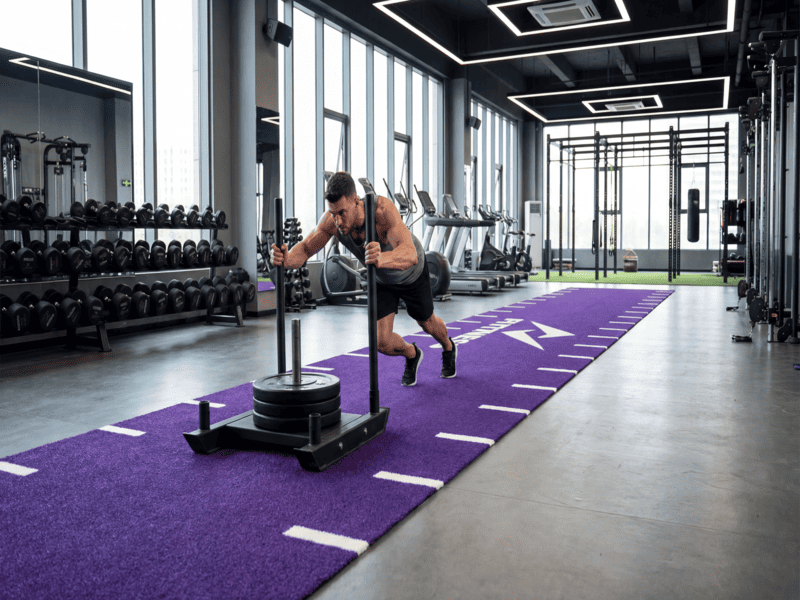
Dobrze dobrana podłoga zwraca się w ciągu 24 miesięcy dzięki zmniejszeniu liczby roszczeń z tytułu urazów i niższym kosztom utrzymania. Widziałem siłownie, które zaoszczędziły tysiące, unikając "pułapki taniej trawy", która zwykle zawodzi w ciągu roku.
Czy murawa została zaprojektowana z myślą o wszechstronności i wysokiej wydajności?
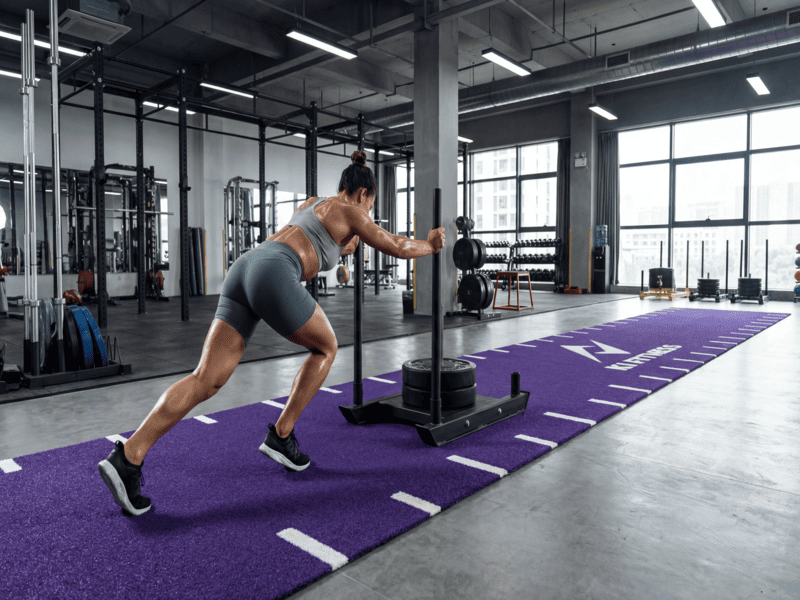
Tak, murawa do siłowni została zaprojektowana z myślą o kontroli tarcia i antypoślizgowych podkładach, aby poradzić sobie z saneczkami, sprintami i ruchami bocznymi. Kalibrując wysokość stosu i szybkość ściegu, zapewniamy, że powierzchnia zapewnia odpowiedni opór dla sprzętu bez wyboczenia lub ślizgania się pod dużym obciążeniem.
| Współczynnik wydajności | Specyfikacja produkcji | Praktyczne zastosowanie |
|---|---|---|
| Tarcie sań | Niskoprofilowe runo o wysokiej gęstości | Płynny poślizg podczas pchania sanek |
| Odporność | Pamięć przędzy w kształcie litery C lub U | Zapobiega matowieniu po intensywnym użytkowaniu |
| Stabilność | Antypoślizgowy spód z PU lub lateksu | Utrzymuje murawę zakorzenioną podczas sprintów |
Nauka o kontroli tarcia i sprężystości
Kiedy nadzoruję proces tuftingu, zwracam szczególną uwagę na "kontrolę tarcia" produktu. Jeśli stos jest zbyt wysoki, ciężkie sanki "zakopią się" i nie będzie można ich pchać. Jeśli jest zbyt niski, sanki mogą się zbyt łatwo ślizgać, zmniejszając efekt treningu. Kalibrujemy wysokość stosu, zwykle między 15 mm a 20 mm, aby uzyskać idealny poślizg. Taka precyzja gwarantuje, że trawa nie będzie się "wyginać" ani zaginać przed saniami. Jest to częsty punkt awarii trawy krajobrazowej używanej w siłowniach, ale nasza trawa klasy inżynieryjnej jest zbudowana tak, aby pozostała płaska pod wpływem siły poziomej.
Odporność to kolejny kluczowy czynnik, którym zarządzam w fabryce. Wysoki ruch pieszy może spłaszczyć tanią trawę w ciągu kilku miesięcy. Używamy włókien z pamięcią "sprężynowania", często osiąganą dzięki specjalnym kształtom przędzy, takim jak "C" lub "U". Gwarantuje to, że po zakończeniu sprintu przez trzydziestoosobową klasę trawa stanie z powrotem. Stosujemy również podkład antypoślizgowy na spodzie. Ma to kluczowe znaczenie dla bezpieczeństwa. Gdy sportowiec wykonuje wybuchowy ruch boczny, murawa musi pozostać zakorzeniona w podłodze. Poruszająca się podłoga stwarza ryzyko potknięcia się, a nasza wysoka siła wiązania zapobiega rozwarstwianiu się lub przesuwaniu trawy podczas użytkowania.
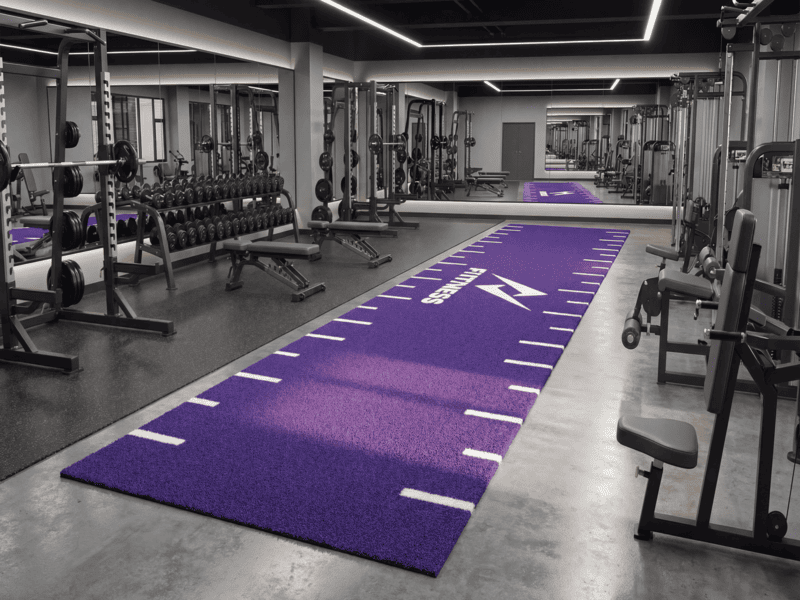
Ten poziom inżynierii jest powodem, dla którego profesjonalne obiekty wybierają specjalistyczną murawę sportową zamiast standardowej wykładziny. Potrzebujesz nawierzchni, która będzie pracować tak ciężko, jak Twoi sportowcy, każdego dnia.
Czy strategiczna personalizacja może poprawić tożsamość marki?
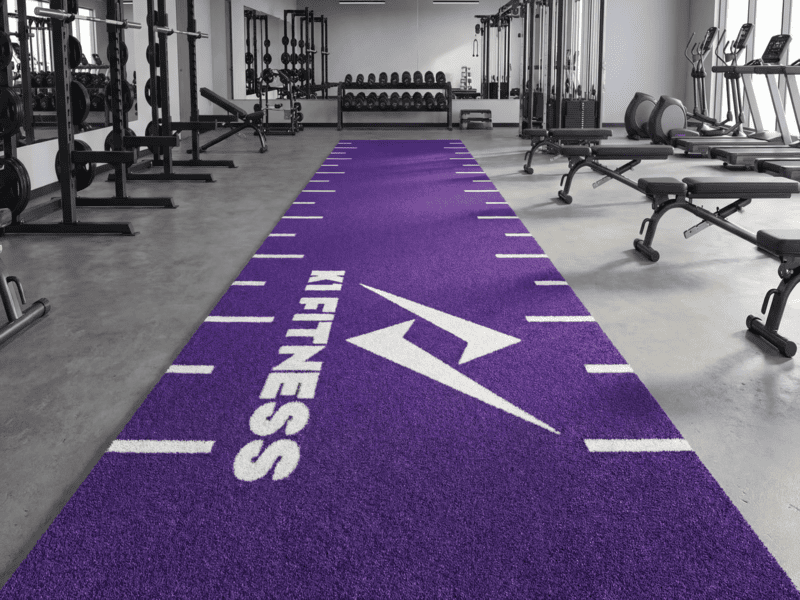
Tak, trawa syntetyczna pozwala na nanoszenie wysokiej jakości oznaczeń marki i oznaczeń funkcjonalnych, takich jak drabinki prędkości lub logo, bezpośrednio na powierzchni. Ta trwała personalizacja zastępuje tymczasową farbę, tworząc profesjonalny, "gotowy do mediów społecznościowych" wygląd, który wzmacnia markę i pomaga w utrzymaniu członków.
Wplatanie funkcjonalności bezpośrednio w podłogę
Jako kierownik produkcji uważam, że etap personalizacji jest najbardziej ekscytujący. Wyszliśmy poza zwykłą sprzedaż zielonych rolek. Możemy teraz wplatać drabinki prędkości, znaczniki odległości i kompasy bezpośrednio w murawę. Nazywa się to "inkrustowaną funkcjonalnością". Ponieważ znaki te są wykonane z kolorowej przędzy, a nie malowane, nigdy nie blakną ani nie łuszczą się. Instruktorzy mogą używać tych linii przez lata, aby prowadzić członków przez ćwiczenia. Dzięki temu podłoga staje się trwałym narzędziem treningowym, które dodaje wartości do każdych prowadzonych zajęć.
Poza funkcjonalnością, istnieje siła brandingu. Możemy tworzyć niestandardowe inkrustowane logo z dużą precyzją. W dobie Instagrama i TikTok, podłoga w siłowni jest często tłem dla zdjęć użytkowników. Posiadanie wyraźnie widocznego logo w kontrastowym kolorze, takim jak biały lub żółty, na tle trawy w kolorze węgla drzewnego lub granatu jest potężnym narzędziem marketingowym. Oferujemy niestandardowe kolory, takie jak Terracotta lub Slate Grey, które pasują do palety kolorów Twojej marki. Zapewniamy również różne opcje instalacji, od trwałego kleju do obszarów o dużym natężeniu ruchu po przenośne systemy blokujące dla siłowni, które mogą wymagać zmiany układu. Ta elastyczność pozwala zaprojektować przestrzeń, która jest naprawdę Twoja.
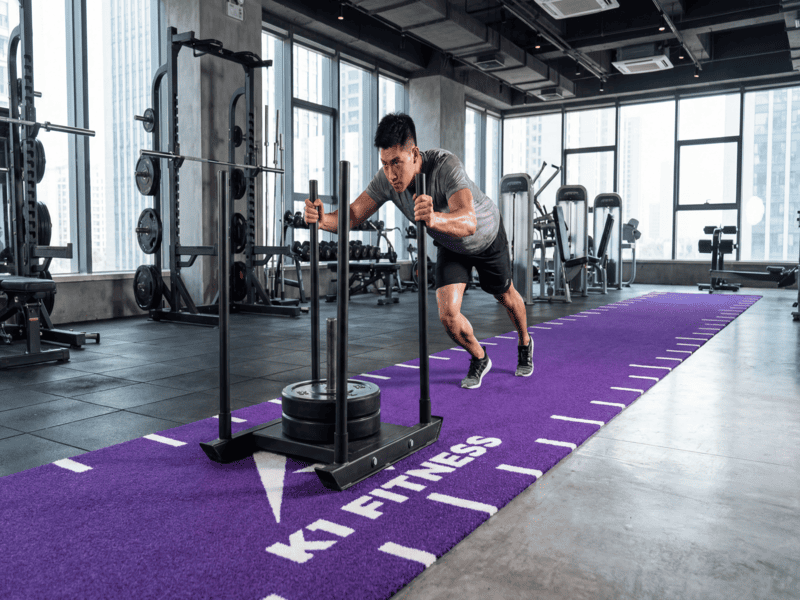
Spersonalizowana podłoga mówi Twoim członkom, że dbasz o szczegóły. Tworzy środowisko, które wygląda profesjonalnie i motywuje ludzi do osiągania jak najlepszych wyników.
Wnioski
Wysokowydajna murawa to specjalistyczne narzędzie treningowe, które zwiększa bezpieczeństwo i budowanie marki.
Gotowy do modernizacji swojego obiektu treningowego?
Nie zadowalaj się "zieloną wykładziną", gdy możesz uzyskać wydajność na poziomie inżynieryjnym. Aby pomóc Ci podjąć najlepszą decyzję dla Twojego projektu, mój zespół i ja przygotowaliśmy serię zasobów:
- Zamów bezpłatny zestaw próbek: Poczuj różnicę między podkładką PU i SBR.
- Bezpłatna konsultacja projektowa: Prześlij nam plan swojej siłowni, a my pomożemy Ci zaprojektować niestandardowy układ funkcjonalny z Twoim logo.