


Możesz wygłuszyć mieszkanie, dopasowując konkretny rodzaj hałasu - taki jak uderzeniowy, powietrzny lub echo - za pomocą rozwiązań, od szybkiego uszczelniania i listew akustycznych po podkłady podłogowe o dużej gęstości i płyty konstrukcyjne. Sukces zależy od wyboru odpowiedniej masy i materiałów tłumiących w oparciu o budżet i możliwość wykonania prac konstrukcyjnych.
Życie w mieszkaniu oznacza dzielenie środowiska akustycznego z innymi. Jako inżynier ds. badań i rozwoju specjalizujący się w matach dźwiękochłonnych i technologiach polimerowych, często widzę, jak mieszkańcy marnują pieniądze na "piankę akustyczną", aby powstrzymać ciężkie kroki sąsiada. Jest to techniczne niedopasowanie. Aby rozwiązać problemy związane z hałasem, należy najpierw określić, czy walczymy z Hałas w powietrzu (głosy, telewizja) lub Hałas uderzeniowy (kroki, upuszczanie przedmiotów). Ten przewodnik zawiera Jak wygłuszyć mieszkanie według rodzaju hałasu, kosztu i trudności w samodzielnym montażu, aby pomóc Ci inwestować tylko w to, co faktycznie działa.
Matryca szybkiego rozwiązania: Dopasuj hałas do rozwiązania
| Jeśli usłyszysz... | Typ hałasu to... | Najlepszym rozwiązaniem jest... | Trudność majsterkowania |
|---|---|---|---|
| Przytłumione głosy/TV | W powietrzu | Listwy lub płyty akustyczne | Niski - Średni |
| Kroki/tupanie | Wpływ | Podkłady o wysokiej gęstości | Średni - Wysoki |
| Echo podczas połączeń | Refleksja | Pianki akustyczne/panele 3D | Bardzo niski |
| Ruch uliczny/gwizdanie | Wycieki powietrza | Uszczelnianie i ciężkie zasłony | Bardzo niski |
Jaki jest najbardziej opłacalny sposób blokowania hałasu sąsiada?
Najbardziej opłacalnym sposobem blokowania hałasu jest wyeliminowanie "przecieków powietrza" wokół drzwi i okien przy jednoczesnym dodaniu masy do najsłabszych powierzchni. Małe szczeliny działają jak otwarte okna dla fal dźwiękowych; uszczelnienie ich może poprawić komfort akustyczny nawet o 30% przy bardzo niskich nakładach finansowych.
W akustyce często mówimy "gdzie powietrze, tam dźwięk". Nawet 1% szczelina w ramie drzwi może przepuszczać 50% hałasu. Przed zakupem drogich paneli należy użyć silikonowych uszczelniaczy o dużej gęstości lub wytrzymałych uszczelniaczy do drzwi. Jako inżynier zalecam szukanie materiałów o wysokim "oporze przepływu gazu". W przypadku ścian, jeśli nie możesz sobie pozwolić na zmiany strukturalne, dodanie Listwy akustyczne (MDF na filcu) to kolejny najlepszy krok. Płyta MDF zapewnia masę potrzebną do odbijania dźwięku, podczas gdy filcowe podłoże pochłania energię, która próbuje przez nie przejść.
Drabina budżetowa izolacji akustycznej (szacunkowe koszty)
| Poziom budżetu | Typowe rozwiązania | Oczekiwany wynik |
|---|---|---|
| Niski (50-200 GBP) | Uszczelnienia, zasłony, uszczelki do drzwi | Zauważalna redukcja "gwizdów" i ostrych szumów. |
| Średni (£200 - £800) | Listwy akustyczne, maty o wysokiej gęstości | Znaczna redukcja głosów i szumów telewizyjnych o średniej częstotliwości. |
| Wysoki (£1000+) | Płyty konstrukcyjne, podłogi pływające | Profesjonalna cisza; blokuje silne uderzenia i basy. |
Jeśli masz ograniczony budżet, zacznij od "przecieków". Jeśli hałas będzie się utrzymywał, przejdź do obróbki powierzchni, takiej jak listwy.
Jak listwy akustyczne równoważą estetykę i wydajność?
Listwy akustyczne działają poprzez połączenie dyfrakcji i absorpcji, gdzie drewniane listwy rozbijają fale dźwiękowe, a filcowe podłoże je zatrzymuje. Ten mechanizm o podwójnym działaniu jest bardzo skuteczny w redukowaniu dźwięków powietrznych o średniej częstotliwości, takich jak rozmowy, jednocześnie znacznie poprawiając atrakcyjność wizualną pomieszczenia.
Z punktu widzenia produkcji, wydajność panelu listwowego zależy od gęstość filcu PET i głębokość listew. W naszych testach laboratoryjnych odkryliśmy, że listwy rozmieszczone w odległości 13 mm od siebie tworzą idealny wzór dyfrakcyjny dla hałasu w pomieszczeniach mieszkalnych. Zapobiega to odbijaniu się dźwięku od ściany i powracaniu go do uszu. Należy jednak pamiętać: chociaż listwy są niesamowite w zatrzymywaniu echa i tłumieniu głosów, nie są rozwiązaniem "całkowitej ciszy" w przypadku silnych wibracji. Są one "zabiegiem akustycznym", który wypełnia lukę między wzornictwem a funkcjonalnością.
Wydajność listwy: Na co zwrócić uwagę
| Komponent | Specyfikacja Pro-Level | Dlaczego to ma znaczenie |
|---|---|---|
| Gęstość filcu | 1500 g/m² lub więcej | Grubsze filcowe pułapki mają więcej niskiej i średniej energii. |
| Materiał listwy | Płyta MDF o wysokiej gęstości | Gęstość równa się masie; masa równa się blokowaniu dźwięku. |
| Gap Ratio | 35% Otwarta przestrzeń | Zoptymalizowane pod kątem "rozbijania" fal dźwiękowych (dyfrakcja). |
Dla większości mieszkańców mieszkań jest to najlepszy "bezremontowy" sposób na poprawę akustyki ścian bez upodabniania pomieszczenia do studia nagraniowego.
Dlaczego podkłady o wysokiej gęstości są niezbędne w przypadku hałasu uderzeniowego?
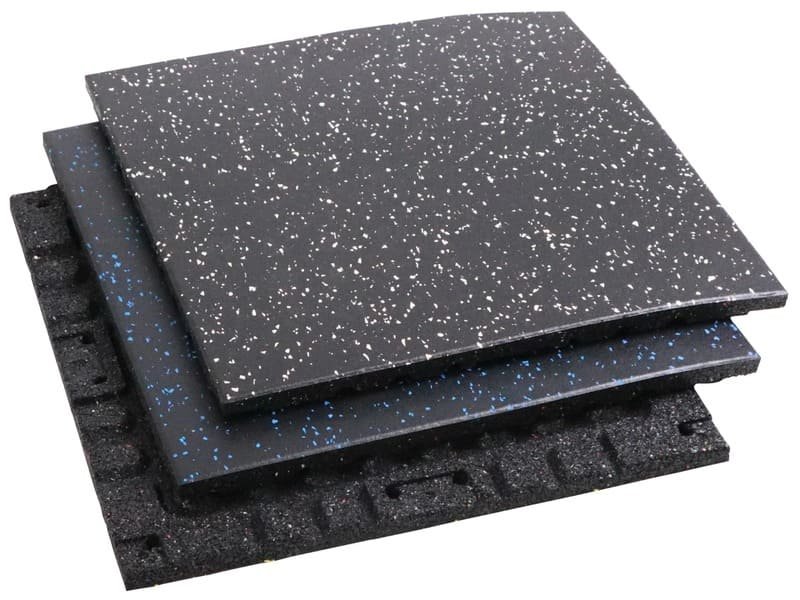
Podkłady o wysokiej gęstości są niezbędne, ponieważ zapewniają "izolację drgań", zatrzymując energię uderzeniową pochodzącą z kroków lub przesuwania mebli, zanim przedostanie się ona do konstrukcji podłogi budynku. Bez tej warstwy odsprzęgającej dźwięk przechodzi przez solidne belki stropowe i wydaje się znacznie głośniejszy dla sąsiadów poniżej.
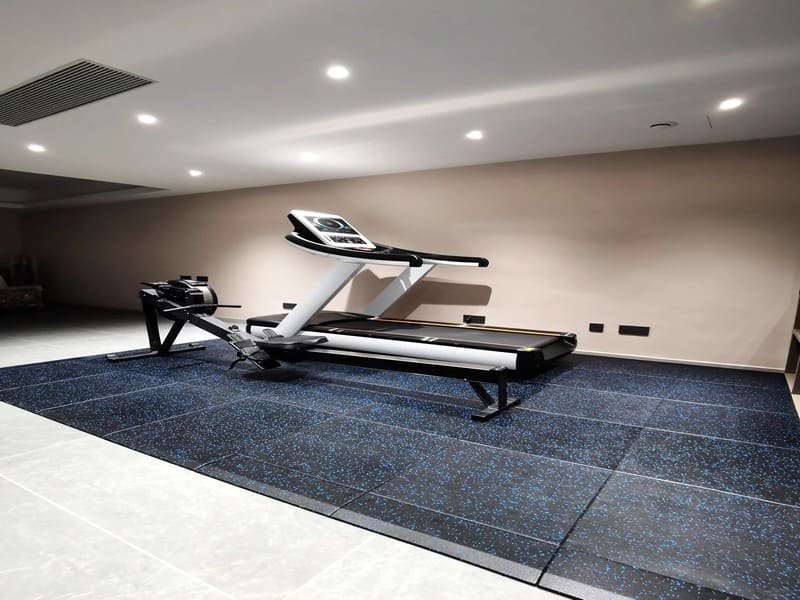
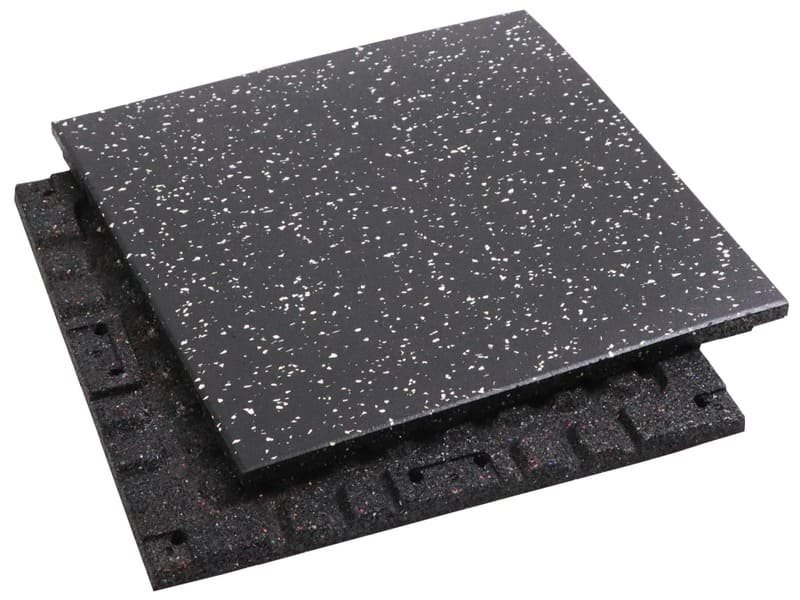
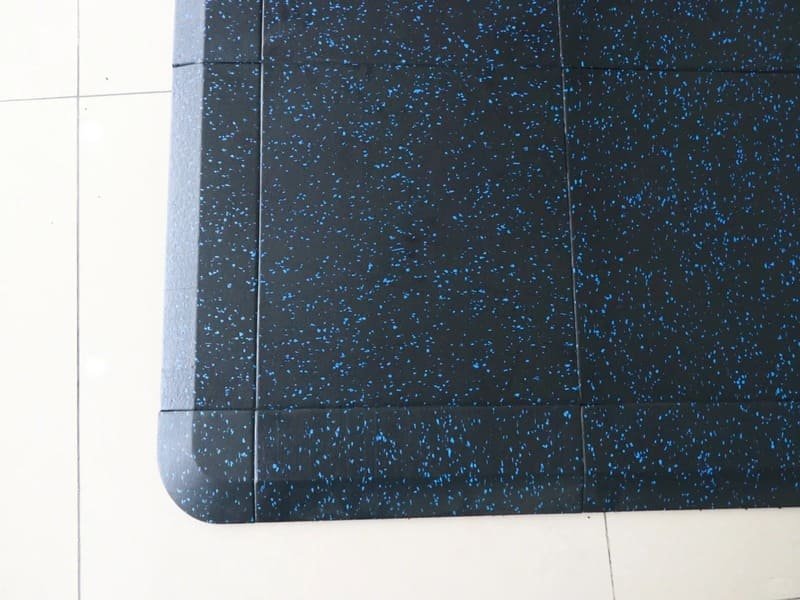
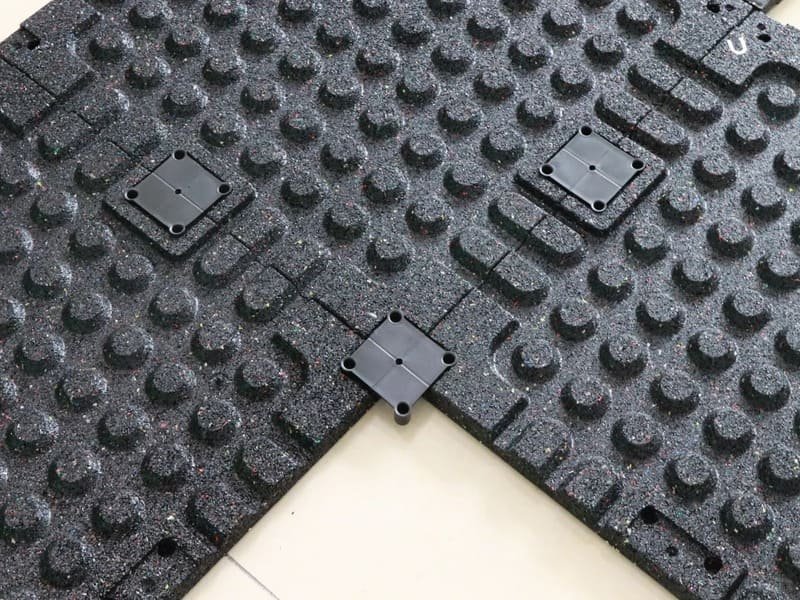
Kiedy projektuję maty wygłuszające, skupiam się na "współczynniku tłumienia". Standardowe podkłady piankowe są zbyt miękkie i uginają się pod ciężarem. Profesjonalna mata, zwykle wykonana z gumy z recyklingu lub usieciowanej pianki PE, ma integralność strukturalną, aby wspierać podłogę, pozostając jednocześnie wystarczająco elastyczną, aby pochłaniać wibracje. Jeśli instalujesz nowe panele winylowe lub laminat, jest to jedyna szansa na zatrzymanie hałasu uderzeniowego. Gdy podłoga jest już położona, naprawa hałasu uderzeniowego staje się dziesięciokrotnie droższa. Podobne zasady dotyczą Jak wygłuszyć siłownięgdzie ekstremalne wibracje wymagają wytrzymałego odsprzęgania.
Wybór materiałów według typu podłogi
| Podłogi | Zalecany podkład | Kluczowe korzyści |
|---|---|---|
| Deska winylowa (LVP) | 1,5 mm - 3 mm PE o wysokiej gęstości | Zapobiega odgłosowi "klikania"; stabilizuje stawy. |
| Laminat | Guma/włókno 3 mm - 5 mm | Dodaje masy, aby zapobiec efektowi "pustego" bębna. |
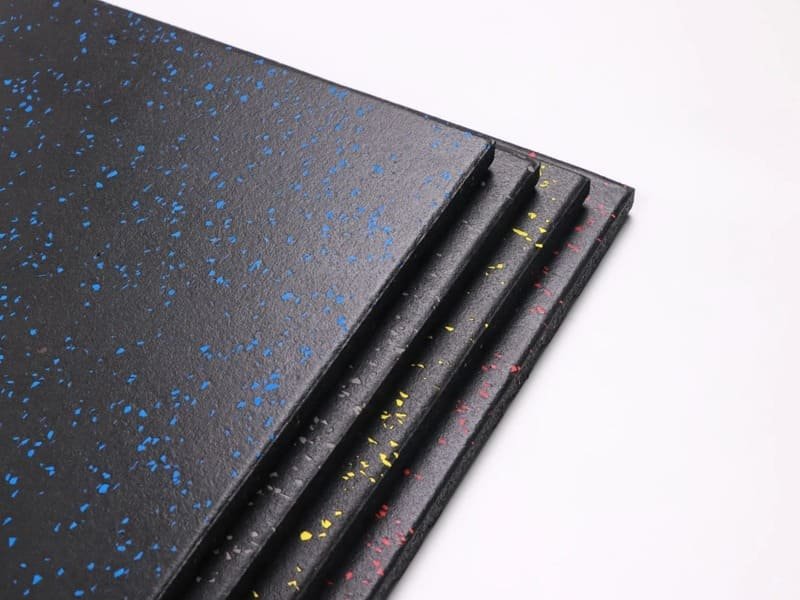
| Strefa domowej siłowni | Guma z recyklingu 10 mm+ | Maksymalne tłumienie drgań dla upuszczonych ciężarów. |
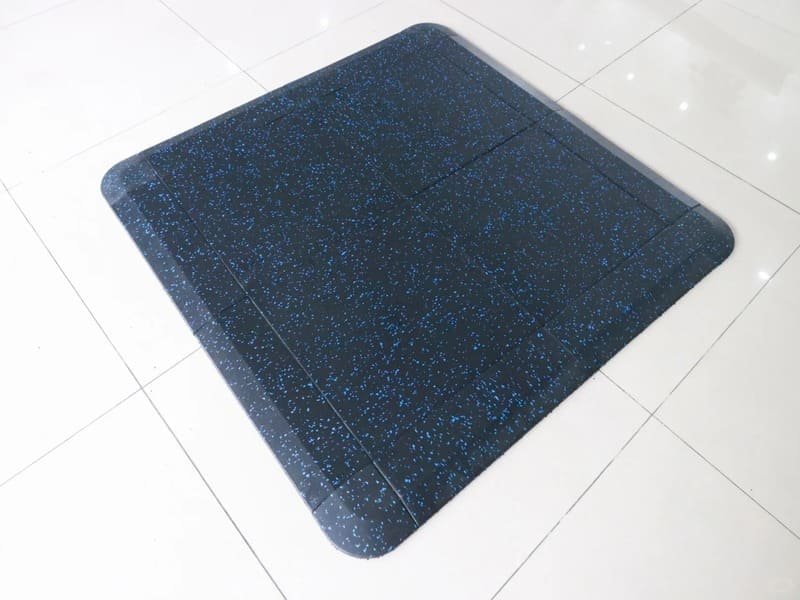
Jeśli twój sąsiad narzeka na twoje kroki lub jesteś zmęczony słyszeniem ich, rozwiązaniem jest zawsze podkład o wysokiej masie, odsprzężony.
Jakie są ograniczenia techniczne pianki akustycznej?
Technicznym ograniczeniem pianki akustycznej jest to, że radzi sobie ona jedynie z odbiciami dźwięku (echem) i ma niemal zerowy wpływ na blokowanie dźwięku przed przenikaniem przez ścianę. Pianka jest "porowatym absorberem", co oznacza, że jest doskonała do poprawy jakości dźwięku wewnątrz pomieszczenia, ale nie sprawdza się jako bariera przed hałasem zewnętrznym.
Wielu majsterkowiczów daje się złapać w pułapkę piankowego "kartonu na jajka". Jako inżynier muszę być szczery: pianka nie ma masy wymaganej do zatrzymania fali dźwiękowej. Fale dźwiękowe po prostu przechodzą przez kieszenie powietrzne w piance i uderzają w ścianę za nią. Jeśli jednak Twoim problemem jest "dudniący" pokój, w którym nie słyszysz wyraźnie telewizora z powodu echa, to pianki w kształcie 3D lub panele PET są odpowiednim narzędziem. Zwiększają one powierzchnię, aby wychwytywać energię o wysokiej częstotliwości. Jest to powszechne wymaganie dla nowoczesnego biura domowego.
Pro-Tip: Ostrzeżenie o "martwym pokoju"
Unikaj pokrywania 100% ścian pianką. Tworzy to nienaturalne, "martwe" środowisko, które może być niewygodne do życia. Należy dążyć do pokrycia 20-30% na najbardziej odbijających powierzchniach (naprzeciwko głośników lub telewizora).
W jaki sposób modernizacje strukturalne zapewniają maksymalną ciszę?
Ulepszenia strukturalne osiągają maksymalną ciszę dzięki zastosowaniu zasady "masa-powietrze-masa", która tworzy fizyczną szczelinę między dwiema ciężkimi warstwami, aby przerwać ścieżkę energii dźwiękowej. Jest to jedyny skuteczny sposób blokowania ciężkich basów lub ekstremalnego hałasu miejskiego, z którym nie radzą sobie rozwiązania powierzchniowe.
Dla tych, którzy przechodzą pełną renowację, jest to "złoty standard". Obejmuje on instalację akustycznych płyt gipsowo-kartonowych (które są znacznie gęstsze niż standardowa płyta gipsowo-kartonowa) na sprężystych kanałach lub wieszakach akustycznych. To skutecznie "unosi" nową ścianę lub sufit z dala od oryginalnej konstrukcji. W naszych testach może to zwiększyć klasę transmisji dźwięku (STC) ściany ze słabej 30 do profesjonalnej klasy 55 lub wyższej. Jest to znacząca inwestycja zarówno pod względem kosztów, jak i przestrzeni, ale zapewnia poziom spokoju, któremu maty i listwy nie mogą dorównać.
Porównanie wydajności strukturalnej
| Rozwiązanie | Utrata przestrzeni | Redukcja hałasu | Inwestycje |
|---|---|---|---|
| Listwy akustyczne | 2 cm | Umiarkowany (w powietrzu) | ££ |
| Masowo ładowany winyl | 0,5 cm | Umiarkowany (blokujący) | ££ |
| Sufit podwieszany | 10cm - 15cm | Ekstremalne (wszystkie typy) | ££££ |
Wnioski
Najlepszą strategią wygłuszającą dla mieszkania jest podejście warstwowe: najpierw uszczelnij przecieki powietrza, użyj listew lub pianki na echo w pomieszczeniu i zainwestuj w maty o dużej gęstości lub płyty strukturalne na uderzenia i silny hałas przenoszony drogą powietrzną.