


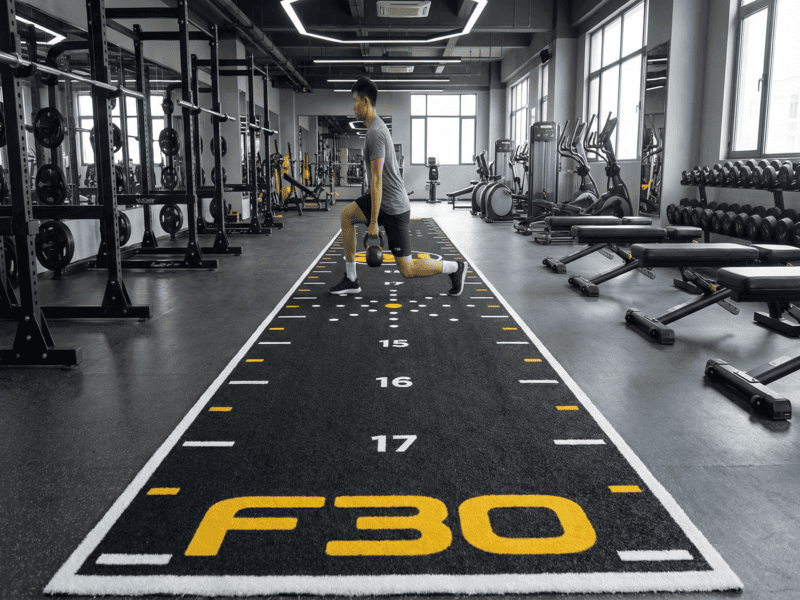
Długoterminowy koszt podłogi jest ważniejszy niż cena początkowa, ponieważ wysokiej jakości materiały zmniejszają całkowity koszt posiadania, trwając 5-10 razy dłużej. Wybór wysokiej jakości gumy lub darni zapobiega kosztownym częstym wymianom, zmniejsza nakład pracy na konserwację i chroni podłoże przed uszkodzeniem, oszczędzając tysiące dolarów w ciągu dekady.
Inwestowanie w podłogi do siłowni wymaga przejścia od postrzegania wydatków z góry do postrzegania aktywów kapitałowych. Jako inspektor kontroli jakości codziennie widzę w laboratorium wewnętrzne awarie tanich produktów. Tania gumowa mata może zaoszczędzić $4 za stopę kwadratową dzisiaj, ale jeśli zawiedzie za dwa lata, musisz zapłacić za nowe materiały, wysyłkę, robociznę przy usuwaniu i przestoje w obiekcie. Cykl ten powtarza się, podczas gdy wulkanizowana podłoga o wysokiej gęstości pozostaje na miejscu przez ponad dziesięć lat. Prawdziwą wartość oblicza się, dzieląc całkowity koszt przez lata użytkowania. Jeśli patrzysz tylko na "cenę na naklejce", ignorujesz "ukryty wyciek" cykli wymiany, dlatego identyfikacja Rzeczywisty koszt gumowych podłóg do siłowni w 2026 r. to pierwszy krok w kierunku zrównoważonego modelu biznesowego. Podłogi premium zapewniają lepszą absorpcję wstrząsów i stałą gęstość, które mają kluczowe znaczenie dla ochrony zarówno sportowców, jak i betonowej podstawy przed dużymi siłami uderzeniowymi.
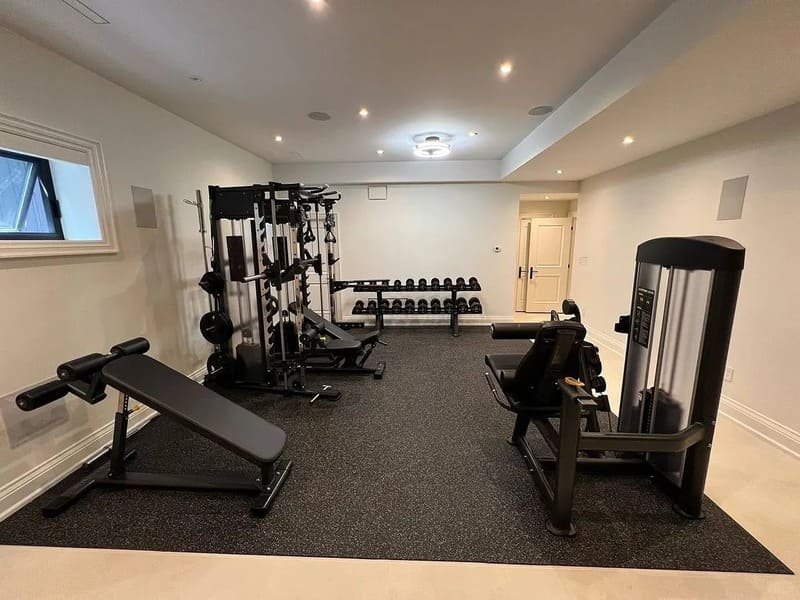
Zakup taniej podłogi często wydaje się wygraną na etapie budowy, ale prawdziwy koszt ujawnia się w pierwszym roku intensywnego użytkowania.
Czy "pułapka ceny początkowej" szkodzi długoterminowemu zwrotowi z inwestycji?
Początkowa pułapka cenowa szkodzi zwrotowi z inwestycji, ponieważ tanie materiały wymuszają cykl wymiany, który kosztuje 300% więcej niż pojedyncza instalacja premium przez dziesięć lat. Przejście na długoterminową perspektywę pozwala traktować podłogę jako trwały zasób, który utrzymuje swoją wartość i wydajność w czasie.
Kiedy sprawdzam niskobudżetowe siłownie dla początkujących, widzę rezultaty "pułapki ceny początkowej" w ciągu kilku miesięcy. Właściciele często wybierają opcję $2 na stopę kwadratową zamiast opcji $6, aby zaoszczędzić pieniądze na sprzęcie. Jednak zwrot z inwestycji (ROI) w podłogę jest powiązany z jej żywotnością i zdolnością do ochrony obiektu. Wysokiej jakości gumowe wykładziny podłogowe wykorzystują doskonałe spoiwa i wulkanizację wysokociśnieniową. Proces ten tworzy gęstą, nieporowatą powierzchnię, która jest odporna na zużycie.
Różnica finansowa między wydatkami a aktywami
| Czynnik finansowy | Tani "wydatek" | Premium "Asset" |
|---|---|---|
| Stawka amortyzacji | Bardzo wysoka (szybkie zużycie) | Niski (utrzymuje gęstość) |
| Częstotliwość wymiany | Co 2-3 lata | Co 10-15 lat |
| Wartość aktywów | Nieistotne po 12 miesiącach | Wysoka wydajność przez dekadę |
Z technicznego punktu widzenia podłoga premium jest rozwiązaniem inżynieryjnym. Z mojego doświadczenia wynika, że mata wulkanizowana o grubości 10 mm zapewnia lepszą redukcję siły niż mata z miękkiej gumy o grubości 15 mm. Oznacza to lepszą wydajność przy mniejszej wadze materiału. Jeśli postrzegasz podłogę jako jednorazową inwestycję, a nie powtarzający się koszt, bilans twojego obiektu wygląda znacznie zdrowiej w okresie pięciu lat.
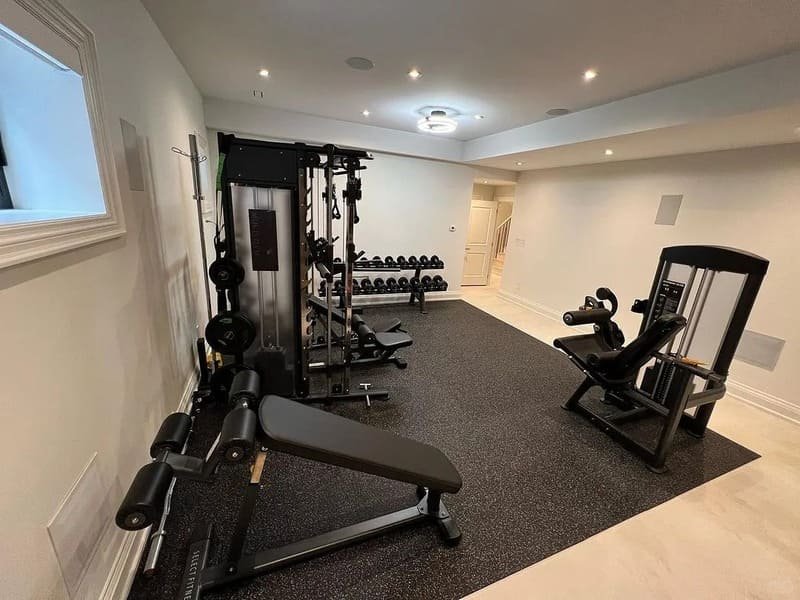
Zrozumienie psychologii zakupu to tylko pierwszy krok; następnie musimy przyjrzeć się fizycznym awariom, które podnoszą koszty.
Jakie są ukryte koszty podłóg gumowych niskiej jakości?
Ukryte koszty obejmują przedwczesne kruszenie się, pęknięcia podłoża i zagrożenia dla bezpieczeństwa wynikające z podwijania się krawędzi. Słabej jakości guma uwalnia również silne zapachy (LZO), które odstraszają członków, a niska absorpcja wstrząsów prowadzi do kosztownych napraw płyty betonowej pod matami po ciężkim podnoszeniu.
Jako specjalista ds. kontroli jakości wykonuję "testy ciągnięcia" na próbkach gumy. Tania guma z recyklingu często zawodzi, ponieważ klej lub spoiwo są niewystarczające. Prowadzi to do "zrzucania", gdzie czarne ziarna gumy rozprzestrzeniają się po sali gimnastycznej. To nie tylko bałagan; to podłoga, która dosłownie się rozpada. Co więcej, tanie maty często mają wysoki poziom LZO (lotnych związków organicznych). Powoduje to powstawanie chemicznego zapachu, którego nie usunie żaden system wentylacji.
Awarie techniczne w gumie niskiej jakości
| Tryb awarii | Przyczyna | Wpływ |
|---|---|---|
| Wżery/kruszenie | Niska jakość spoiwa | Ryzyko potknięcia i zapylone powietrze |
| Pękanie podłoża | Niska gęstość | $5,000+ rachunków za naprawę betonu |
| Zawijanie krawędzi | Słaba stabilność wymiarowa | Odpowiedzialność i ryzyko obrażeń |
Przeprowadziłem kiedyś inspekcję obiektu, w którym używano 8-milimetrowych mat "ekonomicznych" w strefie martwego ciągu. W ciągu sześciu miesięcy beton pod spodem miał pęknięcia w kształcie pajęczyny. Zaoszczędzono $1,000 na podłodze, ale wydano $6,000 na naprawę płyty i specjalistyczną robociznę. Mata o wysokiej gęstości i twardości 60-65 w skali Shore'a A pochłonęłaby tę energię. Kontrola jakości gwarantuje, że materiał poradzi sobie z konkretnymi dżulami energii wytwarzanej przez upadek 200 kg.
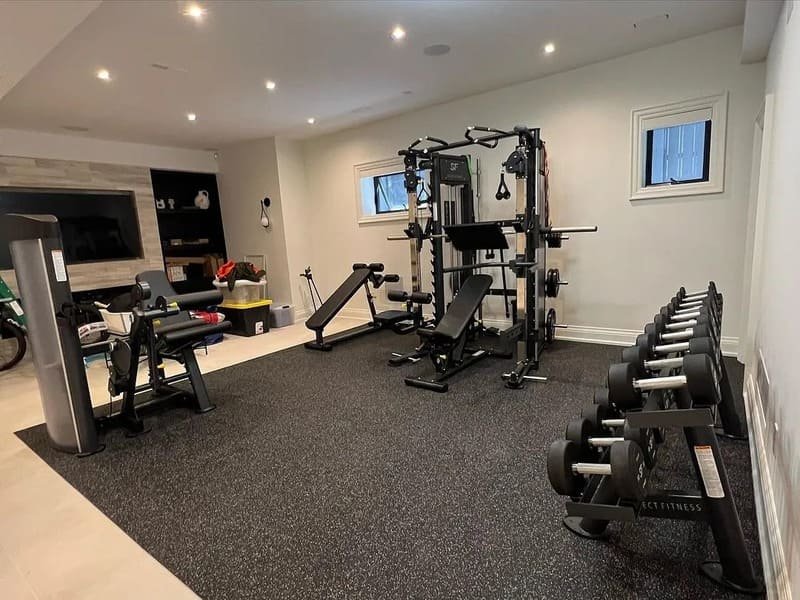
Guma to tylko połowa historii; murawa do siłowni ma swój własny zestaw pułapek technicznych, które mogą wyczerpać budżet, jeśli wybierzesz niewłaściwy stos.
Dlaczego tania murawa do siłowni tak szybko zawodzi?
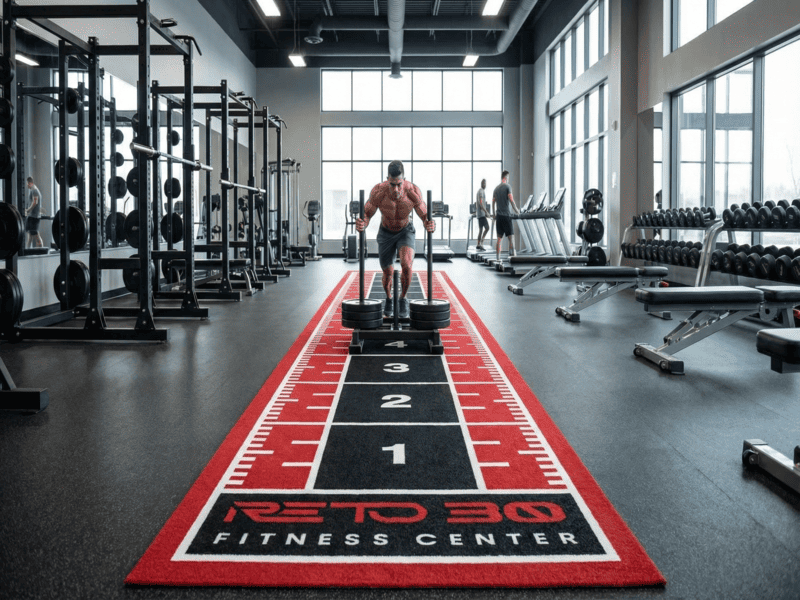
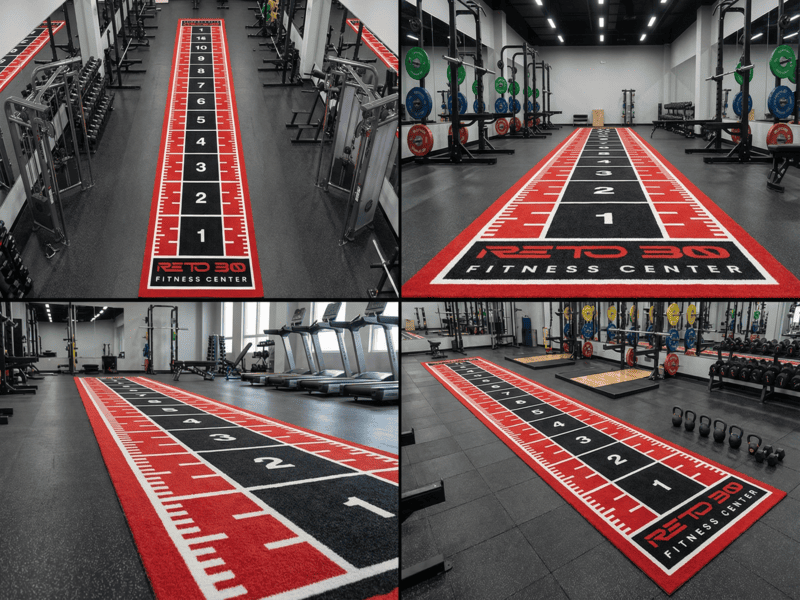
Tania murawa zawodzi, ponieważ włókna o niskiej gęstości spłaszczają się pod wpływem pracy sań, a cienki spód prowadzi do oddzielania się szwów. Gorsza murawa powoduje również oparzenia skóry spowodowane tarciem i zrzuca plastikowe włókna, tworząc śliską i niebezpieczną powierzchnię, która wymaga ciągłego ponownego klejenia i konserwacji.
W moim laboratorium testowym patrzę na "masę powierzchniową" i "szybkość ściegu" murawy. Trawa niskiej jakości ma niski współczynnik ściegu, co oznacza, że między plastikowymi ostrzami jest więcej miejsca. Gdy ciężkie sanki przejeżdżają po niej, włókna układają się płasko i nigdy się nie podnoszą. Nazywa się to "matowieniem". Gdy murawa zmatowieje, traci przyczepność i staje się zagrożeniem dla poślizgu.
Standardy wydajności dla profesjonalnej murawy
| Specyfikacja | Budget Turf | Klasa profesjonalna |
|---|---|---|
| Materiał włóknisty | Polipropylen ścierny | Miękki polietylen |
| Typ podkładu | Cienki lateks | Wielowarstwowy poliuretan |
| Wytrzymałość sanek | Słaby (włókna topią się/rozrywają) | Wysoki (stabilizowany UV/odporny na rozdarcia) |
Uszkodzenie szwu to najczęstszy "ukryty koszt", z jakim spotykam się w terenie. Gdy murawa nie jest zaprojektowana pod kątem siły bocznej, jej podłoże rozciąga się. Powoduje to rozciągnięcie szwów, tworząc luki, które potykają klientów. Ponowne oklejanie lub klejenie tych szwów jest rozwiązaniem tymczasowym. Profesjonalna murawa wykorzystuje wzmocnione podłoże pierwotne i wtórne, aby zapewnić stabilność wymiarów nawet pod ciężarem sań o masie 400 funtów.
Fizyczne awarie są oczywiste, ale spójrzmy na rzeczywistą matematykę, aby zobaczyć, jak liczby sumują się w ciągu dekady.
W jaki sposób "Replacement Math" udowadnia wartość Premium?
Matematyka wymiany pokazuje, że wybór opcji premium pozwala zaoszczędzić ponad 50% całkowitych kosztów w ciągu dziesięciu lat. Chociaż początkowy zakup jest wyższy, unikasz drugorzędnych i trzeciorzędnych kosztów pracy, wysyłki i utraconych przychodów podczas dwóch lub trzech cykli wymiany wymaganych przez tanie materiały.
Przyjrzyjmy się obiektowi o powierzchni 2000 stóp kwadratowych. Jeśli kupisz gumę "Economy" w cenie $3/mkw. wydasz $6,000. Jeśli ta podłoga wytrzyma 3 lata, kupisz ją 3,3 razy w ciągu 10 lat. To daje $19,800 w samych materiałach. Jeśli kupisz wulkanizowaną gumę "Premium" w cenie $8/m², wydasz $16,000 raz. Oszczędzasz prawie $4,000 na materiałach, a dodatkowo unikasz kosztów robocizny trzech oddzielnych instalacji.
Tabela porównawcza 10-letnich kosztów
| Pozycja wydatków | Wybór ekonomiczny (3 cykle) | Premium Choice (1 cykl) |
|---|---|---|
| Materiał początkowy | $6,000 | $16,000 |
| Wymiana 1 (rok 3) | $7,000 (inflacja) | $0 |
| Wymiana 2 (rok 6) | $8,000 (inflacja) | $0 |
| Usuwanie i utylizacja | $3,000 | $0 |
| Całkowite wydatki w ciągu 10 lat | $24,000 | $16,000 |
Ta matematyka nie obejmuje nawet "kosztu alternatywnego". Poza samym materiałem, zrozumienie Jak gumowe podłoże pozwala obniżyć długoterminowe koszty napraw zapewnia dodatkową warstwę ochronną dla fundamentów obiektu. Za każdym razem, gdy wymieniasz podłogę, musisz zamknąć siłownię na 3-5 dni. Jeśli dzienny przychód wynosi $500, oznacza to utratę kolejnych $1,500 do $2,500 na cykl. Kiedy sprawdzam podłogi premium po pięciu latach użytkowania, często wyglądają one jak nowe. Podłogi ekonomiczne, które widzę po pięciu latach, zwykle trafiają na śmietnik.
Oprócz kosztów wymiany, należy wziąć pod uwagę codzienną pracę wymaganą do utrzymania podłogi w czystości i funkcjonalności.
Czy prace konserwacyjne wpływają na budżet na podłogi?
Tak, nakłady na konserwację są znaczącym, powtarzającym się kosztem, ponieważ porowata, niskiej jakości guma zatrzymuje brud i bakterie, wymagając więcej środków chemicznych i ręcznego szorowania. Nieporowata podłoga o dużej gęstości jest łatwiejsza do zmywania i dłużej pozostaje czysta, zmniejszając tygodniowy czas pracy personelu.
Z perspektywy kontroli jakości patrzę na "porowatość powierzchni". Jeśli upuścisz kropelkę wody na tanią gumę, wsiąknie ona w nią. Oznacza to, że pot, mocz i rozlane koktajle proteinowe również wsiąkają. Tworzy to trwały zapach i pożywkę dla bakterii. Twój personel spędzi wiele godzin próbując dogłębnie wyczyścić podłogę, która została zaprojektowana do zatrzymywania brudu.
Porównanie wydajności czyszczenia
| Cecha | Guma o niskiej gęstości | Wulkanizowane o wysokiej gęstości |
|---|---|---|
| Tekstura powierzchni | Otwarte komórki (porowate) | Zamknięte komórki (nieporowate) |
| Metoda czyszczenia | Intensywne szorowanie / ekstrakcja | Prosty wilgotny mop |
| Użycie chemikaliów | Wysoki (środki dezynfekujące) | Niski |
Jeśli pracownicy spędzają dodatkowe 30 minut dziennie na czyszczeniu "trudnej" podłogi, oznacza to 182 godziny rocznie. Przy stawce $15 za godzinę, oznacza to $2,730 kosztów pracy każdego roku tylko po to, aby walczyć z powierzchnią niskiej jakości. W ciągu dziesięciu lat wydałeś $27,300 tylko na robociznę związaną z czyszczeniem. Wysokiej jakości podłoga o zamkniętej strukturze komórkowej zwraca się po prostu dzięki łatwości czyszczenia.
Wreszcie, musimy rozważyć, w jaki sposób podłoga wpływa na ludzi, którzy faktycznie płacą rachunki: członków.
Jak jakość podłóg wpływa na przychody?
Podłogi wpływają na przychody, wpływając na zatrzymanie członków poprzez estetykę, zapach i tłumienie dźwięków. Siłownia, która pachnie chemikaliami lub ma łuszczącą się murawę, wygląda nieprofesjonalnie, powodując, że członkowie odchodzą do obiektów premium, które oferują bezpieczniejsze, czystsze i cichsze środowisko.
Członkowie klubu zwracają uwagę na podłogę bardziej niż na jakikolwiek inny sprzęt. Jest to powierzchnia, na której stoją, na której kładą się podczas treningu core i na którą zrzucają ciężary. W moich badaniach terenowych odkryłem, że akustyka odgrywa ogromną rolę w zadowoleniu użytkowników. Tania podłoga nie tłumi dobrze dźwięku. "Huk" sztangi na cienkiej gumie jest drażniący i wysoki. Wysokiej jakości guma o wysokiej twardości Shore'a i określonej grubości przekształca ten "huk" w tępy "łomot".
Wpływ sensoryczny na członków
| Czynnik sensoryczny | Podłoga niskiej jakości | Wysokiej jakości podłoga |
|---|---|---|
| Zapach | Silna siarka/chemikalia | Neutralny/Czysty |
| Dźwięk | Głośne echo/wibracje | Wyciszony/wchłonięty |
| Dotyk | Szorstki/ścierny | Twardy/Gładki |
Jeśli członek klubu uważa, że podłoga jest brudna lub brzydko pachnie, nie przedłuży umowy. Jeśli sąsiad skarży się na hałas i wibracje, miasto może zmusić cię do zamknięcia lokalu. Są to ogromne zagrożenia dla przychodów. Wysokiej jakości podłoga działa jak cichy partner w Twojej firmie, zapewniając, że środowisko pozostaje profesjonalne i zachęcające dla każdego, kto do niego wejdzie.
Wnioski
Wysokiej jakości podłoga to jednorazowa inwestycja, która pozwala uniknąć wieloletnich ukrytych kosztów, zagrożeń dla bezpieczeństwa i utraconych przychodów.
Moje spostrzeżenia
Jako specjalista ds. kontroli jakości widziałem setki obiektów, które próbowały zaoszczędzić pieniądze na "podkładzie", tylko po to, by zapłacić potrójną cenę za naprawy. Moje testy wykazały, że gęstość i jakość spoiwa są dwoma najważniejszymi czynnikami dla gumy, podczas gdy wytrzymałość podłoża jest najważniejsza dla murawy. Jeśli obecnie planujesz budowę obiektu lub chcesz go zmodernizować, nasz zespół może pomóc Ci przeanalizować specyfikacje techniczne, aby znaleźć właściwą równowagę dla określonych poziomów ruchu.
Chcesz przekonać się o trwałości naszych materiałów? Możemy wysłać bezpłatny zestaw próbek do Twojego obiektu lub dostarczyć niestandardową wycenę na podstawie powierzchni i potrzeb użytkowych. [Skontaktuj się z naszym zespołem technicznym tutaj], aby rozpocząć.