


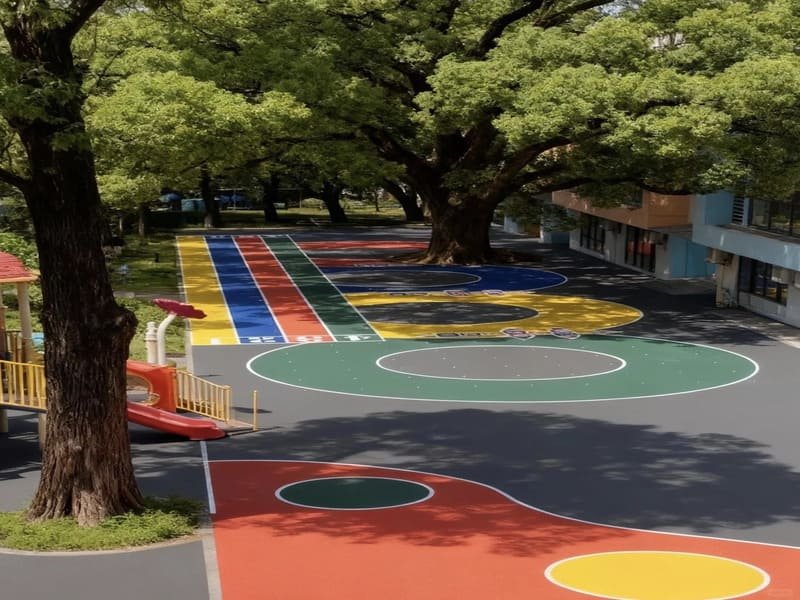
Podłogi gumowe EPDM są trwałe i antypoślizgowe, ale nie wymagają konserwacji; należy używać środków czyszczących o neutralnym pH i narzędzi z miękkim włosiem, aby zapobiec stwardnieniu i przebarwieniom. Regularne czyszczenie usuwa brud uwięziony w porowatych granulkach, zapewniając trwałość inwestycji przez lata bez utraty granulek.

Przez lata pracy jako wykonawca podłóg widziałem, jak wielu kierowników obiektów zakładało, że "odporny na warunki atmosferyczne" oznacza "samoczyszczący". Jest to kosztowny błąd. Podczas gdy EPDM (monomer etylenowo-propylenowo-dienowy) jest niezwykle odporny na promienie UV i zużycie fizyczne, jego porowata struktura jest mieczem obosiecznym. Tekstura, która zapewnia doskonałą odporność na poślizg, działa również jako pułapka dla drobnego pyłu, olejków skórnych i brudu środowiskowego. Pozostawione bez kontroli, zanieczyszczenia te ścierają spoiwo poliuretanowe jak papier ścierny za każdym razem, gdy ktoś po nim chodzi. Z biegiem czasu nie tylko sprawia to, że podłoga wygląda matowo; fizycznie degraduje to wiązanie między granulkami. W tym przewodniku przedstawię dokładne protokoły, których używam w moich miejscach pracy, aby utrzymać te powierzchnie w nieskazitelnym stanie.
Teraz, gdy rozumiemy już stawkę, przyjrzyjmy się nauce stojącej za tym, dlaczego ten materiał wymaga delikatnego dotyku.
Dlaczego guma EPDM wymaga specjalnej pielęgnacji?
Podłogi EPDM składają się z granulek gumy syntetycznej połączonych spoiwem poliuretanowym, które może zostać rozpuszczone przez ostre rozpuszczalniki lub środki czyszczące na bazie oleju. Należy zachować szczególną ostrożność, ponieważ użycie niewłaściwych środków chemicznych spowoduje uszkodzenie spoiwa, prowadząc do poluzowania granulek i trwałego uszkodzenia powierzchni.
Aby zrozumieć, jak ją czyścić, trzeba zrozumieć, jak ją budujemy. Kiedy mój zespół instaluje plac zabaw na mokro lub podłogę sali gimnastycznej, zasadniczo mieszamy gumowe "kamienie" z płynnym klejem (spoiwem). Po utwardzeniu klej jest stały. Klej ten jest jednak wrażliwy chemicznie.
Wrażliwość spoiwa
Sama guma jest wytrzymała, ale spoiwo jest słabym ogniwem, jeśli chodzi o odporność chemiczną. Jakie wskaźniki definiują wysokowydajną podłogę sportową. Odwiedziłem miejsca, w których właściciele używali terpentyny lub benzyny do usuwania rozlanej farby, a tydzień później podłoga zamieniała się w lepki bałagan. To jest rozpuszczanie spoiwa.
Porowatość i drenaż
Na zewnątrz EPDM został zaprojektowany tak, aby był przepuszczalny, dzięki czemu woda przez niego przepływa. Oznacza to, że jeśli brud dostanie się do porów bez ich wypłukania, pozostanie tam i będzie sprzyjał rozwojowi mchu. Wewnątrz pomieszczeń, gęste gumowe rolki są mniej porowate, ale nadal mają teksturę. Mopy bawełniane strzępią się. Należy zrozumieć te cechy fizyczne, aby wybrać odpowiednią metodę.

| Cecha | Wpływ na czyszczenie |
|---|---|
| Struktura granulek | Wymaga delikatnego mieszania w celu usunięcia brudu ze szczelin. |
| Spoiwo poliuretanowe | Nie toleruje ostrych rozpuszczalników, kwasów i olejów. |
| Porowata powierzchnia | Może zatrzymywać pozostałości mydła, jeśli nie zostanie dokładnie spłukany. |
Skoro znamy już ograniczenia materiału, zbierzmy bezpieczne narzędzia i środki potrzebne przed rozpoczęciem pracy.
Jakich narzędzi i środków czyszczących należy używać?
Należy używać miękkich szczotek nylonowych, mopów z mikrofibry i środków czyszczących o neutralnym pH, aby skutecznie czyścić gumę EPDM bez uszkadzania tekstury powierzchni. Unikaj szczotek drucianych, rozpuszczalników na bazie oleju i ostrych kwasów, ponieważ zniszczą one gumę i rozbiją wiązania chemiczne.
Zawsze powtarzam moim klientom: jeśli narzędzie jest wystarczająco twarde, aby zarysować lakier samochodu, nie używaj go na gumowej podłodze. Celem jest mieszanie brudu, a nie szorowanie gumy.
Lista niezbędnego sprzętu
W przypadku czyszczenia mechanicznego należy natychmiast wyrzucić szczotki druciane. Zniszczą one powierzchnię. Zamiast tego zainwestuj w:
- Miękka nylonowa szczotka do pokładu: Idealny do mieszania.
- Odkurzacz na mokro/sucho: Niezbędny w siłowniach wewnętrznych do zasysania brudnej wody.
- Dmuchawa do liści: Najlepszy sposób na usuwanie suchych zanieczyszczeń na zewnątrz.
- Myjka ciśnieniowa: Tylko jeśli masz regulowaną dyszę (utrzymuj ją poniżej 3000 PSI, najlepiej 1500-2000 PSI).

Bezpieczne i niebezpieczne substancje chemiczne
Chemia ma tutaj znaczenie. Chcemy neutralnego pH (około 7).
| Kategoria | Użyj tego ✅ | Unikaj tego ❌ | Dlaczego? |
|---|---|---|---|
| Daily Cleaner | Środek do czyszczenia podłóg o neutralnym pH | Wybielacz / amoniak | Wysokie pH odbarwia granulki. |
| Odtłuszczacz | Odtłuszczacz na bazie wody | Benzyna / terpentyna | Rozpuszczalniki rozpuszczają spoiwo. |
| Narzędzie do szorowania | Biała lub czerwona podkładka buforowa | Czarna podkładka do zdejmowania izolacji | Materiały ścierne usuwają materiał. |
Mając gotowy zestaw narzędzi, przejdźmy do właściwego procesu dla obszarów zewnętrznych, takich jak place zabaw i patia.
Jak prawidłowo czyścić zewnętrzne powierzchnie EPDM?
Aby wyczyścić EPDM na zewnątrz, usuń luźne zanieczyszczenia za pomocą dmuchawy, nałóż roztwór mydła o neutralnym pH, wyszoruj miękką szczotką pokładową i dokładnie umyj za pomocą końcówki wentylatora pod niskim ciśnieniem. Prawidłowe płukanie ma kluczowe znaczenie dla zapobiegania gromadzeniu się mydła, które przyciąga więcej brudu.
Powierzchnie zewnętrzne są narażone na najtrudniejsze warunki: Promieniowanie UV, deszcz i zanieczyszczenia organiczne. Proces czyszczenia jest tutaj agresywny, ale kontrolowany.
Protokół Outdoor krok po kroku
- Usuwanie suchych zanieczyszczeń: Zawsze zaczynam od dmuchawy do liści o dużej mocy. Jeśli dodasz wodę do liści i piasku, stworzysz tylko ścierne błoto. Najpierw usuń suche rzeczy.
- Namaczanie i mydło: Dokładnie zwilż obszar. Zastosuj środek czyszczący o neutralnym pH zmieszany z ciepłą wodą. Pozostaw na 5 minut - ale nie pozwól mu wyschnąć. Ten czas pozwala mydłu na rozbicie wiązań brudu.
- Pobudzenie: W tym miejscu pojawia się smar łokciowy. Użyj miękkiej szczotki. Nie musisz mocno naciskać; włosie wykona całą pracę.
- Technika Power Wash: To właśnie tutaj większość ludzi popełnia błędy.
- Odległość: Trzymaj różdżkę w odległości 12 cali od podłogi.
- Kąt: Używaj 40-stopniowej końcówki wachlarzowej (zazwyczaj białej lub zielonej). Nigdy nie używaj czerwonej końcówki 0 stopni; przetnie ona linię bezpośrednio przez gumę.
- Ciśnienie: Utrzymuj go na niskim poziomie. Jeśli zauważysz czarne granulki unoszące się w górę, natychmiast przestań. Niszczysz podłogę.

Pomieszczenia zewnętrzne mogą poradzić sobie z wodą, ale siłownie wewnętrzne wymagają innego podejścia, aby uniknąć zalania i nieprzyjemnych zapachów.
Jaka jest najlepsza metoda dla wewnętrznych podłóg EPDM do siłowni?
W przypadku siłowni wewnętrznych należy dokładnie odkurzyć, aby usunąć kurz, a następnie umyć wilgotnym mopem z mikrofibry przy użyciu neutralnego środka czyszczącego, często zmieniając wodę. W przypadku dużych powierzchni komercyjnych użyj automatycznej szorowarki z miękką nakładką do jednoczesnego czyszczenia i odsysania wody.
Podłogi gumowe w salach gimnastycznych (zwykle guma w rolkach lub płytki) nie mają drenażu takiego, jak mokra podłoga na zewnątrz. Zarządzanie wodą jest tutaj najwyższym priorytetem, aby zapobiec powstawaniu pleśni pod podłogą.
Zasada "wilgotno, nie mokro"
Największym problemem, jaki widzę w siłowniach, jest metoda "slop and mop". Nie można zalewać tych podłóg. Woda może przedostać się do szwów, zostać uwięziona pod spodem i spowodować oderwanie kleju.
- Najpierw odkurzanie: Guma chwyta kłaczki. Zamiatanie tylko je rozpycha. Mocny odkurzacz nie podlega negocjacjom.
- Microfiber Magic: Bawełniane mopy zaczepiają się o gumową teksturę i pozostawiają kłaczki. Używaj płaskiego mopa z mikrofibry.
- Szorowarki automatyczne: Jeśli zarządzasz obiektem o powierzchni większej niż 1000 stóp kwadratowych, kup lub wynajmij automatyczną szorowarkę. Użyj czerwonego pada (do polerowania) lub białego pada (miękkiego). Ta maszyna spuszcza wodę, szoruje ją i zasysa z powrotem w jednym przejściu. Jest to najbezpieczniejszy sposób czyszczenia gumy.
- Wentylacja: Natychmiast włącz wentylatory. Podłoga ma wyschnąć w ciągu 10 minut.

Rutynowe czyszczenie radzi sobie z kurzem, ale co z gumą, olejem lub rdzą? Zajmijmy się trudnymi rzeczami.
Jak usunąć trudne plamy bez uszkodzeń?
Usuń gumę, zamrażając ją lodem i odłupując; natychmiast usuń plamy oleju za pomocą bezpiecznego środka odtłuszczającego; i postępuj z mchem za pomocą specjalnych biocydów bezpiecznych dla gumy. Zawsze należy najpierw przetestować środki chemiczne w niewidocznym miejscu, aby upewnić się, że nie wybielają koloru.
Wypadki się zdarzają. Gdy tak się stanie, szybkość jest najlepszym przyjacielem. Im dłużej substancja znajduje się na EPDM, tym bardziej prawdopodobne jest jej trwałe zabrudzenie.
Tabela rozwiązywania problemów z plamami
| Rodzaj plamy | Zalecane działanie | Środki ostrożności |
|---|---|---|
| Guma do żucia | Nałożyć lód lub zamrażacz w aerozolu. Po stwardnieniu odłupać plastikowym skrobakiem. | Nigdy nie używaj metalowych skrobaków, ponieważ wyżłobią one gumę. |
| Smar / Olej | Nałóż niewielką ilość płynu do naczyń lub łagodnego środka odtłuszczającego. Delikatnie wyszorować. | Nie pozwól, aby olej stał; zmiękcza spoiwo. |
| Mech / Glony | Użyj komercyjnego środka do zwalczania mchu oznaczonego jako "bezpieczny dla placów zabaw". | Należy unikać piaskowania pod wysokim ciśnieniem, które uszkadza powierzchnię. |
| Odciski butów | Delikatnie pocierać czystą, suchą piłeczką tenisową na patyku. | Magiczne gumki również działają, ale mogą zmatowić wykończenie, jeśli są nadużywane. |
Miałem kiedyś klienta, który próbował roztopić gumę opalarką. Zamiast tego stopił podłogę. Zamrażanie to jedyny sposób.
Teraz, gdy możemy poradzić sobie z sytuacjami awaryjnymi, ustalmy harmonogram, aby utrzymać podłogę w dobrym stanie.
Jaki jest zalecany harmonogram konserwacji?
Należy wprowadzić rutynowe codzienne usuwanie suchych zanieczyszczeń, cotygodniowe mycie wilgotnym mopem lub płukanie i comiesięczne gruntowne czyszczenie roztworem o neutralnym pH. W przypadku obszarów o dużym natężeniu ruchu zalecane są coroczne profesjonalne inspekcje w celu wczesnego wykrycia luźnych granulek lub śladów zużycia.
Konserwacja jest tańsza niż wymiana, pomagając w pełni wykorzystać Jakie są zalety gumowych podłóg EPDM przez cały okres użytkowania. Dobrze utrzymana powierzchnia EPDM może wytrzymać 10-15 lat. Zaniedbana może zawieść w ciągu 5 lat.
Protokół długowieczności
- Codziennie: Zamiataj lub dmuchaj. Brud działa jak papier ścierny pod butami. Usunięcie piasku to 90% całej bitwy.
- Co tydzień: Wilgotnym mopem (w pomieszczeniach) lub wężem (na zewnątrz). Usuwa to drobny pył, który sprawia, że kolory wyglądają matowo.
- Miesięcznie: To jest "głębokie czyszczenie". Użyj roztworu mydła. Mieszaj szczotką. Zresetuj powierzchnię.
- Rocznie: Sprawdź krawędzie. Na placach zabaw szukaj "utraty granulek" pod huśtawkami lub zjeżdżalniami. To właśnie tam dochodzi do zużycia w pierwszej kolejności. Jeśli zauważysz to wcześnie, możemy wykonać naprawę. Jeśli zaczekasz, dziura stanie się zbyt duża, aby łatwo ją załatać.
Jakich typowych błędów należy unikać?
Unikaj używania zbyt dużej ilości mydła, które pozostawia lepką pozostałość; ignorowania problemów z drenażem, które prowadzą do gnicia; oraz używania gorącej wody na woskowanych wykończeniach. Błędy te przyciągają więcej brudu, niszczą spoiwo i rujnują estetykę podłogi.
Najczęstsza skarga, jaką otrzymuję, brzmi: "Moja podłoga jest lepka". Prawie zawsze jest to błąd ludzki, a nie awaria produktu.

Syndrom "lepkiej podłogi"
Jeśli użyjesz zbyt dużej ilości mydła lub nie spłuczesz go wystarczająco, mydło zaschnie na gumie. Gdy wzrasta wilgotność lub ktoś się poci, mydło reaktywuje się i staje się lepkie.
- Rozwiązanie: Ponownie spłucz zwykłą wodą. Następnie spłucz jeszcze raz.
- Mit wosku: Nigdy nie należy woskować gumy EPDM, chyba że producent wyraźnie to zaleca. Wosk pęka i łuszczy się z gumy, ponieważ guma jest elastyczna, a wosk kruchy. Wygląda to okropnie w ciągu kilku tygodni.
- Zaniedbanie drenażu: Na zewnątrz, jeśli kałuża utrzymuje się przez kilka dni, gromadzą się w niej zanieczyszczenia. Stała wilgoć spowoduje w końcu gnicie spoiwa. Należy utrzymywać drożność otworów i odpływów.
Często zadawane pytania dotyczące konserwacji EPDM?
Czy mogę używać octu na gumowych podłogach EPDM?
Technicznie rzecz biorąc, tak, rozcieńczony ocet (1 szklanka na galon wody) jest bezpieczny dla gumy. Ocet jest jednak kwaśny. Przez wiele lat może on nieco zmatowić żywe kolory granulek EPDM. Zawsze preferuję specjalistyczny środek czyszczący o neutralnym pH, aby zachować żywe kolory.
Czy gumowa podłoga pleśnieje?
Kauczuk syntetyczny sam w sobie jest nieorganiczny i nie sprzyja rozwojowi pleśni. Jednak komórki skóry, pot, liście i brud uwięzione w fakturze powodują pleśń. Jeśli zauważysz pleśń, oznacza to, że nie czyścisz wystarczająco głęboko, aby usunąć organiczne źródło "pożywienia".
Jak przywrócić wyblakły kolor EPDM?
Jeśli głębokie czyszczenie nie przywróci koloru, granulki gumy prawdopodobnie utleniły się pod wpływem promieniowania UV. Na tym etapie szorowanie nie pomoże. Zwykle nakładamy specjalistyczną poliuretanową powłokę renowacyjną (często nakładaną natryskowo), aby ponownie związać powierzchnię i przywrócić połysk. To zadanie dla profesjonalisty, a nie dla majsterkowicza.
Wnioski
Czyszczenie gumy EPDM nie jest skomplikowane, ale wymaga dyscypliny. Trzymaj się miękkich szczotek, neutralnych środków czyszczących i niskiego ciśnienia. Jeśli będziesz traktować spoiwo z szacunkiem, Twoja podłoga pozostanie bezpieczna i pełna życia przez dekadę.
Jeśli nie masz pewności, który konkretny środek czyszczący jest bezpieczny dla Twojej marki podłogi lub jeśli potrzebujesz wyceny profesjonalnego dogłębnego czyszczenia lub naprawy, skontaktuj się z moim zespołem. Możemy dostarczyć bezpłatną próbkę naszego zalecanego zestawu konserwacyjnego lub ocenić potrzeby Twojego obiektu.