


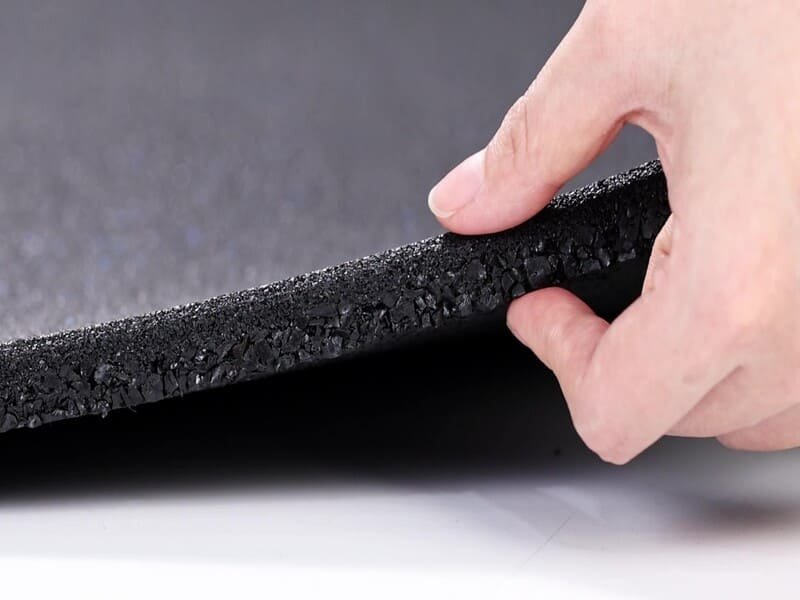
The best rubber flooring for cardio zones is high-density rubber rolls or vulcanized tiles with a thickness of 8mm to 10mm. This setup provides the necessary vibration dampening, equipment stability, and floor protection required for heavy machines like treadmills and ellipticals while remaining easy to clean.
The cardio zone acts as the engine room of any fitness facility. Standard flooring often fails here because cardio machines create unique mechanical stress. Treadmills produce constant, high-frequency vibrations that can crack concrete subfloors or damage delicate tile over time. Furthermore, the sheer weight of these machines, combined with the dynamic movement of the user, creates a "walking" effect where equipment shifts. I have seen many projects where thin mats resulted in ruined subfloors within months. My experience shows that you need a material that balances Shore A hardness with energy restitution. If the rubber is too soft, the machine feet will sink, causing belt misalignment. If it is too hard, it won’t absorb the motor noise. We look for a specific density that handles the static load of a 300lb machine and the dynamic impact of a 200lb runner simultaneously.
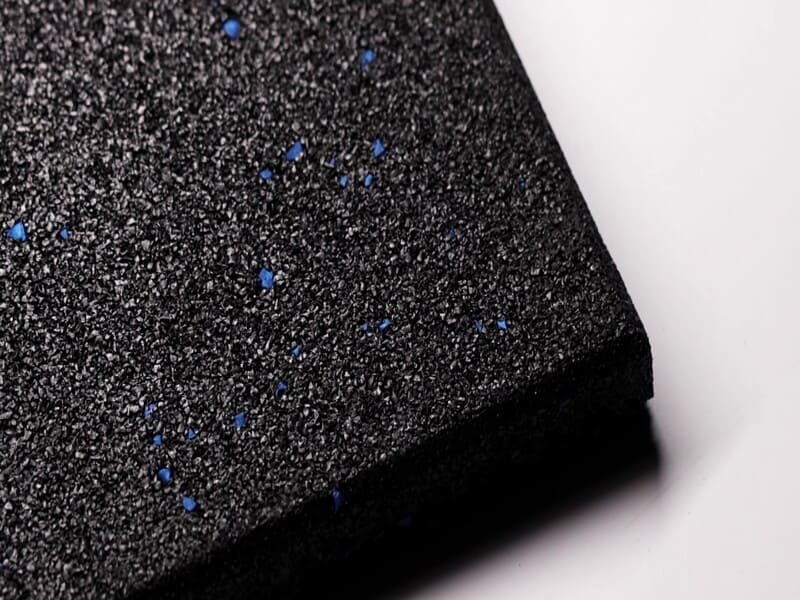
If you want your gym equipment to last and your neighbors to stay happy, you must understand the technical requirements of these high-traffic zones.
Why Do Cardio Zones Require Specialized Flooring?
Cardio zones require specialized flooring to manage motor vibrations, dampen the "thump" of running, prevent machines from shifting, and resist heavy sweat accumulation. Specialized rubber ensures the equipment remains level and the subfloor stays protected from long-term structural damage caused by mechanical resonance.
In my years of consulting on gym layouts, the biggest mistake is treating the cardio area like a general stretching zone. Heavy motors in treadmills generate heat and vibration that can degrade low-quality foam or thin rubber. We use specialized rubber rolls to provide a seamless surface that prevents "walking." When a machine moves even a few centimeters, it can become a trip hazard or damage power cables. Sound insulation is another major factor. In multi-story buildings, the low-frequency noise of a runner can travel through the building frame. I always recommend vulcanized rubber because its non-porous surface prevents sweat from seeping into the material, which avoids the growth of bacteria and foul odors.
| Functie | Vereiste | Voordeel |
|---|---|---|
| Trillingsdemping | Hoog | Protects treadmill motors and subfloor |
| Geluidsisolatie | >20dB Reduction | Minimizes noise complaints in buildings |
| Stabiliteit van apparatuur | Hoge wrijving | Prevents machines from "walking" or shifting |
| Hygiëne | Non-porous | Easy to sanitize and sweat-resistant |
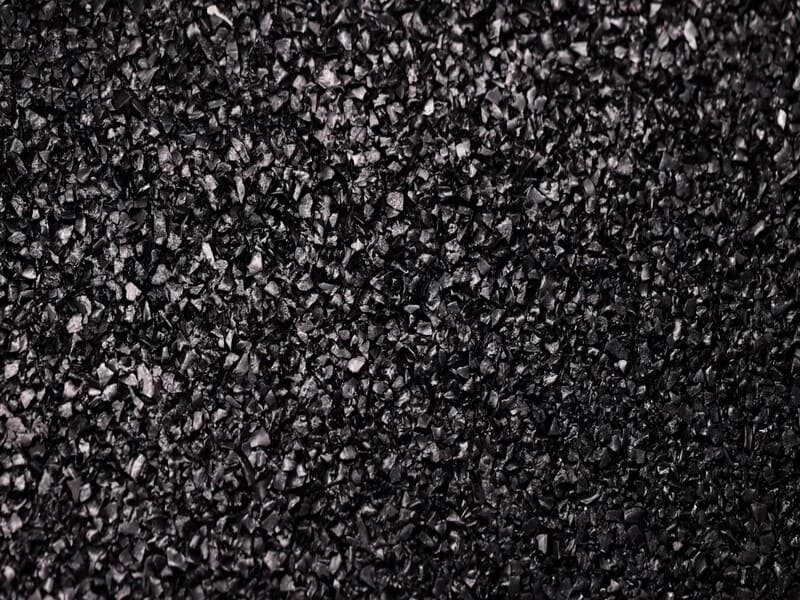
Understanding these physical demands is only the first step; you also need to know which technical specs actually meet these needs.
Which Technical Specifications Matter Most for Cardio?
The most important specifications for cardio flooring are a thickness of 8mm to 10mm and a medium-high density (Shore A 60-65). These specs ensure the floor is thick enough to absorb impact but firm enough to keep heavy electronic equipment stable and level during high-speed use.
Thickness is the first thing I check when a client asks for a quote. For most commercial treadmills, 8mm is the industry standard. However, if the cardio zone is on a second floor, I move the spec to 12mm to increase the acoustic barrier. Density is just as critical. If the rubber is too soft, the heavy "feet" of an elliptical will create permanent indentations, which makes the machine wobble. We measure this using the Shore A scale. You want a product that feels firm. Slip resistance, or the Coefficient of Friction (COF), is also vital. Users often step off machines while tired or sweaty, and a COF of 0.6 or higher ensures they don’t slip. High-speed movement requires a surface that grips the shoe but doesn’t trip the user.
| Metrisch | Aanbevolen waarde | Standaard industrie |
|---|---|---|
| Dikte | 8mm - 12mm | ASTM D3575 |
| Hardheid | 60 - 65 Shore A | ASTM D2240 |
| Slipweerstand | >0.6 COF | ASTM C1028 |
| Limiet statische belasting | >1,000 PSI | ASTM F970 |
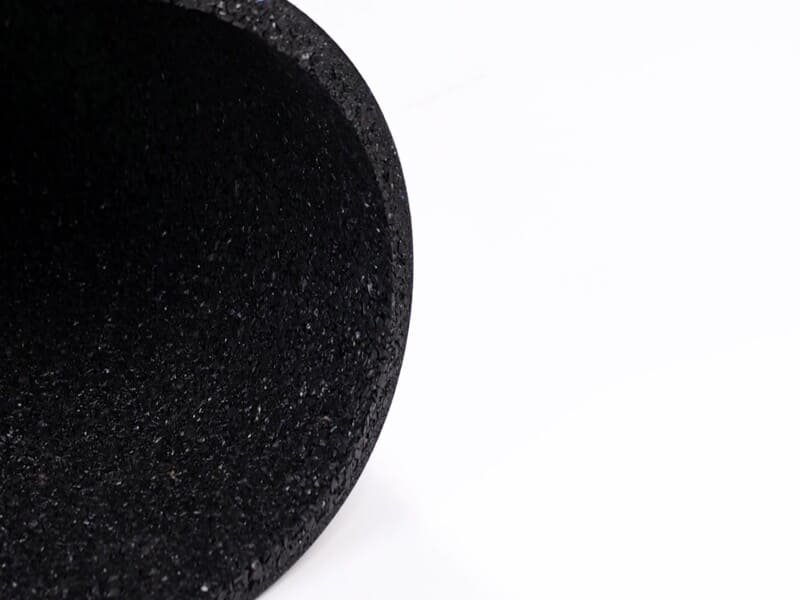
Choosing the right numbers on a spec sheet is good, but you also need to choose the right product format for your specific space.
What Are the Top Rubber Flooring Options for Cardio?
The top options are rubber rolls for large commercial spaces, interlocking tiles for DIY home gyms, and high-density vulcanized rubber for high-traffic professional centers. Rubber rolls are the most popular because they offer a seamless finish that prevents machines from catching on edges.
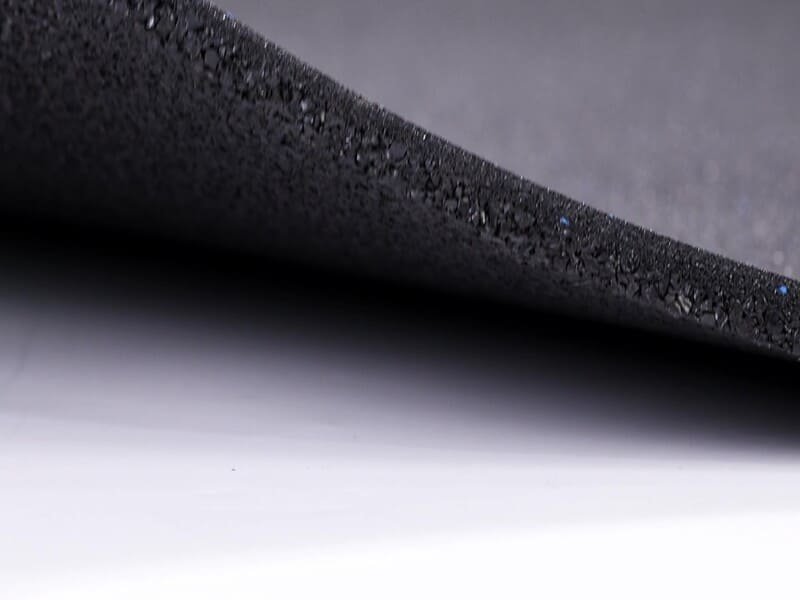
I usually steer large commercial projects toward rubber rolls. They come in 4-foot widths and can be cut to long lengths, which means fewer seams where sweat or dust can hide. It is the most cost-effective way to cover 2,000 square feet. For smaller boutique studios or home gyms, interlocking tiles are better. They are easy to install without professional help. However, for the most demanding environments, I recommend vulcanized rubber. This material goes through a high-heat manufacturing process that makes it incredibly dense and completely non-porous. It is the most durable option I have ever tested. It resists the "grooving" that can happen when heavy machines sit in the same spot for years. Each option has a specific use case based on your budget and floor traffic.
| Optie | Beste voor | Main Advantage |
|---|---|---|
| Rubber Rollen | Commerciële sportscholen | Seamless, cost-effective for large areas |
| In elkaar grijpende tegels | Sportscholen thuis | DIY installation, easy to replace one piece |
| Gevulkaniseerd rubber | 24/7 Fitness Hubs | Maximum durability and easiest to clean |
Even after you pick a product, you have to deal with the common frustrations that gym owners face daily.
How Do You Solve Common Cardio Flooring Pain Points?
Solve common pain points by choosing low-VOC rubber to eliminate smells, using anti-static additives to protect treadmill electronics, and opting for full-glue installations to prevent machine shifting. Proper cleaning with pH-neutral solutions will also prevent sweat stains and material degradation.
The "rubber smell" is the number one complaint I hear. To fix this, you must look for flooring that is FloorScore® certified or made from high-quality SBR with low-VOC binders. Another hidden issue is static electricity. Treadmills are full of sensitive electronics. If your floor builds up static, it can fry the console. I suggest rubber with anti-static properties for these zones. For installation, many people try to save money by using double-sided tape. In a cardio zone, this is a mistake. The constant forward motion of a runner creates horizontal force. Over time, tape will fail and the floor will bunch up. A full glue-down installation is the only way to ensure the floor stays flat under heavy use. Finally, maintenance is simple but vital. Avoid bleach. Use a microfiber mop and a neutral cleaner to keep the rubber supple and grip-strong.
| Pijnpunt | Oplossing | Technisch detail |
|---|---|---|
| Rubber Odor | Low-VOC / FloorScore | Use polyurethane binders |
| Static Shock | Anti-static Rubber | Protects PCB boards in consoles |
| Floor Shifting | Full Glue-down | Uses permanent acrylic adhesive |
| Sweat Stains | Niet-poreus oppervlak | Vulcanized rubber prevents absorption |
It is important to remember that cardio flooring is built differently than the rubber used for lifting heavy weights.
What Is the Difference Between Cardio and Weightlifting Flooring?
Cardio flooring focuses on stability, vibration control, and a smooth surface, usually at 8mm-10mm thickness. Weightlifting flooring focuses on impact absorption and force reduction to protect the floor from dropped weights, requiring a much thicker profile of 15mm to 30mm.
I often have to explain to developers why they can’t use the same floor everywhere. In the weightlifting area, we want "give." The floor needs to deform slightly to soak up the energy of a 200kg barbell drop. In the cardio zone, "give" is your enemy. If the floor is too soft, the treadmill will bounce, which ruins the motor and makes the runner feel unstable. Cardio flooring has a tighter, finer grain to make it easier to wipe down sweat. Weightlifting mats are often more porous to help with impact. If you put a treadmill on a 30mm impact mat, the machine will likely tilt or shake at high speeds. This is why we design gyms with "zones" that use different rubber densities and thicknesses to match the specific activity.
| Functie | Cardio Zone Flooring | Weightlifting Flooring |
|---|---|---|
| Primair doel | Stability & Vibration Control | Absorptie van impact |
| Dikte | 8mm - 10mm | 15mm – 30mm+ |
| Oppervlak | Smooth/Fine Grain | Textured/Porous |
| Sleutel Metriek | Density/Static Resistance | Krachtvermindering |
The final check before buying is making sure the product meets safety and environmental standards for your local area.
Which Certifications Should You Look For?
Look for ASTM E648 fire ratings for commercial safety, FloorScore® certification for indoor air quality, and REACH or RoHS compliance if you are concerned about chemicals. These certifications prove the material is safe for long-term human contact in enclosed fitness environments.
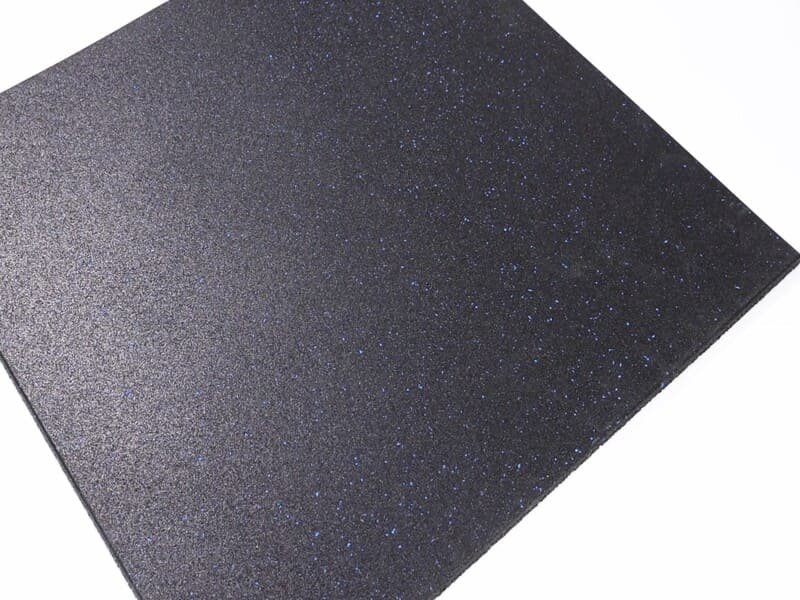
Safety is not just about trip hazards; it is about what is inside the rubber. In a commercial building, fire marshals will often check for an ASTM E648 Class I or II rating. This ensures the floor won’t turn into a fuel source if there is a fire. For indoor air quality, FloorScore is the gold standard. Since cardio involves heavy breathing, you don’t want users inhaling toxic fumes from cheap recycled tires. I also recommend checking for recycled content if your project is aiming for LEED points. Most high-quality cardio flooring is made from recycled SBR rubber, which is both eco-friendly and extremely durable. As a specialist, I never sign off on a project unless the manufacturer provides these test reports. It protects the gym owner from liability and ensures a healthy environment for the athletes.
Choosing the right floor involves balancing your specific budget with the technical needs of your equipment and building.
Conclusie
Choose 8mm-10mm high-density rubber rolls for the best cardio zone performance.
If you are planning a new gym or upgrading your current cardio zone and need a custom flooring solution that meets these technical standards, please send me a private message to discuss your project specifications!