


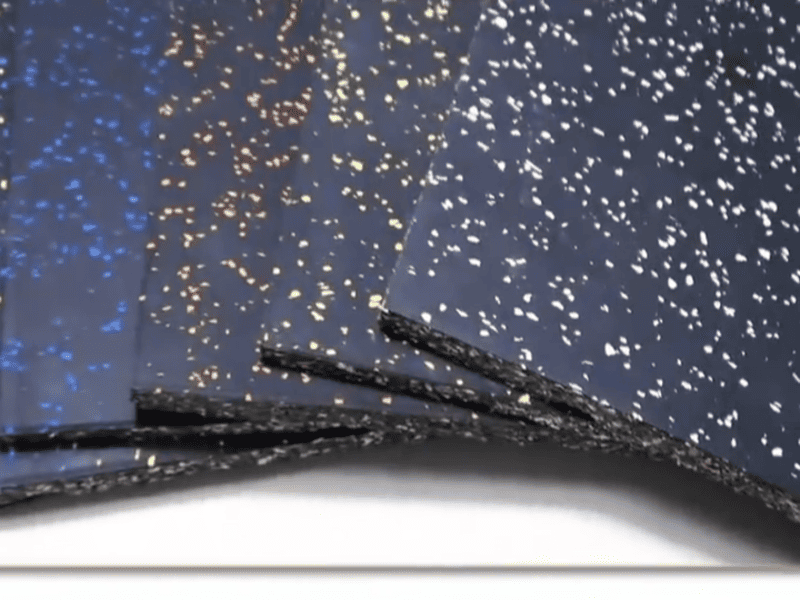
Om rubber rollen te verpakken voor export, wikkel je ze in dikke vochtwerende folie, zet je ze vast op ISPM 15 pallets met stevige riemen en gebruik je keggen om beweging tegen te gaan.
Als installatiedirecteur met jarenlange werfervaring weet ik dat een slechte verpakking goed rubber ruïneert. Als een rol tijdens het transport beschadigd raakt, veroorzaakt dat grote problemen voor de tijdlijn van uw project en uw budget. Rubberrollen zijn zwaar en flexibel, wat betekent dat ze speciale zorg nodig hebben voordat ze in een transportcontainer gaan. In deze gids deel ik de exacte verpakkingsstappen die we gebruiken om producten veilig te houden tijdens lange zeereizen.
Laten we eens kijken naar de belangrijkste redenen waarom standaard verpakkingsmethoden mislukken en hoe je deze kostbare fouten kunt vermijden.
Waarom faalt de standaardverpakking voor rubber rollen?
Standaardverpakkingen falen omdat ze vlakke plekken niet voorkomen, oceaanvocht het rubberen materiaal kan ruïneren en niet sterk genoeg is om te voorkomen dat zware rollen in de container verschuiven tijdens ruw zeevervoer.
| Veelvoorkomende verpakkingsfouten | Invloed in de praktijk op het product | Technische Preventieve Actie |
|---|---|---|
| Te veel verticaal gewicht | Permanent materiaal vlakke plekken | Gebruik horizontale wieg of A-frame |
| Zout water en vochtigheid | Schimmelgroei en oppervlakteschade | Afdichten met VCI-folie en zware droogmiddelen |
| Losse container laden | Rolverschuiving en havenafwijzing | Zware houten blokken en riemen installeren |
De hoofdoorzaken van transportschade
Wanneer je rubber over zee vervoert, komen de rollen onder enorme fysieke druk te staan. Zwaar gewicht creëert hoge druk op de onderste lagen, waardoor de vorm van het rubber voor altijd verandert. Zeelucht voert ook veel vocht mee dat roest veroorzaakt op stalen kernen of de afwerking van het rubber ruïneert.
Veiligheidsrisico's op de werkplek
Als een rol ook maar een paar centimeter verschuift tijdens een storm, kunnen de containerwanden breken of omvallen als je klant de deur opent. Ik heb containers gezien die in havens werden geweigerd omdat de lading bewoog. Een goede verpakking beschermt je materiaal en zorgt ervoor dat het lospersoneel veilig is.
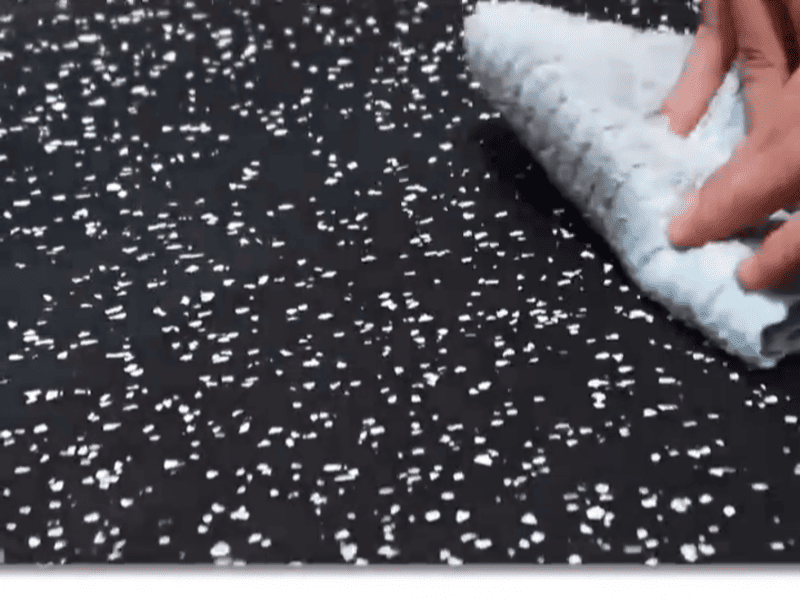
De volgende stap is het kiezen van de juiste materialen voordat je team begint met het inpakken van de lading.
Welke materialen heb je nodig voor exportverpakking?
Je hebt kartonnen of stalen binnenkernen met hoge dichtheid nodig, zware PE rekwikkels, sterke hoekbeschermers, PET of stalen banderollen, ISPM 15 begaste pallets en silicagel droogzakjes.
| Materiaalnaam | Minimale technische specificatie | Technisch hoofddoel |
|---|---|---|
| Kern binnenrol | Wanddikte minimaal 10 mm (staal voor >1 ton) | Voorkomt ineenstorting van interne rollen |
| Vocht Wrap | Zware VCI of PE-folie van 50 micron | Stopt het binnendringen van zout water en vocht |
| Riemen vastzetten | 19 mm PET of staalband met hoge treksterkte | Houdt de rol stevig vast aan de houten basis |
Eerst de kern inspecteren
Elke goede verpakkingsklus begint van binnenuit. Als de kern in het midden bezwijkt, gaat de hele rubberrol verloren. We controleren elke kern om er zeker van te zijn dat deze het gewicht van de buitenste rubberlagen aankan zonder te buigen.
Materialen voor milieubeheersing
We gebruiken dikke randbeschermers om te voorkomen dat de riemen in de rubberen randen snijden. We stoppen ook grote zakken silicagel in de plasticfolie om condensatie tijdens temperatuurschommelingen tegen te gaan.
Laten we nu eens kijken naar de drie belangrijkste manieren om je rollen te verpakken voor export.
Hoe gebruik je de Eye-to-Sky verpakkingsmethode?
Plaats de rubberrol verticaal op een sterke houten pallet, wikkel de hele eenheid in vochtbestendige folie, plaats bovenrandbeschermers en laat riemen door de kern naar beneden lopen naar de palletbasis.
| Grens afmeting rol | Maximaal draagvermogen | Beste toepassingsscenario |
|---|---|---|
| Hoogte onder 1,2 meter | Minder dan 500 kg per rol | Korte rollen en lichtgewicht turnmatten |
Stap voor stap verticaal verpakken
Deze methode werkt goed voor kortere rollen. Maak eerst het palletoppervlak schoon en breng een schuimkussenlaag aan. Zet de rol rechtop en wikkel hem dan van onder naar boven in met vijf lagen stretchfolie.
De verticale belasting vastzetten
Plaats plastic randbeschermers op de bovenste rand. Haal de stalen riemen door het middelste gat en zet ze stevig vast aan de onderkant van de pallet. Dit voorkomt dat de rol kantelt wanneer het schip rolt in volle zee.
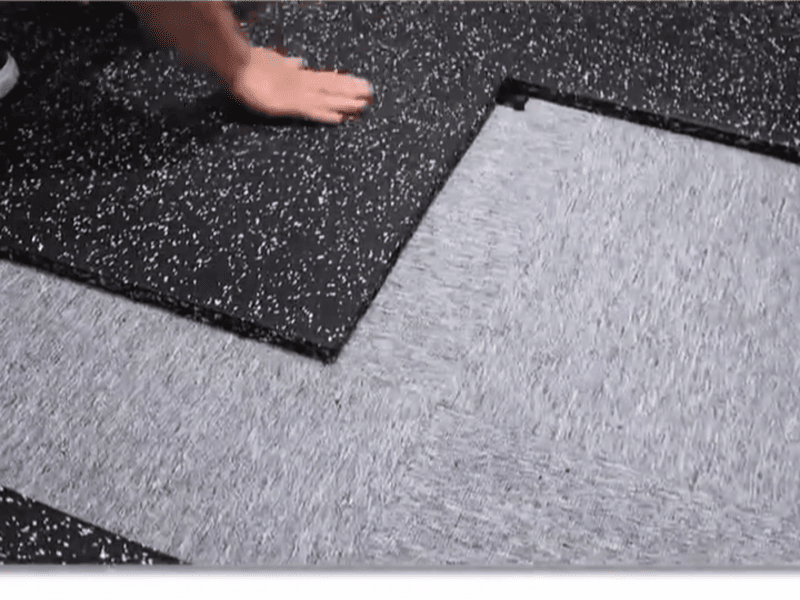
Voor langere en zwaardere rollen moeten we een andere lay-outstrategie gebruiken.
Hoe gebruik je de oog-om-zij-verpakkingsmethode?
Leg de rubberrol horizontaal op een pallet, wikkel de rol in meerlaagse beschermfolie, plaats zware houten wiggen onder beide zijden en span de rol kruislings met stalen riemen.
| Onderdeel Vereiste | Wighoekspecificatie | Beste toepassingsscenario |
|---|---|---|
| Dubbelzijdige zware pallet | 45-graden hardhouten klossen | Lange industriële rollen en dikke platen |
Horizontale beweging voorkomen
Dit is de meest gebruikelijke manier om zware rollen in te pakken. Het grootste gevaar hier is rollen. We spijkeren zware houten blokken rechtstreeks in het pallethout aan beide zijden van de rol om het op zijn plaats te houden.
Wikkel- en banderolleerstappen
We wikkelen de buitenkant meerdere keren om tegen wrijving te beschermen. Daarna brengen we dwarsbanden aan over de rol en door de palletgeleiders. Deze structuur houdt de eenheid volledig stijf.
Voor hoogwaardige rubberproducten die niet bestand zijn tegen oppervlaktedruk, gebruiken we de beste methode die beschikbaar is.
Waarom is hangende A-frame verpakking de gouden standaard?
Hangende A-frame verpakking elimineert alle oppervlaktedruk door een zware stalen buis door de kern van de rol te duwen en die buis te ondersteunen op een stijf houten of stalen buitenframe.
| Materiaal frame | Pijp Diameter Spec | Beste toepassingsscenario |
|---|---|---|
| Versterkt hout of staal | Minimaal 60 mm zware stalen buis | Premium dunne folie en dure banden |
Voordelen van nul oppervlaktedruk
Wanneer een rubberrol in de lucht hangt, raakt hij nooit de grond of de pallet. Dit betekent dat het onmogelijk is voor het materiaal om vlakke plekken te ontwikkelen, hoe lang de doorvoer ook duurt.
De ondersteunende wieg bouwen
We bouwen een stevige houten wieg die de uiteinden van de stalen pijp vasthoudt. De pijp draait vrij rond tijdens het laden, maar blijft vergrendeld tijdens het rijden. Deze methode kost meer, maar bespaart op hoogwaardige materialen.
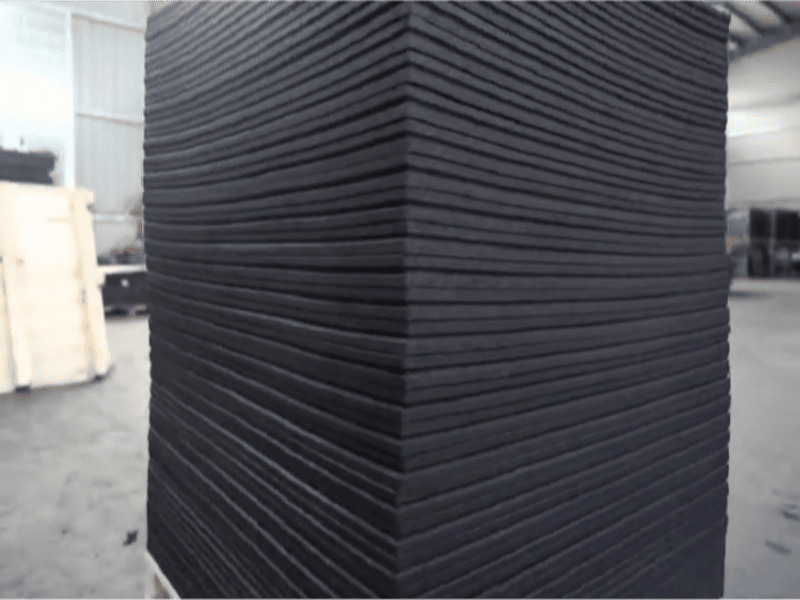
Zodra de rollen zijn verpakt, moeten ze op de juiste manier in de zeecontainer worden geladen.
Hoe zet je rollen rubber vast in de container?
Verdeel het zware gewicht gelijkmatig over de containervloer, gebruik zware houten balken om de palletvoeten te blokkeren en installeer opblaasbare stuwzakken om lege gaten op te vullen.
| Container | Drukclassificatie / materiaal | Belangrijkste veiligheidsfunctie |
|---|---|---|
| Opblaasbare stuwzakken | Polygeweven zakken voor zwaar gebruik | Vult holtes op om zijwaartse beweging te stoppen |
| Houtverbindingen | 4×4 inch behandeld grenen hout | Blokkeert pallets van voor naar achter te schuiven |
Gewichtsverdeling onder de knie krijgen
Rubber is erg dicht en zwaar. Je mag nooit al het gewicht achterin of aan één kant van de container plaatsen. Verspreid de pallets om de container in balans te houden voor de kraanmachinisten.
Beperkingen bij het stapelen
Stapel zware horizontale pallets nooit direct op elkaar zonder een stevig legbordsysteem. Het gewicht zal de onderste rollen verbrijzelen. Gebruik zware spanbanden aan de ringhaken van de container om alles vast te zetten.
Vervolgens moet je controleren of je verpakking voldoet aan de wereldwijde verzendwetten.
Aan welke internationale verpakkingsnormen moet u zich houden?
Je moet ISPM 15-gecertificeerd warmtebehandeld hout gebruiken, duidelijke gewichts- en zwaartepuntmarkeringen aanbrengen en waterdichte labels bevestigen die overeenkomen met je officiële douanepaklijst.
| Verordening / Merkteken | Norm voor naleving | Gevolgen van niet-naleving |
|---|---|---|
| ISPM 15-stempel | Warmtebehandeling of begassing | Quarantaine van vracht of onmiddellijke vernietiging in de haven |
| Zwaartepunt | Tweezijdige visuele pictogramindicator | Ongevallen met vorkheftrucks en gevallen lading |
Voldoen aan ISPM 15-regels
Elk stuk verpakkingshout dat je gebruikt moet een officiële IPPC-stempel hebben. Als je onbewerkt hout gebruikt zonder behandeling, zullen douanebeambten je container tegenhouden en zul je hoge boetes moeten betalen.
Labelen voor succes
We drukken grote, duidelijke pictogrammen op de buitenkant van de wikkel. Deze omvatten "Droog houden", "Niet laten vallen" en UV-beschermingstekens. Dit helpt havenarbeiders om uw lading met de juiste middelen te behandelen.
Laten we het ten slotte hebben over hoe je klant het materiaal veilig kan lossen.
Hoe kun je rollen rubber veilig lossen?
Los de rubberrollen met een vorkheftruck met een lange tapijtstok of een kraan met brede nylon hijsstroppen die door de kern worden geleid.
| Uitrusting voor lossen | Minimale hefcapaciteit | Veilige bedieningsprocedure |
|---|---|---|
| Heftruck met haak | Minimaal 3 ton | Steek de paal volledig door de kern in het midden |
| Kraan met nylon stroppen | Minimaal 5 ton | Gebruik een spreidstang om randverbrijzeling te voorkomen |
Schade aan vorkheftruckarmen voorkomen
Laat een vorkheftruckchauffeur nooit blote tanden rechtstreeks in de zijkant van een rubberen rol duwen. Het scherpe metaal zal meerdere lagen rubber doorboren en ruïneren. Hef altijd vanuit de kern of de palletbasis.
Gebruik van brede nylon stroppen
Als je een kraan gebruikt, kies dan voor brede nylon banden. Smalle staalkabels snijden als een mes in de rubberen randen. Een soepel losproces maakt een geslaagd exportproject compleet.
Lees onze laatste checklist om er zeker van te zijn dat je magazijnteam er klaar voor is.
Conclusie
Een goede exportverpakking vereist vochtbeheersing, een sterke binnenkern en stevige verstevigingen om ervoor te zorgen dat je rubberrollen perfect aankomen.
Als je je exportverpakking wilt optimaliseren of een betrouwbare technische partner nodig hebt voor je volgende bulkproject, stuur me dan nu een privébericht. Laten we samen een veilig, kosteneffectief verzendplan opstellen.