


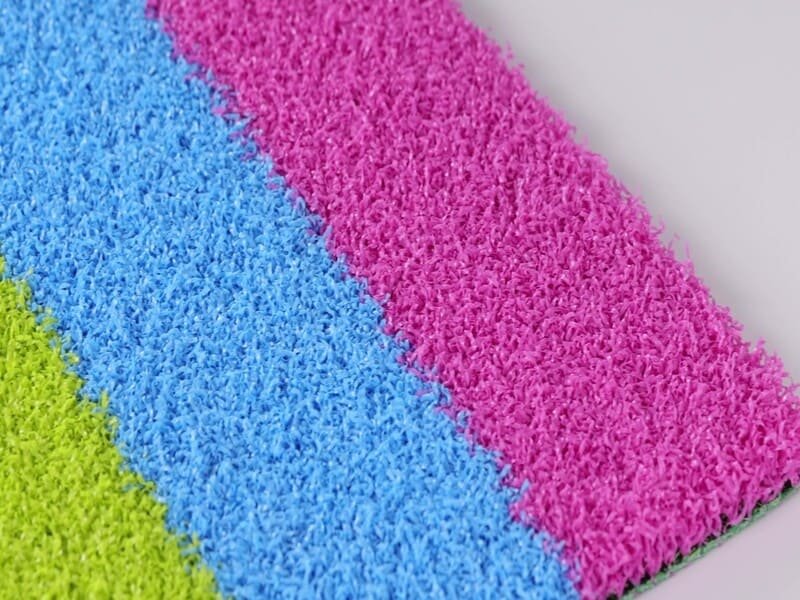
Yes, you can reinstall gym turf in a new facility if the backing is intact and the original installation used tape or loose-lay methods. Glued-down turf is much harder to save. Success depends on the wear, backing type, and how carefully you remove and transport the rolls.
I have overseen many gym moves as a contractor. The reality is that turf is often the most expensive part of a gym floor. It makes sense that you want to take it with you. However, you must think about the "backing integrity" first. Most gym turf has a 5mm to 10mm rubber or foam base. If this base is brittle or torn, the turf will not lay flat in the new spot. I once saw a client try to save 5-year-old turf that was glued to concrete. We spent more on labor trying to scrape off old glue than it would have cost to buy new rolls. You need to look at how the turf was put down. If it was held by double-sided tape, your chances of a perfect move are very high. If it was full-spread glue, you are looking at a high risk of tearing.
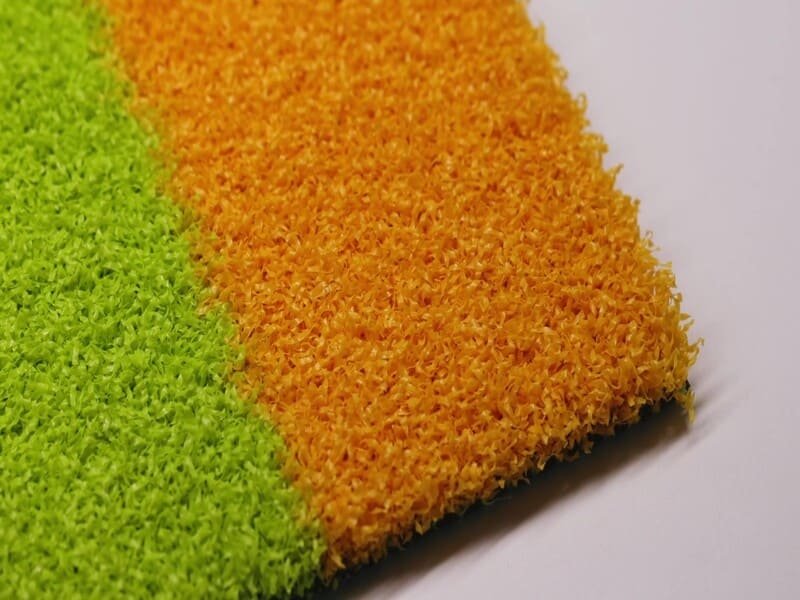
You should check the condition of your materials before you pay a moving crew. Read on to see if your specific turf type can survive the transition to your new gym.
Can Your Turf Handle the Move?
The success of moving turf depends on the original installation method and the current health of the pile and backing. Loose-laid turf with tape is easy to move, while glued turf often fails. You must check for dry rot, thinning fibers, and backing tears to ensure the material remains functional.
From my experience, the installation method is the biggest factor. I have built a table below to help you see the differences in moveability. We also look at the backing type. Scrim-backed turf is stronger and resists stretching during a move better than pure foam-backed products. If your turf has been near a window, check for UV damage. Sunlight makes the plastic fibers brittle over time. If the fibers break off when you rub them, do not move the turf. It will just create a mess in your new clean facility. You also need to check the pile height. If the high-traffic areas are completely flat and cannot be brushed up, the turf is at its "End of Life." Moving dead turf is a bad investment of time and money.
Comparison of Installation Methods for Moving
| Método de instalação | Facilidade de remoção | Risk of Damage | Reusable? |
|---|---|---|---|
| Fita adesiva de dupla face | Muito fácil | Baixo | Sim |
| Loose-Lay / Weighted | Fácil | Baixo | Sim |
| Cola de espalhamento total | Very Hard | Muito elevado | Rarely |
| Grip Strips / Velcro | Moderado | Baixo | Sim |
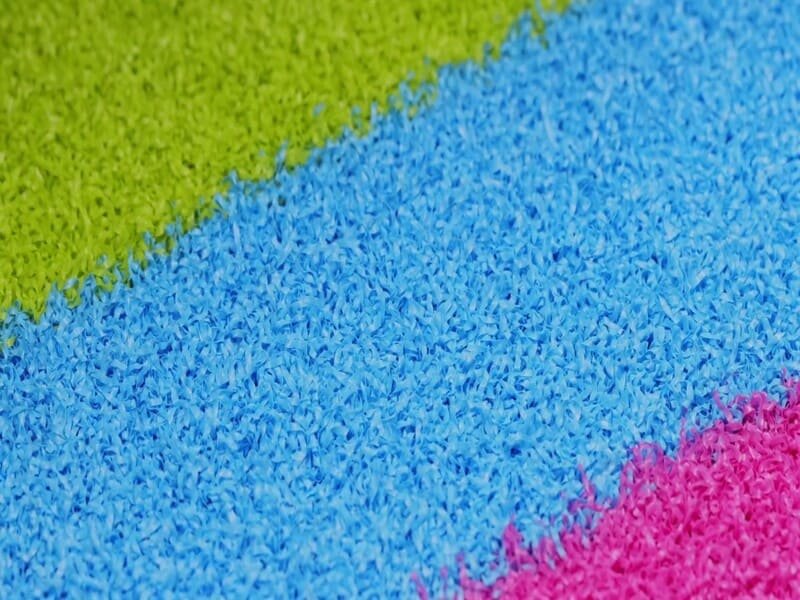
It is not just about the physical turf. You also have to deal with the things you cannot see, like smells and size changes.
What Are the Hidden Challenges of Moving Used Turf?
Hidden challenges include trapped odors from sweat and bacteria, and the "Tetris" problem where old cuts do not fit a new room layout. Used turf is also extremely heavy, often weighing over 500 lbs per roll, which makes logistics and manual labor very difficult and expensive.
The "Odor Factor" is a major pain point I see in my work. Over three or four years, sweat and skin cells fall into the turf fibers. Even if it looks clean, it might smell bad once it is rolled up and moved to a small, warm new space. I always tell my clients to deep clean the turf while it is still flat on the old floor. Then there is the "Size and Dimensions" issue. I call this the Tetris problem. Your old gym might have been 30 feet wide, but the new one is 25 feet wide with two pillars in the middle. You will have to cut the turf again. This creates more seams. Every seam is a potential trip hazard or a spot where the turf can pull up. You must map out the new floor on paper before you move a single roll to avoid awkward gaps.
Technical Challenges of Relocating Used Turf
| Desafio | Impacto no projeto | Contractor Solution |
|---|---|---|
| Bacteria/Odor | High (Health/Smell) | Antimicrobial deep pressure wash |
| Dimensional Fit | Moderate (Aesthetics) | Detailed floor mapping and re-seaming |
| Peso | High (Cost/Safety) | Specialized dollies and 3+ person crews |
If you decide to move the turf, you need a plan. If you do it wrong, you will ruin the material.
How Do You Successfully Relocate Gym Turf?
To successfully relocate turf, you must clean it, map it, and roll it properly "fender-to-fender" to prevent creases. After extraction, let the turf acclimate in the new facility for 24 to 48 hours before you tape it down. This allows the material to expand or contract.
I follow a three-phase process for every turf move. Phase 1 is preparation. I use a "Blueprint" method where I label the bottom of every roll with a permanent marker (e.g., "Roll 1 – North Wall"). This saves hours of work at the new site. Phase 2 is extraction. You must roll the turf with the fibers facing in or out depending on the backing to prevent permanent creasing. I use a PVC pipe in the center of the roll to keep it tight. Phase 3 is reinstallation in the new facility. The most important part is the acclimation period. A new building has different humidity and temperature. If you tape the turf down immediately, it might buckle or shrink a week later. Let it sit flat on the floor for at least a full day. Then, use new high-strength turf tape for the seams.
Step-by-Step Relocation Checklist
- Passo 1: Sanitization with a hospital-grade cleaner.
- Passo 2: Labeling and mapping the layout.
- Passo 3: Rolling on a core to prevent creases.
- Passo 4: Safe transport using proper lifting tools.
- Step 5: 24-hour acclimation in the new building.
- Step 6: New seam tape application and edge trimming.
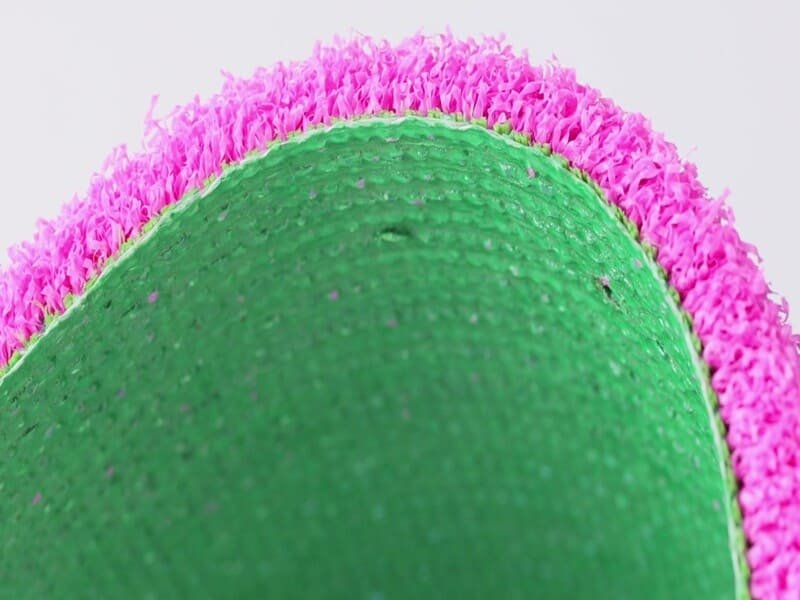
Sometimes moving the turf costs more than buying new. You have to look at the math before you start.
Is It More Cost-Effective to Move or Replace?
Moving turf is cost-effective if the material is less than 3 years old and was not glued down. If the turf is over 7 years old or requires heavy glue removal, the labor and cleaning costs often exceed the price of buying new, high-quality turf.
As a contractor, I always give my clients a "Decision Matrix." If you move the turf, you pay for labor to rip it up, a truck for transport, a professional cleaning crew, and new adhesive. These costs add up fast. For example, if you have 1,000 square feet of turf, professional removal and cleaning might cost you $1.50 per square foot. New turf might cost $3.00 per square foot. If your old turf only has two years of life left, you are paying half the price of new for a product that will fail soon. I recommend replacing it if you see "matting" where the fibers stay flat even after brushing. However, if you bought premium 80oz face-weight turf last year, you should absolutely move it. The ROI is much better in that case.
Decision Matrix: Move vs. Replace
| Fator | Move the Turf | Buy New Turf |
|---|---|---|
| Turf Age | Less than 4 years old | More than 6 years old |
| Estado | Pile stands up; backing is soft | Pile is flat; backing is brittle |
| Original Install | Taped or Loose-lay | Permanent Glue |
| Orçamento | Tight (Save 40-60%) | Long-term (Better 10-year ROI) |
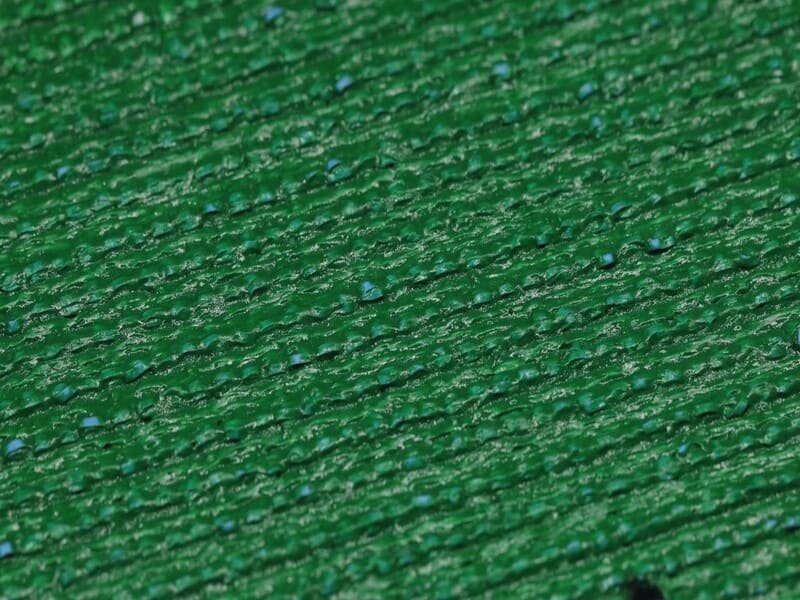
Even if you move old turf, you can make it look great again. You just need the right professional tricks.
How Do You Get a "Like New" Finish After Moving?
You can achieve a "like new" finish by using a power brush to revive flattened fibers and adding a fresh infill of silica sand or rubber crumbs. These steps restore the pile height, improve shock absorption, and hide any minor wear from the previous location.
The secret to a professional finish is the "Infill Refresh." Most used turf has lost its infill or the infill is packed with dirt. I clean out the old dust and add new, clean silica sand. This supports the fibers and makes the turf feel soft again. I also use a power broom. This is a motorized brush that pulls the fibers upward. It removes the "flat look" that happens in high-traffic areas like sled tracks. If you have gaps because the new room is larger, you can add "feature strips" of a different color turf (like a white or red border). This hides the fact that you didn’t have enough of the original material to cover the whole floor. It looks intentional and professional rather than a mistake.
Professional Tips for Refurbishing Used Turf
- Power Brushing: Use a mechanical rake to stand up dead fibers.
- Infill Top-off: Add 0.5 lbs of sand per square foot for stability.
- Seam Hiding: Use a seam iron or high-quality turf glue for invisible joins.
- Deep Grooming: Remove all trapped hair and dust from the base.
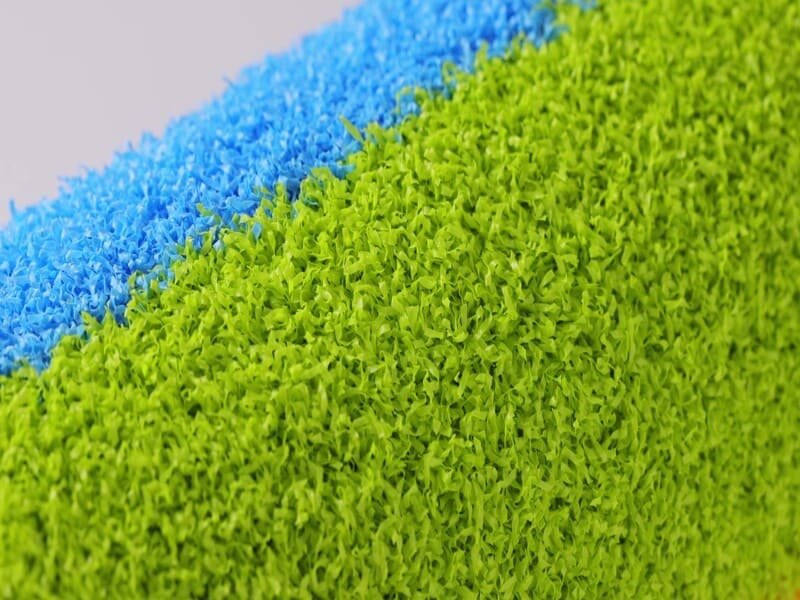
I get asked many questions about this process every week. Here are the most common ones I hear on the job site.
Perguntas mais frequentes
Common questions involve the reuse of adhesives and warranty status. You cannot reuse old glue or tape. Moving turf often voids the original manufacturer warranty, so you must factor that risk into your decision. You can cut used turf easily to fit smaller spaces.
Clients often ask me if they can reuse the old glue. The answer is a hard no. Old glue loses its chemical bond and creates lumps. You must scrape the backing clean and use new tape. Regarding warranties, most turf companies only cover the "first installation." Once you pull it up, you are usually on your own. However, if the turf is high quality, it shouldn’t matter much. Cutting the turf is very easy with a standard utility knife and a straight edge. If your new facility is smaller, this is great because you can cut away the most worn edges and keep the best parts for the center of your gym. Always cut from the back side to get a clean line through the backing without cutting the grass fibers too short.
FAQ Quick Reference
| Questão | Resposta |
|---|---|
| Can I reuse glue? | No, always use new adhesive or tape. |
| Will it void warranty? | Usually yes, check your specific contract. |
| Quanto tempo é que dura? | If moved well, expect 3-5 more years. |
| Can I cut it smaller? | Yes, it is very easy to trim to fit. |
Conclusão
Reinstalling gym turf is a smart, sustainable choice if the backing is strong and you use the right tools. Plan your move carefully to save thousands.
If you are planning to move your gym and need professional advice on whether your turf is worth saving, or if you need high-quality replacement rolls, I am here to help. Please send me a private message (DM me) for a custom consultation or a bulk quote on new materials!