


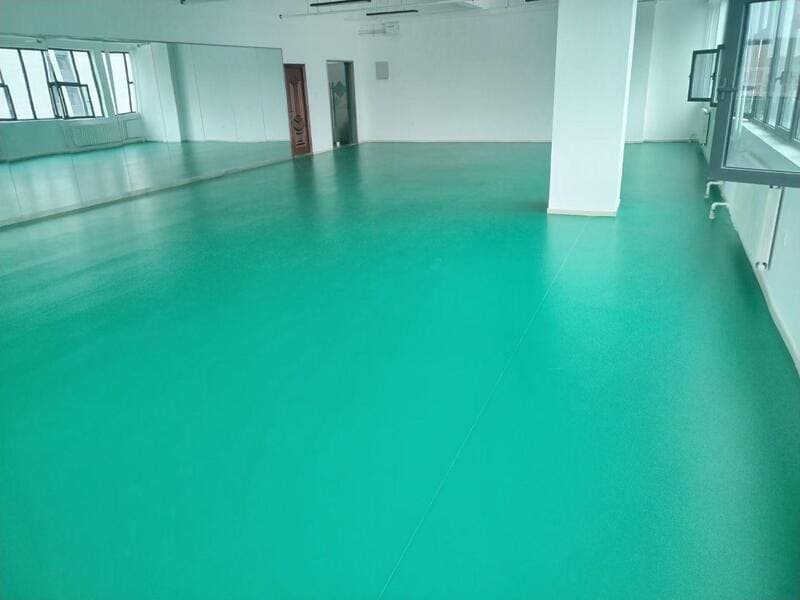
Choosing the correct PVC sports flooring thickness directly determines athlete safety, ball bounce performance, and the total lifespan of your sports facility. Selecting a floor that is too thin causes severe joint injuries and rapid wear, while buying a floor that is too thick wastes thousands of dollars. This guide provides a clear, sport-by-sport breakdown of the ideal PVC flooring thickness from 3.5mm to over 8.0mm based on the international EN 14904 standard to save you time and money.
What Is the Structure of PVC Sports Flooring and Why Does Thickness Matter?
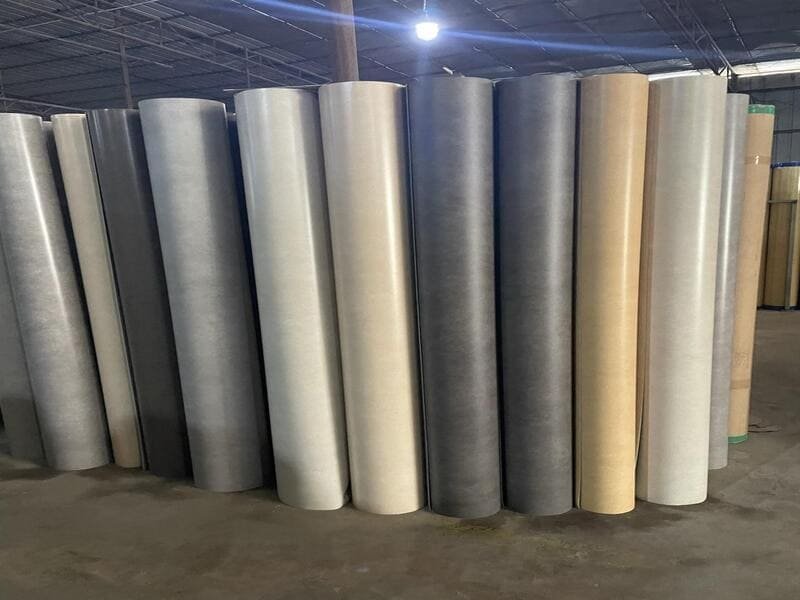
PVC sports flooring consists of a high-density wear layer on top and a foamed backing layer underneath, meaning that overall thickness alone does not guarantee a high-quality product. The foam backing determines the shock absorption and vertical deformation which protect player joints from impact. At the same time, the thickness and density must be balanced so that the material does not become too soft, which would ruin the ball bounce.
As a project specialist with years of manufacturing experience, I often see buyers make the mistake of focusing only on total thickness. If the top wear layer is too thin, the floor will wear out in less than two years regardless of how thick the foam backing is. True engineering optimization requires balancing the top protection layer with the bottom cushioning layer to match your specific sport needs.
Does Your Floor Meet the EN 14904 Standard for Shock Absorption?
The EN 14904 standard is the universal European benchmark that classifies point-elastic sports floors into specific classes based on their force reduction percentages. Choosing the correct class ensures your facility meets professional safety and performance rules.
| EN 14904 Class | Shock Absorption Percentage | Typical PVC Thickness Range | Aplicação primária |
|---|---|---|---|
| P1 | $\ge 25\%$ to $< 35\%$ | 3,5 mm - 4,5 mm | Table Tennis, Badminton, Economy Spaces |
| P2 | $\ge 35\%$ to $< 45\%$ | 5,0 mm - 6,5 mm | Basketball, Futsal, Multi-purpose Gyms |
| P3 & P4 | $\ge 45\%$ | 7,0 mm - 8,0 mm+ | Professional Basketball, High-Impact Centers |
In our production line, we alter the density of the PVC foam layer to achieve these exact specifications. A thicker floor generally yields a higher EN class rating, but adding thickness without increasing foam density will cause the floor to fail vertical deformation tests. This is why professional project planning is necessary to select the right material composition.
This section ends here, so you should now check the specific sport guidelines below before making a final purchasing decision.
How Do You Choose Thickness for Specific Sports Categories?
Different sports require distinct floor properties, which means a single thickness can never fit every type of physical activity perfectly.
Recommended Thickness by Sport
| Sport Category | Espessura recomendada | Razão principal | Textura da superfície |
|---|---|---|---|
| Table Tennis & Badminton | 3.5mm – 5.0mm | Rapid footwork, fast traction, stable ball/shuttlecock response | Lychee or Sand Pattern |
| Basketball & Futsal | 6,0 mm - 8,0 mm | High-impact joint protection, true basketball rebound | Wood Grain or Smooth Matte |
| Gyms & Yoga Studios | 4,5 mm – 7,0 mm | Balance of floor comfort and high-impact aerobic cushioning | Coral or Grid Pattern |
| Multi-Purpose Schools | 5,0 mm - 6,5 mm | All-rounder durability for sports, tables, and heavy chairs | Universal Texture |
For sports like badminton and table tennis, a floor that is too thick will absorb too much energy, which slows down the players and dampens the bounce of the ball. For basketball and futsal, heavy jumping requires a thicker floor to prevent ankle injuries. However, you must remember that PVC flooring cannot handle heavy weightlifting zones, which strictly require 15mm or thicker solid rubber tiles to prevent the weights from tearing through the PVC.
This data shows that you must identify your primary sport before ordering material from a manufacturer.
Why Is the Wear Layer More Important Than Overall Thickness?
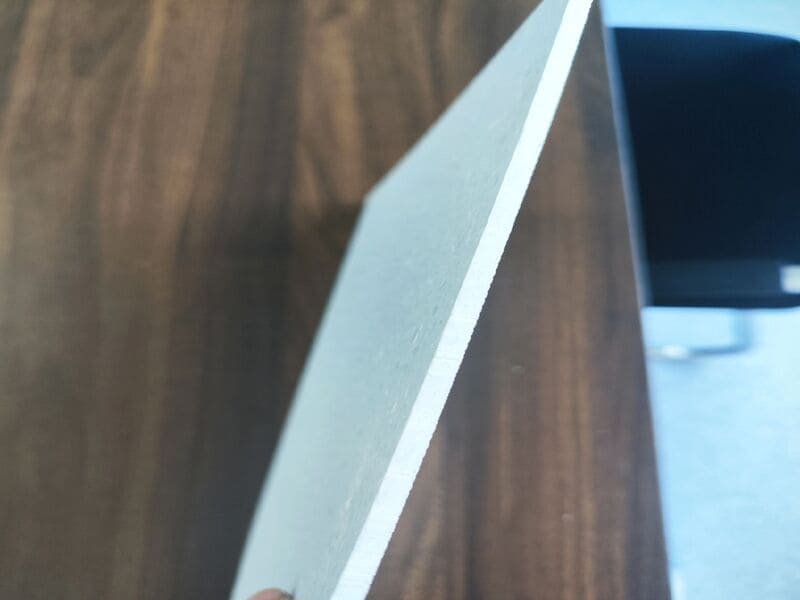
The wear layer is the clear PVC top coat that directly resists scratches, scuffs, and heavy foot traffic in your facility. A floor with a large overall thickness will still fail quickly if its wear layer is too thin for commercial use.
Wear Layer Selection Guide
| Nível de tráfego | Ideal Wear Layer Thickness | Aplicação típica | Tempo de vida previsto |
|---|---|---|---|
| Light Use | 0,5 mm – 0,7 mm | Private studios, temporary courts, home gyms | 3 – 5 Years |
| Commercial / Pro Use | 1.2mm – 1.5mm+ | Public sports centers, schools, professional clubs | Mais de 10 anos |
From a manufacturing standpoint, a 4.5mm thick floor with a heavy 1.2mm wear layer will easily outlast a 7.0mm thick floor that only has a 0.5mm wear layer. When budgeting, do not let suppliers sell you cheap, thick floors with thin wear layers. Always ask for the exact technical specifications of both the wear layer and the foam backing.
This distinction is the biggest factor in determining the long-term return on your investment.
What Hidden Factors Will Affect Your Thickness Selection?
You must evaluate your subfloor condition, your installation method, and underlayment options before you purchase your PVC flooring material. Thin PVC floors will easily transmit every bump and imperfection from an uneven concrete subfloor, which means you might need to spend extra money on a self-leveling compound first.
Installation and Underlayment Options
| Fator | Impacto técnico | Actionable Recommendation |
|---|---|---|
| Estado do subpavimento | Uneven concrete telegraphs through thin PVC | Use self-leveling compound if floor is under 4.5mm |
| Método de instalação | Glue-down is permanent; loose-lay is portable | Use 3.5mm – 4.5mm with court tape for temporary setups |
| Underlayment Solutions | Adds shock absorption to thinner top floors | Combine a 4.0mm PVC floor with a 2.0mm rubber underlay |
As a technical consultant, I often suggest using a separate 2.0mm rubber underlayment beneath a medium-thickness PVC floor. This method allows you to reach high shock absorption targets while saving money on the total material cost.
This approach gives you better performance without overspending on maximum-thickness single-layer PVC.
How Do You Balance Cost and Long-Term Value?
As flooring thickness increases, the raw material cost and the shipping cost increase significantly. You must calculate the return on investment by balancing this initial cost against the lifespan of the floor and the safety of your athletes.
Cost vs. Performance Trade-off
| Gama de espessuras | Initial Cost Factor | Nível de segurança | Maintenance / Longevity |
|---|---|---|---|
| 3,5 mm - 4,5 mm | Low / Budget-Friendly | Padrão | Moderate (Depends on wear layer) |
| 5,0 mm - 6,5 mm | Medium / Balanced | Elevado | Very High (Best value for schools) |
| 7,0 mm - 8,0 mm+ | High / Premium | Máximo | Excellent (Professional grade) |
Spending less money upfront on a floor that is too thin will lead to early replacement costs and potential liability issues from player injuries. Buying the correct thickness based on your actual site usage ensures the floor lasts for over a decade.
This final calculation will help you get the best possible value for your sports project budget.
Conclusão
Choose your PVC flooring thickness based on your specific sport, subfloor condition, and wear layer requirements.
If you are planning a sports court project and need direct technical advice on choosing the exact PVC thickness, density, or wear layer for your facility, send me a private message today for a free engineering consultation and custom material samples.