


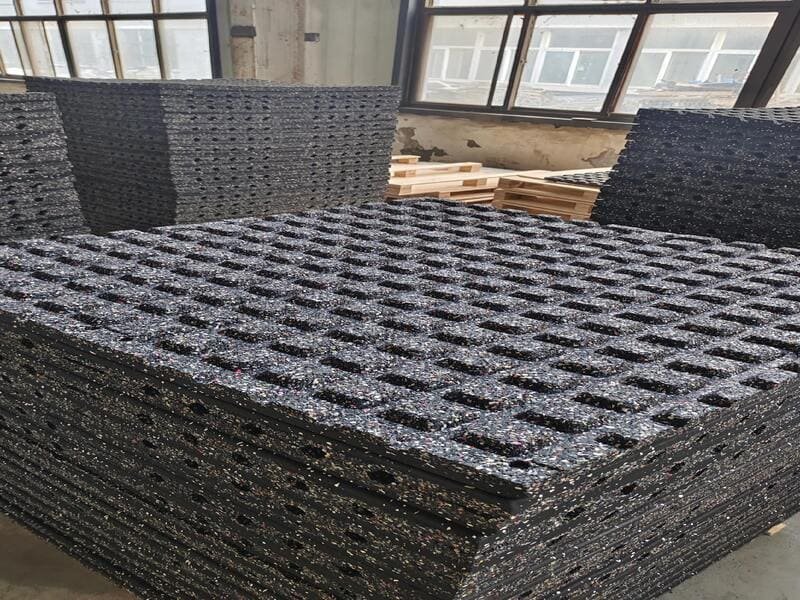
To choose the best rubber flooring for a 24-hour gym, you must match specific thicknesses to activity zones (8mm for cardio, 30mm for deadlifts) and prioritize high-density vulcanized rubber to ensure zero-odor, noise compliance, and a high long-term ROI through reduced maintenance and replacement costs.
Choosing flooring for a 24-hour facility is a high-stakes decision. As a technical director, I’ve consulted on many projects where owners tried to save $2,000 on materials, only to spend $10,000 later on noise lawsuits or premature floor replacement. In a facility that never closes, your floor is your most hard-working employee. It must handle constant mechanical stress without downtime for repairs. We focus on "Total Cost of Ownership"—balancing initial expenditure against the floor’s lifecycle, member retention, and safety liability. If your floor fails at 3 AM, your business is at risk.
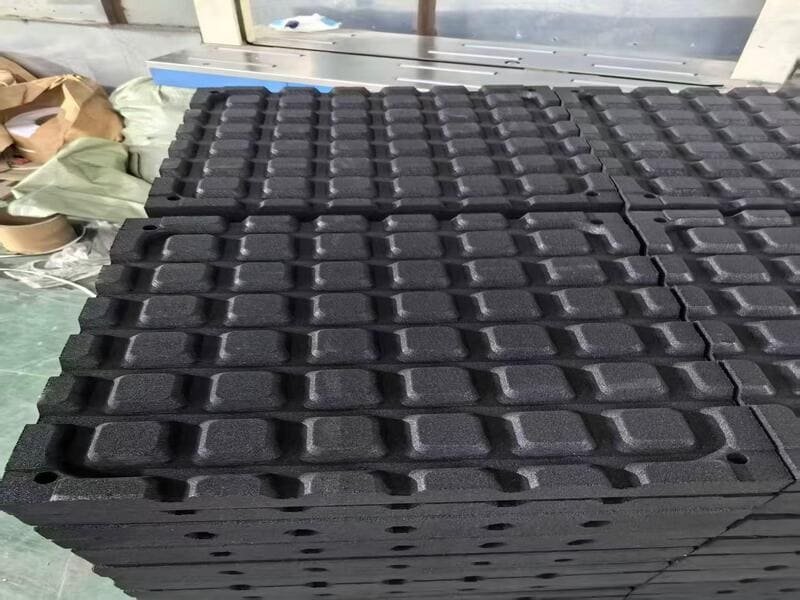
To avoid costly mistakes, we must look at the specific requirements for every square inch of your facility.
What Flooring Thickness Should Different Gym Areas Use?
Different gym zones require specific rubber thicknesses to protect the subfloor and manage noise: use 8mm rolls for cardio, 10-15mm for functional training, 20mm tiles for standard dumbbells, and 30mm shock-absorption tiles for heavy deadlift zones.
One of the biggest mistakes I see is using a single "average" thickness across the entire gym. This is inefficient and expensive. For a 24-hour gym, you need a zoned approach. Cardio areas don’t need 30mm protection, but putting 8mm rubber under a squat rack is a recipe for cracked concrete and noise complaints from neighbors. By optimizing thickness by zone, you maximize your budget where it matters most while ensuring the safety of unsupervised late-night members.
Area-Specific Flooring Selection Guide
| Área | Espessura recomendada | Tipo recomendado | Benefício primário |
|---|---|---|---|
| Zona Cardio | 8 mm | Rolos de borracha | Seamless, easy to clean |
| Área funcional | 10-15mm | Borracha vulcanizada | High traction, slip-resistant |
| Dumbbell Area | 20 mm | High-density Tiles | Impact resistance |
| Zona de levantamento terra | 30 mm | Shock Absorption Tiles | Max sound & vibration dampening |
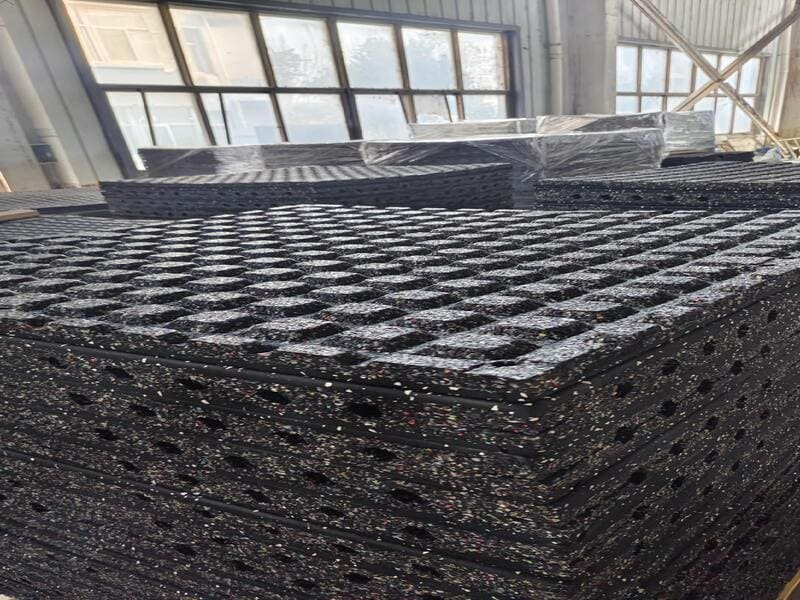
Understanding the right thickness is only half the battle; you also need to evaluate the long-term financial impact of your material choice.
Is Premium Rubber Flooring Worth It for 24-Hour Gyms?
Premium vulcanized rubber flooring is worth the investment for 24-hour gyms because it eliminates odor complaints, reduces cleaning downtime, and offers a 10-year lifespan, providing a significantly higher ROI compared to cheap crumb rubber that requires frequent replacement.
When I talk to gym owners about budget, I focus on "Lifecycle Cost." Cheap, low-density crumb rubber often smells like old tires—a smell that intensifies at night when ventilation might be lower. This leads to member churn. Furthermore, cheap rubber is porous; it acts like a sponge for sweat and bacteria. In a 24/7 environment with no "deep clean" window, this becomes a hygiene nightmare. Premium vulcanized rubber is non-porous and factory-sealed. While the upfront cost is higher, the savings in cleaning chemicals and the lack of "odor-driven" cancellations make it the cheaper option over a 5-year period.
The True Cost: Cheap vs. Premium Flooring
1. Replacement Cycle
Cheap rubber often curls at the edges or pits under heavy weights within 18 months. Premium vulcanized rubber typically lasts 10+ years under heavy 24/7 use.
2. Maintenance Labor
Non-porous surfaces only need a quick damp mop. Porous, cheap floors require industrial scrubbing to remove trapped sweat and odors.
3. Member Retention
A clean, odor-free environment is a top-3 factor in member retention. Investing in high-quality EPDM-flecked rubber keeps the facility looking and smelling professional around the clock.
Beyond the budget, you must be aware of the common technical failures that can force an emergency facility shutdown.
What Are the Most Common Flooring Mistakes in 24-Hour Gyms?
The most common 24-hour gym flooring mistakes include using low-density rubber that "bottoms out," ignoring acoustic underlayments in residential buildings, and selecting porous materials that trap permanent odors and bacteria.
I have been called to "fix" many gyms where the floor looked great on day one but failed by month six. The most frequent error is ignoring the "Density Factor." If your rubber is 20mm thick but only 700 kg/m³ density, a heavy barbell will compress it completely, damaging your concrete. Another critical mistake is "Edge Lifting." In 24/7 gyms, the constant friction from feet causes poor-quality rolls to expand and curl. If a member trips at 3 AM because a seam popped up, your liability is massive. You must use high-tensile strength materials and the correct adhesive systems.
Avoid These 24/7 Failures:
- The Acoustic Oversight: Not using a dimpled underlay in multi-story buildings. This leads to noise lawsuits from neighbors.
- Thin Rolls in Power Zones: Using 8mm rolls under squat racks. The rubber will tear, and the subfloor will crack.
- Poor Moisture Barriers: Ignoring subfloor moisture, which causes glue failure and "bubbling" of the rubber rolls.
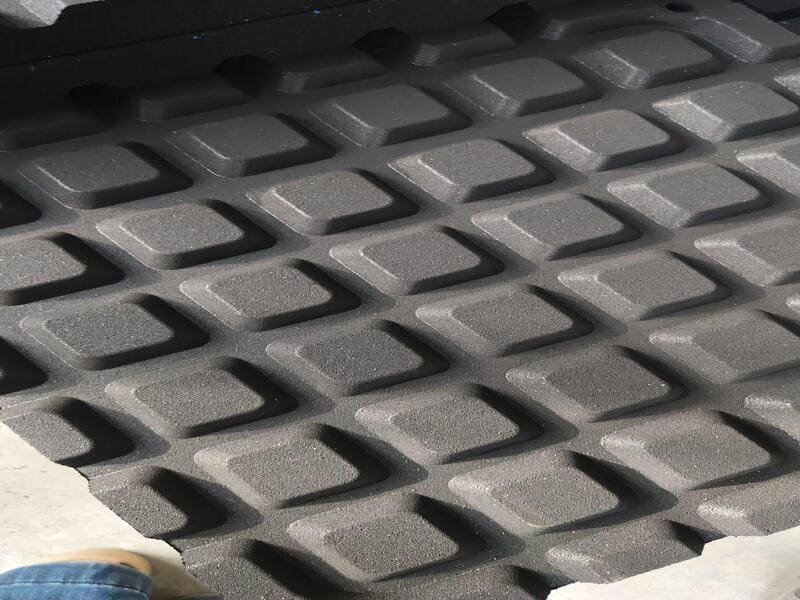
To prevent these issues, you need to follow a professional installation and decision-making process.
Navigate the procurement process by first defining your equipment layout and noise requirements, then selecting a mix of rolls and tiles, and finally ensuring a professional installation with moisture-tested subfloors and high-grade adhesives.
The decision flow for a 24-hour gym should always start with the equipment layout. Where are the heaviest weights? Where is the high-intensity cardio? Once the zones are defined, we check the subfloor. For 24/7 gyms, I highly recommend a moisture barrier and a "loose-lay" or "pressure-sensitive" adhesive. This allows for easier repairs if a section is damaged. If you are in a quiet zone, we integrate a 5mm acoustic underlayment before the main rubber is laid. This engineering-first approach ensures the floor performs as a system, not just a surface.
Professional Purchasing Checklist:
- Map Zones: Identify free weight, cardio, and functional areas.
- Verify Noise Rules: Check building codes for Impact Insulation Class (IIC) requirements.
- Check Subfloor: Ensure the concrete is level and dry to prevent adhesive failure.
- Select Material: Choose high-density Vulcanized Rubber for high-traffic zones.
- Plan Installation: Use a staggered-joint pattern for tiles to increase stability.
Conclusão
Success for a 24-hour gym depends on selecting high-density, zone-specific flooring that balances durability with long-term maintenance savings.
Need help selecting the right flooring thickness and density for your 24-hour facility? Our engineering team can recommend a complete flooring system based on your gym layout, equipment load, and noise-control requirements. Reach out for a technical consultation today!