


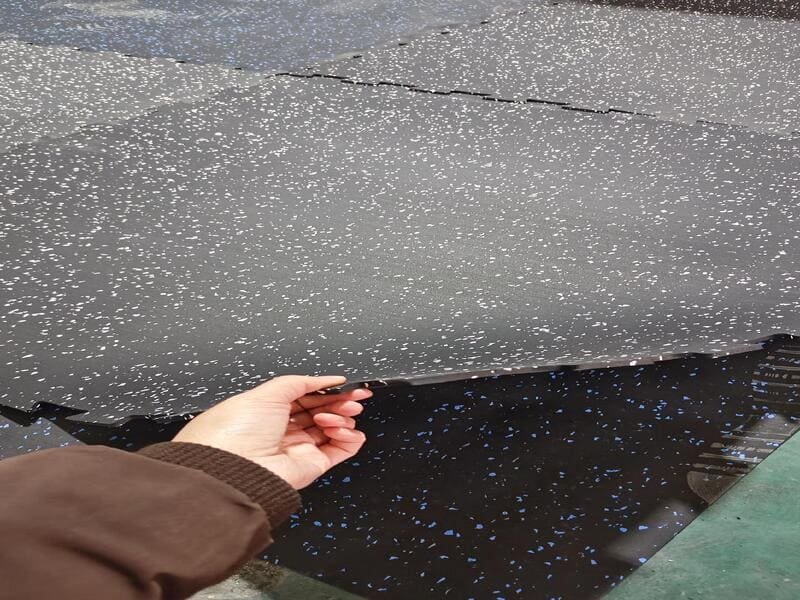
A maioria dos compradores falha ao escolher a espessura em vez da densidade, ao ignorar as certificações de segurança COV e ao tratar toda a borracha como "de qualidade comercial". Estes erros conduzem a sub-bases com fissuras, odores tóxicos no interior e rápida degradação da superfície. Para ter êxito, é necessário verificar a densidade (900 kg/m³+), exigir ligantes com baixo teor de COV e fazer corresponder o material específico às zonas de impacto do seu ginásio.
Como engenheiro de I&D, vejo muitas vezes as consequências das decisões "orçamento primeiro". Já entrei em instalações em que o proprietário poupou $2.000 no orçamento inicial, mas enfrentou uma fatura de reparação de $10.000 seis meses mais tarde. A indústria está cheia de produtos que parecem idênticos num ecrã, mas que têm um desempenho completamente diferente sob carga. Uma armadilha técnica comum é confundir "suavidade" com "qualidade" - no mundo da borracha, a suavidade indica frequentemente uma baixa densidade e um elevado teor de ar, o que é uma receita para o fracasso numa sala de musculação. Este guia expõe as armadilhas do mundo real em que já vi compradores caírem, para que possa proteger o seu investimento e a sua sub-base.
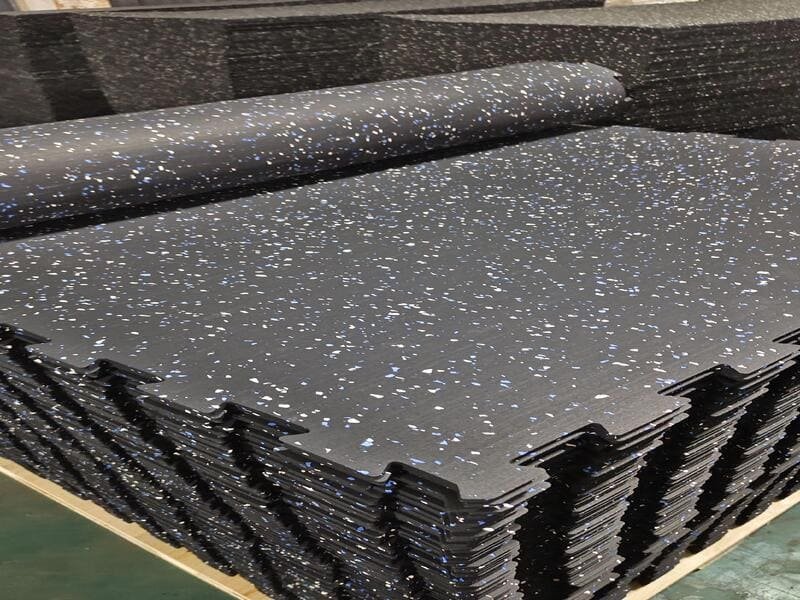
Evite estas armadilhas comuns para garantir que as suas instalações permanecem seguras, duradouras e de nível profissional.
Erro #1: Escolher a espessura sem verificar a densidade
Comprar um tapete "grosso" de baixa densidade é o erro mais caro que um comprador pode cometer. A espessura fornece a altura, mas a densidade fornece a proteção. Um tapete de baixa densidade de 15 mm achatará mais rapidamente sob uma estante pesada do que um tapete de alta densidade de 10 mm de alta qualidade, deixando o seu subpavimento de betão vulnerável a fissuras terminais.
No meu laboratório de testes, comparo tapetes "Baratos de 20 mm" com tapetes "Premium de 10 mm". Os resultados são sempre os mesmos: os tapetes de baixa densidade (abaixo de 800 kg/m³) sofrem de uma elevada compressão. Isto significa que a borracha não "recupera". Uma vez, prestei consultoria a uma box de CrossFit que comprou mosaicos "económicos" de 20 mm. No espaço de três meses, as áreas por baixo dos suportes de agachamento estavam comprimidas até 12 mm e as costuras começaram a fazer tropeçar os atletas. Pensaram que mais milímetros significavam mais segurança, mas ignoraram a dureza Shore A. Exija sempre uma Ficha de Dados Técnicos. Se a densidade não for de pelo menos 900-950 kg/m³ para levantamento de pesos, a espessura é apenas uma ilusão.
| Decisão do comprador | Realidade técnica | Resultado a longo prazo |
|---|---|---|
| Concentração apenas na espessura | Baixa densidade = Bolsas de ar elevadas | Amolgadelas permanentes e danos no subpavimento |
| Escolha correta | Densidade > 950kg/m³ | Absorção de choques e manutenção da forma |
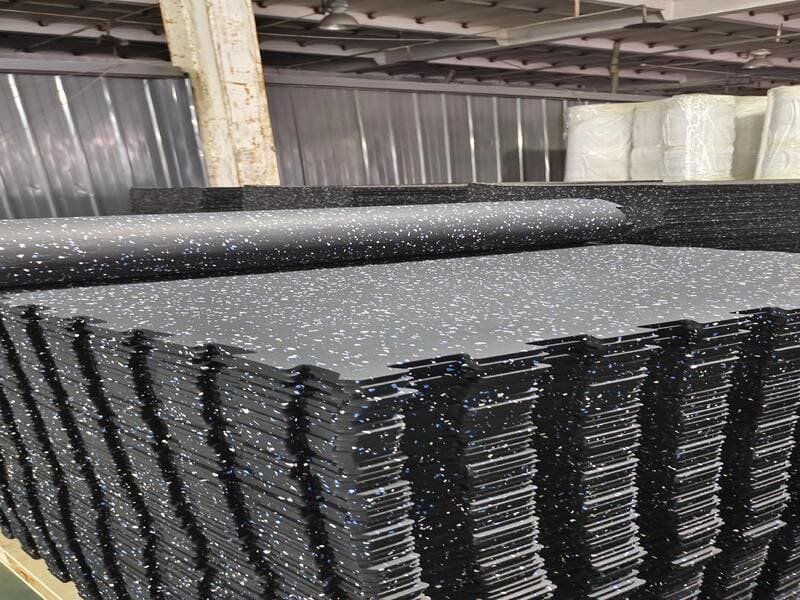
Não deixar que um negócio "grosso" esconda uma realidade de baixa densidade.
Erro #2: A armadilha do "tapete de estábulo" para ginásios comerciais
Muitos compradores compram tapetes para estábulos de cavalos agrícolas porque são baratos e parecem pavimentos de ginásio. Este é um erro enorme na qualidade do ar interior. As esteiras agrícolas não são limpas ou refinadas para remover o enxofre tóxico e os COVs, o que leva a um cheiro permanente a "pneu podre" e a uma potencial irritação respiratória dos membros.
Como engenheiro, sou especialista em química de ligantes. Os pavimentos de borracha de qualidade comercial utilizam aglutinantes de poliuretano MDI que são seguros e de baixo odor. Os tapetes para estábulos de cavalos, no entanto, são concebidos para celeiros exteriores. Muitas vezes, contêm níveis elevados de contaminantes de pneus reciclados que libertam muitos gases. Visitei recentemente um estúdio boutique que utilizava estes tapetes para poupar dinheiro. O cheiro era tão agressivo que os membros se queixaram de dores de cabeça e o proprietário teve de instalar um sistema de ventilação industrial dispendioso, anulando todas as poupanças iniciais. Se o seu fornecedor não puder fornecer um certificado FloorScore® ou REACH, é provável que esteja a comprar sucata industrial que não deve ser usada em espaços interiores.
| Caraterística | Pavimentos comerciais de borracha | Esteiras para estábulos de cavalos |
|---|---|---|
| Tipo de pasta | Poliuretano MDI refinado | Aglutinantes de alto teor de enxofre / sucata |
| Qualidade do ar | Baixo teor de COV (seguro) | Alto teor de COV (Pungente) |
| Acabamento da superfície | Não poroso / Fácil de limpar | Poroso (retém bactérias/suor) |
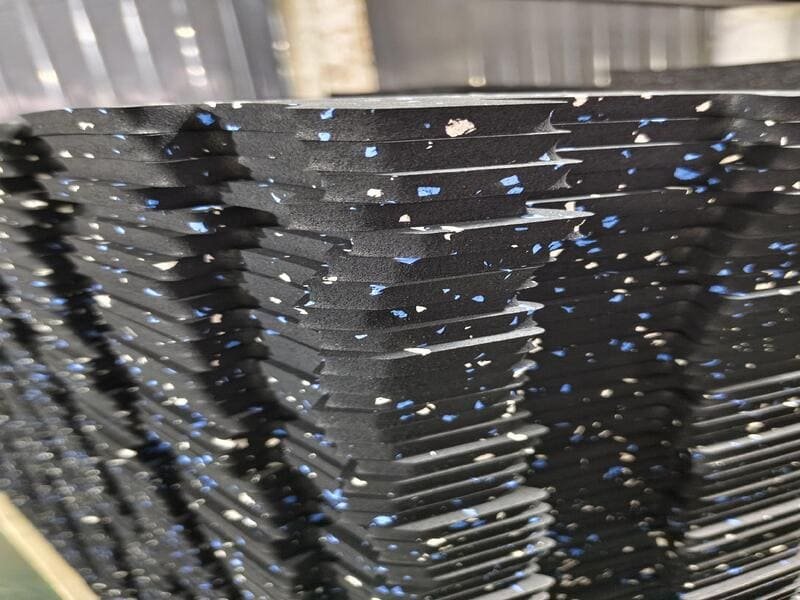
Poupar dinheiro em matérias-primas resulta frequentemente numa reputação de marca "tóxica".
Erro #3: Ignorar a humidade do subpavimento antes da instalação
Os compradores partem frequentemente do princípio de que a borracha é um vedante impermeável. Isto é falso. Se instalar borracha sobre betão "verde" ou subpavimentos húmidos sem fazer testes, a humidade fica retida. Isto leva à falha da cola, a rolos "borbulhantes" e ao crescimento de bolor negro debaixo do seu pavimento, que não verá até o cheiro se tornar insuportável.
O trabalho de preparação é onde 90% das falhas acontecem. Já vi belas instalações de 1000 m2 serem arruinadas porque o comprador não quis esperar 28 dias para o betão curar. A borracha não é respirável. Quando a humidade sobe da laje (MVT - Moisture Vapor Transmission), atinge a borracha e não tem para onde ir. A cola quebra-se e cria bolsas de ar. Compreensão o que verificar antes de escolher e instalar o pavimento de borracha para ginásio inclui testar os níveis de humidade do betão antes da instalação. Se os níveis forem elevados, é necessária uma barreira contra a humidade ou um sistema "flutuante" interligado que permita que o pavimento respire.
| Estado do subpavimento | Risco para a borracha | Solução |
|---|---|---|
| Betão húmido | Cola "Re-emulsificação" | Barreira de vapor de humidade em epóxi |
| Laje desnivelada | Costuras de tropeçar / Lacunas | Sub-base autonivelante |
| Testado e seco | Obrigação permanente | Cola de poliuretano standard |
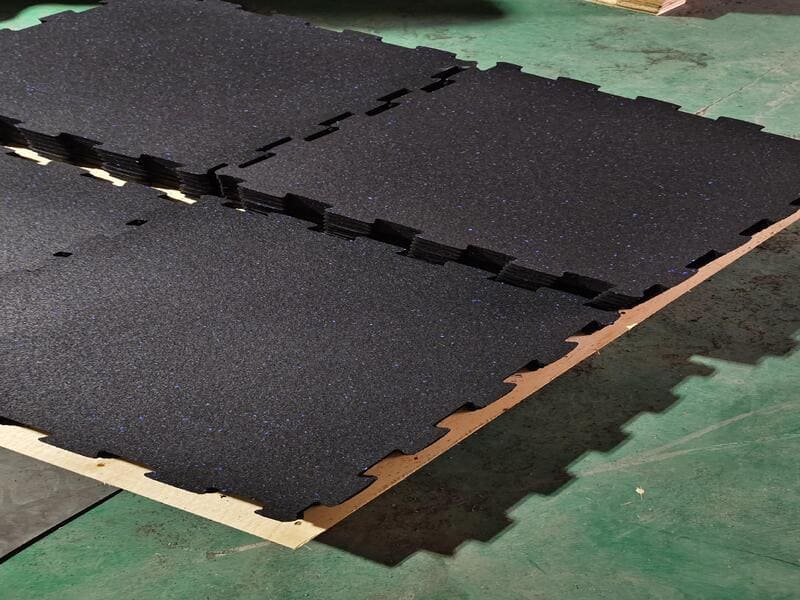
A melhor borracha do mundo falhará se a fundação estiver húmida.
Erro #4: Subestimar os custos ocultos de instalação e mão de obra
Os compradores escolhem frequentemente rolos de borracha pesados porque o "preço por metro quadrado" é mais baixo, ignorando que os rolos são quase impossíveis de instalar por uma pequena equipa. Os custos ocultos da mão de obra especializada, das colas de alta qualidade e do "fator de desperdício" (corte) tornam muitas vezes os rolos "baratos" mais caros do que os ladrilhos de encaixe "premium".
Já vi proprietários de ginásios em casa comprarem rolos de 100 kg pensando que é um trabalho de bricolage. Acabam por ficar com costuras irregulares e material desperdiçado porque não conseguiram cortar a borracha a direito. Para além disso, os rolos requerem cola para toda a superfície, o que representa mais um custo e um compromisso permanente. Por outro lado, os ladrilhos de encaixe podem ter um preço inicial mais elevado, mas poupa 100% em cola e 50% em mão de obra. Além disso, perde menos material devido a "restos". Quando receber um orçamento, calcule o Custo total instaladoe não apenas o custo do material.
- Rolos: Preço baixo do material + mão de obra elevada + custo elevado da cola + resíduos elevados.
- Interbloqueio: Preço mais elevado do material + Mão de obra zero (DIY) + Cola zero + Pouco desperdício.
- Ladrilhos quadrados: Preço médio do material + mão de obra média + cola necessária.
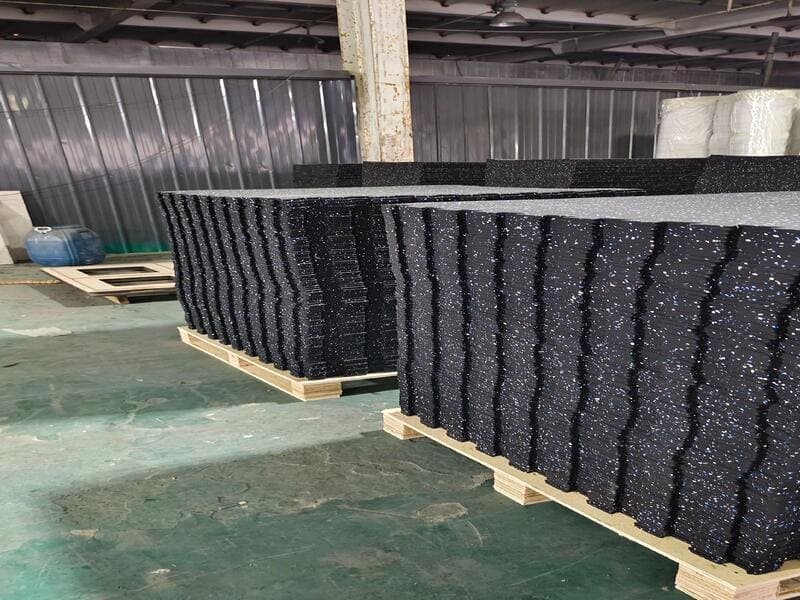
Muitos proprietários de instalações subestimam as questões ocultas envolvidas nas encomendas de pavimentos para ginásios a granelA maioria das empresas de construção civil, onde os custos de transporte, mão de obra e instalação podem exceder rapidamente a cotação original do material.
Lista de verificação rápida do comprador: Antes de assinar o pedido de compra
Utilize esta lista de verificação para verificar se o seu fornecedor não está a esconder um produto de baixa qualidade por detrás de um preço baixo:
- Densidade: É superior a 900 kg/m³ para zonas de musculação?
- Certificação: Podem fornecer um relatório VOC/FloorScore® recente?
- Pasta: É o 100% MDI Poliuretano (Baixo odor)?
- Tolerância: Os ladrilhos são cortados por CNC com uma precisão de ±0,5 mm (sem folgas)?
- Estabilidade UV: Se for utilizado perto de janelas, tem um teor mínimo de EPDM 10%?
- Garantia: A garantia cobre a utilização "comercial de elevado tráfego"?
Conclusão
Para evitar os maiores erros dos compradores, deixe de comparar etiquetas de preço e comece a comparar densidade e certificações. Concentre-se no "Custo por ano de utilização" em vez do "Custo de aquisição". Se quiser evitar estas armadilhas e obter uma avaliação técnica para as suas instalações, envie-me uma mensagem privada.
Pronto para evitar a "armadilha do orçamento" e obter um pavimento que realmente dure? Contacte-me diretamente para uma consulta técnica ou uma verificação da densidade das suas amostras actuais!