


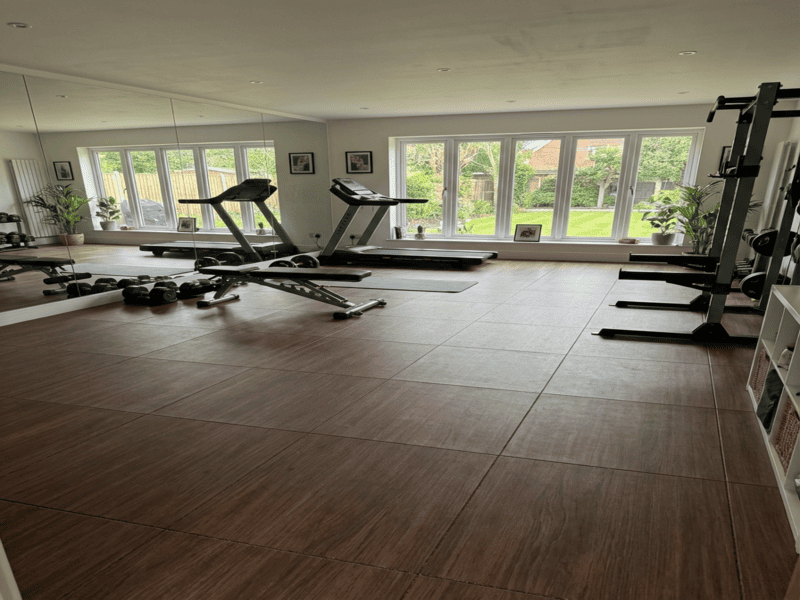
Een luidruchtige sportschool is een teken van energie, maar ongecontroleerd lawaai is een teken van een slecht ontwerp dat wordt veroorzaakt door drie factoren: structuurtrillingen, luchtlekkage en interne nagalm. Door deze "onzichtbare" pijlers aan te pakken, voorkomt u klachten van buren, beschermt u het gehoor van leden en verandert u een chaotisch magazijn in een eersteklas trainingsfaciliteit.
Als productiemanager die jarenlang rubbersamenstellingen heeft getest en toezicht heeft gehouden op de productie van vloeren, heb ik teveel eigenaren van sportscholen akoestiek zien negeren totdat ze een ontruimingsbevel kregen. Een sportschool is niet alleen een ruimte met gewichten; het is een complexe akoestische omgeving. Wanneer een deadlift van 100 kg de vloer raakt, ontstaat er een kettingreactie. Als je dit negeert, riskeer je klachten van buren in gebouwen met gemengd gebruik, ontevredenheid van leden omdat ze niet kunnen communiceren en zelfs veiligheidsrisico's door afleiding. De oplossing is niet alleen "schuim toevoegen". Het vereist inzicht in de fysica van hoe geluidsenergie door materialen beweegt ten opzichte van lucht. In dit artikel ga ik in op de drie verschillende soorten geluid - structuurgeluid, luchtgeluid en galm - en hoe u deze uit uw gebouw kunt weren.
TL;DR: Snelle oplossing - Stop klachten over lawaai van sportscholen in 24-72 uur
Als je sportschool al geluidsklachten ontvangt, begin dan hier voordat je investeert in een volledig akoestisch herontwerp. Deze stappen zullen de hoofdoorzaak niet wegnemen, maar ze kunnen je wel tijd besparen en klachten onmiddellijk verminderen.
- Implementeer een "No Drop" beleid: Verbied onmiddellijk ongecontroleerde gewichtsafnames buiten de aangewezen, gepolsterde tilzones.
- Tijdelijk een laagje op: Als je nog niet de hele vloer opnieuw kunt doen, koop dan op zichzelf staande rubberen tegels van 25-40 mm en plaats ze. daarboven van je bestaande vloer in deadliftgebieden.
- Dicht de gaten: Ga naar de bouwmarkt, koop akoestische weerbestendige strips en dicht alle kieren onder je deuren en ramen.
- Snijd de bas: Geluid met een lage frequentie gaat gemakkelijker door muren dan geluid met een hoge frequentie. Als je het volume van de subwoofer zachter zet, heb je meteen minder last van burengerucht.
- Overschakelen op bumperplaten: Vervang indien mogelijk de gietijzeren platen door rubberen stootplaten om het scherpe "metaal op metaal" stootgeluid te elimineren.
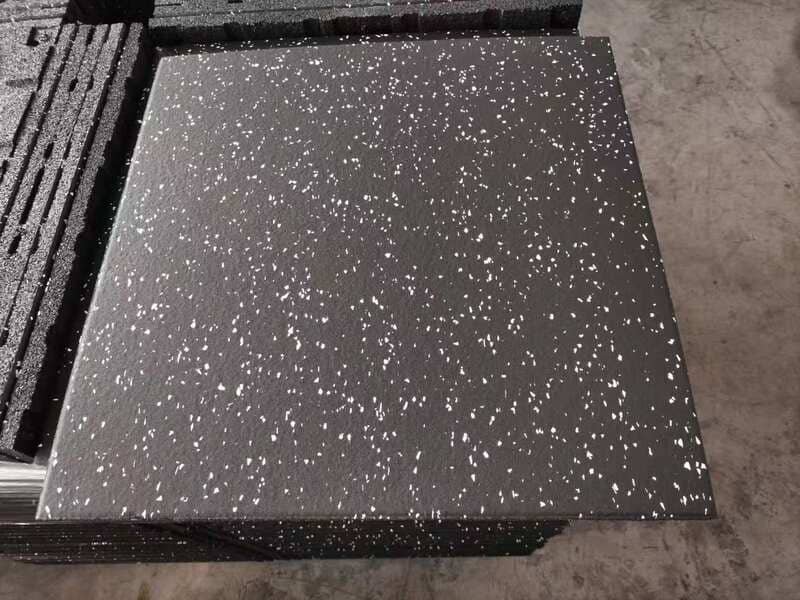
Nu we aan de noodrem hebben getrokken, laten we eens kijken naar de wetenschap achter het meest agressieve en schadelijke type geluid dat 90% van de burenruzies veroorzaakt.
Zendt uw vloer "goede trillingen" uit of alleen aardbevingen?
Structuurgeluid zijn trillingen die zich verplaatsen door de vaste materialen van het gebouw (balken, beton, pilaren) in plaats van door de lucht. Het is de belangrijkste oorzaak van klachten van buren en kan alleen worden tegengehouden door de impactbron "los te koppelen" van de ondervloer met behulp van professionele vloeren met een hoge dichtheid.
In mijn ervaring op de productievloer is het van cruciaal belang om impactenergie te begrijpen. Wanneer een zware halter de grond raakt, genereert hij kinetische energie. Als je vloer te dun is of niet de juiste dichtheid heeft, verdwijnt die energie niet. Dit is structuurgeluid. Het verplaatst zich door het skelet van het gebouw en manifesteert zich als een laagfrequente "plof" of trilling in de kamer drie verdiepingen lager. Loopbanden veroorzaken een soortgelijk probleem met herhaalde, laagfrequente dreunen.
Standard soundproofing foam or acoustic wall panels do absolutely nothing for this, which is Waarom rubber alleen geen oplossing is voor geluidsklachten beneden in multi-story facilities. To stop it, you need mass and damping. We design mats with specific polymer binders to create "decoupling." This means the mat absorbs the shockwave so the building doesn’t have to. For heavy weight zones, a cheap 10mm roll won’t cut it. You are dealing with physics that require substantial material density to dissipate that force.
| Geluidsbron | Transmissiepad | De sensatie voor buren |
|---|---|---|
| Deadlift vallen | Betonplaten & balken | Schudden/trillen (aardbevingsgevoel) |
| Loopband | Ondervloer | Ritmisch bonzen |
| Machine stapel | Muurverbindingen | Scherpe mechanische impact |
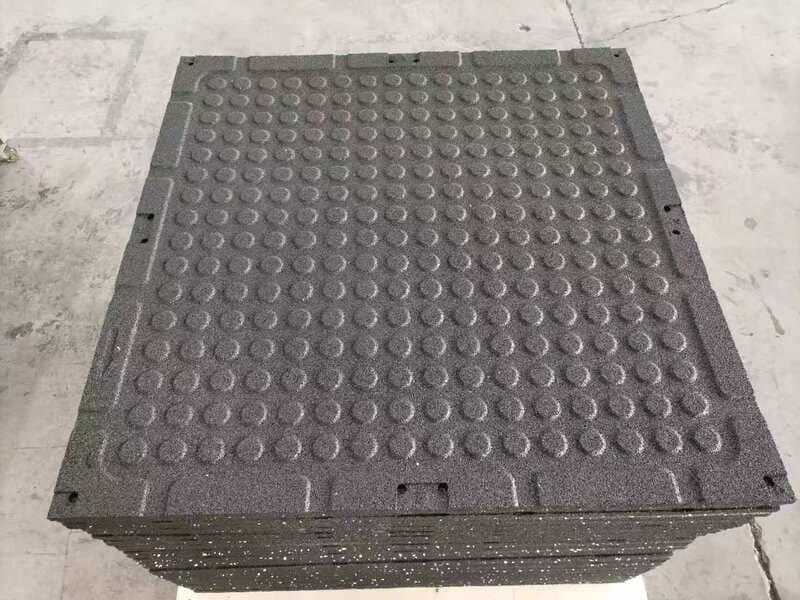
Terwijl het stoppen van trillingen je relatie met de buren redt, moet je ook het geluid stoppen dat door de kieren naar buiten lekt.
Lekken uw ramen en deuren als water?
Luchtgeluid verwijst naar geluidsgolven die rechtstreeks door de atmosfeer reizen en ontsnappen via kieren onder deuren, ventilatiekanalen en dunne muren. Het dichten van deze fysieke "lekken" is de meest effectieve manier om hoogfrequent geluid zoals muziek en geschreeuw binnen de perken te houden.
Zie luchtgeluid als water. Als er een gat in je sportschoolemmer zit, stroomt het geluid eruit. In een sportschool zijn de bronnen duidelijk: zware basmuziek, gegrom, geschreeuw en het metaal-op-metaal gekletter van ijzeren platen. Deze geluiden verplaatsen zich door de lucht totdat ze een barrière raken. Als je barrière (muur, deur, raam) kieren heeft, gaat het geluid er dwars doorheen.
Ik zie vaak dat eigenaars van sportscholen duizenden euro's uitgeven aan mooie geluidssystemen, maar onder de toegangsdeur een gat van een centimeter laten zitten. Die spleet ruïneert effectief de geluidsisolatie van de hele muur. Ventilatiekanalen (HVAC) zijn een andere grote boosdoener, omdat ze fungeren als spreekbuizen die gesprekken en muziek naar andere delen van het gebouw transporteren. Terwijl zware vloeren trillingen tegenhouden, vereist het tegenhouden van luchtgeluid "luchtdichtheid" en massa in de muren. Dunne gipsplaat trilt als een trommelvel en geeft geluid door naar de volgende kamer. U moet deze lekkagepunten identificeren en afdichten, of overschakelen op materialen die niet rinkelen als een bel wanneer ze worden geraakt door geluidsgolven.
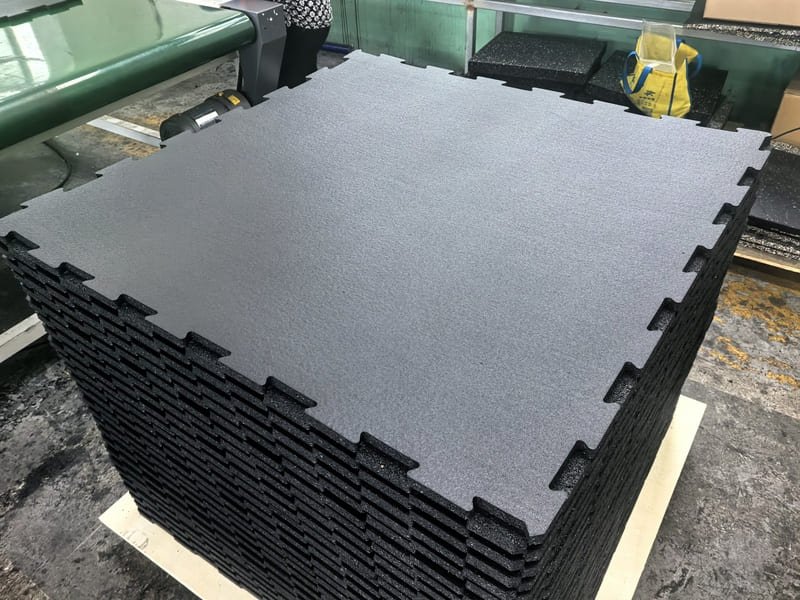
Als je eenmaal hebt voorkomen dat geluid naar buiten komt, moet je afrekenen met het geluid dat zichzelf binnenin opsluit en een chaotische echokamer creëert.
Is uw sportschool een echokamer die leden wegjaagt?
Nagalm is het voortduren van geluid dat weerkaatst tegen harde oppervlakken in de ruimte, waardoor de totale geluidsvloer hoger wordt. Om dit te verminderen moeten harde reflecterende oppervlakken vervangen worden door absorberende materialen om de speech clarity te verbeteren en "lawaaimoeheid" te verminderen.
Dit is de factor die de meeste eigenaren van sportscholen over het hoofd zien tot de openingsdag. Modern sportschoolontwerp houdt van industriële esthetiek: gepolijste betonnen vloeren, stalen plafonds, spiegels en glazen wanden. In de wereld van akoestiek noemen we dit "harde oppervlakken". Ze weerkaatsen bijna 100% van het geluid dat erop valt. Als er muziek klinkt, gewichten kletteren en mensen praten, kaatsen die geluidsgolven eindeloos rond omdat ze nergens heen kunnen.
Dit creëert het "Cocktail Party Effect". Het achtergrondgeluid wordt zo luid dat leden moeten schreeuwen om met hun spotter te praten. Vervolgens wordt het volume van de muziek harder gezet om het geschreeuw te overstemmen. Het is een vicieuze cirkel. Vanuit een productperspectief klinkt een ruimte met veel galm "goedkoop" en hard. Het maakt het coachen van lessen zoals CrossFit of Spinning bijna onmogelijk omdat de stem van de instructeur verandert in modder. We lossen dit op door "zachte" materialen te introduceren. Hoewel rubberen vloeren helpen, heb je vaak speciale absorptie op de muren of plafonds nodig om de geluidsgolven "op te vangen" en te voorkomen dat ze terugkaatsen.
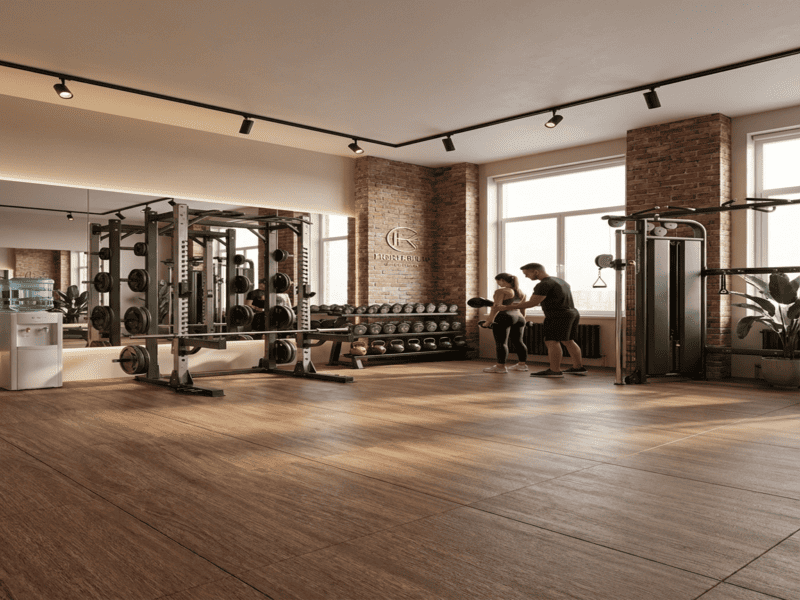
Nu we de drie vijanden van een rustige sportschool hebben geïdentificeerd, is dit hoe we engineeringprincipes kunnen toepassen om ze permanent te verhelpen.
Hoe zorg je voor stilte in een zone met zware gewichten?
Om lawaai van sportscholen onder controle te houden, moet je alle drie de factoren aanpakken: rubberen vloeren met een hoge dichtheid (20 mm-50 mm) installeren om schoktrillingen tegen te houden, luchtgaten afdichten om lawaai binnen te houden en akoestische panelen toevoegen om interne echo's te absorberen. Deze systematische aanpak zorgt voor een professionele, veilige en klachtenvrije omgeving.
Solving this isn’t about guessing; it starts with identifying Welk materiaal onderdrukt geluid by matching the material to the physics of your specific facility. Here is the practical approach I recommend to clients based on our testing data:
- Tackle Impact (De Stichting): Vloerbedekking is je eerste verdedigingslinie. Voor algemene krachtzones is een rubberen rol van 15 mm-20 mm voldoende. Voor deadliftzones of olympisch tillen heb je echter tegels van 25 tot 50 mm nodig. We gebruiken EPDM/SBR-rubbermengsels met een hoge dichtheid omdat ze niet uitvallen onder belasting. Overweeg ook kunstgrasbanen; de vezels werken als een natuurlijke geluidsdemper voor sleeën.
- Pak Airborne (De Barrière) aan: Loop door de omgeving. Doe tochtstrips op deuren. Als je dunne ramen hebt, kunnen zware gordijnen helpen. En het allerbelangrijkste: schakel indien mogelijk over op stootplaten in plaats van gietijzer. Het elimineren van de bron van het "gekletter" is goedkoper dan het geluiddicht maken van een muur.
- Pak Reverb (De Absorptie) aan: Je hoeft niet elke muur te bedekken. Het bedekken van slechts 20-30% van je muur- of plafondoppervlak met akoestische baffles of panelen maakt een enorm verschil. Zelfs het plaatsen van rubberen matten op muren in plyometrische ruimtes kan dienen als bescherming en geluidsabsorptie.
| Probleemgebied | De "onzichtbare" oorzaak | De technische oplossing |
|---|---|---|
| Klacht beneden | Structuurtrillingen | 25mm-50mm rubbertegels met hoge dichtheid |
| Lawaai in de hal | Lekkage in de lucht | Deurrubbers & Bumperplaten |
| Coach niet horen | Hoge nagalm | Akoestische plafondschotten of wandpanelen |
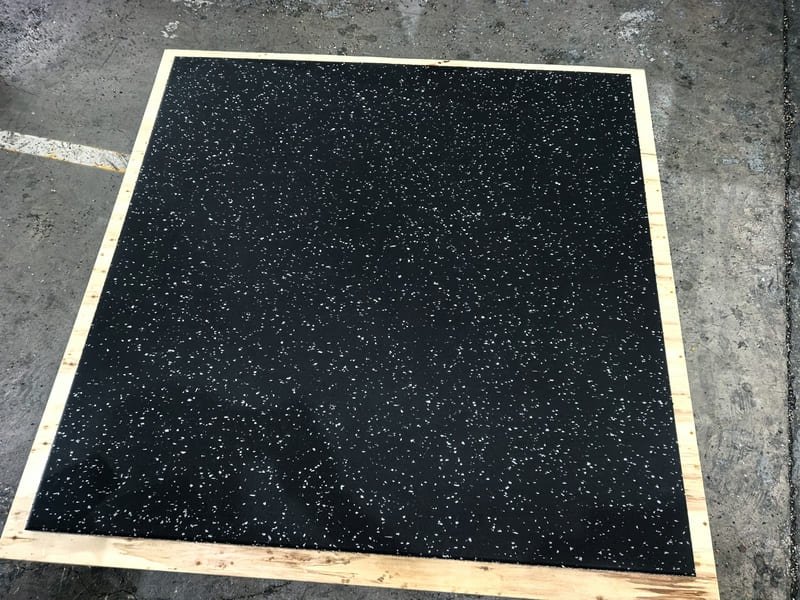
Door deze veranderingen door te voeren, verandert het gevoel van je sportschool van een lawaaierige garage in een professionele faciliteit.
Conclusie
Een rustige sportschool is een eersteklas sportschool. Je hebt geen bibliotheek nodig, maar je hebt wel gecontroleerde geluidsoverlast nodig om je bedrijfsvergunning en ledenbehoud te beschermen. Begin met de vloer: dit is de enige laag tussen uw gewichten en de structuur van het gebouw.
FAQ
V: Hoe dik moeten sportschoolvloeren zijn om geluidsklachten te voorkomen?
A: Voor algemeen gewichtheffen is 20 mm de basis. Voor zware belastingen (olympisch tillen/crossfit) op een betonnen ondervloer raad ik tegels van 40 tot 50 mm aan. Als u zich in een bovenwoning bevindt, hebt u misschien een speciale ondervloer nodig voor extra ontkoppeling.
V: Helpt kunstgras bij geluidsisolatie?
A: Ja, aanzienlijk. De combinatie van de grasvezels en de schuimrug absorbeert luchtgeluid (waardoor echo wordt verminderd) en verzacht de impact van sleeën en lichaamsgewichtoefeningen, waardoor structuurtrillingen worden verminderd.
V: Kan ik een fitnessruimte in een flatgebouw effectief geluiddicht maken?
A: Het is moeilijk maar mogelijk. Je moet een "zwevend vloersysteem" gebruiken (dikke rubberen tegels bovenop een schokabsorberende onderlaag) en de valuren strikt controleren. Het doel is om de ontkoppeling te maximaliseren zodat er geen trillingen worden doorgegeven aan de huurder eronder.