


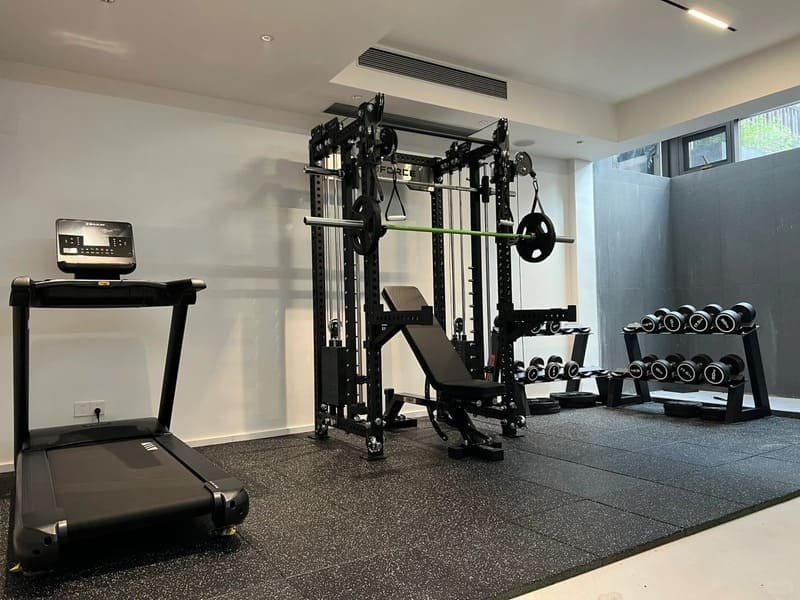
Is "geurarm" slechts een marketing modewoord of zit er echt techniek achter? Het antwoord ligt in de chemie. Een lage geur is het directe resultaat van het gebruik van gewassen grondstoffen, MDI-gebaseerde bindmiddelen en nauwkeurige peroxide uithardingsprocessen.
Het "sportschoolgeur" dilemma
We zijn allemaal wel eens een sportschool binnengelopen en werden geraakt door die muur van geur. Het is een mix van brandende banden, zure chemicaliën en muffe lucht. Voor managers van commerciële faciliteiten is het een magneet voor klachten. Voor eigenaars van een thuisfitnesszaal is het letterlijk een hoofdpijn.
Als productie-ingenieur die jarenlang productielijnen voor rubbervloeren heeft ontworpen, kan ik u vertellen dat "geur" de belangrijkste technische uitdaging is die we oplossen. Het is geen magie, het is chemie. Veel kopers denken dat alle rubber hetzelfde ruikt, maar dat is een misvatting. Het verschil tussen een mat waar je ogen van gaan tranen en een mat die vaag naar een nieuwe auto ruikt, komt neer op drie specifieke productiebeslissingen: de zuiverheid van de kruimel van de band, de kwaliteit van het bindmiddel en de vulkanisatiemethode.
In dit artikel zal ik een tipje van de sluier oplichten over onze fabrieksvloer. Ik zal precies uitleggen waar die giftige geuren vandaan komen, het verschil kwantificeren tussen "veilige" en "giftige" niveaus en je helpen de juiste kwaliteit te kiezen voor jouw specifieke fabriek.
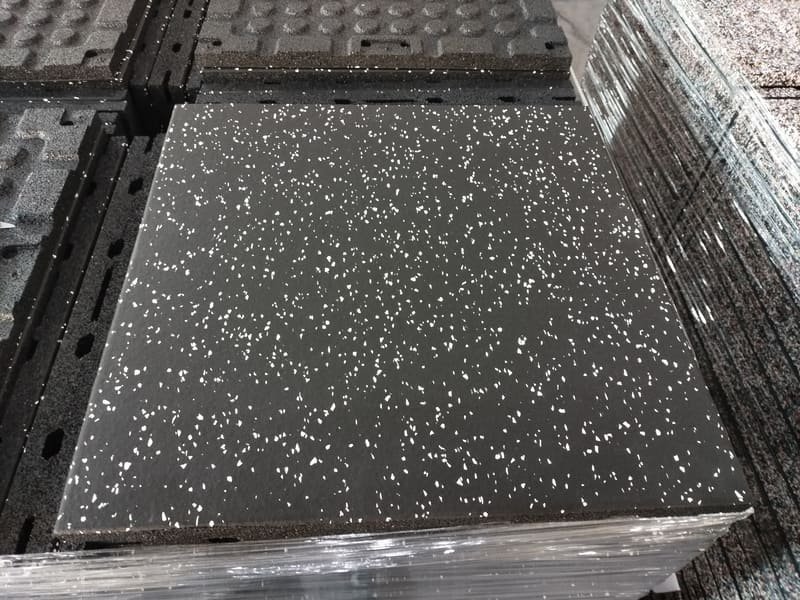
Om de oplossing te begrijpen, moeten we eerst naar de bron van het probleem kijken, te beginnen met de ingrediënten.
Bron #1: De grondstof (niet alle rubber is hetzelfde)?
Verandert de kwaliteit van het gerecyclede bandengranulaat de geur? Ja. Goedkope matten gebruiken "vuil" kruimelrubber dat remstof en oliën bevat, terwijl geurarme matten grondig gewassen, vezelvrije SBR-korrels of maagdelijk EPDM gebruiken.
Diep duiken: Het verschil tussen "vuil" en "schoon" rubber
In de productiewereld classificeren we rubbergranulaat op basis van zuiverheid. De meeste sportschoolmatten worden gemaakt van SBR (styreen-butadieen rubber), dat afkomstig is van gerecyclede autobanden. De verwerking van deze banden varieert echter enorm.
Goedkope productielijnen gebruiken wat wij "vuil" rubber noemen. Wanneer banden worden versnipperd, bevatten ze nog verontreinigingen zoals wegolie, remvloeistof, staaldraden en polyestervezels. Als deze niet worden verwijderd door een rigoureus was- en magnetisch scheidingsproces, komen ze in de verwarmingsmatrijs terecht. Wanneer je olie en remstof tijdens de productie verhit tot 160°C (320°F), komen er vluchtige stoffen vrij die vreselijk ruiken.
Op mijn productielijnen geven we "draad- en vezelvrij" gaas aan. We gebruiken ook een wasproces dat de oppervlakteoliën van de korrels verwijdert voordat ze in contact komen met de lijm. Voor hoogwaardige lijnen gebruiken we een toplaag van EPDM (Ethyleen Propyleen Diene Monomeer). In tegenstelling tot gerecyclede banden is EPDM nieuw rubber. Het is chemisch stabiel en heeft niet de zwavelachtige geschiedenis van een wegband, waardoor de geur van de onderlaag effectief wordt ingesloten. Als een fabrikant kosten bespaart op het ruwe reinigingsproces, kan geen enkele hoeveelheid parfum die geur verbergen.
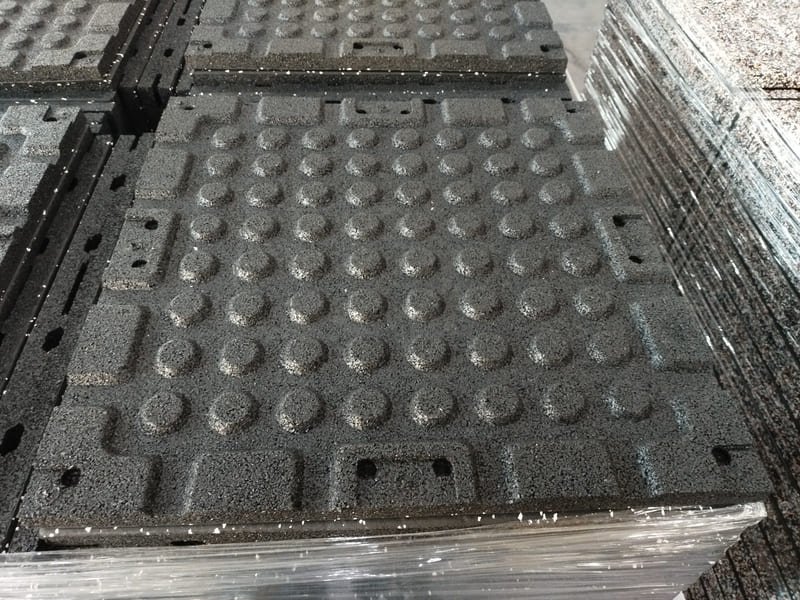
Zelfs met schoon rubber kan de geur nog overweldigend zijn als de verkeerde lijm wordt gebruikt om het bij elkaar te houden.
Bron #2: De bindagent (de verborgen boosdoener)?
Is het rubber zelf de hoofdoorzaak van de geur of is het de lijm? Verrassend genoeg komt de scherpe, chemische geur meestal van het bindmiddel. Oplosmiddelen van lage kwaliteit geven VOC's af, terwijl hoogwaardige MDI-bindmiddelen chemisch stabiel en vrijwel geurloos zijn.
Diep duiken: Polyurethaan bindmiddelen en VOC's
Dit is het meest technische deel van het proces, maar het is belangrijk dat je het begrijpt. Rubbergranulaat plakt niet uit zichzelf aan elkaar; we mengen het met een vloeibaar bindmiddel van polyurethaan (PU) voordat we het persen.
In de industrie hebben we twee hoofdkeuzes: standaard aromatische bindmiddelen of MDI-bindmiddelen (methyleendifenyldiisocyanaat).
Standaard bindmiddelen zijn goedkoper. Om ze gemakkelijker te kunnen spuiten en mengen, worden ze vaak verdund met zware oplosmiddelen. Wanneer deze oplosmiddelen reageren met vocht in de lucht of het rubber, komen er vluchtige organische stoffen (VOC's) vrij. Als je ooit een sportschoolmat hebt geroken die naar zure melk of benzine ruikt, dan ruik je het goedkope bindmiddel en niet het rubber.
In mijn procesontwerp geef ik de voorkeur aan bindmiddelen op basis van MDI voor series met een "lage geur". MDI is een helderder, sterker en duurder chemisch middel. Het hardt sneller uit en, nog belangrijker, het is niet afhankelijk van sterk oplosbare dragers. Zodra het uithardt, wordt het inert. Het reageert niet met de luchtvochtigheid in je sportschool, waardoor er later dampen vrijkomen. Het gebruik van MDI verhoogt onze grondstofkosten aanzienlijk, maar het is de enige manier om ervoor te zorgen dat de luchtkwaliteit in een afgesloten ruimte veilig blijft.
Zodra het rubber en het bindmiddel zijn gemengd, moeten ze worden gebakken. Hier wordt de geur ingesloten of afgegeven.
Bron #3: Het vulkanisatie- en uithardingsproces?
Welke invloed heeft de verwarmingsmethode op de uiteindelijke geur van de mat? Het bepaalt of het rubber volledig stabiel is. Zwavel uitharding laat een "rotte eieren" geur achter, terwijl peroxide uitharding sterke bindingen creëert zonder de geur.
Diep duiken: Zwavel vs. peroxide uitharding
Vulkaniseren is het proces waarbij rubber wordt verhit om het duurzaam te maken. Zie het als het bakken van een cake; als je het niet goed bakt, wordt het kleverig in het midden.
Er zijn twee chemische routes om dit te bereiken. De traditionele, goedkope methode is Zwavel uitharding. Zwavel is goedkoop en effectief in het uitharden van rubber, maar het laat vrije zwavelatomen achter. Deze atomen combineren met waterstof om waterstofsulfide te vormen, wat duidelijk naar rotte eieren ruikt. Als je een goedkope paardenboxmat koopt, is dit meestal de reden waarom hij zo stinkt.
Voor sportschoolvloeren waar mensen diep ademhalen, gebruiken we Peroxide uitharding of geavanceerde warmtebinding. Bij deze methode worden organische peroxiden gebruikt om de polymeerketens te verknopen. Het vereist hogere temperaturen en preciezere controle, maar het bijproduct is geen gas; het is gewoon een vaste alcohol die niet stinkt. Bovendien houden we de warmteverdeling strikt in de gaten. Als een mat "undercured" is (niet genoeg verhit), wordt het bindmiddel niet volledig hard en zal de mat oneindig lang gas afgeven. We zorgen ervoor dat elke mat 100% wordt uitgehard voordat hij de pers verlaat om deze chemische reactie te stoppen.
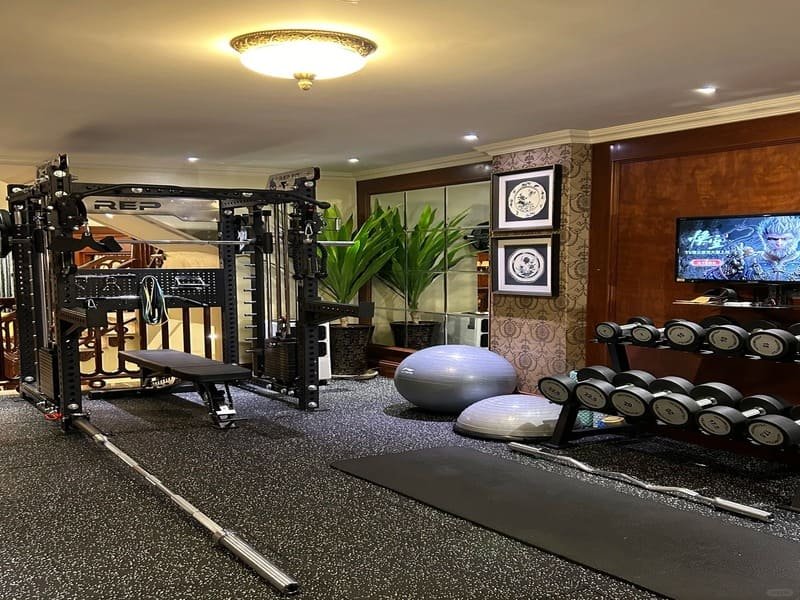
Zelfs perfect gemaakte matten hebben tijd nodig om te bezinken en dat brengt ons bij de laatste stap voor verzending.
Bron #4: Post-productie "ontgeuren"?
Waarom ruiken sommige nieuwe matten meteen bij het openen sterk en andere niet? Dat heeft te maken met de voorraadtijd. Verantwoordelijke fabrikanten laten matten "luchten" in het magazijn, terwijl anderen ze warm verpakken, waardoor de dampen worden vastgehouden.
Diep duiken: De "Airing Out" logistiek
Dit is een stap die niet te maken heeft met chemie, maar met logistiek en kosten. Wanneer een rubberen mat uit de mal komt, is hij heet. Net als bij een brood dat net uit de oven komt, komen er stoom en restgassen vrij als het afkoelt.
In een "rush-to-ship" bedrijfsmodel stapelen fabrikanten deze warme matten onmiddellijk op en wikkelen ze strak in plastic krimpfolie. Hierdoor wordt al het gas in de verpakking opgesloten. Wanneer u, de klant, weken later dat plastic opensnijdt, wordt u in het gezicht geraakt door geconcentreerde dampen.
In ons geoptimaliseerde proces implementeren we een "rustperiode". We stapelen de matten minimaal 24 tot 48 uur op geventileerde pallets in een temperatuurgecontroleerd magazijn voordat we ze verpakken. Hierdoor kan de eerste, onschadelijke rubbergeur op natuurlijke wijze verdwijnen. We gebruiken ook precisiesnijmachines om de randen bij te snijden. Soms worden de buitenranden van een mat lichtjes verbrand tijdens het vormen. Door dit weg te snijden, verwijderen we nog een potentiële bron van bijtende geur. Het kost meer magazijnruimte en tijd, maar het zorgt voor een betere ervaring bij het uitpakken.
Dus hoe controleer je of de productie succesvol was? We moeten naar de cijfers kijken.
De geur kwantificeren: Rubbergeur vs. VOC-uitstoot?
Kunnen we echt het verschil meten tussen een goedkope mat en een geurarme mat? Ja. Hoewel alle rubber een geur heeft, hebben gecertificeerde geurarme systemen VOC-emissies die drastisch lager zijn dan de standaard marktopties.
Diep duiken: De technische drempels
Het is belangrijk om realistisch te zijn: geen enkel rubberproduct is 100% geurloos zodra het uit de mal komt. Er is echter een enorme kloof tussen "waarneembare geur" en "schadelijke uitstoot".
In technische termen meten we dit door TVOC (totaal vluchtige organische stoffen) emissiewaarden.
- Standaardmatten (zwavel/goedkoop bindmiddel): Stoten vaak hoge concentraties verbindingen uit zoals koolstofdisulfide en benzeen. Deze niveaus kunnen maandenlang boven de aanbevolen veiligheidsdrempels blijven.
- Geurarme matten (Peroxide/MDI): Bij gecertificeerde geurarme systemen zijn de totale VOC-emissies meestal een orde van grootte lager dan bij zwavelhoudende, met oplosmiddelen verdunde matten.
We hebben het niet alleen over een klein verschil. Wanneer we MDI-gebonden EPDM-matten in een kamertest testen tegen standaard gerecyclede matten, vertonen de MDI-matten vaak al na 72 uur niet-detecteerbare niveaus van gevaarlijke VOC's. Dit is het verschil tussen een "nieuwe auto"-geur die na een week verdwijnt en een giftige chemische wolk die je kelder nooit meer verlaat. Dit is het verschil tussen een "nieuwe auto" geur die na een week vervaagt en een giftige chemische wolk die je kelder nooit verlaat.
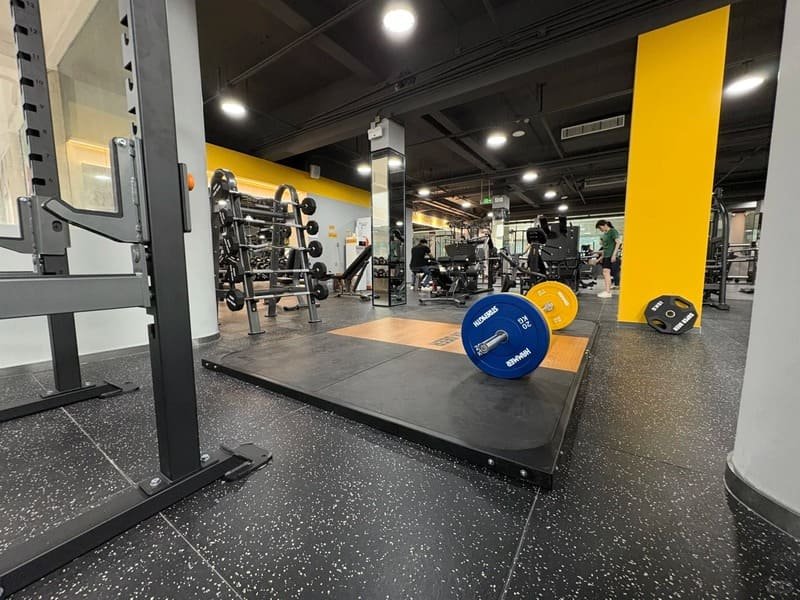
Inzicht in deze niveaus is cruciaal, omdat je vloerkeuze moet afhangen van waar je van plan bent hem te leggen.
Context is belangrijk: Geurtolerantie afstemmen op uw ruimte?
Heb je voor elke toepassing de duurste reukarme mat nodig? Niet noodzakelijkerwijs. Je keuze moet afhangen van de ventilatie, de grootte van de ruimte en wie de ruimte zal gebruiken.
Diepgaand onderzoek: Aanbevelingen op basis van scenario's
Als ingenieur geloof ik niet in het "overspecifiëren" van producten. Je hebt geen lucht- en ruimtevaartrubber nodig voor een schuur. Maar je hebt het absoluut nodig voor een kleine slaapkamer. Hier is hoe ik geurtolerantie categoriseer op basis van praktijkscenario's:
| Scenario | Geur tolerantie | Aanbevolen specificatie |
|---|---|---|
| Fitnessruimte thuis (kelder/garage) | Nul / zeer laag | Moet MDI-Binder / Virgin Top gebruiken. Deze ruimtes hebben vaak slechte ventilatie en lage plafonds. Een goedkope mat zorgt ervoor dat het hele huis gaat stinken. Sluit hier geen compromissen. |
| Commerciële sportschool (grote open ruimte) | Matig | Standaard geurarm SBR. Grote sportscholen hebben industriële HVAC-systemen die de lucht snel laten circuleren. Een SBR-mat van hoge kwaliteit is aanvaardbaar omdat het luchtvolume enorm is. |
| Scholen / ontwenningsklinieken | Strikt / Gevoelig | 100% Maagdelijk rubber of gevulkaniseerde rollen. Voor kinderen of patiënten met ademhalingsproblemen vermijden we bindmiddelen volledig en raden we volledig gevulkaniseerde rollen van zuiver rubber aan om te garanderen dat er geen giftige gassen vrijkomen. |
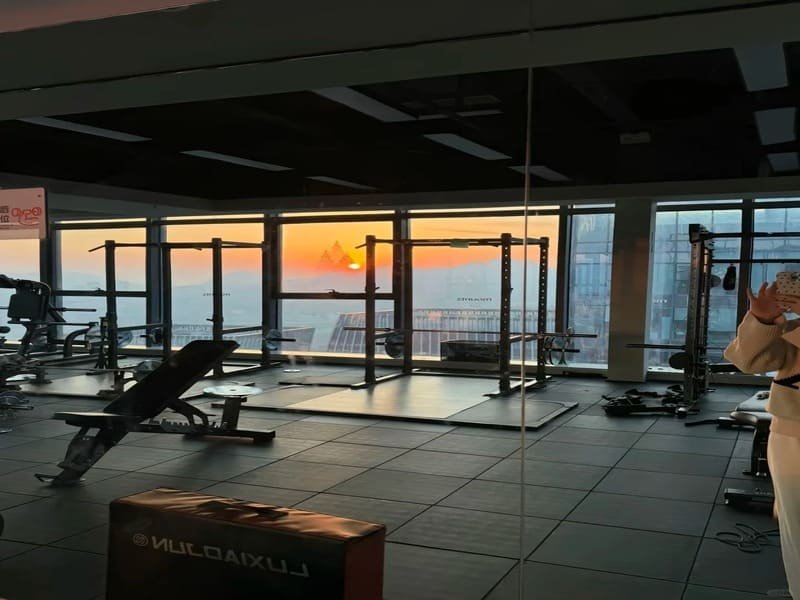
Nu je weet waar je op moet letten op basis van je ruimte, lees je hier hoe je het product kunt controleren voordat je het koopt.
Hoe claims controleren: Waar moet je op letten voordat je iets koopt?
Hoe weet je zeker dat een fabrikant niet liegt over zijn "lage geur"? Vraag naar certificeringen van derden zoals SGS of FloorScore en vraag altijd om een monster om je eigen geurtest uit te voeren.
Diep duiken: Certificeringen en vragen
Marketingbrochures kunnen van alles zeggen, maar laboratoriumrapporten liegen niet. Wanneer je rubber vloerbedekking inkoopt, moet je om documentatie vragen.
Zoek eerst naar Naleving REACH. Dit is een strenge regelgeving van de Europese Unie die op gevaarlijke stoffen test. Als een mat voldoet aan REACH, betekent dit dat hij getest is op honderden giftige chemicaliën en dat hij geslaagd is.
Ten tweede, zoek naar SGS-testrapportenspecifiek met betrekking tot VOC-emissies. Deze rapporten geven precies aan hoeveel gas de mat uitstoot.
Ten derde, zoek naar FloorScore certificering, een norm voor binnenluchtkwaliteit.
Wees tot slot niet bang om de leverancier aan de tand te voelen. Vraag het hem: "Gebruikt u MDI-bindmiddelen of standaard aromatische bindmiddelen?" Als de verkoper het niet weet of aarzelt, is dat een rode vlag. Vraag voordat je een bulkorder plaatst om een proefstukje. Leg dat monster 24 uur in een glazen pot of een kleine kast. Als je het openmaakt, zal je neus je alles vertellen wat je moet weten over hun productiekwaliteit. Raadpleeg onze uitgebreide gids voor een volledige technische checklist die verder gaat dan alleen geur: Wat moet u weten voordat u rubber vloerbedekking voor sportscholen kiest en installeert?
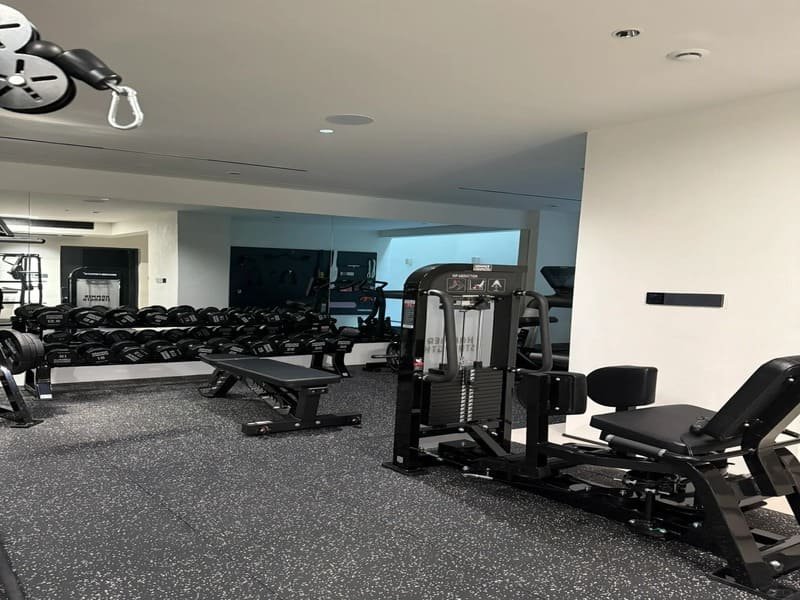
Conclusie
"Geurarme" rubbervloeren zijn geen toeval; het is een technische prestatie. Er moet worden geïnvesteerd in schone grondstoffen, eersteklas MDI-bindmiddelen en strenge procescontroles. Hoewel u misschien 10% bespaart op de prijs van een goedkopere mat, is de ruil daarvoor vaak een toename van de VOC-uitstoot met 1000% - een slechte deal voor elke thuisgymzaal of afgesloten ruimte.
Bio van de auteur:
Ik ben een Rubber Flooring Process Engineer met meer dan tien jaar ervaring in het ontwerpen van productielijnen voor commerciële en thuisgymnastiekvloeren. Ik ben gespecialiseerd in materiaalsamenstelling en productieoptimalisatie en zorg ervoor dat sportschoolvloerproducten voldoen aan strenge veiligheids- en prestatienormen voor wereldwijde markten.
Technisch advies nodig voor je volgende project?
Als u niet zeker weet welke vloerspecificatie bij uw faciliteit past of als u zelf het verschil wilt zien tussen standaard en MDI-matten, dan kan mijn team u helpen. We kunnen u voorzien van gegevensbladen, monstersets en een transparante offerte voor onze Low-Odor serie.
[Neem contact met ons op voor een gratis adviesgesprek & proefpakket].