


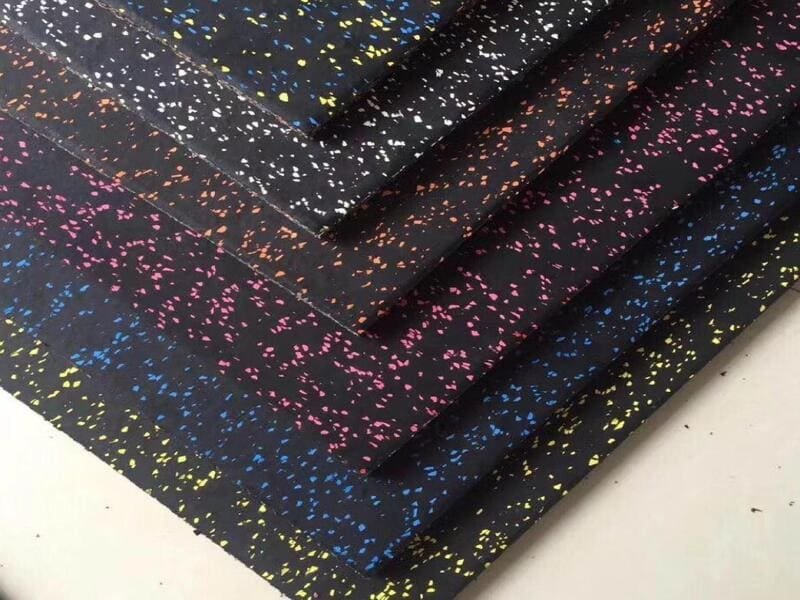
To clean chalk from rubber gym floors, first vacuum the area thoroughly while it is dry. Next, mop with a pH-neutral cleaner and immediately wipe or vacuum up the dirty water to prevent white streaks. Never wet-mop loose chalk, as this creates a white paste that sinks into the floor pores.
Cleaning magnesium carbonate (lifting chalk) is frustrating because it repels water. Most people make the mistake of using a soaking wet mop immediately, which just spreads a "white ghost" across the mats. The secret is dry extraction followed by a controlled wash. Chalk is an abrasive mineral; if left alone, these tiny particles act like sandpaper, drying out the rubber and causing it to crack over time. Whether you have a commercial crossfit box or a small home garage gym, the goal is to pull the chalk out of the rubber, not push it in.
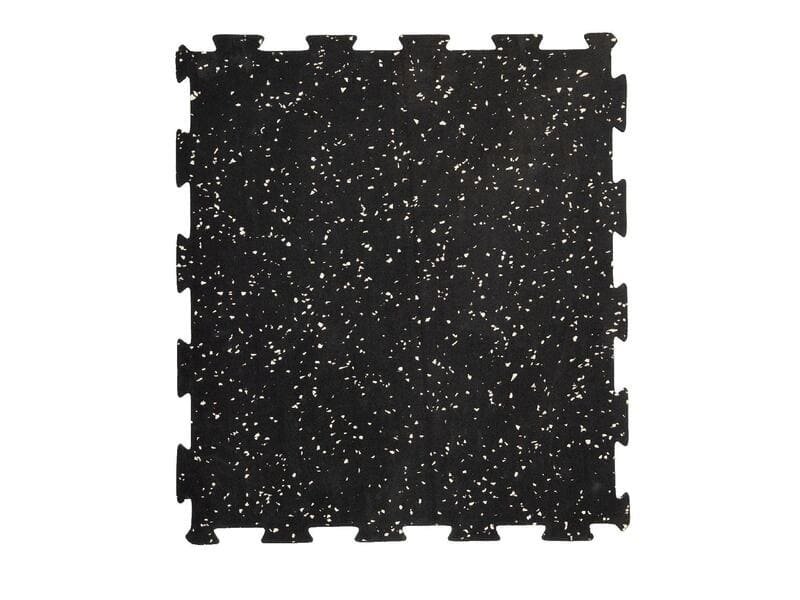
Below is the fastest, most effective way to restore the floor’s black finish and keep it safe for lifting.
Why Does My Rubber Floor Still Look White After Mopping?
Your floor looks white because chalk is a fine, water-resistant powder that gets trapped in the microscopic pores of the rubber. Traditional mopping turns the dry powder into a thin slurry that settles deep into the texture and leaves a "haze" once the water evaporates.
Recycled rubber (SBR) is naturally porous. Chalk particles are much smaller than these pores. When you use too much water without a proper cleaner, the surface tension traps the chalk inside. You aren’t actually removing the dirt; you are just redistributing it.
| Reinigingsmethode | Result on Chalk | Waarom? |
|---|---|---|
| Standard Wet Mop | White Streaks/Haze | Turns powder into a spreadable "mud." |
| Droog zuigen | 80% Removal | Lifts loose particles before they stick. |
| Scrub & Wet-Vac | 100% Verwijdering | Breaks the bond and physically extracts the waste. |
If you can see white dust, do not touch it with a wet mop yet. The more you remove while dry, the easier the process will be. If white "clouds" appear as the floor dries, it means there is still residue trapped in the texture that needs to be lifted out.
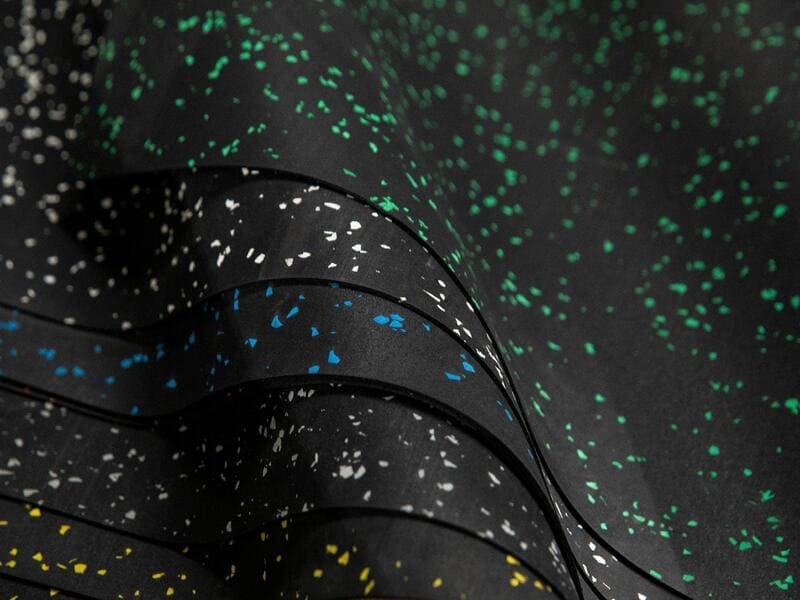
Getting the right result requires a few specific tools, and most are likely already in your supply closet.
What Are the Best Tools for Quick Chalk Removal?
The best tools are a vacuum with a brush roll, a pH-neutral floor cleaner, and a microfiber mop or wet-vac. Avoid bleach, ammonia, and oil-based cleaners, as these chemicals will damage the rubber binders and make the floor slippery or brittle.
A pH-neutral cleaner (like mild dish soap or specialized rubber floor soap) is safe for the polyurethane glue that holds the floor together. A HEPA vacuum is a major advantage because it prevents fine chalk dust from blowing out the back of the machine and settling back onto the floor.
| Gereedschap | Professional Choice | Home Gym Alternative |
|---|---|---|
| Vacuum | HEPA Industrial Vac | Standard Shop-Vac or Upright |
| Cleaner | Commercial Rubber Floor Soap | Mild Dish Soap (pH Neutral) |
| Agitator | Nylon Deck Brush | Microvezel vlakmop |
| Extraction | Walk-behind Scrubber | Wet/Dry Vac or dry Microfiber cloth |
Avoid traditional cotton "string" mops. They are too bulky to get into the rubber pores and often leave more lint and dirty water behind than they pick up. Microfiber is much better because it acts like a magnet for fine dust.
With your tools ready, follow this simple 3-step process to get that "factory black" look back.
What Is the Simple 3-Step Cleaning Process?
The fastest way to clean chalk is: 1. Vacuum thoroughly while dry. 2. Spray a mild cleaning solution and scrub lightly with a brush or mop. 3. Immediately suck up or wipe away the dirty water before it dries back into the pores.
Step 1: Dry Extraction (Don’t Skip This!)
Use a vacuum to go over the chalky areas twice. If you are cleaning a lifting platform, use a brush attachment to agitate the dust. You want to see the black color of the rubber returning before you even touch a drop of water.
Step 2: The "Less is More" Wash
Mix a pH-neutral cleaner with warm water. Do not soak the floor. Use a spray bottle or a damp (not dripping) mop. For heavy white stains, use a nylon brush to scrub in a circular motion. This creates a light lather that suspends the chalk particles.
Step 3: Fast Extraction
If you let the soapy water air-dry, the chalk stays on the floor. Use a wet-vac to suck up the liquid. If you don’t have one, use a fresh, dry microfiber towel to "blot" and wipe the area. You must remove the water while it is still dirty.
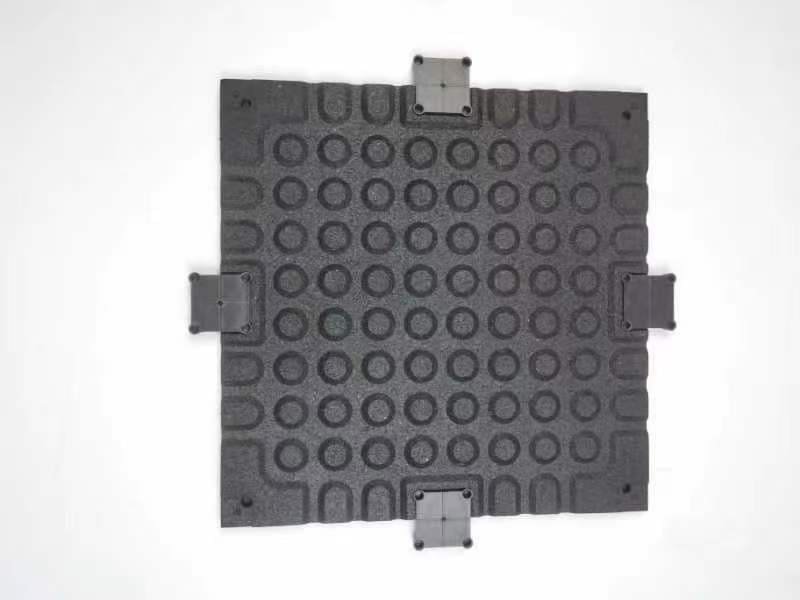
If white marks remain after this, it usually means the chalk has been there a long time and needs a second round of scrubbing.
Can I Use Vinegar to Clean My Gym Floor?
You can use highly diluted vinegar (1 cup per gallon of water) for stubborn white spots, but it should not be a daily cleaner. The acidity in vinegar can slowly break down the rubber binders over time, making the floor feel "crumbly" or porous.
Vinegar is cheap and cuts through mineral deposits, but constant acid exposure is harmful to rubber. If you use it, always rinse the area with plain water afterward to neutralize the surface.
- Better Alternative: Use a specialized rubber floor degreaser. It is designed to lift magnesium without acidic side effects.
- Avoid Bleach: Never use bleach. It oxidizes the rubber, turning a black floor gray and reducing its natural grip.
Even the best cleaning routine is easier if you stop the mess before it starts.
How Can I Stop Chalk from Ruining My Floors?
The best way to prevent buildup is to switch to liquid chalk or use chalk balls. These create significantly less airborne dust. Additionally, placing air purifiers near lifting stations can catch the "chalk cloud" before it hits the floor.
Liquid chalk is magnesium carbonate mixed with alcohol; it stays on the hands and does not fly into the air. If the gym allows block chalk, consider "chalk-free" zones for cardio or stretching areas to keep the mess contained to the lifting platforms.
- Chalk Balls: 50% less mess than loose powder.
- Liquid Chalk: 90% less mess; the best option for clean gyms.
- Daily Vacuuming: Spending 5 minutes vacuuming every night reduces the need for deep cleaning to once a month.
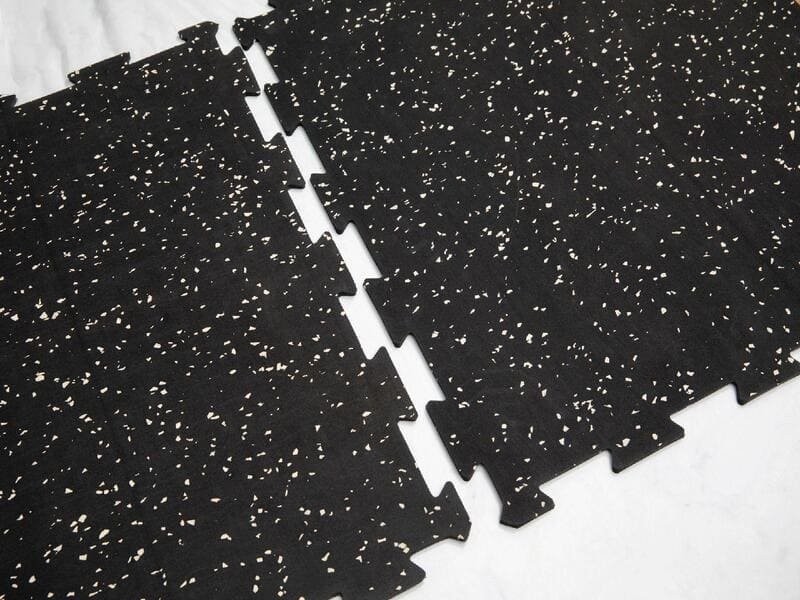
By following these simple steps, the gym stays professional and the floors stay in top condition for years.
Conclusie
To clean gym chalk, vacuum the dust while dry, scrub with pH-neutral soap, and extract the dirty water immediately.
If you need help choosing more durable, easy-to-clean rubber mats or want a custom floor layout for your space, feel free to reach out for more information!