


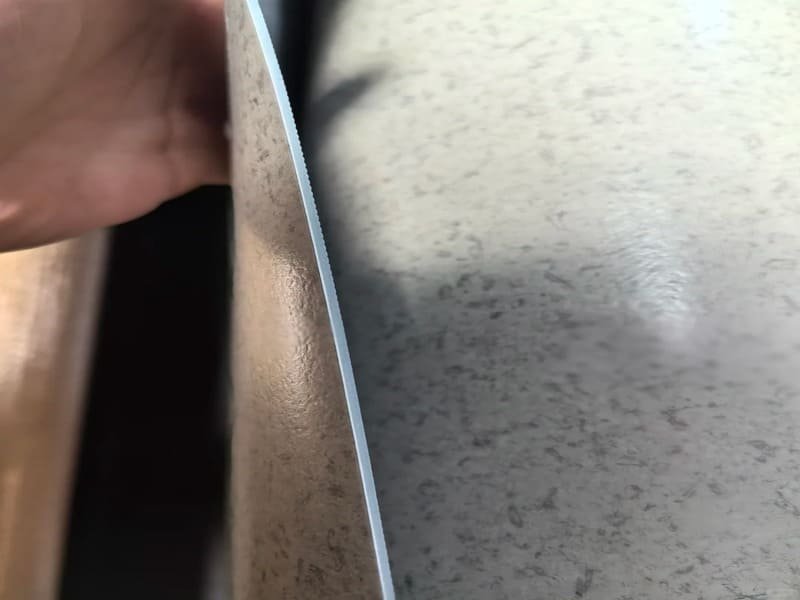
U kunt het aantal dwarsnaden verminderen door rollen op maat te gebruiken, de rollen parallel aan de gang te leggen en de indeling van de naden te plannen voordat de installatie van start gaat. Dit vermindert het aantal zwakke plekken, verlaagt de onderhoudskosten en verlengt de levensduur van de vloer.
Lange gangen krijgen elke dag flink wat te verduren. Er rijden karren doorheen. Brancards komen voorbij. Voeten lopen snel en zwaar. In ziekenhuizen, scholen en kantoren behoren deze gangen tot de drukste ruimtes in het hele gebouw. Als ik naar een gangvloer kijk die voortijdig verslijt, is de oorzaak bijna altijd dezelfde: te veel dwarsnaden die de looproute kruisen. Elke van deze naden is een zwak punt. Wielen raken ze keer op keer in een rechte hoek, en die impact tilt randen op, zorgt voor openingen en laat vocht en vuil binnendringen. Op den duur leidt dit tot hogere schoonmaakkosten, meer reparaties en een kortere levensduur van de vloer. Het goede nieuws is dat dit probleem te voorkomen is. Met de juiste specificaties voor PVC-rolbanen, een slimme indeling en de juiste installatiemethoden kunnen de meeste dwarsnaden worden vermeden of tot een minimum worden beperkt. In deze gids worden de exacte stappen beschreven die ik gebruik om gangvloeren te ontwerpen en te leggen met zo min mogelijk dwarsnaden.
Voordat ik inga op de strategieën, is het handig om te begrijpen waarom niet alle naden hetzelfde zijn. Sommige naden zorgen voor echte problemen. Andere spelen nauwelijks een rol. Laten we het verschil eens nader bekijken.
Wat is het verschil tussen lengtenaden en dwarsnaden?
Langs de gang lopen lengtenaden. Dwarsaden lopen over de breedte ervan. Dwarsaden worden rechtstreeks blootgesteld aan de impact van de wielen en gaan veel sneller kapot dan lengtenaden.
| Naadtype | Richting | Gevolgen voor het verkeer | Faalrisico |
|---|---|---|---|
| Longitudinaal | Evenwijdig aan de lengte van de gang | De wielen rollen langs de naad | Laag |
| Kruis (dwars) | Loodrecht op de breedte van de gang | De wielen raakten de naad frontaal | Hoog |
Een lengtenaad loopt in de richting waarin mensen en apparatuur zich verplaatsen. Wielen rollen erlangs, niet eroverheen, waardoor de belasting laag en constant blijft. Een dwarsnaad is anders. Deze loopt dwars over het looppad en het rolpad. Elke kar, rolstoel of brancard raakt deze naad in een hoek van 90 graden, en die harde impact oefent keer op keer druk uit op de naadrand. Bij maandenlang dagelijks gebruik is het deze herhaalde schok die ervoor zorgt dat de rand omhoog komt en de naad uiteindelijk bezwijkt. Dwarsnaden vallen ook meer op in een smalle gang, omdat de lijn zich nergens kan verbergen. En omdat bij het dweilen en schrobben water door de gang wordt geduwd, wordt elke zwakke dwarsnaad een plek waar vloeistof kan blijven staan en onder de vloerbedekking kan sijpelen. Daarom is, naar mijn ervaring, het eerste doel bij het ontwerpen van gangen altijd het verminderen of verwijderen van dwarsnaden, waar de indeling dat toelaat.
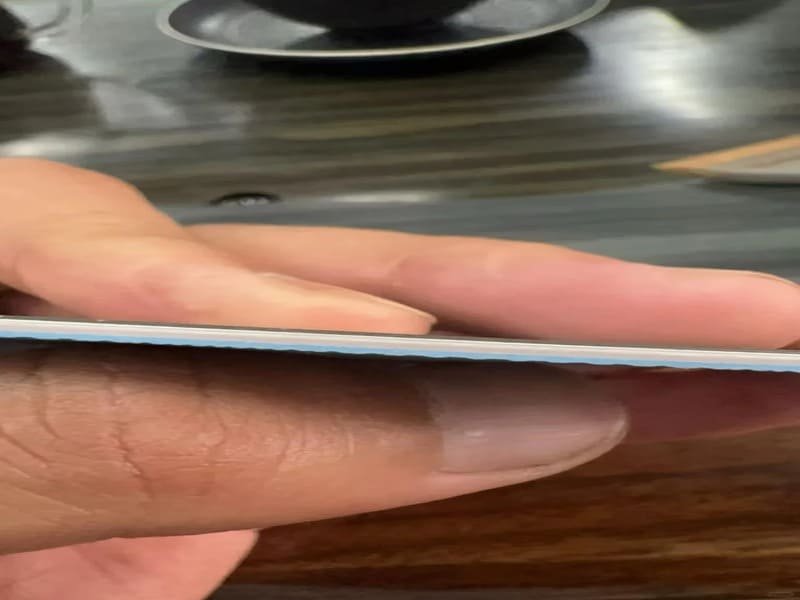
Als je eenmaal weet waarom kruisnaden meer schade veroorzaken, is de volgende vraag van praktische aard. Wat kun je concreet doen om ze in een echt project te vermijden?
Wat zijn de belangrijkste strategieën om dwarsnaden te minimaliseren of te elimineren?
Bestel rollen op maat, leg de rollen parallel aan de lengteas van de gang en kies voor patronen die niet richtinggebonden zijn. Door deze drie keuzes worden de meeste dwarsnaden al weggewerkt voordat de installatie zelfs maar begint.
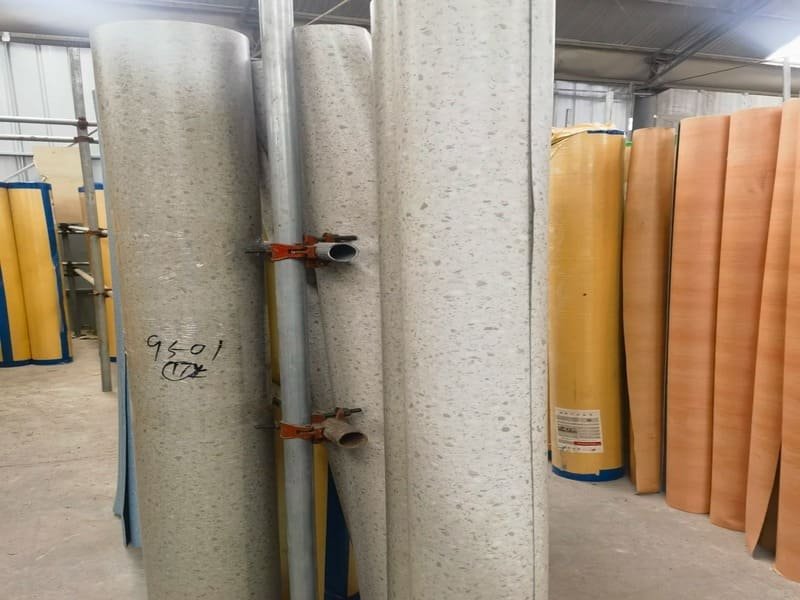
De eerste strategie betreft de rollengte. Standaard PVC-rolbanen worden vaak geleverd in vaste lengtes, zoals 20 meter. Als een gang langer is dan dat, is een dwarsnaad onvermijdelijk, tenzij de rollengte op maat wordt gemaakt. Ik raad altijd aan om in een vroeg stadium van het project bij de fabriek te informeren naar mogelijkheden voor op maat gesneden banen of doorlopende rollen. Zo kan één baan over de volledige lengte van de gang worden gelegd zonder onderbreking. Het nadeel is de hantering: langere, zwaardere rollen vereisen bredere liften, vrije transportpaden en voldoende personeel om ze veilig op te tillen en af te rollen. Dit moet dus al tijdens de planning van de bouwplaats worden gecontroleerd, en niet pas op de dag van de installatie.
De tweede strategie betreft de ligging. Rollen moeten altijd parallel aan de lengteas van de gang worden gelegd, nooit dwars daarop. Als de gang smaller is dan de rolbreedte, kan één enkele rol soms de volledige breedte bestrijken zonder naden in beide richtingen. Wanneer de gang breder is dan één rol, worden meerdere rollen naast elkaar gelegd, waardoor alleen lengtenaden ontstaan, nooit dwarsnaden. Ik raad ook aan om CAD-schema’s voor de naadindeling te maken voordat het team ter plaatse arriveert, aangezien een vooraf gepland zaagblad onbedoelde dwarszaagsneden voorkomt die vaak voorkomen onder tijdsdruk.
De derde strategie betreft de keuze van het patroon. Bij niet-richtingsgebonden patronen hebben installateurs de flexibiliteit om de banen te draaien of restmateriaal te gebruiken zonder dat er een zichtbare onderbreking in het ontwerp ontstaat. Bij richtingsgebonden patronen moet zorgvuldig worden gelet op de herhalingslengte, anders kan de installateur gedwongen worden een dwarsnaad aan te brengen, alleen maar om het patroon op één lijn te houden.
Planning lost het grootste deel van het probleem op, maar niet alles. In sommige gangen is een dwarsnaad nu eenmaal onvermijdelijk. Als dat het geval is, draait alles om de uitvoering.
Hoe moeten professionele installateurs omgaan met naden die niet te vermijden zijn?
Gebruik nauwkeurig snijwerk, thermisch smeltlassen en lijm over het gehele oppervlak, in combinatie met een goede voorbereiding van de ondervloer. Deze stappen zorgen ervoor dat eventuele resterende dwarsnaden sterk, afgedicht en bestand zijn tegen zware rolbelastingen.
Nauwkeurig afkorten en onderfrezen
De eerste stap is het nauwkeurig insnijden van de naadrand. Als de randen van de twee platen onder spanning elkaar overlappen in plaats van strak tegen elkaar aan te liggen, werkt die opgebouwde spanning na verloop van tijd tegen de naad in, waardoor deze maanden later omhoog komt te staan. Een strakke, nauwkeurige snede van rand tot rand voorkomt dit risico vanaf dag één.
Thermisch smeltlassen
Voor de meeste commerciële gangpaden maak ik gebruik van thermisch hotmelt-lassen met PVC-lasstaven. Hierbij wordt een groef langs de naadlijn gemaakt en wordt de lasstaaf op zijn plaats gelast, waardoor de randen van de twee platen samensmelten tot één doorlopende, hygiënische en waterdichte lijn. Het is belangrijk om de dichtheid van de lasstaaf af te stemmen op die van de vloerplaat zelf, aangezien materialen met een verschillende dichtheid in verschillende mate uitzetten en krimpen, waardoor er later scheuren kunnen ontstaan.
Koudchemisch lassen
Koudchemisch lassen is een nuttig alternatief wanneer de voorkeur uitgaat naar een zeer onopvallende, bijna onzichtbare naad, hoewel deze methode doorgaans wordt voorbehouden voor gebieden met lichter verkeer en niet voor de drukste verkeersaders.
Voorbereiding van de ondervloer
Geen van deze voegtechnieken werkt goed zonder een goede voorbereiding van de ondervloer en lijm die over het gehele oppervlak wordt aangebracht. Alleen door volledig contact onder de randen van de voegen kan de vloer de voortdurende belasting door rollende lasten weerstaan; deze stap mag dus nooit worden overgeslagen om tijd te besparen.
| Naadmethode | Beste gebruikscasus | Belangrijkste voordeel |
|---|---|---|
| Nauwkeurig onderfrezen | Alle naden | Verwijdert de spanning door overlapping |
| Thermisch smeltlassen | Drukke verkeersassen | Waterdichte, duurzame verbinding |
| Koud chemisch lassen | Gebieden met minder verkeer waar cosmetische verbeteringen prioriteit hebben | Onopvallend, subtiele afwerking |
Met deze legtechniek worden de naden langs het rechte gedeelte van een gang verwerkt. Maar gangen zijn zelden alleen maar rechte lijnen, en voor bepaalde architectonische kenmerken is een eigen aanpak nodig.
Voor welke architectonische kenmerken zijn speciale oplossingen voor dwarsnaden nodig?
T-kruisingen, L-vormige kruisingen en dilatatievoegen in gebouwen vereisen elk een specifieke opbouw of overgangsprofiel, en geen standaard lasnaad, om op lange termijn duurzaam te blijven.
Kruispunten van gangen, waar de ene gang de andere kruist, behoren tot de lastigste punten in elk indelingsplan. Bij een T-kruising of een L-vorm moet het naadplan van de ene gang naadloos aansluiten op het naadplan van de andere, en drempels van deuropeningen vormen een extra overgangspunt waarmee rekening moet worden gehouden. Ik breng deze kruispunten altijd eerst in kaart in de CAD-plattegrond voordat ik materiaal ga zagen, aangezien het corrigeren van een verkeerd uitgelijnde naad na de installatie veel duurder is dan het vanaf het begin correct plannen.
Uitzetvoegen zijn een heel ander verhaal en mogen nooit worden verward met een dwarsnaad in de vloer. Een constructieve uitzetvoeg in het gebouw is ontworpen om mee te bewegen met het gebouw zelf, en een starre, gelaste PVC-naad die eroverheen loopt, zal onder die beweging barsten. Op deze plaatsen is in plaats daarvan een speciaal overgangsprofiel voor uitzetvoegen nodig, waardoor het gebouw kan bewegen zonder de vloer erboven te beschadigen.
Door deze bouwkundige details goed uit te werken, wordt de vloer structureel beschermd. Maar elke keuze in deze gids brengt ook kosten met zich mee, en het is de moeite waard om daar eerlijk naar te kijken.
Is het verminderen van dwarsnaden de extra materiaalkosten waard?
Ja. Doorlopende rollen brengen in eerste instantie hogere materiaalkosten met zich mee, maar dankzij de kortere arbeidstijd, minder reparaties en een langere levensduur leveren ze op de lange termijn een hoger rendement op dan korte, goedkopere rollen.
Het bestellen van langere doorlopende rollen leidt bij sommige indelingen inderdaad tot meer afval door snijresten, en het kost per project meer, alleen al wat het materiaal betreft. Ik begrijp waarom sommige aannemers hierover twijfelen. Maar als ik de totale levenscycluskosten bereken, pleiten de cijfers meestal voor minder naden. Elke naad kost arbeidstijd om te groeven en te lassen, en die arbeidskosten lopen snel op bij een lange gang. Minder naden betekent ook minder reparatieverzoeken in de toekomst en minder werk voor grondige reiniging van naadlijnen waarin vuil en vocht blijven zitten. Het belangrijkste is dat een gang met minder kwetsbare punten simpelweg langer meegaat voordat deze vervangen moet worden. Wanneer ik deze afweging met klanten doorneem, presenteer ik het als een investering in de levensduur, niet alleen als een post op de materiaalkostenbegroting.
Nu de kostenkwestie is opgehelderd, is het laatste wat we moeten doen ervoor zorgen dat er niets over het hoofd wordt gezien voordat het project überhaupt van start gaat.
Wat moet er op een checklist vóór de start van een project voor corridors zonder kruisende naden staan?
Een gedegen checklist omvat nauwkeurige metingen, de compatibiliteit van de rolbreedte, bevestiging van de productiecapaciteit, toegankelijkheid van de locatie voor zware rollen en een definitief goedgekeurd CAD-ontwerp van de naad vóór de installatie.
- Nauwkeurige opmeting van de gang, inclusief lengte, breedte en eventuele nissen
- De rolbreedte is vergeleken met de volledige gangbreedte
- Bevestiging door de fabriek dat rollen met een doorlopende lengte of op maat gemaakte lengte kunnen worden geleverd
- Toegang tot het terrein, transporttraject en overslagapparatuur beoordeeld voor zware rollen
- Definitief plan voor de plaatsing van de naden (CAD), goedgekeurd door de architect en de installateur
Door deze lijst door te nemen voordat je materiaal bestelt, bespaar je tijd, voorkom je verrassingen op de bouwplaats en zorg je ervoor dat iedereen die bij het project betrokken is, dezelfde indeling hanteert.
Conclusie
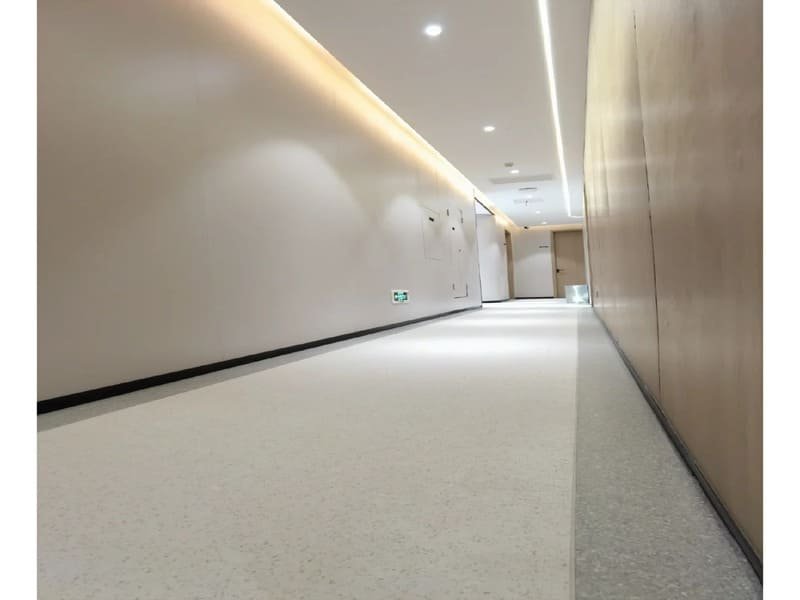
Het aantal dwarsnaden in de gang is te verminderen door een slimme inkoop van rollen, een zorgvuldige lay-outplanning en vakkundig laswerk.
Veelgestelde vragen
V: Welke rolbreedte moet ik kiezen voor een standaard ziekenhuisgang van 6 voet breed?
Met een rol van 2 m (ongeveer 6,5 ft) breed kun je in één keer veel standaard gangbreedtes bedekken, waarbij zowel de lengte- als de dwarsnaden in één keer worden verwijderd. Ik controleer altijd eerst ter plaatse de exacte gangbreedte, want zelfs een afwijking van slechts enkele centimeters heeft invloed op de berekening van de rol.
V: Kan ik koudlassen en smeltlassen in dezelfde gang combineren?
Ja, hoewel ik hot-melt-lassen over het algemeen beperk tot de zones met het zwaarste verkeer en koudlassen reserveer voor zijgebieden met minder verkeer, aangezien de twee methoden op verschillende manieren omgaan met de belasting door rollend verkeer.
V: Hoe weet ik of een opening in de vloer te wijten is aan een naad of dat het een constructieve dilatatievoeg betreft?
Een structurele dilatatievoeg valt doorgaans samen met een zichtbare opening in het beton- of staalskelet van het gebouw, en niet alleen in de vloer. Als de dilatatievoeg aan de bouwconstructie is bevestigd, is er een overgangsprofiel nodig, en geen standaardlas.
V: Is een langere doorlopende rol altijd duurder dan meerdere korte rollen?
Meestal kost het materiaal inderdaad meer, maar als ik de arbeidskosten voor extra naden en de reparatiekosten op lange termijn bij elkaar optel, komt de optie met doorlopende rol over de gehele levensduur van de vloer vaak goedkoper uit.
Over de auteur: Ik ben werkzaam in de productie van PVC-vloerplaten, waarbij ik me richt op maatwerk en de productie van rollen in grote hoeveelheden voor commerciële en industriële projecten. Mijn expertise omvat het opstellen van specificaties voor rollen, het plannen van de plaatsing van naden en het optimaliseren van productieprocessen. Daarnaast overleg ik regelmatig met aannemers en architecten over het ontwerp van vloeren voor gangen en ruimtes met intensief loopverkeer, met als doel het aantal naden te verminderen en de prestaties van de vloer op lange termijn te verbeteren.
Heb je een gangproject met lastige eisen wat betreft de naden? Stuur me een berichtje, dan help ik je graag bij het doornemen van de specificaties van de rol en het indelingsplan.