


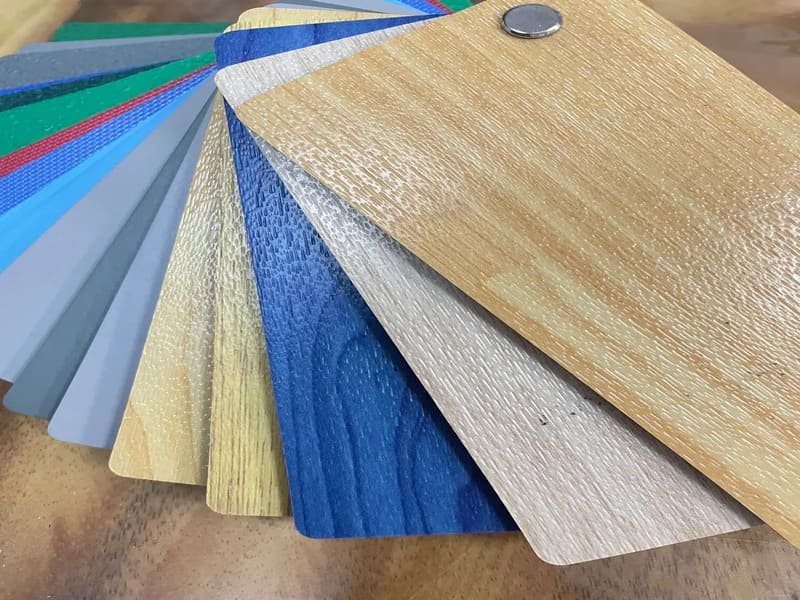
Het kiezen van een sportvloer brengt hoge kosten, langetermijnverplichtingen en serieuze veiligheidsrisico's met zich mee. Veel eigenaars van sportscholen ervaren een overweldigende verwarring wanneer ze moeten kiezen tussen hout, rubber en synthetische materialen. PVC vloeren zijn stilaan de wereldwijde standaard geworden voor indoor sportfaciliteiten door hun ongeëvenaarde veiligheid, duurzaamheid en kostenefficiëntie.
Als ervaren onderzoeks- en ontwikkelingsingenieur gespecialiseerd in PVC sportvloeren, heb ik meer dan een decennium besteed aan het analyseren van polymeerstructuren en het testen van vloerprestaties onder extreme atletische belasting. De keuze van de vloer bepaalt het succes van uw club op lange termijn. Moderne facilitair managers raken vaak verstrikt in de val van het vergelijken van initiële kosten zonder inzicht te hebben in de materiaalkunde. In dit artikel worden vijf bewezen redenen uiteengezet waarom synthetische PVC vloeren traditionele materialen overtreffen, zodat u een op gegevens gebaseerde beslissing kunt nemen voor uw volgende project.
De fysieke eisen van moderne multisportfaciliteiten vereisen een ontwerp dat prioriteit geeft aan zowel biomechanica als de werking van het gebouw, wat ons bij ons eerste en meest kritieke punt brengt.
Is blessurepreventie de topprioriteit voor uw sportfaciliteit?
PVC sportvloeren maximaliseren de veiligheid door tot 45% aan zware schokken te absorberen, waardoor gewrichtsvermoeidheid en acute knie- of enkelblessures direct worden verminderd.
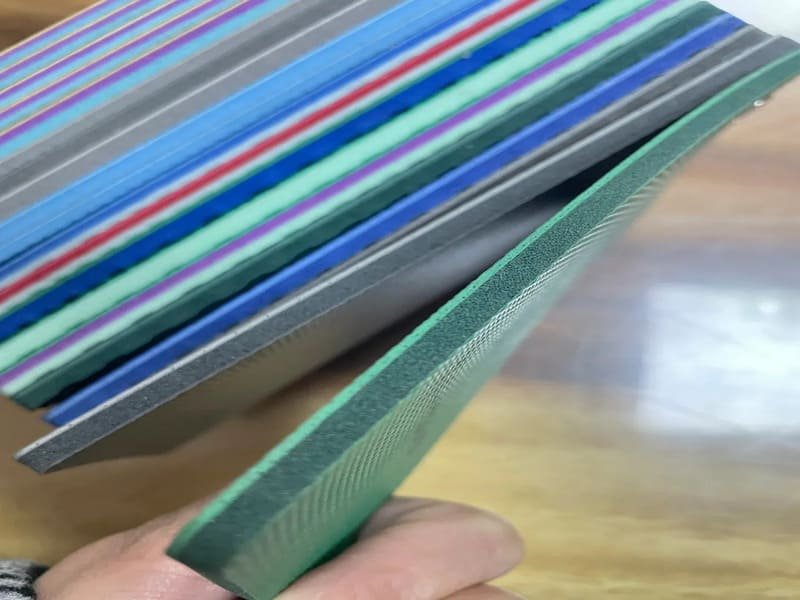
Wanneer een sporter landt na een sprong, moet de kinetische energie ergens heen. Hardhouten vloeren geven een groot deel van deze energie door aan de gewrichten van de sporter, terwijl rubber van lage kwaliteit kan leiden tot beknelling van de voet door overmatige wrijving. Hoogwaardige PVC vloeren lossen dit op door de meerlaagse schuimtechnologie. Onze laboratoriumtests tonen aan dat de schuimlaag met gesloten cellen werkt als een microscopische schokabsorberende matrix. Het vangt plotselinge schokken op tijdens intensieve sporten zoals basketbal of badminton, maar herstelt zijn vorm onmiddellijk om een stabiel oppervlak te behouden. Deze balans voldoet aan de strenge Europese norm EN 14904 voor verticale vervorming en balstuit, waardoor speelbaarheid op professioneel niveau gegarandeerd is zonder dat dit ten koste gaat van de veiligheid.
De EN 14904 veiligheidsparameters begrijpen
| Prestatiemeting | EN 14904 Norm Vereiste | PVC sport vloeren (6,0 mm-8,0 mm) | Atletisch voordeel in de echte wereld |
|---|---|---|---|
| Schokabsorptie | Klasse P1: $tot en met klasse P3: $ot en met klasse 45 | $35\% - 47\%$ | Vermindert gewrichtsmoeheid en microtrauma tijdens impact |
| Verticale vervorming | $\le 5.0{ mm}$ | $1,5 mm} - 3,0 mm}$ | Voorkomt omrollen van de enkel met behoud van stabiliteit |
| Bal terugkaatsen | $\ 90\%$ | $92\% - 95\%$ | Zorgt voor een natuurlijke balstuit voor basketbal en tennis |
| Schuifcoëfficiënt | $80 - 110$ | $85 - 100$ | Perfecte verhouding tussen grip en slip om verrekkingen van de liezen te voorkomen |
Sommige kopers van faciliteiten uiten twijfels en vragen of een vloer met een dikke schuimrug te zacht is voor zwaar voetverkeer of apparatuur. Het geheim zit hem in het co-extrusie productieproces. We plaatsen een zeer dichte slijtlaag van zuiver PVC over de schuimkern. Deze toplaag verdeelt de zware belasting over de schuimmatrix, waardoor permanente indrukkingen worden voorkomen terwijl de noodzakelijke demping bij atletische schokken behouden blijft.
Het beschermen van sporters is van vitaal belang om aansprakelijkheid te beperken, maar uw vloer moet ook bestand zijn tegen de dagelijkse slijtage van een commerciële activiteit.
Is uw vloer bestand tegen jarenlang intensief gebruik?
Zuivere PVC slijtlagen gecombineerd met in de fabriek uitgeharde PUR oppervlaktebehandelingen beschermen tegen zwaar verkeer, diepe krassen en lelijke schaafplekken.
Commerciële sportschoolvloeren moeten hun kapitaalinvestering over een lange levensduur rechtvaardigen. Massief hout vervormt, krimpt of scheurt wanneer de vochtigheidsgraad binnenshuis fluctueert. Rubber kan uitdrogen, afbrokkelen en zijn elasticiteit verliezen. Engineered PVC vloeren gebruiken een glasvezel versterkingslaag tussen de slijtlaag en de schuimlaag. Deze laag zorgt voor een uitstekende dimensionale stabiliteit. De vloer blijft vlak en strak, of uw vestiging zich nu in een vochtige kuststreek of een droge regio bevindt.
Waarom materiaallagen belangrijk zijn voor een lange levensduur
- Vernet PUR-oppervlaktebehandeling
- Dicht de microscopische poriën van het vinyl af.
- Voorkomt slijtplekken van sportschoenen met zwarte zolen.
- Maakt onmiddellijke beschermende coatings op locatie overbodig.
- Zuivere pvc-slijtlaag
- Bepaalt de werkelijke fysieke levensduur van het product.
- Standaard commerciële diktes variëren van $0,5 mm}$ tot $2,0 mm}$.
- Weerstaat slepende wrijving van fitnessapparatuur en zware rollende lasten.
- Glasvezelnetstabilisatielaag
- Fungeert als de ruggengraat van de hele vloerplaat.
- Houdt de maattoleranties strak onder temperatuurschommelingen.
- Elimineert naden en bubbels na verloop van tijd.
Deze gelaagde aanpak zorgt ervoor dat uw gebouw vroegtijdige vervangingskosten vermijdt, wat ons meteen brengt bij de financiële voordelen van de keuze voor synthetische opties in plaats van natuurlijk hout.
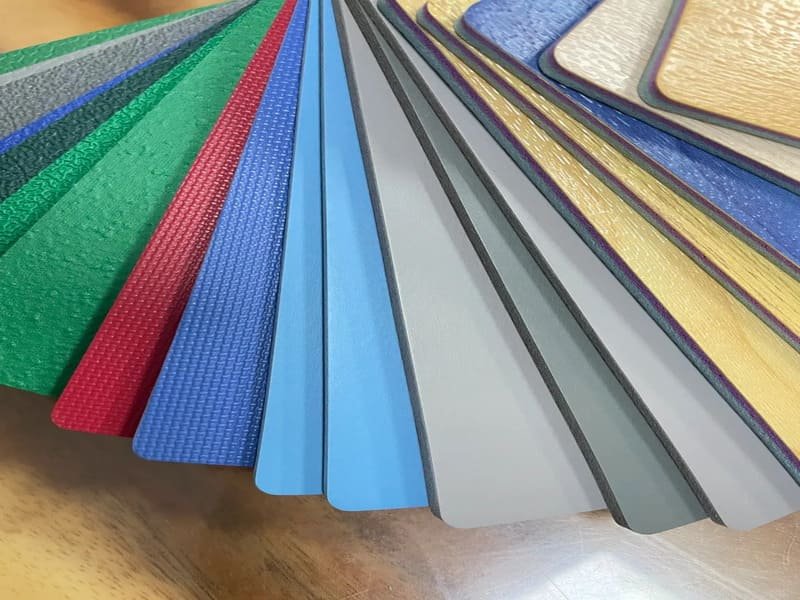
Duurzaamheid beschermt uw budget op lange termijn, maar het beheer van de aankoop- en installatiekosten bepaalt hoe snel uw bedrijf winst maakt.
Moet een professionele sportvloer veel geld kosten?
PVC sportvloeren kosten 40% tot 60% minder dan professionele hardhouten systemen, terwijl ze twee keer zo snel geïnstalleerd worden om stilstand tot een minimum te beperken.
Voor de aanleg van hardhouten banen in het hogere segment zijn speciale ondervloerslapers, rubberen pads, dampschermen en deskundige schuur- en egalisatieteams nodig. Alleen al de materiaalkosten beperken dit tot topinstituten. Daarentegen leveren vinylvloeren voor zwaar gebruik gelijkwaardige of superieure biomechanische prestaties tegen een fractie van de kosten. Voor snelle turnarounds of tijdelijke evenementenruimtes werkt een losliggende installatie met dubbelzijdig tape voor zwaar gebruik uitstekend. Voor permanente commerciële sportscholen zorgt een volledig gelijmde installatie op een vlakke betonplaat voor een betrouwbare levensduur.
Vergelijking van kosten en installatietijdlijn
| Type vloermateriaal | Gemiddelde materiaalkosten (per m²) | Installatiesnelheid | Vereiste acclimatiseringstijd | Totale uitvaltijd faciliteit |
|---|---|---|---|---|
| Premium esdoorn hardhout | Hoog | Langzaam ($15 - 20 m²}$ per dag) | 7 tot 14 dagen | 3 tot 4 weken |
| Gevulkaniseerde rubbertegels | Medium | Medium ($30 - 40} m²$ per dag) | 24 tot 48 uur | 5 tot 7 dagen |
| Pvc-platen | Uitgebalanceerd | Snel ($80 - 100 m²}$ per dag) | 24 tot 48 uur | 2 tot 3 dagen |
Een snelle installatietijd betekent dat je sportschool veel sneller zijn deuren kan openen en ledeninkomsten kan genereren, maar de financiële voordelen houden niet op na de dag van de installatie.
Dagelijkse werkzaamheden vereisen een strikte focus op arbeidsuren en onderhoudsbenodigdheden, waarbij de verkeerde materiaalkeuze uw winst snel kan doen wegvloeien.
Gaan zware schoonmaakprotocollen ten koste van de winst van uw sportschool?
Niet-poreuze vinyloppervlakken zijn volledig bestand tegen zweet, water en diepe vlekken en hoeven alleen maar eenvoudig te worden gedweild met standaard neutrale schoonmaakmiddelen.
De vloeren van sportscholen vangen elke week honderden liters agressief zweet, gemorste sportdrankjes en ingesporen vuil op. Poreuze oppervlakken zoals hout of laagwaardige gerecyclede rubbertegels absorberen deze vloeistoffen. Dit veroorzaakt diepe nare geuren en verandert de ondervloer in een broedplaats voor schimmels en bacteriën. Onze hoogwaardige PVC vloerformules integreren antibacteriële en antimicrobiële behandelingen in de polymeermatrix tijdens de productie. Het oppervlak kan geen vocht opnemen. Uw schoonmaakploeg hoeft geen dure periodieke schuurbeurten, zeef- en coatingprocedures of gespecialiseerde chemische wasbeurten uit te voeren.
Checklist dagelijks en grondig onderhoud
- Dagelijks vegen of dweilen
- Verwijdert schurende stofdeeltjes en microkorrels.
- Gebruikt een standaard droge microvezelstofmop.
- Duurt minuten per baanvak.
- Routinematig vochtig dweilen
- Reinigt zweetresten en vlekken op het oppervlak.
- Gebruikt een standaard automatische schrobber of handmop met een neutrale vloerreiniger.
- Droogt binnen enkele minuten zonder risico op kromtrekken door vocht.
- Vlekken verwijderen
- Herstelt per ongeluk krassen of oliedruppels.
- Vereist een zachte nylon borstel en geconcentreerde neutrale ontvetter.
- Voorkomt beschadiging van het kernmateriaal.
Een onderhoudsarme vloer houdt de dagelijkse operationele kosten laag, zodat eigenaars van faciliteiten zich kunnen richten op marketing en het opbouwen van een moderne merkidentiteit.
Terwijl de functie en het onderhoud ervoor zorgen dat je bedrijf soepel blijft draaien, trekken de uitstraling en het gevoel van de ruimte nieuwe leden aan.
Kan één vloerontwerp elk type sport aan?
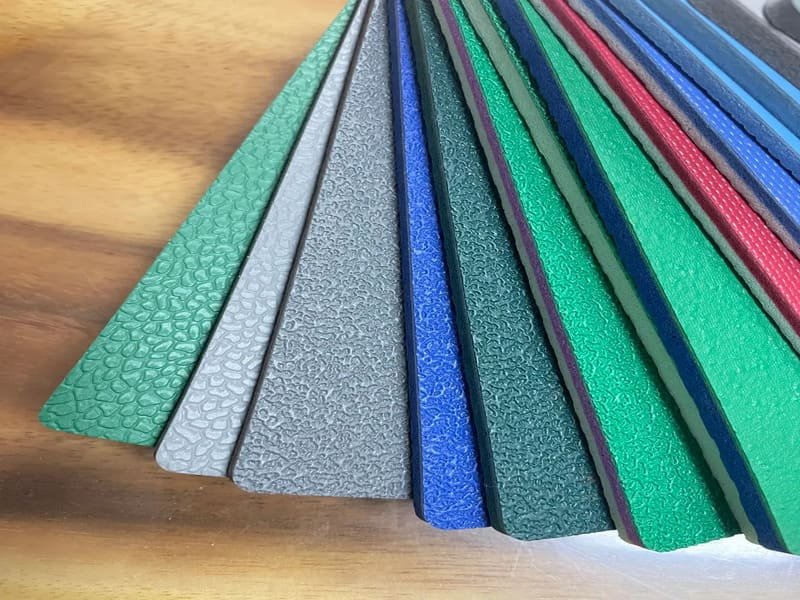
Aangepaste PVC-ontwerpen bieden een houtnerf-esthetiek, opvallende effen kleuren en een hoge akoestische isolatie om echte multifunctionele lay-outs te ondersteunen.
In moderne fitnesscentra wordt zelden maar één sport beoefend. In één overdekte ruimte kunnen 's ochtends basketbalwedstrijden met een hoge impact worden gehouden, 's middags intensieve functionele fitnesslessen en 's avonds bedrijfsevenementen of yogalessen. Vinyl met houtnerfpatronen geeft je de prestigieuze look van een traditioneel stadionveld zonder de onderhoudsproblemen. Met effen kleuren kunt u verschillende trainingszones creëren of uw merkkleuren aanpassen. Bovendien absorberen de geluiddempende eigenschappen van de schuimrug het harde geluid van stuiterende ballen, vallende gewichten en rennende voeten, wat een aangenamere omgeving creëert voor iedereen in het gebouw.
Matrix multifunctionele toepassingen
| Type sportschool | Biomechanische vereisten | PVC Pasvorm | Optie voor esthetische aanpassing |
|---|---|---|---|
| Basketbal en volleybal | Consistente balstuit en hoge tractie | Uitstekend ($>90-%$ terugkaatsing) | Klassieke esdoorn houtnerf met geschilderde lijnen |
| Groep Fitness & Dans | Hoge schokabsorptie om gewrichten van instructeurs te beschermen | Superieur (Klasse P2 Schuimrug) | Modern leigrijs of levendig groenblauw effen |
| Yoga & Pilates | Warme, zachte oppervlaktestructuur voor vloerwerk | Uitstekend (Lage thermische geleidbaarheid) | Natuurlijk eiken of minimalistische pasteltexturen |
| Evenementen in de gemeenschap | Hoge weerstand tegen statische belastingen en stoelen | Superieur (geen risico op inspringing) | Donker houtskool of aangepaste logo's |
Deze veelzijdigheid verandert uw vloer van een eenvoudig bouwmateriaal in een multifunctioneel bedrijfsmiddel dat zich aanpast aan elke gebeurtenis.
Voordat u uw definitieve keuze maakt, moet u de verborgen fabricageproblemen aanpakken die een eersteklas vloer onderscheiden van een goedkope imitatie.
Hoe vermijd je verborgen valkuilen bij het kopen van PVC vloeren?
Slimme kopers kijken verder dan de prijskaartjes van oppervlakken door materiaalcertificeringen te controleren, de vloerdikte af te stemmen op het gebruik en de chemische stabiliteit te verifiëren.
Veel facilitair managers maken zich zorgen over de veiligheid van synthetische kunststoffen, met name wat betreft chemische geuren en off-gassing. Goedkoop geproduceerde vinylvloeren gebruiken vaak laagwaardige weekmakers die schadelijke vluchtige organische stoffen (VOC's) afgeven aan de binnenlucht. Premium PVC sportvloeren maken gebruik van 100% recyclebare nieuwe verbindingen die volledig vrij zijn van formaldehyde en zware metalen. Vraag altijd om FloorScore- of vergelijkbare certificaten voor lage VOS-emissies van uw fabrikant om ervoor te zorgen dat uw club veilig blijft en voldoet aan de regelgeving.
Uw belangrijkste productspecificaties kiezen
- 4,5 mm totale dikte (met 1,2 mm slijtlaag)
- Het beste voor tafeltennis, badminton en lichte fitnessruimtes.
- Biedt snelle balsnelheid en hoge stabiliteit voor lichtgewicht sporten.
- Een kosteneffectieve keuze voor budgetbewuste projecten.
- 6,0 mm totale dikte (met 1,5 mm slijtlaag)
- De ideale standaardkeuze voor algemene multifunctionele sportscholen en commerciële sportzalen.
- Zorgt voor een perfecte balans tussen schokdemping voor basketbal en duurzaamheid voor rollende ladingen.
- Biedt het beste rendement op investering voor standaard gebruikssituaties.
- 8,0 mm totale dikte (met 2,0 mm slijtlaag)
- Ontworpen voor zware professionele sporten, elite trainingscentra en dansacademies.
- Biedt maximale schokbestendigheid en hoge geluidsisolatie.
- Bestand tegen het meest veeleisende sportgebruik.
Je moet ook uitkijken voor een veelvoorkomend materiaaldefect dat bekend staat als "paraffine wax blooming". Fabrieken van lage kwaliteit mengen goedkope paraffinewas in hun formules om de grondstofkosten te drukken. Na maanden gebruik migreert deze was onder druk naar het oppervlak. Dit laat een witte, wazige film achter die het uiterlijk van de vloer verpest en het oppervlak gevaarlijk glad maakt. Hoogwaardige fabrikanten gebruiken geavanceerde thermische stabilisatie en zuivere verbindingen. Dit houdt de chemie stabiel en garandeert dat het oppervlak zijn grip behoudt tijdens de volledige levensduur.
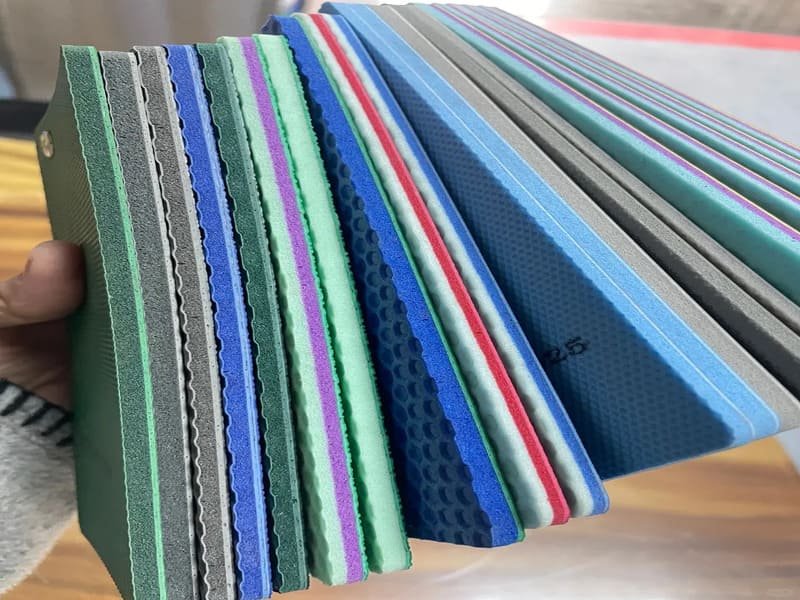
Bij het kiezen van de juiste vloer moet je kijken naar technische details, veiligheidsclassificaties, operationele kosten en chemische certificeringen.
Conclusie
PVC sportvloeren leveren de ideale mix van atletische veiligheid, weinig onderhoud, lange levensduur en ontwerpveelzijdigheid voor moderne commerciële sportschoolinvesteringen.
Deskundig technisch advies voor uw project
Het kiezen van de ideale specificaties voor de lay-out van uw multisportterrein of commerciële sportschool vereist een nauwkeurige materiaalkeuze. Zet uw investering niet op het spel met algemene materialen.
Als je vragen hebt over dikteselectie, slijtlagen of budgetplanning voor je PVC sportvloerproject, stuur me dan een direct bericht! Als R&D-ingenieur zal ik je duidelijke technische antwoorden geven en een gratis, op maat gemaakte sample kit voor je sportlocatie regelen. Laten we samenwerken om een veiliger, high-performance sportlocatie te bouwen.