


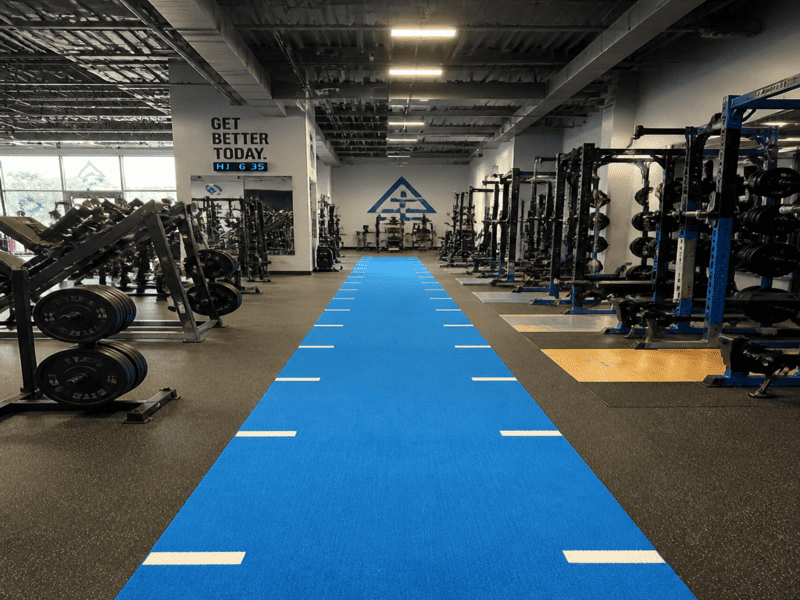
Om rollen turftapijt te verpakken voor de export, moet je kartonnen kernen met hoge dichtheid gebruiken, ze in waterdichte PE-folie wikkelen en ze afsluiten met geweven zakken van zware kwaliteit PP. Deze meerlaagse aanpak voorkomt inzakken van de kern, vochtschade en permanente kreukvorming tijdens langdurig containervervoer.
Als productiemanager weet ik dat het productieproces niet eindigt wanneer de graszoden de tuftmachine verlaten. De exportomgeving is ruw, met extreme vochtigheid en hoge druk van gestapelde containers. Als we dunne kernen of goedkope wikkels gebruiken, worden de onderste rollen in een container plat onder het gewicht van de rollen erboven. Dit resulteert in "vlakke plekken" die bijna onmogelijk te verwijderen zijn tijdens de installatie. Wij focussen op een technisch evenwicht tussen bescherming en gewicht. Ons technische team test de kreukelweerstand van verschillende buiswanddiktes om ervoor te zorgen dat de grasmat zijn ronde vorm behoudt. We kijken ook naar de wrijving tussen de backing van de grasmat en de kern. Als de wikkelspanning te los is, zal de rol uit elkaar schuiven tijdens de verwerking. Door wetenschappelijke verpakkingsnormen toe te passen, zorgen we ervoor dat de hoogwaardige graszoden die we maken in dezelfde staat aankomen als ze onze vloer verlieten.
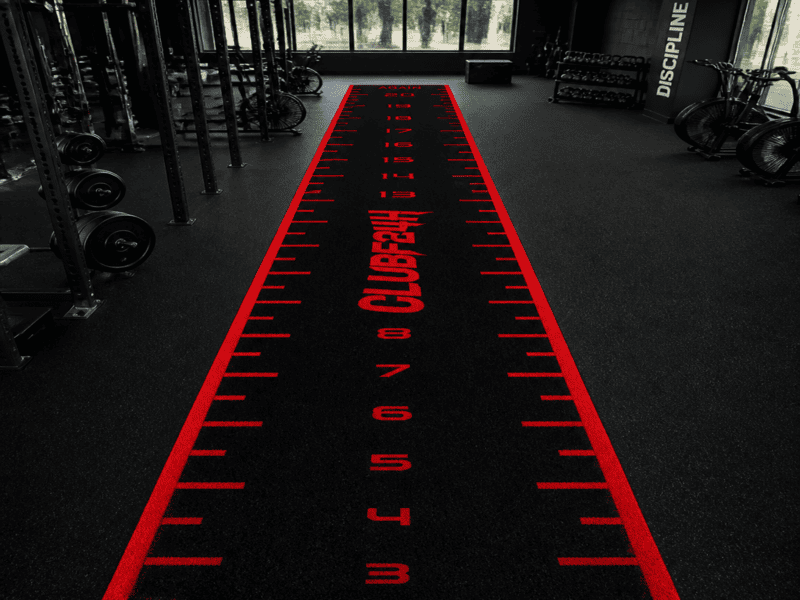
Ik wil je de specifieke materialen laten zien die we gebruiken om deze bescherming te bouwen, want de kwaliteit van deze onderdelen is wat een professionele fabriek onderscheidt van een kleine werkplaats.
Wat zijn de belangrijkste onderdelen van een exportverpakking?
Exportverpakkingen vereisen een interne steunkern met hoge dichtheid, een primaire vochtbestendige PE-laag en een secundair beschermend PP geweven schild. Deze lagen werken samen om verticale druk te weerstaan, UV-licht te blokkeren en fysieke scheuren tijdens het laad- en losproces in internationale havens te voorkomen.
In mijn jaren op de fabrieksvloer heb ik gezien hoe de "anatomie" van een verpakking de overlevingskansen bepaalt. De ruggengraat is de interne ondersteuning. Wij gebruiken kartonnen kokers met een hoge dichtheid en een wanddikte van minstens 8 tot 10 mm. Voor extra zware rollen met een hoge dichtheid stellen we zelfs een PVC-kern voor. Dit voorkomt "kernverzakking", de belangrijkste oorzaak van beschadigde goederen.
| Component | Type materiaal | Primaire functie | Technisch voordeel |
|---|---|---|---|
| Interne kern | Karton met hoge dichtheid/PVC | Structurele integriteit | Voorkomt rolvervorming bij stapelen in 5 lagen |
| Primaire laag | UV-bestendige PE-folie | Vochtbarrière | Houdt zeezout en vocht tegen zodat de grasmat niet wordt aangetast |
| Secundaire laag | Zware PP Geweven Zak | Fysieke bescherming | Bestand tegen perforaties door vorken en haken van vorkheftrucks |
| Versterking | Nylon/Staalband | Bundel Stabiliteit | Houdt de rol strak om "uitschuiven" te voorkomen |
We gebruiken ook kleurgecodeerde buitenzakken. Dit is een klein detail, maar het helpt onze klanten om hun inventaris veel sneller te beheren wanneer ze een grote zending met verschillende grashoogtes ontvangen. Het gebruik van eenvoudige, sterke materialen zorgt ervoor dat het product veilig blijft zonder onnodig afval toe te voegen.
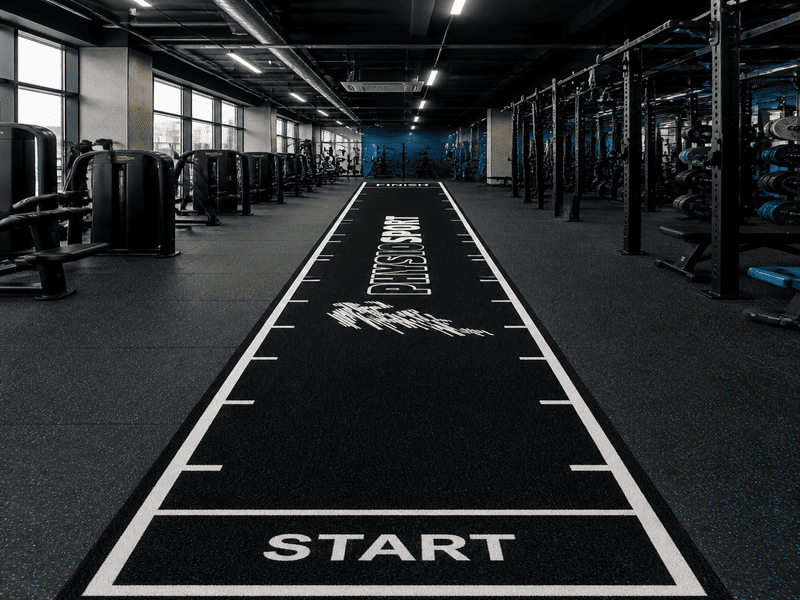
Nu je weet welke materialen we gebruiken, zal ik de stappen met je doorlopen die ons team neemt om elke rol te beveiligen.
Wat is het stapsgewijze professionele verpakkingsproces?
Het professionele verpakkingsproces omvat strak gespannen wikkelen, afdekken met dubbele uiteinden en optioneel vacuüm sealen voor hoogpolige producten. Elke rol moet gelabeld worden met batch ID's en behandelingsinstructies om de efficiëntie van het magazijn en de traceerbaarheid van de fabriek tot de uiteindelijke installatieplaats te garanderen.
Mijn team volgt een strikt vierstappenprotocol. Eerst wikkelen we de graszoden op strakke spanning. We gebruiken automatische rollen om ervoor te zorgen dat de graszoden met een constante druk rond de kern worden gewikkeld. Als het te los is, vormen zich luchtzakken; als het te strak is, kan de pool worden geplet. Vervolgens wordt de pool aan twee uiteinden afgedekt. We gebruiken plastic of houten pluggen aan beide uiteinden van de buis. Dit is een kritieke stap omdat beschadigde randen knippen en trimmen van grasrollen veel moeilijker tijdens de installatie. Voor ons hybride sportgras met hoge poolhoogtes gebruiken we vaak vacuümafdichting. Het optimaliseren van rolafmetingen en sportschool rol breedte planning kan transportafval verminderen en het laden van containers efficiënter laten verlopen. Tot slot brengen we duidelijke labels aan. Elk label bevat een "Side Up" indicator en een batch ID. Dit maakt het voor de koper gemakkelijk om de productiedatum en de kwaliteitscontrole van elke specifieke rol te achterhalen.
| Stap | Actie | Waarom het belangrijk is |
|---|---|---|
| 1 | Spanning Wikkelen | Voorkomt dat de rol verschuift of zijn vorm verliest |
| 2 | Eindafdekking | Beschermt de kwetsbare randen van de grasmat tegen rafelen |
| 3 | Vacuüm afdichten | Minimaliseert volume om kosten voor zeevracht te verlagen |
| 4 | Traceerbaarheid Etikettering | Maakt snelle inventariscontroles en kwaliteitstracering mogelijk |
Zelfs met het beste verzendproces zorgt verzenden voor unieke uitdagingen die je goederen kunnen beschadigen als je er niet op bent voorbereid.
Hoe kun je veelvoorkomende transportschade zoals kreuken en vocht voorkomen?
U kunt veelvoorkomende transportschade voorkomen door horizontaal te stapelen met "nestlading" om vlakke plekken te voorkomen en droogmiddelen in de PE-wikkel te plaatsen om vocht onder controle te houden. De juiste wikkelspanning op fabrieksniveau is ook van vitaal belang om te voorkomen dat er permanente vouwen ontstaan tijdens langdurige opslag.
Het grootste "pijnpunt" voor mijn klanten is het "plooiprobleem". Plooien ontstaan wanneer de graszoden te lang onder gewicht in één positie blijven liggen. Om dit op te lossen, adviseren we horizontaal stapelen. In een container bepaalt de manier waarop je de rollen legt de druk op de onderste rij. We gebruiken "nestbelasting" of piramidestapeling om het gewicht gelijkmatig te verdelen. Vocht is een andere vijand. Zeelucht is zout en vochtig. Als er vocht in de PE-laag komt, kan dit de latex backing van de grasmat verzwakken. We lossen dit op door industriële droogmiddelen toe te voegen in de verpakking. Dit houdt de omgeving droog gedurende de 30 tot 45 dagen dat de container op zee is. We testen ook het "geheugen" van onze grasvezels. Door materialen van hoge kwaliteit te gebruiken, kunnen onze graszoden terugkaatsen, zelfs als ze onder druk hebben gestaan, op voorwaarde dat de verpakkingsspanning in het begin correct was.
| Type schade | Oorzaak | Preventiemethode |
|---|---|---|
| Platte vlekken | Verticale stapeldruk | Gebruik horizontale "Nestlading" in containers |
| Vocht/schimmel | Vochtigheid zeelucht | Dubbel afsluiten met PE-folie en droogmiddelen gebruiken |
| Permanent rillen | Slechte wikkelspanning | Gebruik automatische spanningscontrole tijdens het verpakken |
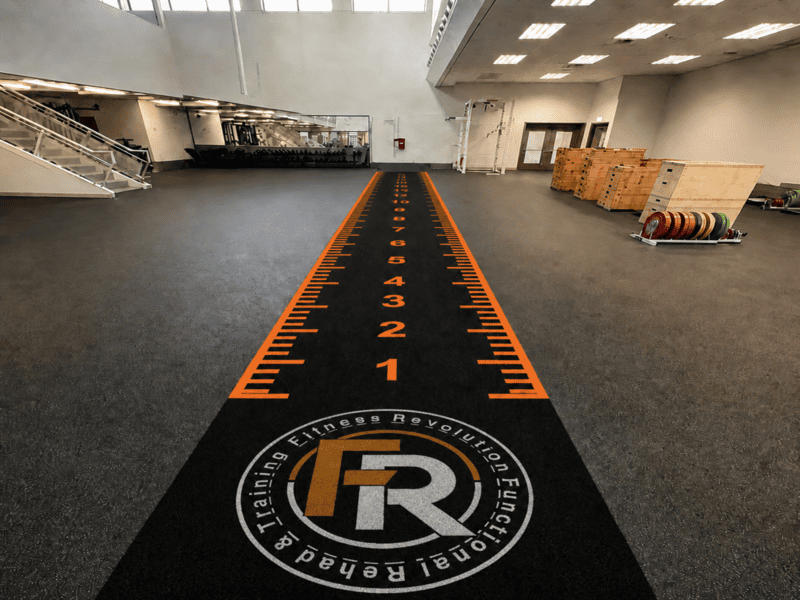
Het verplaatsen van de rollen van de fabriek naar de container is nog maar het halve werk; de koper moet ze er aan de andere kant nog uithalen.
Hoe optimaliseert u de logistiek om gemakkelijker te lossen?
Logistieke optimalisatie omvat het gebruik van voorgewikkelde hijsbanden of stroppen voor los geladen rollen en het berekenen van "nestbelading" om de containerruimte te maximaliseren. Deze aanpak vermindert de "laatste kilometers" voor inkopers door het gemakkelijk te maken voor vorkheftrucks om rollen te verwijderen zonder de verpakking te beschadigen.
Als technisch partner denk ik altijd aan het losproces van de klant. Veel sportscholen hebben geen zware industriële docks. Daarom bieden we voorverpakte tilbanden aan. We stoppen deze nylon banden in de verpakking zodat een vorkheftruck ze eenvoudig kan inhaken en de rol eruit kan trekken. Dit voorkomt de "haakschade" die vaak optreedt wanneer werknemers de rollen handmatig proberen te pakken. We helpen klanten ook kiezen tussen palletiseren en los laden. Palletiseren is veiliger en sneller, maar neemt meer ruimte in beslag. Los laden maximaliseert de hoeveelheid, maar vereist meer werk. Ik geef mijn klanten vaak een "laadkaart". Dit document laat precies zien hoe de 20ft of 40ft HQ container wordt gevuld. Het helpt het magazijnteam hun werk te plannen nog voordat de vrachtwagen arriveert. Dit niveau van planning zorgt ervoor dat de samenwerking werkt.
De industrie is ook aan het veranderen en we zien nu een verschuiving naar milieuvriendelijkere keuzes in de exportmarkt.
Wat zijn de huidige trends op het gebied van duurzaam verpakken?
Duurzame verpakkingstrends richten zich op het gebruik van recyclebare buitenwikkels en biologisch afbreekbare kartonnen kernen om te voldoen aan strenge internationale afvalvoorschriften. Moderne inkopers geven nu de voorkeur aan leveranciers die plastic afval kunnen verminderen en tegelijkertijd hetzelfde niveau van productbescherming tijdens het transport kunnen handhaven.
We zien een grote verschuiving, vooral bij onze Europese en Noord-Amerikaanse partners. Door nieuwe regelgeving wordt plastic afval een kostenpost voor de koper. Als reactie hierop zijn we begonnen met het testen van biologisch afbreekbare kernen die net zo sterk zijn als traditionele kernen. We bieden ook recyclebare PP geweven zakken aan. Ik ben van mening dat we als leider in de productie aandacht moeten besteden aan de levenscyclus van onze verpakkingen. Het gaat niet meer alleen om bescherming; het gaat om naleving. We houden de nieuwste wetten op het gebied van plastic afval in de gaten om ervoor te zorgen dat onze klanten geen boetes krijgen wanneer ze het verpakkingsmateriaal weggooien. Deze proactieve aanpak bespaart onze klanten geld en draagt bij aan hun merkimago als milieubewuste sportschoolaanbieders.
Voordat je je volgende bestelling plaatst, kun je deze eenvoudige checklist gebruiken om te controleren of je leverancier aan deze hoge normen voldoet.
Wat moet u uw leverancier vragen voordat ze verzenden?
Vraag je leverancier naar de wanddikte van de binnenbanden, de aanwezigheid van UV-gestabiliseerde wikkels en de aanwezigheid van hijsbanden. Bevestigen hoeveel lagen verticaal stapelen de onderste rol kan weerstaan is ook essentieel om er zeker van te zijn dat uw graszoden zonder vlakke plekken of schade aankomen.
Ik zeg altijd tegen mijn klanten dat ze streng moeten zijn met hun eisen. Vraag niet alleen om "standaardverpakking". Vraag om specifieke informatie. Als een leverancier je niet kan vertellen wat de wanddikte van hun buizen is, zijn ze waarschijnlijk kosten aan het besparen. Een professionele fabriek heeft deze specificaties bij de hand. Je moet ook controleren of de buitenste wikkel UV-gestabiliseerd is. Rollen liggen vaak op hete dokken of in zonnige magazijnen voor ze verplaatst worden. Zonder UV-bescherming worden de plastic zakken broos en breken ze. Een ander belangrijk punt is de "verpakkingslijst". Elke rol moet zijn eigen lijst hebben die zichtbaar is aan de buitenkant. Dit voorkomt fouten tijdens het uitladen. Gebruik de volgende tabel als leidraad bij de eindcontrole.
| Vraag stellen | Waarom het belangrijk is | Doel Antwoord |
|---|---|---|
| Wanddikte binnenband? | Voorkomt kerninstorting | 8 mm of hoger |
| Inclusief hijsbanden? | Maakt veilig lossen mogelijk | Ja, voorverpakt |
| UV-gestabiliseerde wikkel? | Voorkomt scheuren van zakken | Ja |
| Stapellimiet? | Vermijdt pletten | 5 rollen hoog (horizontaal) |
| Externe paklijst? | Efficiëntie | Ja, op elke rol |
Deze checklist helpt je de meest voorkomende fouten te vermijden en je investering veilig te stellen.
Conclusie
Premium verpakking beschermt de investering in je grasmat en bespaart je geld op installatie en arbeid.
Als je een professionele graszodenleverancier nodig hebt die deze technische details begrijpt, stuur me dan vandaag nog een privébericht!