


Yes, rubber flooring is good for sneaker-based dance fitness studios if you select high-density, non-porous rolled rubber. It provides excellent joint protection and sound isolation, but standard raw gym rubber is too grippy and can cause knee injuries during fast dance pivots.
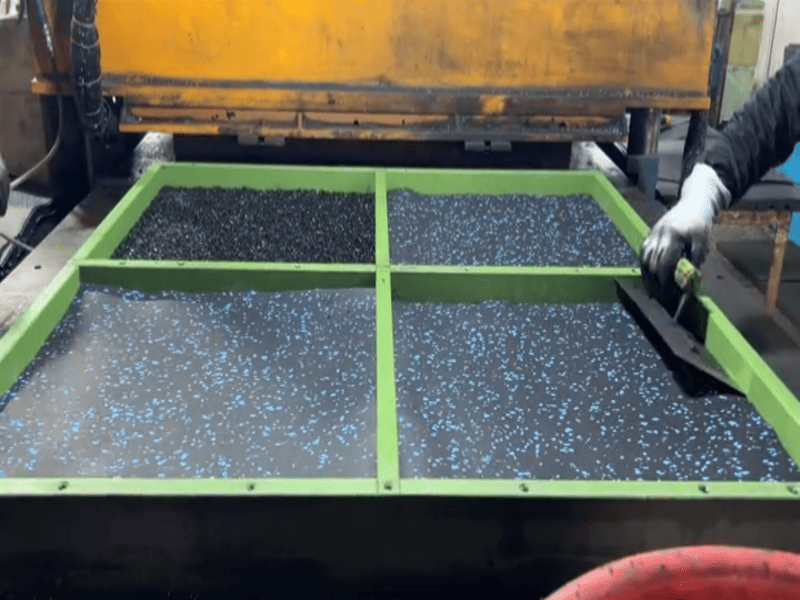
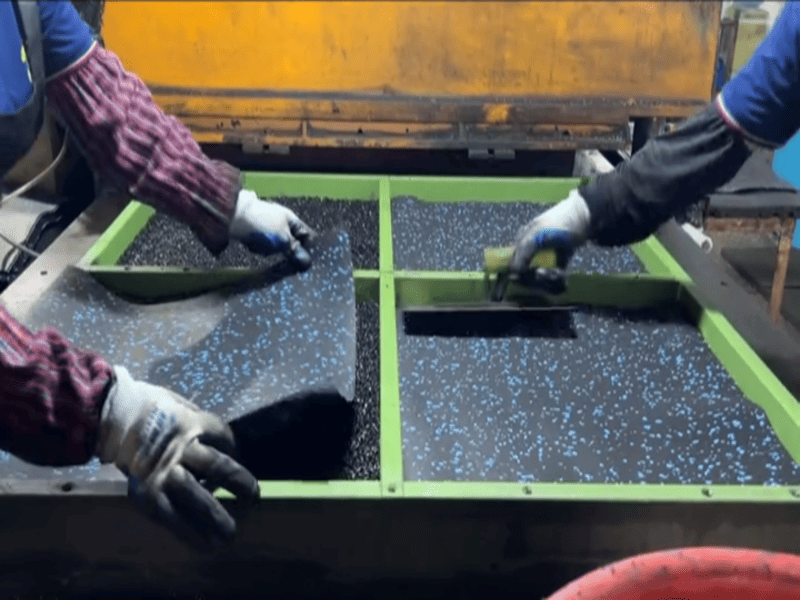
As a rubber manufacturing process engineer, I design flooring systems based on material science and factory performance data. When studio owners ask me about rubber for dance fitness, I look closely at the polymer structure. Standard weightlifting mats use a coarse granule mix that maximizes surface friction. This is great for a bench press but dangerous for a Zumba pivot. From my engineering perspective, the right rubber floor requires a specialized vulcanization process that seals the surface. This creates a smoother finish that balances traction with rotational safety. In this guide, I will share the facts about material density, friction coefficients, and wear life to help you make a safe, cost-effective decision for your business.
Let us look at the specific physical demands of your studio to understand why material selection matters so much.
What Are the Unique Demands of a Dance Fitness Studio?
Dance fitness studios require high-density floors that offer specific slip resistance and strong structural support to handle fast, high-impact lateral movements without causing joint lock.
| Metrica delle prestazioni | Requirement for Dance Fitness | Engineering Relevance |
|---|---|---|
| Coefficiente di attrito | Balanced (0.5 to 0.6) | Prevents slipping but allows pivoting |
| Densità del materiale | High ($>950\text{ kg/m}^3$) | Prevents foot sinking and ankle rolling |
| Riduzione della forza | 25% to 35% | Absorbs impact from jumps and stomping |
Dance fitness is different from heavy weightlifting or classical ballet. Your clients wear rubber-soled sneakers, and they do high-impact jumps, fast pivots, lateral slides, and rhythmic stomping. If your floor has too much grip, a sneaker will lock in place during a twist, which sends dangerous torque into the knee and ankle joints. If the floor is too slippery, clients will fall during fast lateral moves. As a manufacturer, I measure this using the dynamic coefficient of friction. For dance fitness, you need a surface that gives a stable grip for jumps but still allows a clean pivot.
This unique friction requirement makes it important to weigh the specific benefits of this material.
What Are the Pros of Rubber Flooring for Dance Fitness?
Rubber flooring delivers high shock absorption, extreme durability under heavy foot traffic, excellent sound insulation against bass music, and low upfront installation costs compared to wood.
Exceptional Shock Absorption
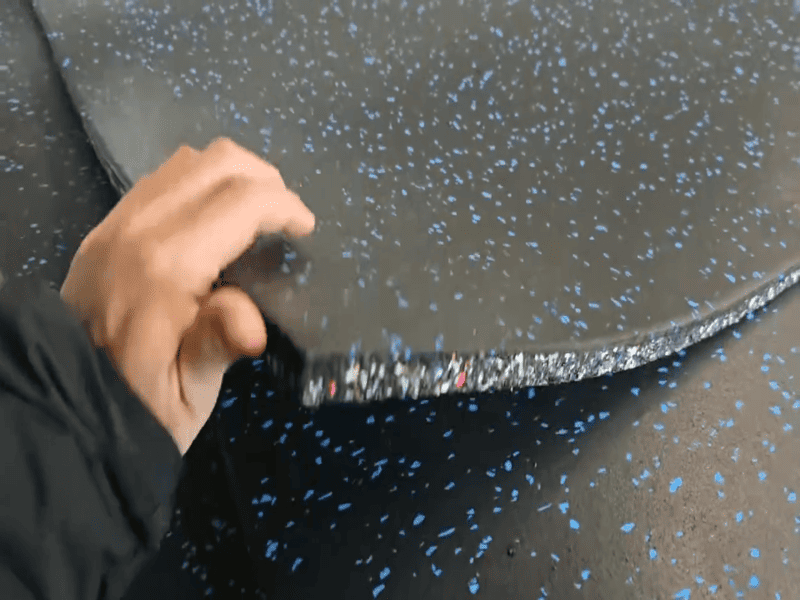
My factory tests show that vulcanized rubber floors reduce impact force by 25% to 35% depending on thickness. This elasticity absorbs energy from high-impact aerobics, which directly protects the joints, shins, and lower backs of your clients.
Durata estrema
Rubber resists heavy foot traffic and scuff marks from tough sneakers. If your studio is a multi-purpose space that mixes dance with HIIT workouts or light weights, rubber will not dent or crack like hardwood or foam.
Controllo acustico
Rhythmic stomping and loud bass music create massive sound vibrations. High-density rubber acts as a natural acoustic barrier. It absorbs structure-borne noise, which helps you avoid noise complaints from neighboring businesses.
Cost-Effectiveness and Easy Installation
Traditional sprung hardwood floors require complex subfloor engineering and high material costs. Rolled rubber installs quickly over flat concrete subfloors, which saves you significant budget during your studio build.
| Materiale della pavimentazione | Relative Material Cost | Complessità dell'installazione | Durata di vita prevista |
|---|---|---|---|
| Gomma laminata | Da basso a medio | Basso | 10+ anni |
| Sprung Hardwood | Alto | Alto | 15+ Years (Requires Refinishing) |
| Schiuma EVA | Basso | Basso | 2-3 anni |
While the benefits are clear, you must also look at the material limitations before buying.
What Are the Cons and Dealbreakers of Rubber Flooring?
The primary cons of rubber flooring are excessive surface grip on porous types, strong initial odor off-gassing, a dark industrial look, and potential slickness from heavy sweat.
The Grip Problem
Standard porous gym rubber creates too much traction when paired with rubber sneakers. This high friction stops the foot completely during a spin. This is a major design challenge because it can lead to ACL and ankle injuries.
The Smell Factor
New rubber products release volatile organic compounds, known as VOC off-gassing. This creates a strong "new tire" smell. In a tight, warm studio space where people breathe heavily, this odor can stay for weeks if you do not have strong ventilation.
Aesthetic Limitations
Most budget-friendly rubber flooring is solid black or black with small color specks. This can make your dance studio look like a commercial weight room instead of a bright, high-energy dance space.
Temperature and Moisture Sensitivity
Rubber is water-resistant, so sweat stays on top of the surface. If your studio gets very hot and damp, a layer of sweat will turn a high-grip rubber floor into a slick hazard unless you clean it constantly.
| Svantaggio | Causa principale | Soluzione ingegneristica |
|---|---|---|
| Excessive Grip | Open-pore surface texture | Use a smooth, polyurethane-sealed top coat |
| Odore di gomma | Sulfur compounds from vulcanization | Select low-VOC, pre-washed factory rolls |
| Industrial Look | Standard black carbon pigment | Choose high-percentage color EPDM face mixes |
If you want to use rubber, you must know how to pick the right configuration.
Which Type of Rubber Flooring Is Best for Dance Fitness?
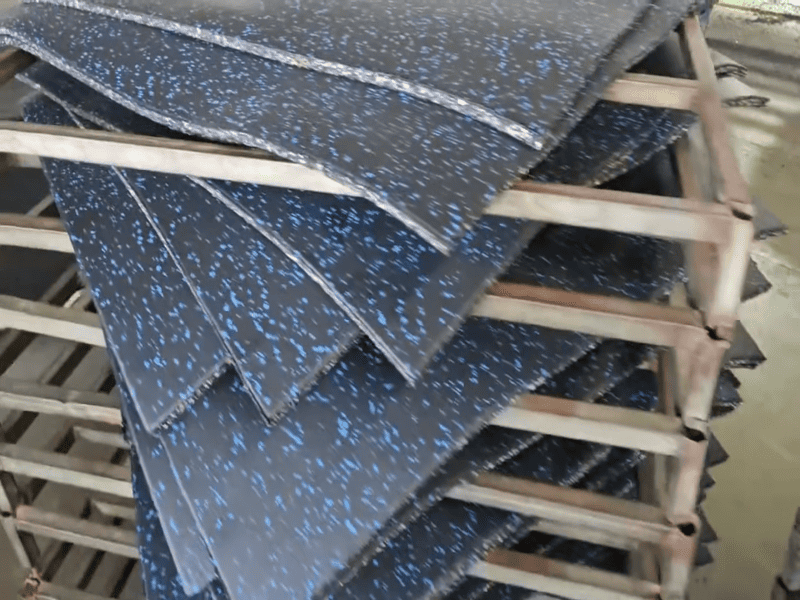
The best option is smooth, high-density rolled rubber with a thickness of 8mm to 10mm because it minimizes tripping seams and prevents feet from sinking.
Rolled Rubber vs. Interlocking Tiles
I always recommend long rolls over interlocking tiles for dance studios. Interlocking tiles have many joints that can shift, open up, or catch a sneaker toe during fast lateral steps. Prefabricated rolls give you a smooth surface with minimal seams.
High-Density vs. Low-Density
A common design mistake is choosing soft, low-density rubber mats for comfort. Soft rubber allows the foot to sink too deep, which tires out leg muscles and strains tendons. You need a high-density rating ($>950\text{ kg/m}^3$) so the floor stays firm and stable under sudden foot changes.
Surface Texture Choice
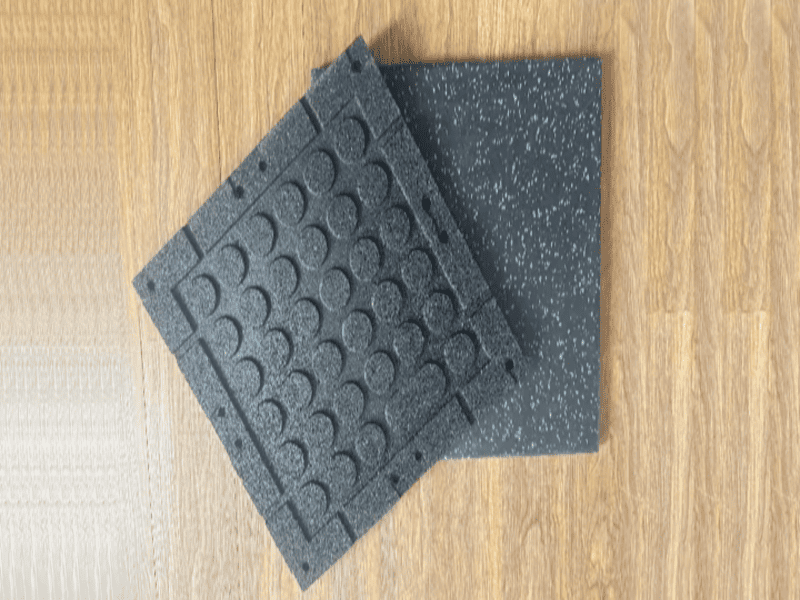
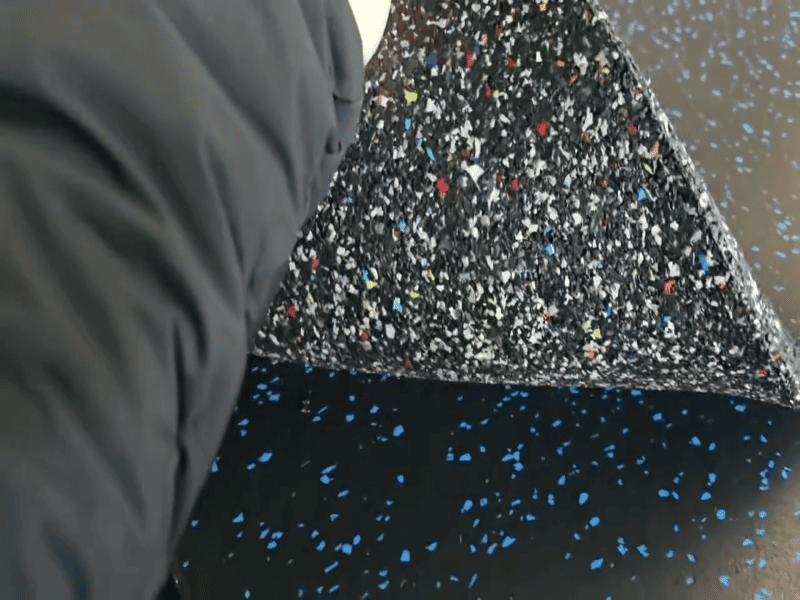
Avoid coarse, textured recycled crumb mats. Look for a dense, vulcanized rubber with a smooth or micro-texture finish. This specific manufacturing profile lowers the friction coefficient to a safe level for sneaker turns.
Let us compare this directly to other common studio materials on the market.
How Does Rubber Flooring Compare to Alternatives?
Rubber offers better impact protection than vinyl and higher durability than foam, but traditional sprung hardwood remains superior for specialized dance sliding.
Rubber vs. Vinyl (Marley) Flooring
Marley vinyl is the world standard for ballet and contemporary dance because it has the perfect slide. However, vinyl is thin and has zero built-in cushioning. It requires an expensive, floating wooden subfloor underneath to protect your joints, whereas rubber can lay directly on concrete.
Rubber vs. Sprung Hardwood
Sprung hardwood is the premium choice for dance studios. It looks beautiful and offers a perfect balance of grip and slide, but it is highly vulnerable to moisture damage, scratches from gym equipment, and costs three times more than rubber.
Rubber vs. High-Density EVA Foam
EVA foam tiles are cheap and soft, but they are a poor choice for fast dance fitness. Foam compresses permanently under heavy loads, tears easily under sneaker friction, and does not have the stable density needed for high-speed turns.
| Tipo di materiale | Assorbimento degli urti | Slide Capability | Durata | Livello di budget |
|---|---|---|---|---|
| Specialized Rubber | Alto | Moderato | Alto | Moderato |
| Marley Vinyl | Low (Needs Subfloor) | Alto | Moderato | Medio-Alto |
| Sprung Hardwood | Alto | Alto | Alto | Molto alto |
| Schiuma EVA | Medio | Basso | Basso | Molto basso |
If you choose rubber, you can apply simple factory-backed steps to optimize its performance.
How to Make Rubber Flooring Work for Your Studio?
You can optimize rubber flooring for dance by sealing it with a polyurethane coating, using specific cleaning protocols, and setting clear shoe policies.
Apply a Polyurethane Sealant
If your rubber floor feels too sticky for pivots, you can coat it with a specialized commercial polyurethane sealer. This clear layer fills the microscopic pores in the rubber, which smooths the surface and drops the friction level down to a safe zone.
Use the Right Cleaning Protocols
Never use petroleum-based cleaners or harsh solvents on rubber because they break down the polymer bonds and leave a sticky residue. Use a neutral pH cleaner and a damp mop to remove grease, dirt, and body oils that alter floor traction.
Implement a Footwear Policy
Advise your clients to wear specialized fitness or dance sneakers that feature a smooth "pivot point" circular design on the sole. Tell them to avoid heavy trail running shoes or cross-trainers with deep, aggressive rubber treads.
Let us summarize everything to help you make your final studio layout decision.
Conclusione
Choose specialized high-density rolled rubber if you run a multi-purpose gym with tight budget limits, but avoid raw gym mats if your primary focus is heavy pivot-based dance.
Are you looking to customize a rubber flooring solution that perfectly balances shock absorption with safe rotational movement for your dance fitness studio? DM me today to get free samples and expert technical engineering advice!