


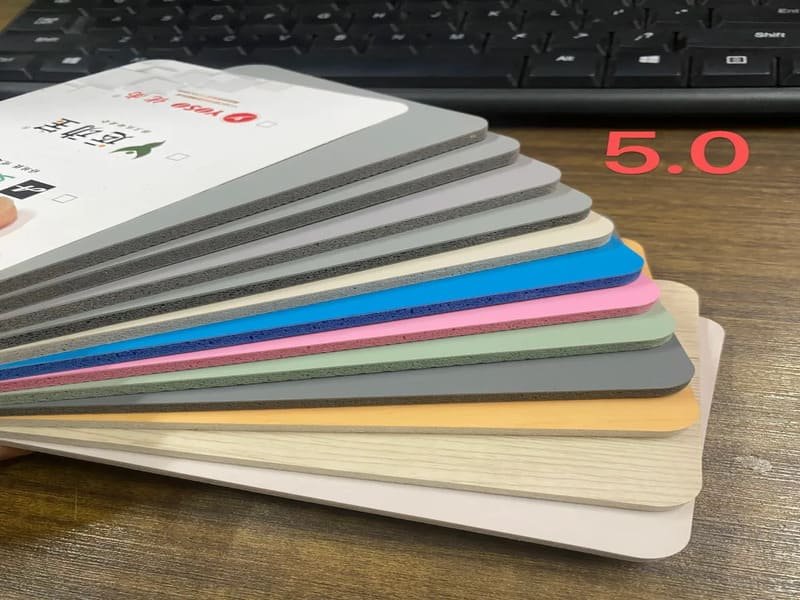
Winter-proof flexible PVC flooring stays soft in freezing temperatures because it uses advanced plasticizers that lower the glass transition point of the polymer. This prevents the material from becoming brittle, hard, or prone to cracking in unheated winter spaces.
Standard PVC and traditional vinyl floors face serious structural risks when the temperature drops. As a quality control manager, I see how standard materials fail in unheated garages, sub-zero basements, and cold northern climates. Cold weather makes regular plastics rigid. When a floor loses its elasticity, daily foot traffic, heavy tools, or rolling loads cause immediate surface cracks. Homeowners and contractors frequently worry about this hidden winter damage. Our engineering team solves this exact problem by modifying the raw material compound. Winter-proof flexible PVC flooring acts as a reliable shield against cold-weather destruction, which ensures long-term durability and structural safety for any seasonal building.
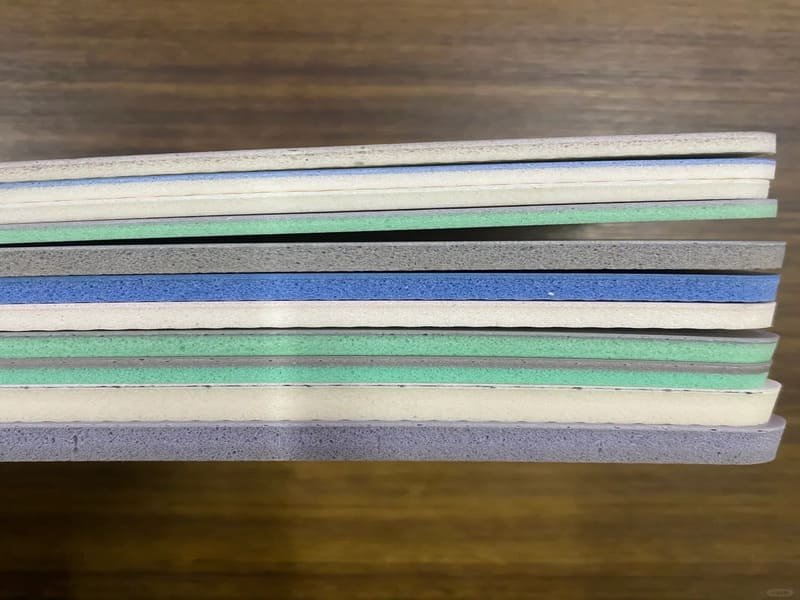
Many people do not know why cold weather destroys regular floors, so let us look at the real molecular problems.
Why Does Standard PVC Flooring Break and Struggle in the Winter?
Standard PVC flooring struggles in winter because extreme cold triggers a molecular change known as the glass transition effect, which turns flexible polymers into brittle, glass-like structures. This state makes the material shrink and crack easily under normal room loads.
| PVC Material Type | Temperature Resistance Limit | Behavior at 0°C | Risk of Cracking |
|---|---|---|---|
| Standard Rigid PVC | Down to 5°C | Hard and brittle | High Risk |
| Winter-Proof PVC | Down to -20°C | Soft and flexible | Estremamente basso |
The Molecular Failure of Cold Plastics
When temperatures drop, the polymer chains inside standard PVC lose their ability to slide past each other. This creates massive internal stress across the floor surface. When a heavy object hits this frozen floor, the material cannot absorb the energy, so it splits.
Furthermore, severe cold causes significant thermal contraction. Standard vinyl sheets or tiles shrink away from the walls and from each other. This shrinkage creates wide, ugly gaps at the seams. Once these seams separate, melting snow, slush, and dirt crawl under the flooring system. This trapped moisture ruins the adhesive bond and breeds hidden mold, which destroys the subfloor completely.
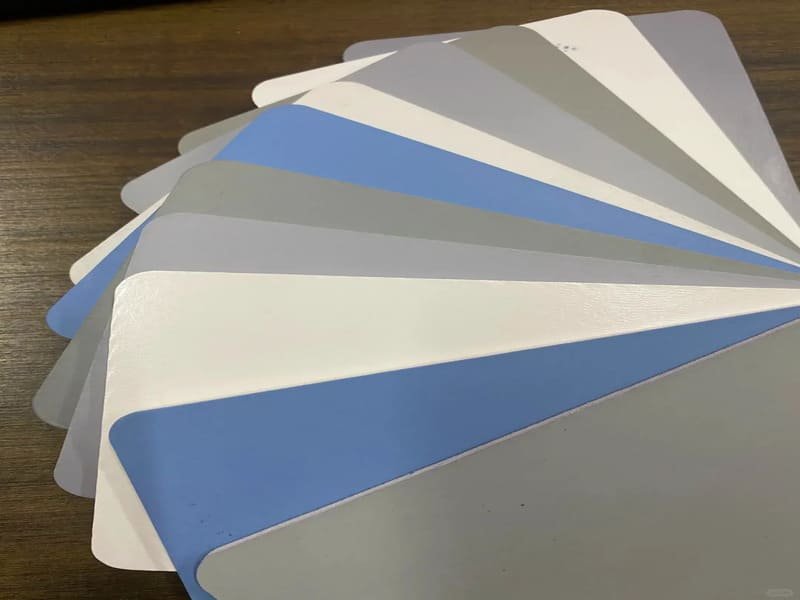
Now that you know how cold destroys regular floors, let us examine how we engineer a better solution.
How Does the Science of Polymer Engineering Keep This PVC Flooring Soft?
Winter-proof PVC stays soft through advanced polymer engineering that adds specialized, low-temperature plasticizers to the raw vinyl mix. These chemical additives keep the molecular chains fluid and pliable even when environmental temperatures drop below -20°C.
| Proprietà tecnica | Standard PVC Formula | Engineered Winter PVC | Benefit to User |
|---|---|---|---|
| Glass Transition Point | Approx. 0°C to 5°C | Below -20°C | Remains flexible in deep freeze |
| Allungamento a rottura | Low under cold | High under cold | Resists impact without tearing |
Overcoming Low Temperatures in the Lab
In our quality control lab, we test materials using strict cold-bend methods. We freeze the PVC sheets down to sub-zero levels and apply high mechanical forces to check for structural failure. Our custom rubber-PVC formulation maintains high impact resistance because the soft matrix cushions heavy blows from fallen equipment or heavy vehicles.
This formula also offers superior thermal stability. By balancing the ratio of PVC resin and specialized stabilizing agents, we control the expansion and contraction rates. The material moves very little between hot summer days and cold winter nights. This engineering balance keeps your floor flat, your seams tight, and your interlocking joints completely safe from seasonal stress.
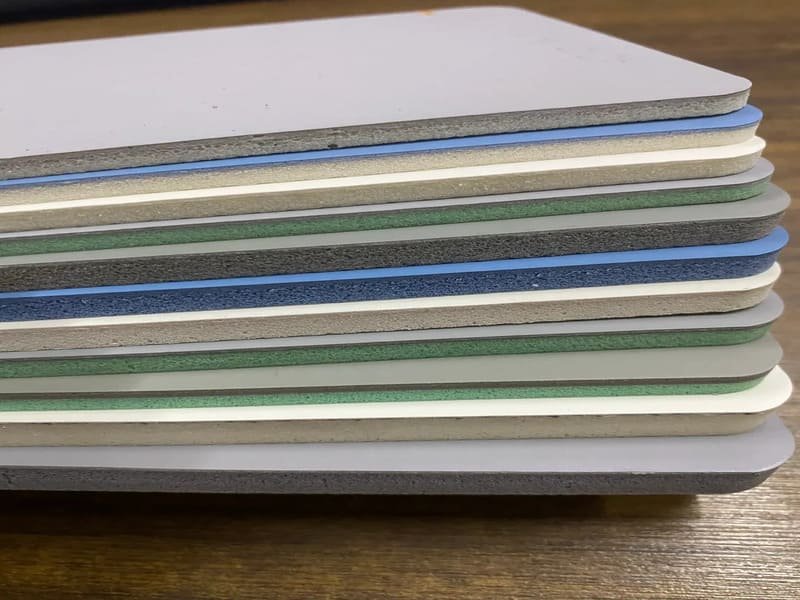
Let us look at the direct practical benefits that this advanced engineering brings to your daily life.
What Real Benefits Does Winter-Proof Flexibility Give to the End-User?
Winter-proof flexible PVC gives the end-user superior underfoot comfort, high impact durability, excellent sound absorption, and reliable slip resistance during cold months. It creates a warmer and safer floor surface than standard rock-hard vinyl options.
| User Comfort Factor | Hard Standard Vinyl | Flexible Winter PVC | Risultato nel mondo reale |
|---|---|---|---|
| Barefoot Thermal Comfort | Cold and rigid | Soft and insulated | Warm to walk on without socks |
| Riduzione del rumore d'impatto | Loud echo | Dampened sound | Quiet environment for pets and boots |
Daily Comfort and Safety Advantages
When you walk on this engineered PVC, you immediately notice the difference in thermal insulation. The soft material does not steal your body heat like cold stone or rigid composite tiles, so it feels much warmer underfoot. This softness also provides a high level of impact absorption, which protects the floor from cracking when heavy tools drop in a cold workshop.
A softer floor surface is also a much quieter floor surface. The elastic structure naturally dampens the loud noises made by heavy winter boots, dropped tools, and pet paws. Additionally, our special surface textures stay flexible in winter weather. This flexibility provides a reliable grip that prevents dangerous slips when people track wet snow, slush, or ice into the building.
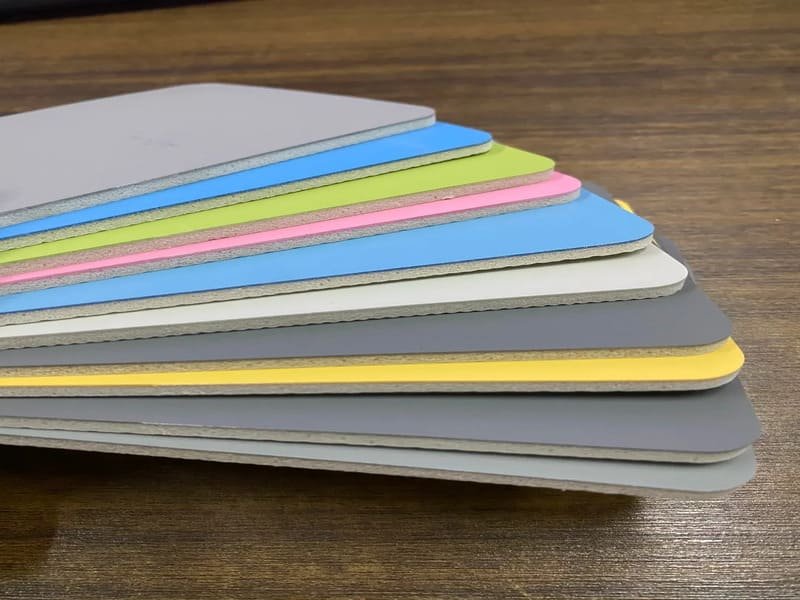
Let us look at the specific locations where this specialized material delivers the best performance.
Where Are the Ideal Application Zones for Soft Winter PVC Flooring?
The ideal application zones for winter-proof PVC flooring include residential basements, unheated garages, workshops, remote vacation cabins, mudrooms, and commercial cold storage facilities. These spaces experience extreme cold temperatures that destroy standard floor coverings.
| Application Environment | Main Climate Challenge | Optimal Flooring Solution |
|---|---|---|
| Unheated Garage | Sub-zero air & vehicle weight | Heavy-duty flexible PVC tiles |
| Remote Vacation Cabin | No heat for weeks during winter | Flexible winter-proof sheet vinyl |
Perfect Placement for High Performance
Basements and mudrooms are naturally cold and damp spaces that require materials with high moisture resistance and thermal comfort. Garages and industrial workshops require a floor that can support massive vehicle weights without cracking when the room temperature drops below zero.
Our flexible flooring is also perfect for vacation homes that stay unheated for months during the winter season. Standard floors crack as the building freezes, but our soft polymer blends adapt easily to these long freeze cycles. In commercial environments like cold storage warehouses, this flooring withstands constant forklift traffic under constant freezing conditions without any material degradation.
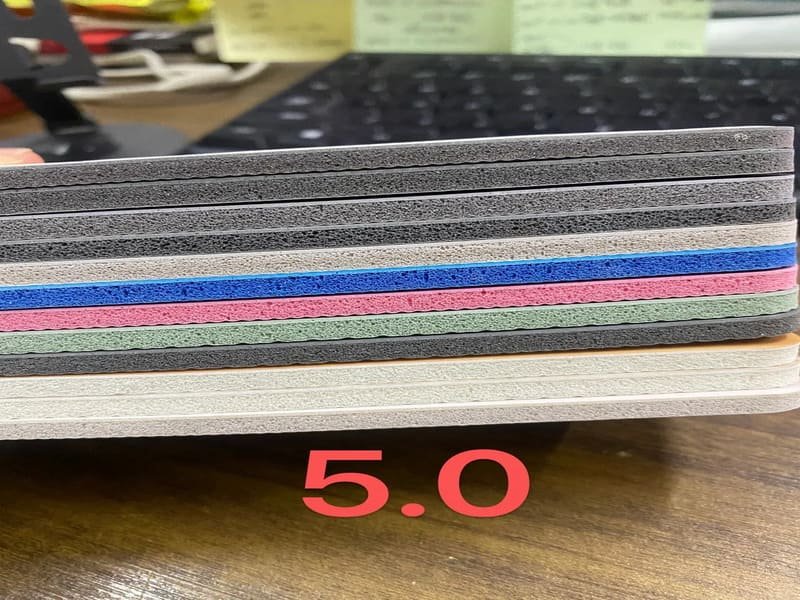
Contractors and DIY installers also experience major benefits when working with this flexible material.
Why Do Contractors and DIY Installers Prefer Flexible Winter PVC?
Contractors and DIYers prefer flexible winter PVC because it eliminates long acclimatization times, allows easy cutting without splintering, and hides minor subfloor imperfections. This saves significant labor time and reduces material waste on cold job sites.
| Fase di installazione | Standard Rigid SPC/Vinyl | Flexible Winter PVC | Installer Advantage |
|---|---|---|---|
| Acclimatazione | Requires 48 to 72 hours | Needs minimal to no wait | Faster project completion |
| Cutting Process | Snaps, cracks, or splinters | Cuts smoothly with a knife | Cleaner edges, less waste |
Saving Time and Labor Costs on Site
Standard rigid vinyl flooring requires days to adjust to room temperature before you can install it safely. If you try to install cold rigid SPC or standard vinyl, the locking tabs break instantly. Our flexible PVC solves this problem because it maintains its soft nature even when stored in a cold delivery truck.
When it comes to cutting and fitting tiles or sheets around corners, this material cuts cleanly with a standard utility knife. It will not crack or splinter in a cold room, which keeps your installation fast and safe. The natural flexibility of the polymer also offers great subfloor forgiveness. It absorbs small bumps and dips in the concrete subfloor instead of telegraphing them to the surface or cracking over them.
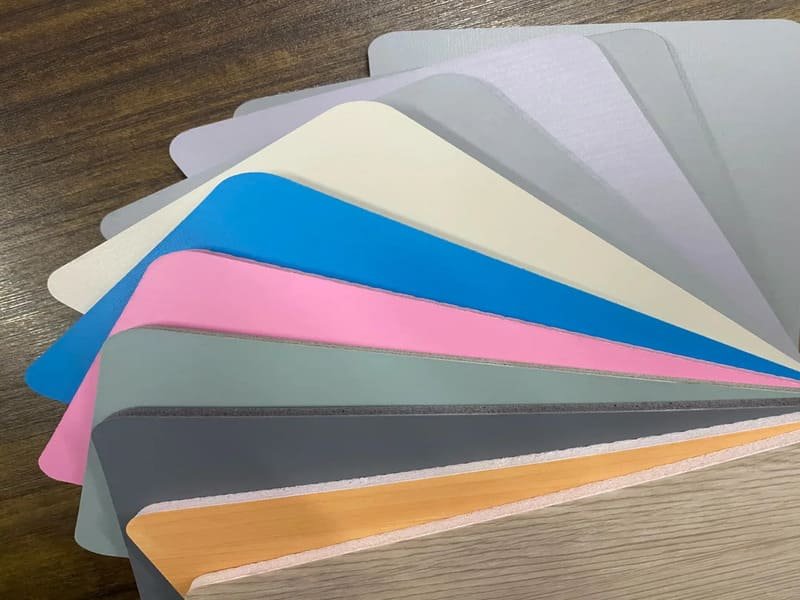
To get these great installation advantages, you must know how to pick the right product.
How Can You Identify Genuine Winter-Proof PVC Flooring Products?
To identify genuine winter-proof PVC flooring, look for explicit sub-zero temperature ratings on the manufacturer specification sheet, verify a flexible vinyl-rubber composition, and check for specific cold-weather warranty coverage.
Decoding the Manufacturer Spec Sheets
1. Check Technical Temperature Ratings
Always read the official engineering datasheets. Look for floors that specify stable performance down to $-20^\circ\text{C}$ or lower. If the technical guide only shows performance down to $0^\circ\text{C}$, the material will fail in a true northern winter.
2. Analyze the Core Composition
Avoid rigid SPC (Stone Plastic Composite) if your main goal is soft flexibility in unheated rooms. Choose high-thickness flexible luxury vinyl or specialized rubber-PVC blends. You can test this yourself by bending a sample piece; it should flex smoothly without showing white stress marks or snapping in two.
3. Review the Warranty Details
Read the warranty terms carefully. Look for clear statements that cover material cracking, fracturing, or joint failure caused by freezing winter conditions. Top manufacturers will guarantee performance in unheated spaces.
Conclusione
Winter weather does not have to ruin your floors. Investing in flexible, winter-proof PVC flooring protects your property from cold-weather cracking, saves replacement costs, and ensures total comfort.
If you are looking to source industrial-grade PVC flooring for your workshop, garage, or commercial project that stays flexible, non-brittle, and crack-free in extreme cold, or if you need to request a free low-temperature flexibility sample, feel free to DM me! As a quality control manager, I am ready to provide you with the most professional technical consultation and custom manufacturing solutions.