


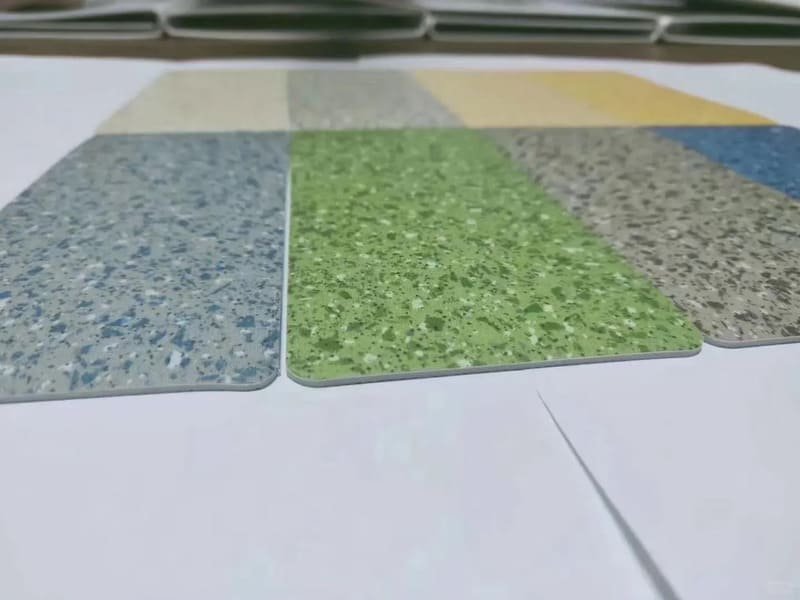
I pavimenti sportivi in PVC sono utilizzati in palestre multiuso al coperto, aule scolastiche, campi da basket, centri fitness, sale da badminton, club di tennis da tavolo, studi di danza e spazi commerciali. Offre un eccellente assorbimento degli urti, rimbalzo della palla, resistenza allo scivolamento e un'elevata durata per le attività atletiche e il traffico pedonale intenso.
In qualità di direttore di posa con molti anni di esperienza pratica nella produzione di pavimenti sportivi in PVC e nell'ottimizzazione della progettazione, ho posato migliaia di metri quadrati di rotoli di vinile. So che la scelta del pavimento giusto non è solo una questione estetica. Si tratta di parametri tecnici come l'assorbimento degli urti, la deformazione verticale e il coefficiente di scorrimento. Sebbene esistano il legno tradizionale, il poliuretano colato o il cemento grezzo, i pavimenti sportivi in PVC vinilico sono oggi lo standard industriale per gli spazi interni ad alte prestazioni e multifunzionali. In questa guida vi mostrerò esattamente dove viene utilizzato questo materiale, perché funziona per ogni spazio e come scegliere le specifiche giuste per risolvere le vostre sfide di progettazione o di approvvigionamento.
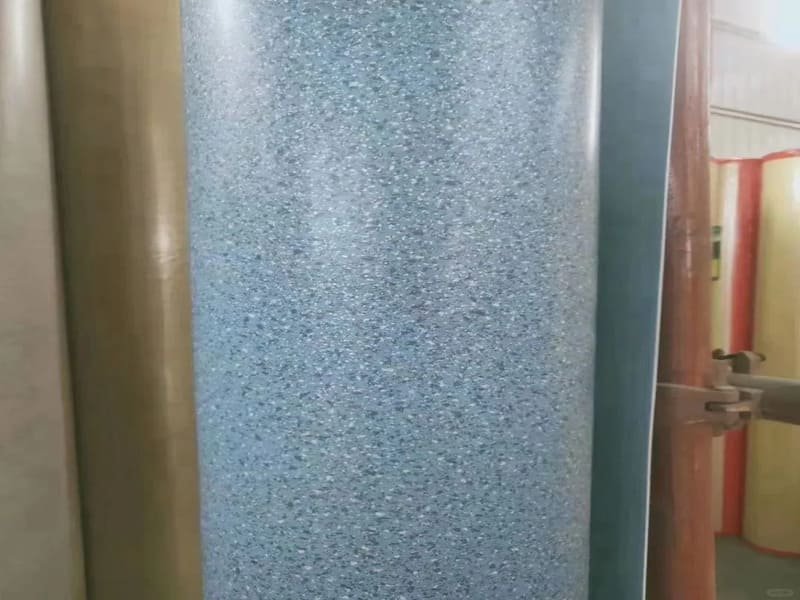
Se volete sapere come si comporta questo materiale in diverse condizioni reali, vediamo i luoghi più comuni in cui lo installo ogni giorno.
Dove si usa di più la pavimentazione sportiva in PVC?
Le pavimentazioni sportive in PVC sono utilizzate in palestre multisport, campi da gioco professionali al coperto, centri fitness, strutture specializzate in sport con racchetta, studi di danza e spazi commerciali. La tabella seguente mostra le proprietà chiave necessarie per ogni luogo, per aiutare i responsabili delle strutture a fare la scelta tecnica giusta.
| Posizione dell'applicazione | Principali sport/attività | Chiave Proprietà richiesta | Spessore consigliato |
|---|---|---|---|
| Palestre scolastiche | Basket, Esami, Eventi | Durata multiuso, resistenza al carico puntuale | 6,0 mm - 7,0 mm |
| Campi da pallone al coperto | Pallacanestro, Pallavolo | Elevato assorbimento degli urti, rimbalzo della palla | 7,0 mm - 8,0 mm + |
| Centri fitness | Cardio, yoga, allenamento leggero | Isolamento acustico, facilità di pulizia | 4,5 mm - 6,0 mm |
| Sedi per gli sport di racchetta | Badminton, tennis da tavolo | Struttura antiscivolo, basso livello di abbagliamento | 4,5 mm - 5,0 mm |
| Danza e arti marziali | Balletto, arti marziali a basso impatto | Prevenzione delle ustioni cutanee, Atterraggio morbido | 5,0 mm - 6,0 mm |
| Zone commerciali | Riabilitazione, asilo nido | Antibatterico, Comfort al piede | 3,5 mm - 4,5 mm |
Analisi tecnica delle applicazioni principali
Per capire perché questi luoghi richiedono tipi di pavimento specifici, dobbiamo esaminare l'ingegneria strutturale dei rotoli di PVC. Nei miei progetti passati con le palestre scolastiche, la sfida principale è stata quella di creare un pavimento in grado di gestire una pesante partita di basket al mattino e un esame scolastico con centinaia di gambe affilate di sedie nel pomeriggio.
Ripartizione strutturale per il successo dell'applicazione
- Lo strato di usura: Uno spesso strato di usura con un trattamento superficiale ai raggi UV o al poliuretano (PUR) protegge il pavimento dai graffi causati dalle scarpe da strada durante gli eventi non sportivi.
- Lo strato di rinforzo: Uno strato di rete in fibra di vetro ad alta densità all'interno del rotolo impedisce al pavimento di espandersi o contrarsi quando la temperatura dell'ambiente cambia.
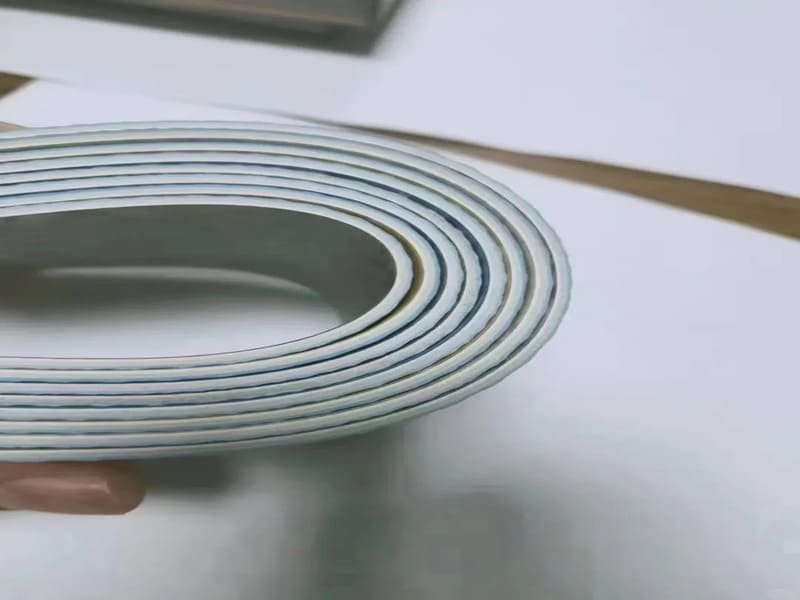
- Il supporto in schiuma: Uno strato di schiuma di PVC a cellule chiuse assorbe l'energia d'impatto quando l'atleta atterra, riducendo il rischio di affaticamento delle articolazioni.
Per i campi da pallone professionali al coperto, si guarda con attenzione agli standard europei come la norma EN 14904. Per la pallacanestro e la pallavolo, il pavimento deve avere un tasso di assorbimento degli urti di almeno 25% - 35% (Classe P1) o superiore. Se si installa un pavimento troppo sottile, il rimbalzo della palla sarà irregolare e i giocatori lamenteranno dolori alle ginocchia.
Negli spazi dedicati agli sport di racchetta, come le sale dedicate al badminton o al tennis da tavolo, la texture della superficie è il fattore più critico. Consiglio sempre texture specifiche come litchi, sabbia o pelle di serpente. Queste texture forniscono il giusto coefficiente di attrito (tra 80 e 110 secondo gli standard EN) per evitare scivolate durante i rapidi movimenti laterali del piede. Inoltre, sono caratterizzate da una finitura opaca che impedisce il riverbero delle intense luci dello stadio.
Per i centri fitness e le zone cardio delle palestre, l'isolamento acustico è una priorità. Uno spesso supporto in schiuma può ridurre i rumori d'impatto fino a 20 dB, impedendo al rumore di attraversare l'edificio. Tuttavia, in qualità di ingegnere, devo darvi un avvertimento. Non utilizzate le pavimentazioni sportive in PVC standard nelle zone dove si praticano i pesi liberi. Lasciando cadere manubri da 30 kg, il PVC espanso si buca. Per queste aree specifiche di sollevamento pesi è necessario utilizzare piastrelle in gomma ad alta densità.
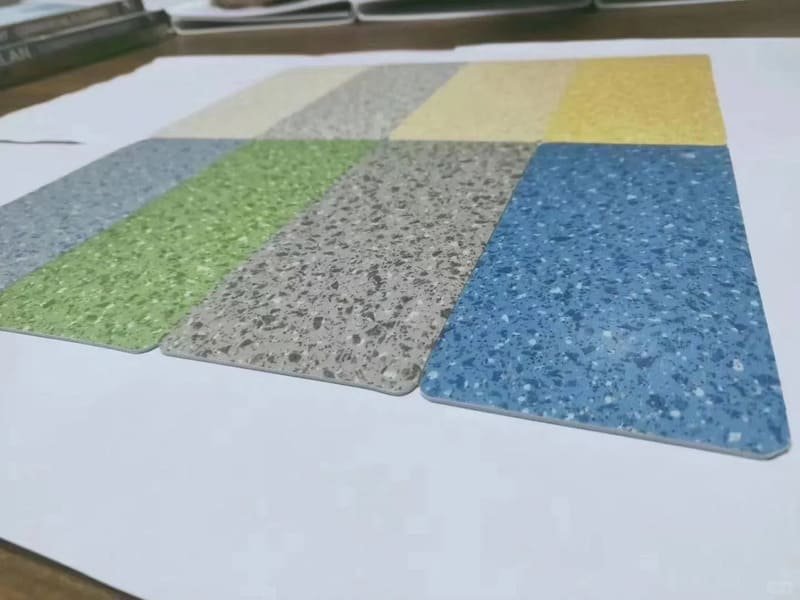
La comprensione di queste specifiche esigenze di localizzazione ci aiuta ad approfondire i vantaggi ingegneristici complessivi del materiale.
Perché scegliere il PVC rispetto ad altri materiali per pavimenti?
Le pavimentazioni sportive in PVC vengono scelte rispetto al legno o alla gomma perché offrono una sicurezza superiore dei giunti, un'eccellente resistenza ai graffi, design personalizzabili e costi di manutenzione inferiori. La tabella seguente mette a confronto queste scelte sulla base di dati ingegneristici reali ricavati dai miei test di installazione.
| Tipo di materiale | Assorbimento degli urti | Resistenza ai graffi | Sforzo di manutenzione | Costo totale dell'installazione |
|---|---|---|---|---|
| Pavimento sportivo in PVC | Alto (25% - 45%+) | Molto alto (strato PUR) | Basso (senza ceretta) | Medio |
| Pavimento in legno duro | Medio-Alto | Basso (si graffia facilmente) | Alto (levigatura/ceratura) | Molto alto |
| Pavimenti in gomma | Da basso a medio | Alto | Medio | Medio-Alto |
| Poliuretano colato | Alto | Medio | Medio | Alto |
I vantaggi dell'ingegneria spiegati
Quando discuto le opzioni di progettazione con gli sviluppatori di prodotti e gli ingegneri di progetto, sottolineo sempre che il processo di produzione influisce direttamente sulle prestazioni.
Prestazioni e vantaggi pratici
- Ingegneria della sicurezza: Il supporto in schiuma funge da cuscinetto meccanico. Si deforma sotto carico per distribuire la forza, in modo da proteggere i bambini e gli atleti professionisti da lesioni a lungo termine.
- Protezione della superficie: Il trattamento superficiale PUR è uno scudo trasparente. Impedisce allo sporco di penetrare nel vinile, resiste ai segni neri delle scarpe e consente una facile pulizia con un semplice straccio.
- Personalizzazione visiva: Possiamo stampare venature realistiche del legno o colori pieni e brillanti direttamente sul livello del disegno, mentre le linee di gioco possono essere dipinte in modo permanente utilizzando inchiostri poliuretanici specializzati.
- Controllo dei costi: L'acquisto e l'installazione del PVC costano molto meno rispetto al legno duro d'acero di prima scelta. Non necessita di levigatura, risigillatura o di complessi sistemi di ventilazione del sottofondo, il che fa risparmiare migliaia di dollari all'anno ai gestori delle strutture.
Conoscere questi vantaggi ci permette di esaminare il processo di acquisto pratico per abbinare il prodotto corretto al vostro sito.
Come si abbinano i tipi di PVC alla propria posizione?
Per adattare la pavimentazione in PVC al luogo in cui ci si trova è necessario selezionare lo spessore e il metodo di installazione corretti in base ai tipi di sport e all'utilizzo della struttura. La tabella seguente illustra i parametri specifici che utilizzo durante le consulenze ingegneristiche per guidare gli acquirenti di materiali sfusi.
| Stato del sottofondo | Attività principale | Livello dell'utente target | Spessore consigliato | Metodo di installazione |
|---|---|---|---|---|
| Calcestruzzo liscio | Badminton / Ping Pong | Amatoriale / Club | 4,5 mm - 5,0 mm | Portatile (nastro) |
| Calcestruzzo liscio | Multi-sport / Palestra | Scuola / Comunità | 6,0 mm - 7,0 mm | Permanente (colla) |
| Sottofondo in compensato | Pallacanestro | Professionale | 7,0 mm - 8,0 mm + | Permanente (colla) |
Guida alla selezione professionale
Lo spessore è la decisione più critica per qualsiasi progetto. Per semplici spazi dedicati agli sport di racchetta o al fitness, sono sufficienti pavimenti da 4,5 a 6,0 mm. In questo modo il progetto rientra nel budget e garantisce una buona stabilità. Tuttavia, per le sale multisport d'élite, è necessario utilizzare una pavimentazione da 7,0 mm a 8,0 mm in più per soddisfare i requisiti di sicurezza e prestazioni della norma EN 14904.
Selezione dello stile di installazione
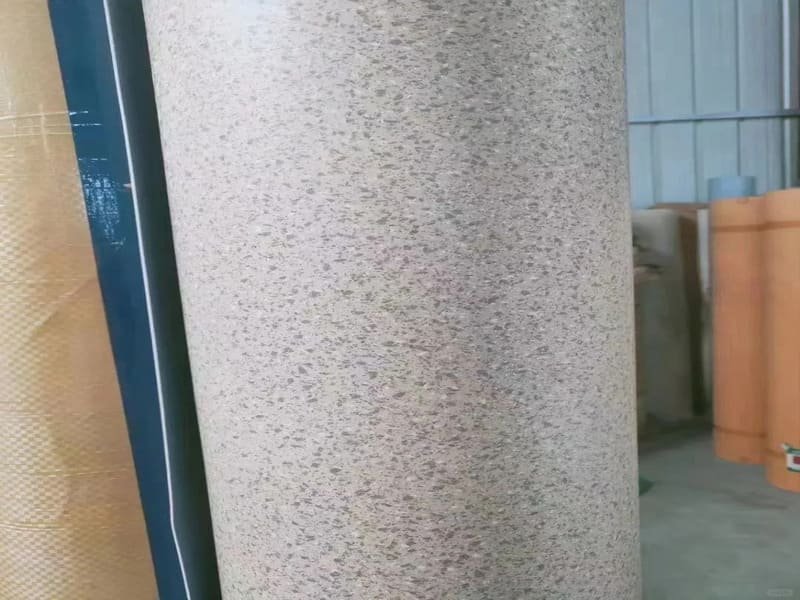
- Colla permanente: Questo metodo utilizza una spalmatura completa di adesivo acrilico per incollare i rotoli di PVC direttamente al sottofondo in calcestruzzo. Le giunture vengono poi saldate a caldo a 180°C con una barra di saldatura per PVC. In questo modo si ottiene una superficie impermeabile e senza giunture, perfetta per le scuole e le palestre pubbliche ad alta frequentazione.
- Installazione temporanea o portatile: Questo metodo utilizza un nastro biadesivo specializzato per unire i rotoli. È l'opzione ideale per gli eventi sportivi o gli edifici in affitto in cui è necessario rimuovere il pavimento dopo un torneo.
Ora affrontiamo alcune delle domande più comuni che ricevo dai project manager durante le valutazioni del sito.
Domande frequenti sulla pavimentazione sportiva in PVC
I pavimenti sportivi in PVC possono essere utilizzati all'aperto?
No, i pavimenti sportivi in PVC non possono essere utilizzati all'aperto. È stato progettato esclusivamente per strutture interne. L'umidità esterna può distruggere il legame adesivo con il sottofondo e le continue radiazioni UV del sole degradano il composto in PVC, facendolo sbiadire, crepare e perdere elasticità in breve tempo.
Quanto dura la pavimentazione sportiva in PVC in caso di uso intensivo della palestra?
Secondo la mia esperienza, un pavimento sportivo in PVC di alta qualità dura tra i 10 e gli oltre 15 anni. La durata effettiva dipende in larga misura dallo spessore dello strato di usura (da 1,2 mm a 1,5 mm per un uso intenso) e dalla pulizia regolare. Per evitare un'usura precoce è fondamentale tenere lontano dalla superficie lo sporco abrasivo e la sabbia.
I pavimenti sportivi in PVC sono facili da pulire?
Sì, è molto facile da pulire grazie al rivestimento PUR applicato in fabbrica. È sufficiente spazzare o passare l'aspirapolvere ogni giorno per rimuovere la polvere e passare uno straccio umido con un detergente neutro. A differenza dei pavimenti in legno tradizionali, non richiede mai la levigatura, la ceratura o l'applicazione di sigillanti chimici specifici.
È sicuro ed ecologico per le scuole?
Sì, a patto che si scelgano prodotti che rispettino rigorosi standard ambientali. Quando ci si procura il materiale, è necessario verificare che la pavimentazione abbia superato le certificazioni EN 13813 e sia priva di plastificanti ftalati dannosi. Le certificazioni a basso contenuto di COV (composti organici volatili) garantiscono che la qualità dell'aria interna sia sicura per i bambini e gli atleti.
Conclusione
La pavimentazione sportiva in PVC è una soluzione altamente versatile, sicura ed economica per palestre scolastiche, campi da gioco professionali, fitness club e strutture commerciali, se scelta con lo spessore e lo strato di usura corretti.
Se state pianificando un progetto di impianto sportivo o state affrontando sfide tecniche relative all'approvvigionamento di materiali sfusi, alla progettazione personalizzata, alla selezione dei parametri di spessore e all'installazione tecnica, inviatemi un messaggio privato. In qualità di direttore dell'installazione, vi fornirò una consulenza tecnica individuale e piani di ottimizzazione ingegneristica!