


Choosing the wrong vinyl sheet flooring leads to premature wear, bad stains, or big budget loss. The main differences between homogeneous and heterogeneous vinyl sheets are their internal structure, their wear maintenance limits, and their design looks. Knowing these three things helps you pick the right floor.
I have spent many years designing and fixing vinyl sheet production lines. On the surface, both options look like durable, seamless vinyl sheets. But their chemical makeup and engineering parts are totally different. We will use technical facts to break down these differences so you can make the best choice for your project.
Read on to learn how these manufacturing details change the lifespan and performance of your floor.
How Do Homogeneous and Heterogeneous Vinyl Sheets Differ in Internal Structure?
Homogeneous vinyl sheets have one single solid layer from top to bottom, while heterogeneous vinyl sheets use a multi-layered sandwich structure. This structural difference alters how each material reacts to heavy loads, scratches, and daily wear in commercial spaces.
| Structural Property | Feuille de vinyle homogène | Heterogeneous Vinyl Sheet |
|---|---|---|
| Total Layers | 1 Solid Layer | 4 to 5 Specialized Layers |
| Material Base | PVC + Fillers mixed uniformly | Layered PVC, Fiberglass, Print Film |
| Pattern Depth | Through-body (Top to Bottom) | Surface Print Layer Only |
To understand the core design, we must look at how we make these materials on the production line. A homogeneous sheet uses a single mix of polyvinyl chloride (PVC) resin, plasticizers, and calcium carbonate fillers. This mix goes through hot rollers to form a solid sheet. The color and design go completely through the whole thickness.
A heterogeneous sheet is built like a sandwich. I set up lines for this product using a fiberglass or foam backing layer for stability. Next, we apply a high-definition printed design layer. On top of that, we add a clear PVC wear layer, followed by a UV-cured polyurethane (PU) top coat.
Cross-Section Analysis of Vinyl Sheets
- Homogeneous Sheet: Monolithic structure, uniform density, high filler option.
- Heterogeneous Sheet: Fiberglass core, 0.5mm to 0.7mm wear layer, acoustic backing option.
This engineering difference affects everything from installation weight to impact resistance. If you want a floor that does not change shape under heavy hospital beds, the solid structure is key. If you need sound dampening, the multi-layered foam backing is better.
You must understand how these internal structures hold up over years of heavy use.
Why Do Wear Resistance and Maintenance Budgets Differ Between These Two Vinyl Sheets?
Homogeneous vinyl allows you to sand and buff the surface to fix scratches because the color goes all the way through, while heterogeneous vinyl relies completely on its top wear layer thickness and cannot be sanded without destroying the printed pattern.
| Facteur de maintenance | Feuille de vinyle homogène | Heterogeneous Vinyl Sheet |
|---|---|---|
| Scratch Fix | Can be sanded and buffed | Cannot be sanded (Destroys print) |
| Wear Layer Limit | Full thickness acts as wear layer | Limited to top clear layer (0.5mm – 0.7mm) |
| Résistance chimique | Needs PU coating to block stains | Clear wear layer acts as direct shield |
From a factory perspective, wear resistance depends on different parts of the product. For a homogeneous sheet, deep scratches are not a disaster. Since the material is uniform, a floor technician can buff away scratches and apply a new sealer. This gives it a long lifespan in high-traffic hospitals.
For a heterogeneous sheet, the clear wear layer is the only shield. If a heavy object cuts through a 0.7mm wear layer, the print layer is ruined. You cannot sand this floor. However, that clear wear layer provides excellent stain and chemical resistance out of the box.
Long-Term Performance Under Traffic
- High-Filler Issues: Cheap homogeneous sheets with too much calcium carbonate scratch white easily if they lack a good PU factory treatment.
- Wear Layer Standard: Good commercial heterogeneous sheets must meet EN 649 standards for wear layer thickness to ensure stability.
Choosing between these two options will change your long-term cleaning and floor replacement budgets.
Now let us look at the visual options and design limits of each production process.
How Do Production Methods Limit or Expand Design and Application Options?
Heterogeneous vinyl offers infinite design choices like wood and stone because it uses a printed film, while homogeneous vinyl is limited to marble or speckle patterns due to its single-layer manufacturing process.
| Design & Use Metrics | Feuille de vinyle homogène | Heterogeneous Vinyl Sheet |
|---|---|---|
| Aesthetic Styles | Directional/Non-directional chips, marbling | Wood grain, stone, tile, custom graphics |
| Meilleure application | Healthcare, labs, cleanrooms, industry | Offices, schools, retail, hotel lobbies |
| Seam Strength | Excellent for airtight heat welding | Good for heat or cold solvent welding |
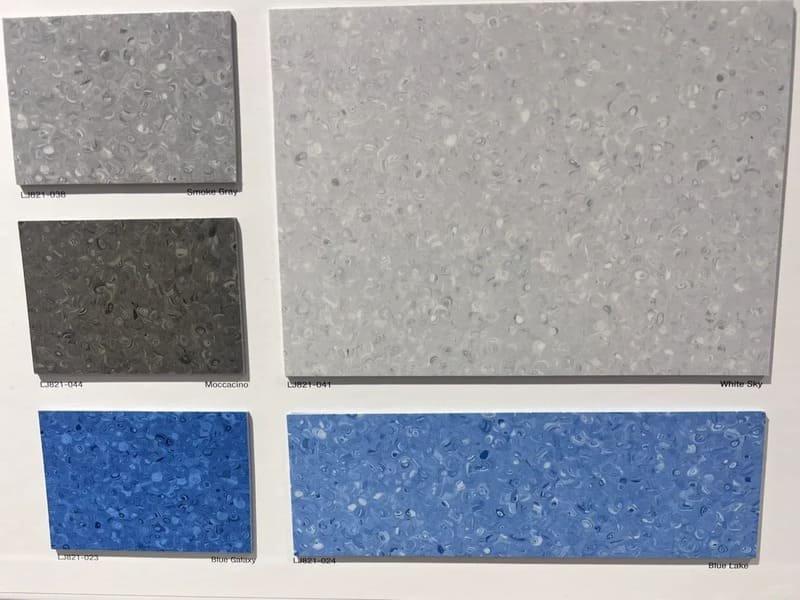
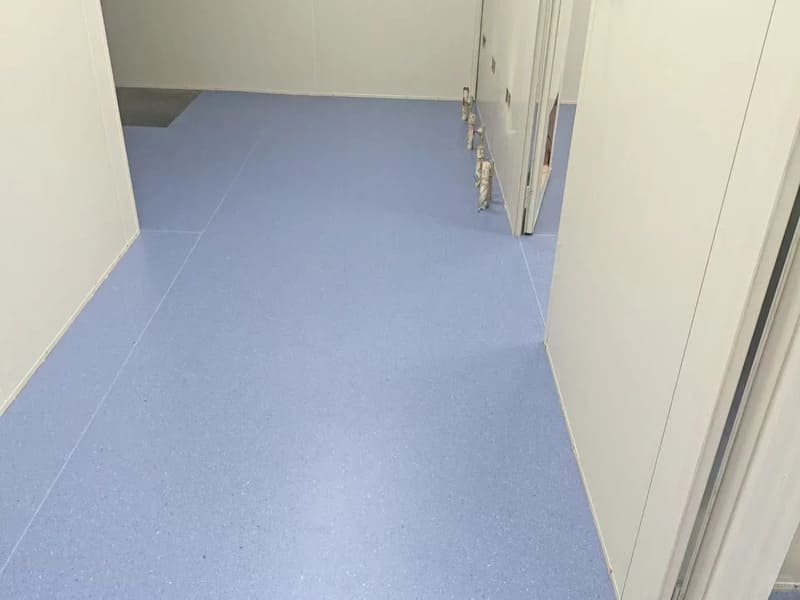
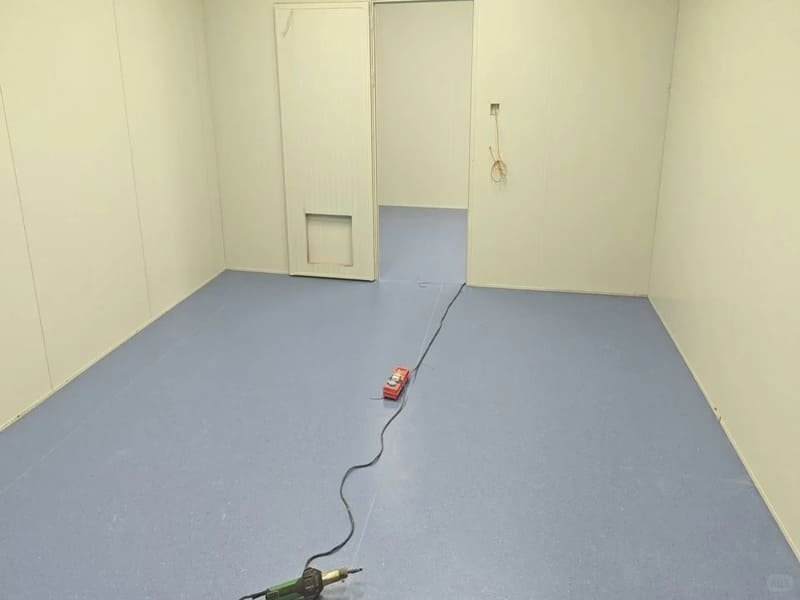
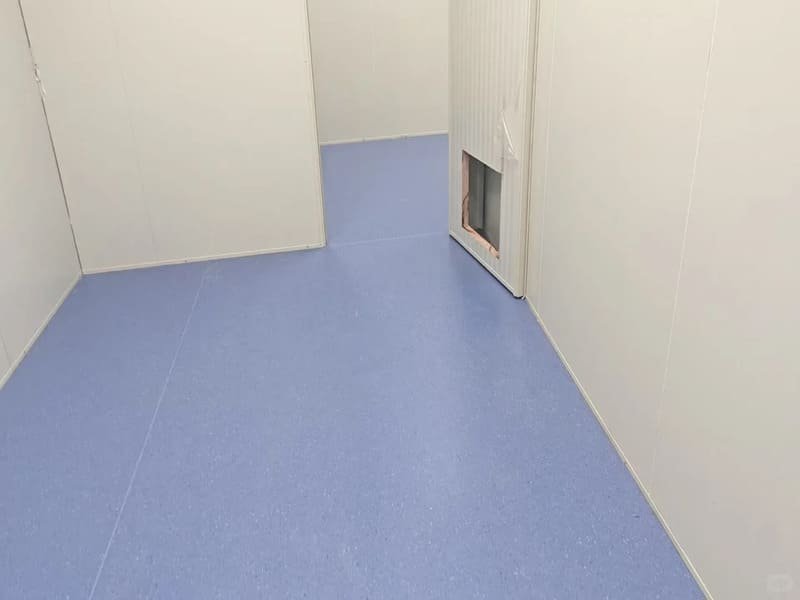
When we run a homogeneous line, we mix solid color chips into the paste. This creates simple, non-directional or directional speckled designs. This clean look is perfect for sterile environments like operating rooms. It allows for seamless heat welding, which blocks bacteria growth.
When we run a heterogeneous line, the printing press can print any image onto the film. We can make the vinyl look like real oak wood or gray concrete. This makes it popular for schools and offices that want a warm, inviting feel. The optional foam backing also reduces noise between floors.
Target Environment Guidelines
- Homogeneous Selection: Choose this for spaces that face heavy rolling loads, harsh chemicals, or need absolute sterile conditions.
- Heterogeneous Selection: Choose this for spaces that need specific design styles, comfort under foot, or better room acoustics.
Let us review all these engineering details in a final comparison table.
Use this summary to make your final choice.
Conclusion
Homogeneous vinyl is best for long-term durability and sterile cleaning, while heterogeneous vinyl is best for style choices and comfort. As a rule of thumb, use homogeneous sheets for healthcare or industrial spaces, and use heterogeneous sheets for retail, office, or school projects.
If you need product catalogs, custom wear layer specifications, or free material samples for your next project, send me a private message now. Let us work together to find the right flooring solution.