


PP interlocking tiles and PVC flooring serve different environments, so the best choice depends entirely on your specific space. Choose PP tiles for outdoor sports courts and garages where drainage and weather resistance matter most. Choose PVC flooring for indoor gyms and commercial spaces where you need shock absorption and a seamless look.
As a production manager with years of hands-on experience on the factory floor, I see buyers struggle with this choice every day. A wrong decision can lead to cracked floors, mold under your mats, or wasted money. I see how raw materials change under pressure, heat, and heavy use. I want to share my practical manufacturing knowledge to help you pick the right product for your project.
Choosing the wrong flooring will hurt your business budget, so let us look at how these materials actually compare in the real world.
Is There a Quick Summary for PP Interlocking Tiles vs PVC Flooring?
PP interlocking tiles are rigid, open-grid mats best for outdoor sports and garages because they drain water fast and install without glue. PVC flooring is a flexible, solid material best for indoor fitness centers because it absorbs sound and resists heavy impact from weights.
To help you compare them fast, I made a simple table based on our factory testing and real project data:
| Fonctionnalité | PP Interlocking Tiles | Revêtements de sol en PVC |
|---|---|---|
| Type de matériau | Rigid Polypropylene Polymeric | Flexible Polyvinyl Chloride |
| Best Environment | Outdoor sports courts, garages | Indoor gyms, commercial spaces |
| Installation | DIY snap-lock, no glue | Professional glue down or heat weld |
| Durée de vie | 8 to 12 years (High UV resistance) | 5 to 10 years (Indoor use) |
| Principal avantage | Excellent drainage, no subfloor prep | Great sound isolation, soft comfort |
Understanding the Factory Realities of Both Materials
When we mix polymers in the factory, we look at density and flexibility. PP tiles are hard and use a suspended design to handle outdoor heat expansion. PVC flooring uses plasticizers to stay flexible, which helps it absorb vibration inside a room.
If you need a fast answer, use the rules above, but let us look closer at each product.
What Exactly Are PP Interlocking Tiles?
PP interlocking tiles are hard thermoplastic square mats that snap together to form a floating floor over any hard surface. They use an open-grid design that lets water and dirt fall through, making them perfect for outdoor basketball courts and car washing bays.
In our production line, we mold polypropylene under high pressure to create a rigid structure. These tiles do not sit flat on the ground; they have small legs underneath that create a suspended floor. This gap protects the tile from ground moisture and allows rain to wash away easily.
The Technical Specs of Polypropylene Tiles
PP Tile Performance Data
- Densité du matériau : Around 0.90 grams per cubic centimeter, making it light but structurally strong.
- Impact Strength: Resists heavy rolling loads like cars and trucks without bending.
- Interlocking System: Uses loop-and-peg edges so you can snap them together with a rubber mallet.
Now that you know how we make rigid PP tiles, let us look at flexible PVC.
What Exactly Is PVC Flooring?
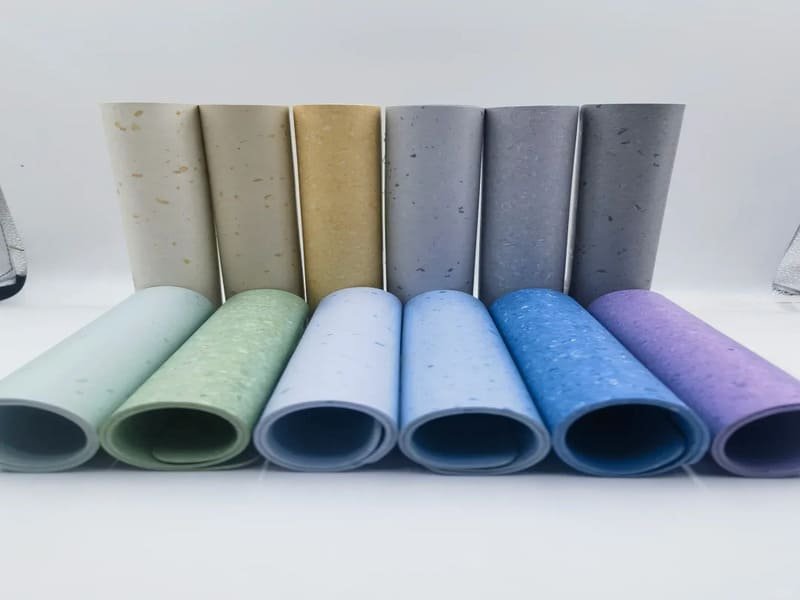
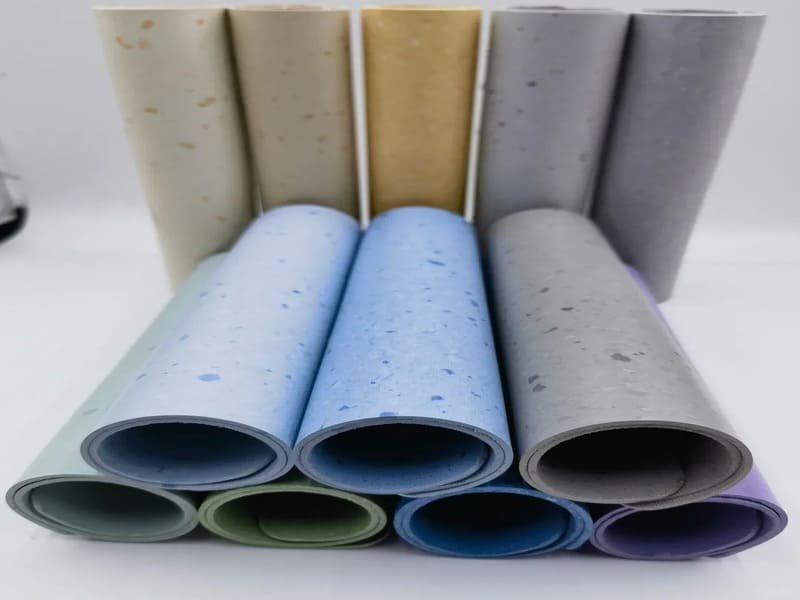
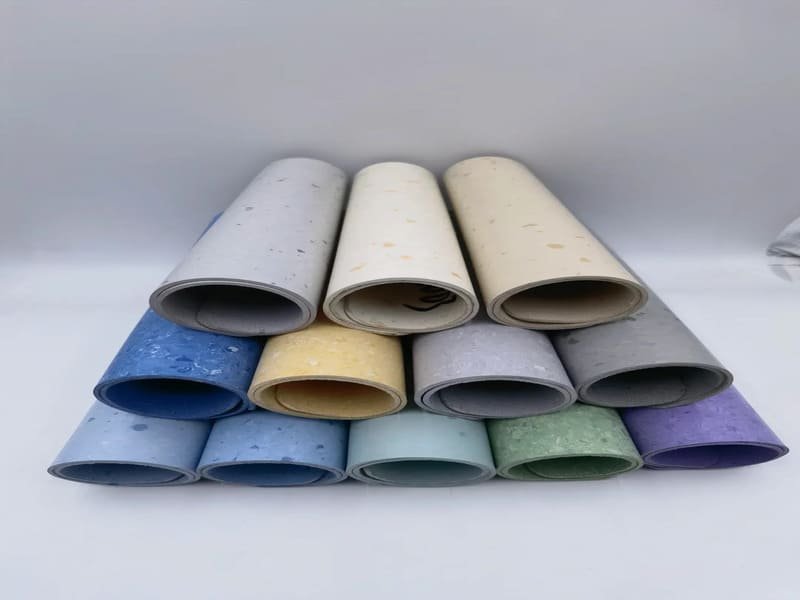
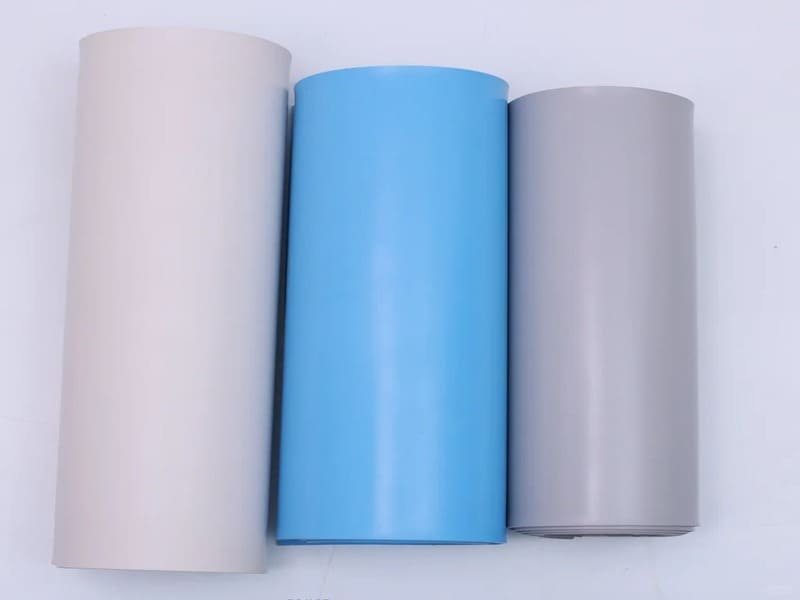
PVC flooring is a dense, resilient floor covering available in rolls or solid interlocking mats made for heavy-duty indoor protection. It provides a smooth, flat surface that stops water, sweat, and dirt from reaching the subfloor, which keeps indoor facilities clean.
When I run the PVC extrusion line, we add fiberglass layers inside the sheets to prevent stretching. This makes the material dimensionally stable under heavy foot traffic. PVC rolls can be cold-welded or heat-welded at the seams to make a single, waterproof sheet across your entire room.
The Technical Specs of PVC Rolls and Mats
PVC Material Characteristics
- Densité du matériau : Around 1.3 to 1.5 grams per cubic centimeter, which gives it a heavy, solid feel.
- Point Elasticity: It deforms slightly under a footstep or a dropped weight, then returns to its original shape.
- Texture de la surface : Features anti-slip orange peel or wood grain patterns for better foot grip.
Let us compare how these two floors handle real installation and usage challenges.
How Do They Compare in Installation and Subfloor Requirements?
PP tiles require almost no floor preparation and snap together quickly on uneven concrete without glue. PVC flooring requires a perfectly flat, dry subfloor and often needs professional installers to apply adhesive and weld the seams correctly.
From a factory perspective, PP tiles are forgiving because the suspended backing hides cracks in your concrete base. If your outdoor court has minor dips, the tiles will bridge over them without a problem. This saves you money on surface prep.
Labor and Subfloor Preparation Needs
Subfloor and Installation Breakdown
- PP Tiles: You can install a full basketball court in one afternoon with three people. No special tools are needed.
- PVC Flooring: If your concrete has a rough texture, it will show through the PVC sheet over time. You must use a self-leveling compound first.
Subfloor preparation can double your installation costs, so check your ground condition before buying.
How Do They Handle Weather and UV Stability?
PP tiles win the outdoor battle because they contain UV stabilizers that prevent fading and cracking in extreme hot or cold weather. PVC flooring is made for indoor use because sun exposure breaks down plasticizers, causing the material to shrink or warp.
In our manufacturing process, we add anti-UV chemicals directly into the PP raw material pellets. This ensures the color stays bright even after years under the sun. The open-grid design also stops puddles from forming during heavy rain storms.
Weather Resistance and Outdoor Survival
Environmental Exposure Test Results
- PP Tiles: Can handle temperatures from -30°C to 70°C without breaking or losing shape.
- PVC Flooring: High heat makes PVC expand, and cold makes it stiff and brittle. If water gets under glued PVC, it destroys the bond.
If your project is outdoors, do not use PVC. If your project is indoors, let us look at safety.
Which Flooring Offers Better Shock Absorption and Safety?
PVC flooring offers superior shock absorption and sound dampening for indoor weight training because it absorbs energy directly. PP tiles use a mechanical suspension design that provides excellent vertical ball bounce for sports, but they feel firmer underfoot.
When athletes play on PVC, the material protects their joints by dampening the impact of jumps. For a professional weight room, our 8mm or 10mm PVC sheets reduce the noise of dropped dumbbells. This stops vibrations from moving through the building walls.
Safety Metrics and Impact Testing
Safety and Sports Performance Factors
- Rebond du ballon : PP tiles give a 95% ball bounce rate, which is ideal for basketball and tennis.
- Vibration Absorption: PVC reduces impact noise by up to 18 decibels, keeping your gym quiet.
Next, let us look at the work required to keep these floors clean every day.
What Are the Maintenance and Cleaning Differences?
PVC flooring is easier to sanitize daily because its seamless surface stops sweat and spilled drinks from soaking into the floor. PP tiles are easy to wash outside with a water hose, but dirt will collect under the grids over time.
For indoor commercial spaces, hygiene is a major selling point. You can wash a PVC floor with a standard mop and mild detergent. The tight surface does not allow bacteria to grow, which prevents bad odors in busy commercial fitness hubs.
Daily Upkeep and Deep Cleaning Routines
Cleaning and Maintenance Needs
- PP Tiles (Outdoors): Rain washes away most dust. You only need a leaf blower or a pressure washer to clean deep dirt.
- PP Tiles (Indoors): You must vacuum the floor regularly, and you will need to lift the tiles once a year to clean the subfloor.
- PVC Flooring: Simple daily sweeping and damp mopping will keep the floor looking new for many years.
Now let us look at the financial comparison to see which floor fits your budget.
Initial Cost vs Total Cost of Ownership: Which Value Is Higher?
PP tiles cost less over time because you do not pay for professional labor or floor primers. PVC flooring can have a lower initial material cost per square meter, but high installation and subfloor preparation fees raise the total project price.
When you budget for a project, do not look only at the factory price of the material. A cheap PVC roll becomes expensive if you must hire a professional team to level your floor and glue it down. PP tiles cost more to manufacture, but any worker can install them without training.
Long-Term Value and Replacement Cycles
Cost Analysis Guide
- PP Tiles: High material cost + zero glue cost + zero professional labor cost = steady long-term value.
- PVC Flooring: Low-to-medium material cost + high self-leveling compound cost + high installation labor cost = higher upfront investment.
Let us look at some specific scenarios to see which floor wins for your business.
Buying Guide: Which Flooring Wins for Your Specific Scenario?
Scenario A: Outdoor Basketball Court
- Winner: PP Interlocking Tiles
- Pourquoi ? They handle rain, sun, and snow while giving players a true basketball bounce.
Scenario B: Commercial Gym Weight Room
- Winner: Revêtements de sol en PVC
- Pourquoi ? It absorbs the heavy impact of weights and dampens noise while staying easy to clean.
Scenario C: Car Detailing Shop or Garage
- Winner: PP Interlocking Tiles
- Pourquoi ? Oil, grease, and soap water drain right through the floor, leaving a dry surface for workers.
Scenario D: Indoor Badminton or Volleyball Court
- Winner: Premium PVC Sports Roll
- Pourquoi ? It provides the exact shoe grip and slide resistance required for fast indoor court movements.
Common Myths About PP and PVC Flooring
Myth 1: "PP tiles look cheap and feel like flimsy plastic."
- The Truth: Modern factory-grade PP tiles use a matte finish and heavy wall thickness. They look professional and are strong enough to support forklifts.
Myth 2: "PVC flooring is completely waterproof, so it can go anywhere."
- The Truth: The PVC material does not absorb water, but water can seep into the glue lines. If your subfloor has high moisture, the adhesive will fail and cause the floor to bubble.
Conclusion
Choose PP tiles for outdoor drainage and PVC flooring for indoor impact protection.
If you need help choosing the right flooring thickness, density, or custom specifications for your next B2B project, please send me a private message today for expert advice and factory samples!