


It depends on the destination market. EU-bound vinyl flooring falls directly under REACH restrictions on DEHP, DBP, BBP, and DIBP, so phthalate compliance is essential there. The US, Canada, and Australia don’t impose that same blanket requirement on ordinary flooring — testing there is usually driven by buyer specifications, retailer restricted-substance lists, or risk management rather than a single customs rule.
I have spent years inside vinyl flooring manufacturing on the quality control side, and phthalate compliance is one of the most misunderstood topics I run into with exporters. Phthalates are plasticizers. They get added to PVC to make it soft and workable for flooring applications. Flexible PVC doesn’t have to use phthalate plasticizers specifically — manufacturers can also reach for alternatives like DOTP, DINCH, or citrate esters — but phthalates remain common because they’re inexpensive and well understood. Some phthalates are also endocrine disruptors, and that’s why regulators in several major markets restrict specific ones. The catch is that "restricted in some markets" doesn’t automatically mean "every shipment needs a lab report before it clears customs." Those are two different things, and mixing them up is where most confusion starts. This article breaks down what each major market actually requires, what a decision process looks like for your own shipments, and how to build a testing program that holds up.
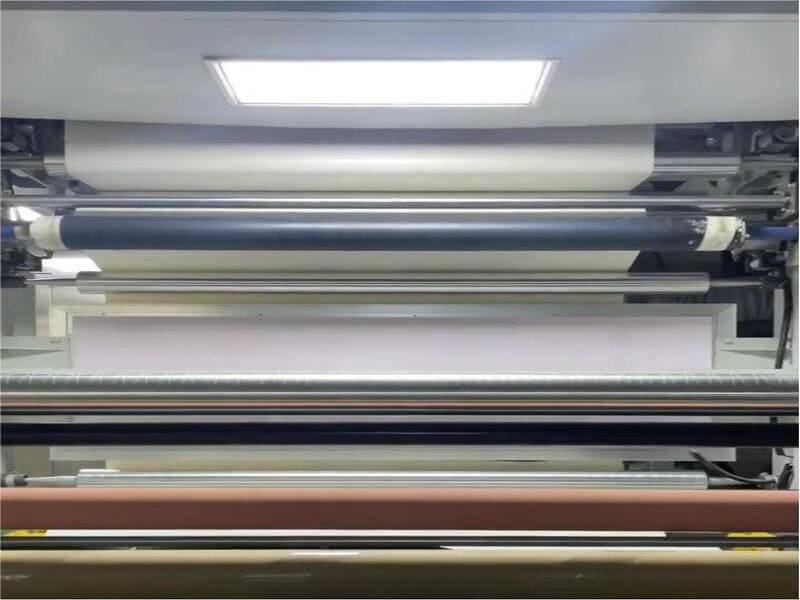
Before getting into country-by-country rules, it helps to understand where phthalates actually show up inside a flooring build — because the answer isn’t the same for every layer or every product type.
Why Are Phthalates Used in Vinyl Flooring, and Which Types Get Regulated?
Phthalates soften PVC so it can be extruded, printed, and installed without cracking. Regulators generally focus on a handful of specific compounds, not phthalates as a category.
Flexible PVC vs. Rigid PVC
| Type de sol | PVC Behavior | Where Phthalates Might Live |
|---|---|---|
| Vinyle en rouleau | Fully flexible | Core PVC layer |
| LVT wear layer / print film | Flexible top layers | Wear layer, print film |
| SPC rigid core | Rigid, stone-composite filled | Rarely in the core itself |
| SPC backing / underlayment | Often IXPE or EVA foam | Usually not PVC at all |
A mistake I see often: a buyer assumes a rigid SPC plank is automatically phthalate-free because the core feels hard, or assumes an attached foam pad is high-risk because it’s soft. Neither assumption is safe on its own. The SPC core is usually low risk, the wear layer and print film are the parts most likely to contain plasticized PVC, and materials like IXPE and EVA underlayment are different polymer systems entirely — their risk depends on the actual formulation and any recycled content, not on how the pad feels.
The compounds that show up most often across global regulations are DEHP, DBP, BBP, and DIBP. A second group — DINP, DIDP, and DNOP — is regulated more narrowly, mainly in products children might mouth, like toys and childcare items. When a supplier claims a product is "phthalate-free," ask what that means in lab terms. In most frameworks it means each restricted phthalate tests below 0.1% by weight. If a supplier can’t point to a number and a method, the claim isn’t backed by data.

Knowing which phthalates matter is half the picture. The other half is knowing exactly what each destination market’s rule actually covers — and this is where a lot of published guidance, including earlier versions of this piece, gets it wrong.
Is Phthalate Testing Legally Mandatory in Your Destination Market?
The legal answer varies sharply by country. The EU has a direct, article-level rule that applies broadly. The US, Canada, and Australia mainly regulate phthalates in children’s products — general vinyl flooring sits outside those specific rules, even though buyers may still require testing.
European Union and United Kingdom
REACH Annex XVII, Entry 51 restricts DEHP, DBP, BBP, and DIBP together at 0.1% by weight of the plasticized material. Since 2020, this restriction was expanded beyond toys and childcare articles to cover plasticized materials generally — including indoor and outdoor articles that come into prolonged contact with skin or mucous membranes, a category the European Commission has specifically flagged as relevant to building materials like floor coverings. This is the one rule in this article that genuinely functions as a broad, article-level restriction rather than a children’s-product carve-out, which is why EU-bound vinyl flooring deserves the most direct attention.
A separate, narrower rule (Entry 52) restricts DINP, DIDP, and DNOP specifically in toys and childcare articles that children might mouth — that one doesn’t apply to ordinary commercial or residential flooring.
Post-Brexit, the UK runs UK REACH as a parallel system that currently mirrors the EU limits, but it’s a separate filing and compliance record, not an automatic extension of EU clearance. Many EU and UK commercial buyers also expect indoor air quality certifications like Eurofins Indoor Air Comfort Gold, Germany’s AgBB scheme, or France’s A+ VOC rating alongside phthalate documentation — these sit next to phthalate compliance, not in place of it.
États-Unis
This is where I see the most confusion. The CPSIA’s phthalate limits, codified at 16 CFR Part 1307, apply specifically to children’s toys and child care articles — not to general consumer products, and not to flooring simply because it will be installed in a home or school. There is no direct federal equivalent to the EU’s Entry 51 for ordinary vinyl flooring.
That doesn’t mean US-bound flooring is unregulated in practice. California Proposition 65 is the rule exporters actually need to watch, and it works differently than a simple content limit — Prop 65 is built around estimated consumer exposure, using safe-harbor exposure thresholds set by California’s OEHHA, rather than a flat percentage-by-weight cutoff like REACH. A product can trigger a Prop 65 warning requirement based on modeled exposure even if it would pass a European content test, and vice versa. On top of the regulatory layer, major US retailers — Home Depot, Lowe’s, Floor & Decor among them — run their own restricted-substance lists that are often stricter than any law requires, and commercial buyers frequently write phthalate limits into their own purchasing specifications.
Canada
Canada’s Phthalates Regulations (SOR/2016-188) restrict specific phthalates in soft vinyl toys and child care articles — items like teethers, bath toys, and bibs intended for young children. They are not a general flooring regulation, and applying them to LVT, SPC, or sheet vinyl overstates their scope. That said, Canadian commercial and residential buyers can still require phthalate testing as part of their own purchasing standards, particularly for projects tied to green building certifications.
Australia and New Zealand
Australia has a permanent ban on DEHP above 1% in certain children’s plastic products, tied to age and mouthing risk — again, a children’s-product rule, not a general building-material standard. I was not able to confirm a specific, unified Australian or New Zealand phthalate regulation that applies to vinyl flooring the way REACH does in the EU. New Zealand’s building product framework focuses on structural and performance requirements rather than phthalate content. For both markets, treat phthalate testing as a buyer- or certification-driven requirement (Green Star and similar programs, for example) rather than a fixed statutory threshold, and confirm directly with your customer or their compliance team what documentation they expect.
| Marché | Governing Rule | What It Actually Covers |
|---|---|---|
| EU / UK | REACH Annex XVII, Entry 51 (UK REACH mirrors it) | Broad — applies to plasticized articles including flooring |
| États-Unis | CPSIA / 16 CFR 1307 | Children’s toys and child care articles only |
| États-Unis | Californie Prop 65 | Exposure-based; can apply to flooring via retailer/consumer exposure |
| Canada | Phthalates Regulations (SOR/2016-188) | Soft vinyl toys and child care articles only |
| Australia | DEHP ban in children’s plastic products | Children’s products only |
Knowing which rules technically apply is only useful if you can turn it into a decision for your own shipment. That’s the piece most guides skip.
Do I Actually Need to Test My Flooring? A Decision Framework
Work through it in order: destination market, applicable regulation, whether your product falls inside that regulation’s scope, and what your specific buyer requires. Skipping straight to "yes, test everything" or "no, flooring is exempt" both miss the real answer.
- Where is it going? The EU/UK answer starts differently than the US, Canada, or Australia answer, because only REACH Entry 51 functions as a direct, broad restriction on plasticized building articles.
- What does that market’s rule actually cover? For the EU, confirm the plasticized layers in your product (wear layer, print film, any PVC-based backing) fall within Entry 51’s scope. For the US, Canada, and Australia, check whether your product is genuinely a children’s article — most flooring is not, which narrows the statutory requirement considerably.
- What does your buyer specify? Even where no blanket law applies, a retailer’s restricted-substance list, a commercial buyer’s purchase order, or a green-building certification program can require phthalate testing regardless of the underlying statute. This is very common in the US and Canada.
- What’s the product’s actual material composition? Recycled PVC content and third-party sourced backings are the most common source of unexpected phthalate contamination, independent of what the finished-product regulation technically requires.
Working through these four questions gives you a real answer for your specific shipment, instead of a blanket "yes" or "no" that doesn’t hold up under scrutiny.
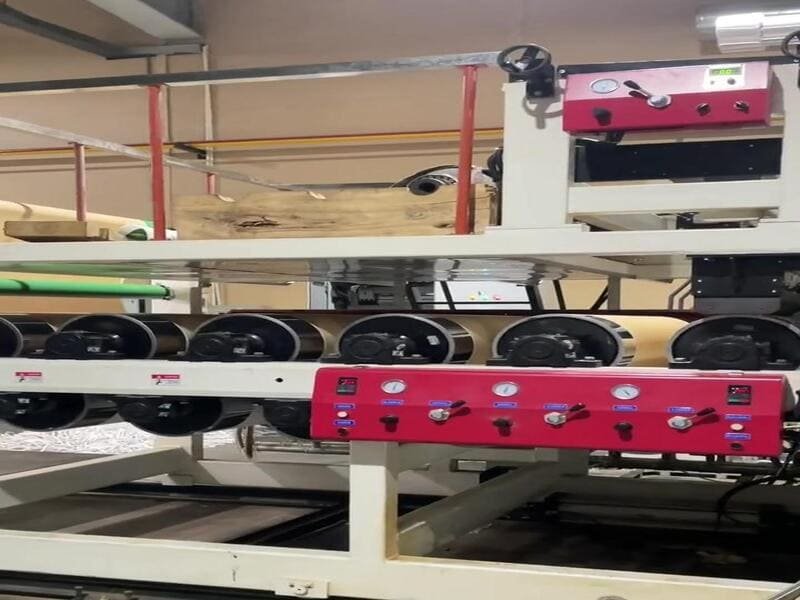
Once you know whether testing applies and why, the next question is how the testing itself works and which methods are appropriate.
How Do You Perform Phthalate Testing for Vinyl Flooring?
The right analytical method depends on the market, the buyer’s specification, and the lab’s accreditation scope — phthalates are typically solvent-extracted and measured by GC-MS, using methods that may originate from toy or polymer testing but are validated for other product categories too.
Methods like CPSC-CH-C1001-09.4 were developed specifically for children’s toys and child care articles under US law, and ISO 8124-6 is explicitly a toy-safety standard by title. Both can be applied to flooring materials when a lab validates the method for that matrix, but neither is a legally mandated "flooring test standard" in the way EN 14372 is more broadly used across plasticized consumer articles in Europe. The practical takeaway: ask your lab which method they’re applying and why, and confirm it maps to the specific regulation or buyer specification you’re trying to satisfy — rather than assuming a method name guarantees the right coverage.
Sampling by Layer
| Couche | Common Material | Typical Testing Priority |
|---|---|---|
| Couche d'usure | Flexible PVC film | Haut |
| Print film | Flexible PVC film | Haut |
| Core (LVT/WPC) | Semi-flexible PVC | Moyen |
| Core (SPC) | Rigid PVC composite | Faible |
| Sous-couche | IXPE / EVA foam (non-PVC) | Depends on formulation and recycled content |
The most common documentation gap I see is testing only the wear layer and skipping the backing or print film. If a buyer or regulation requires the whole plasticized structure to comply, partial testing leaves a real gap in your paperwork.
Reports should come from a lab with ISO 17025 accreditation for the specific test method in question — names like SGS, TÜV Rheinland, Intertek, and Bureau Veritas are widely recognized by buyers and customs authorities. This is strong practice and, for specific regulated children’s-product categories, often a formal requirement. It’s not accurate to say every customs authority automatically rejects unaccredited reports across the board, but an accredited report is the standard a serious buyer will expect, and it removes a point of friction during any audit.
Once testing is done correctly, the last piece is building it into a repeatable process rather than a one-time scramble before a shipment.
Best Practices for Importers and Exporters
Importers should verify supplier documentation and lock compliance terms into purchase orders; manufacturers should control raw materials and keep test records current as formulations change.
For Importers and Distributors
Ask suppliers for a Certificate of Analysis backed by the underlying third-party lab report, not just a summary claim. Match the batch number on the report to the batch you’re actually receiving. There’s no universal statutory expiration date on a phthalate test report — retesting is typically triggered by a formulation change, a supplier change, a shift in recycled content, or your own buyer’s periodic verification policy, so agree on a retesting cadence in writing rather than assuming a report stays valid indefinitely. Building compliance clauses and indemnification language into your purchase orders gives you real recourse if a supplier’s documentation turns out to be wrong.
For Manufacturers and Exporters
Raw material control is where compliance actually gets built, not just documented. Many manufacturers, including teams I’ve worked with directly, have shifted toward non-phthalate plasticizers like DOTP/DEHT, DINCH, or citrate-based alternatives, which perform comparably in flexible PVC without the same regulatory exposure. Auditing raw material suppliers matters just as much — recycled PVC content is one of the most common ways restricted phthalates end up in a product without anyone intending it. Keeping a current compliance package — recent lab reports, CoAs, and raw material declarations — on hand consistently shortens sales cycles with buyers who need to check a box before they’ll place an order.
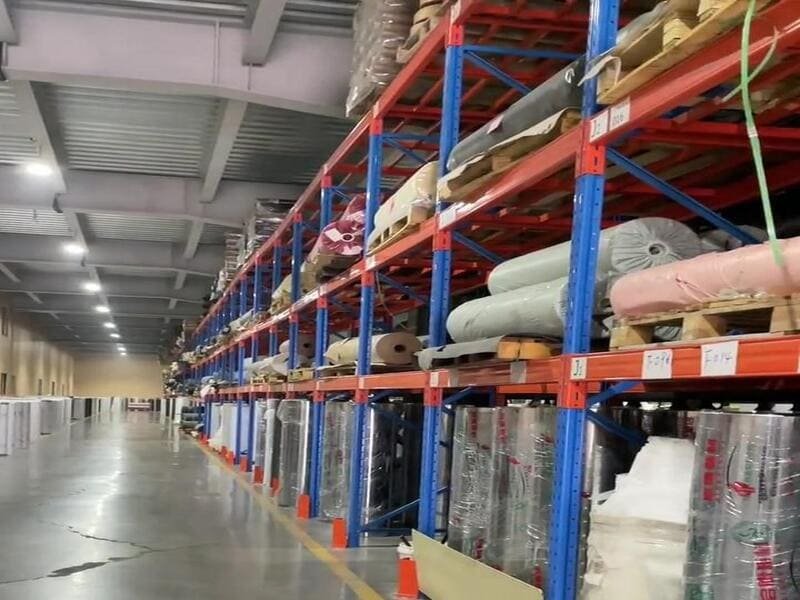
With clear documentation habits and an accurate sense of what each market actually requires, phthalate compliance becomes a routine part of the export process rather than a last-minute risk.
Questions fréquemment posées
Do rigid SPC floors still need phthalate testing?
The SPC core itself is usually low risk since it’s rigid PVC composite. The wear layer and print film are more likely to contain plasticized PVC, and underlayment materials like IXPE or EVA are different polymer systems whose risk depends on formulation and sourcing rather than on how soft they feel.
Is phthalate testing legally required for flooring exported to the US or Canada?
Not under a broad statute the way it is in the EU. US and Canadian federal phthalate rules are written around children’s toys and child care articles specifically. Testing for general flooring in these markets is usually driven by buyer specifications, retailer restricted-substance lists, or certification programs rather than a customs-enforced statute.
How long does a phthalate test report stay valid?
There’s generally no fixed statutory expiration date. Retesting is normally triggered by a formulation change, a supplier or raw-material change, or a buyer’s own periodic verification schedule — agree on this cadence directly with your customer.
What’s the difference between VOC testing and phthalate testing?
VOC certifications like FloorScore measure chemicals off-gassing into indoor air after installation. Phthalate testing measures chemical content locked inside the physical material itself. Both matter for different reasons, and passing one doesn’t mean you’ve passed the other.
How much does phthalate testing cost, and how long does it take?
Costs and turnaround vary by lab, scope, and number of layers tested. Ask an accredited lab like SGS or Intertek for a quote against the exact regulation or buyer specification you need to satisfy, since testing scope changes the price more than the phthalate list itself does.
Conclusion
Phthalate testing isn’t a blanket export requirement — it depends on your market, your product’s real material composition, and what your buyer specifies.
A propos de l'auteur
I work in quality control for custom and bulk vinyl flooring manufacturing, with hands-on experience across LVT, SPC, WPC, and sheet vinyl product lines built for export markets. My background covers material formulation, plasticizer selection, and compliance testing coordination with accredited third-party labs, along with engineering support for buyers optimizing flooring designs for specific applications and budgets.
If you’re trying to figure out whether your specific shipment actually needs phthalate testing, or you’re evaluating non-phthalate plasticizer options for a new product line, send me a message. I’m happy to walk through your sourcing or manufacturing situation directly.