


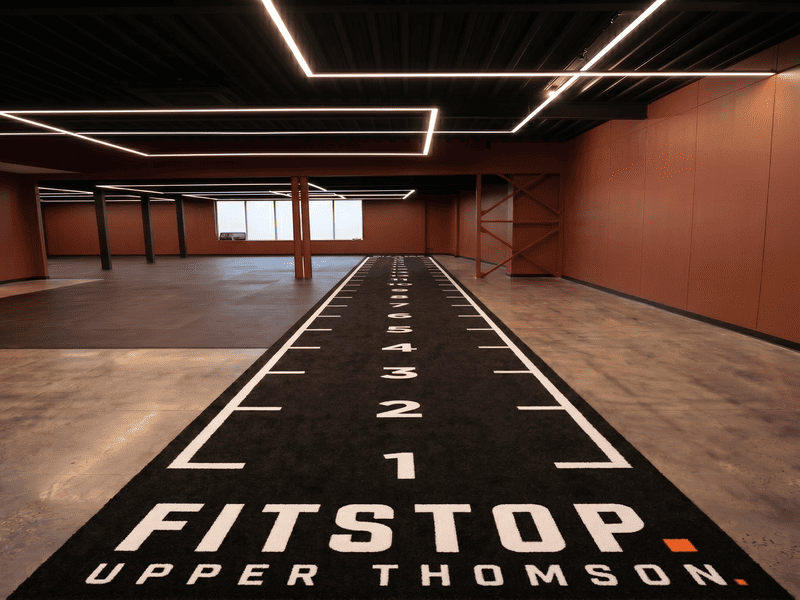
To repair open seams in gym turf, you must clean the gap, apply professional-grade polyurethane adhesive to a dedicated seam tape, and compress the joint with a 75-100lb roller. Proper curing for 24-48 hours ensures the bond survives heavy sled pushes and high-traffic HIIT sessions.
I have spent years on factory floors and in gym facilities inspecting turf installations. I can tell you that an open seam is never just a visual flaw. It is a sign of mechanical failure. When a seam separates, the primary cause is often the loss of "shear strength" in the adhesive bond. This usually happens because the installer used a cheap, water-based glue or failed to account for the turf’s thermal expansion coefficient. In a high-impact gym, the friction from a weighted sled generates lateral force that pulls directly on these weak points. If you do not fix it correctly by restoring the structural link between the two backing layers, the gap will widen. This creates a trip hazard that exposes gym owners to significant legal liability. You must treat this as a technical engineering task rather than a simple cosmetic patch.
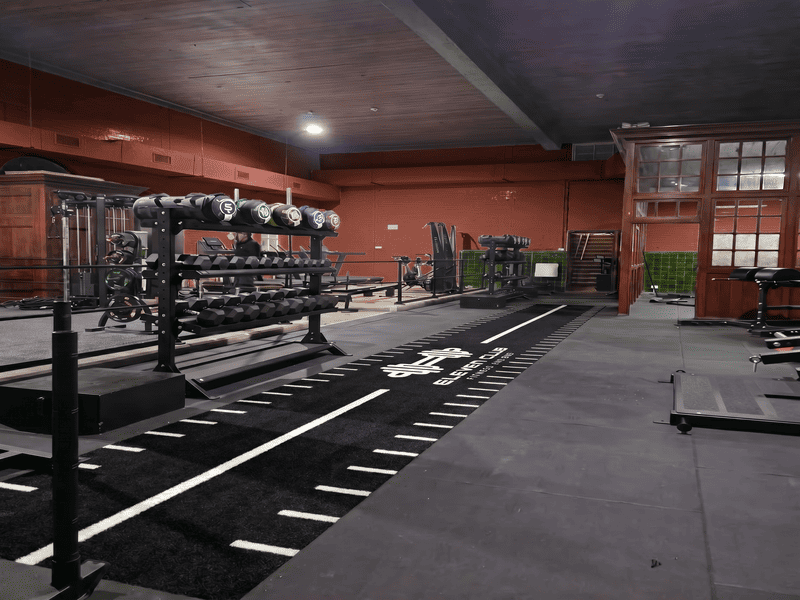
Fixing a seam requires the right chemistry and the right pressure. Use this guide to ensure your floor stays flat and safe.
Why is Seam Integrity Non-Negotiable for Gym Safety?
Seam integrity is vital because open gaps create uneven surfaces that lead to ankle injuries and trips during high-speed movements. Furthermore, separated turf edges fray quickly under foot traffic, leading to permanent material loss and the need for a full, expensive floor replacement rather than a simple repair.
As a QC specialist, I evaluate turf based on its dimensional stability. When seams open, the aesthetic "brand look" of the gym suffers, but the structural risk is the real issue. I often see "butt joints" that were simply laid next to each other without proper tape. Over time, humidity changes cause the backing to shrink or expand. I once visited a facility where a 2mm gap grew to 15mm in just one summer because the subfloor moisture weakened the glue. This table shows why you must act fast:
| Facteur de risque | Impact sur l'installation | Conséquence technique |
|---|---|---|
| Sécurité | High Liability | Trip hazards for members |
| Durabilité | Rapid Wear | Fraying of the primary backing |
| Coût | Financial Loss | Premature replacement of rolls |
| Performance | Performance Drop | Sleds catching on turf edges |
Ignoring a small gap is the fastest way to ruin a high-quality turf installation. You must understand what went wrong before you pick up a knife.
What Are the Root Causes of Seam Failure in High-Traffic Gyms?
The root causes of seam failure include poor initial installation, such as using insufficient adhesive, and environmental stresses like temperature shifts. High-impact usage, specifically the heavy lateral force from sled pushes, often shears the bond if the glue lacks the necessary tensile strength or if the subfloor was damp.
In my experience, 90% of failures happen because the installer skipped the seam tape and glued the turf directly to the concrete. Concrete "breathes" and releases moisture, which breaks down standard adhesives. I have tested many samples where the glue became brittle because it was not designed for the high-impact friction of a HIIT zone. This creates a weak bond that cannot handle the weight of a 200kg sled.
Common Technical Failures
| Mode de défaillance | Description | Méthode de prévention |
|---|---|---|
| Adhesive Shear | Glue snaps under sled pressure | Use high-solids polyurethane glue |
| Dilatation thermique | Turf grows and "peaks" at seams | Allow 24-hour acclimatization |
| Inadequate Pressure | Glue doesn’t penetrate backing | Use a 100lb floor roller |
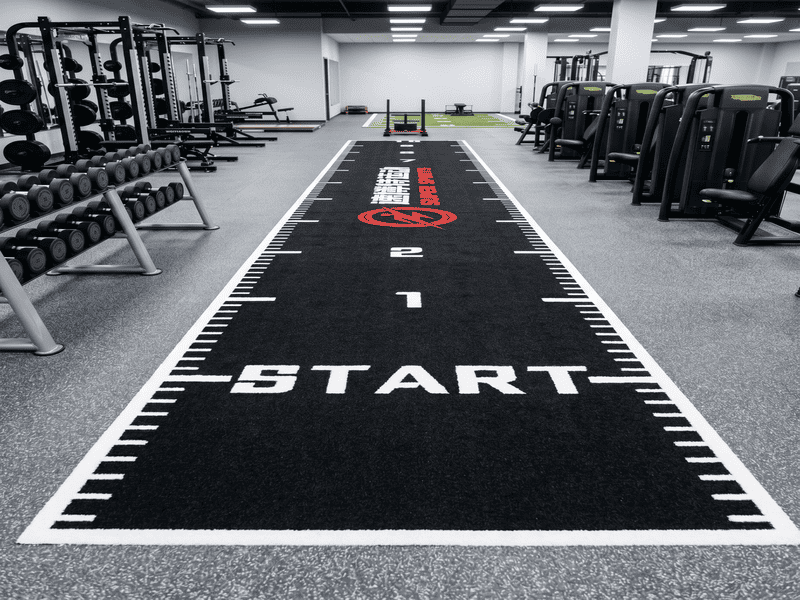
Once you identify the cause, you must gather the correct tools to perform a permanent fix.
What Should Be in Your Professional Gym Turf Repair Kit?
A professional repair kit must include polyurethane turf glue or heavy-duty seam tape, a sharp utility knife, denatured alcohol for cleaning, and a heavy floor roller. You also need a notched trowel to ensure the glue is spread at the correct depth for maximum contact with the turf backing.
As a QC expert, I never recommend "off-the-shelf" hardware store glue. You need industrial-grade adhesive that remains flexible after curing. I always carry a sharp turf cutter because a dull blade will pull the fibers out of the primary backing. This makes the seam even more visible. Cleaning the area with denatured alcohol is a step many skip. But it is the only way to ensure the new glue bonds to the old surface without dirt interference.
Material Selection Standards
| Tool/Material | Exigence | Pourquoi c'est important |
|---|---|---|
| Adhésif | Polyuréthane (PU) | Waterproof and high tensile strength |
| Trowel | 3/16" x 5/32" Notch | Controls the spread rate of glue |
| Nettoyeur | Denatured Alcohol | Removes oils without residue |
| Rouleau | 75lb minimum | Forces glue into backing pores |
Preparation is the longest part of the job, but it is the part that determines if the repair will last one month or ten years.
Why is Preparation the Most Important Step in Turf Repair?
Preparation is the most important step because it ensures the bonding surface is free of debris, old glue, and frayed fibers. You must square the edges of the turf to create a perfect "butt joint" and allow the material to acclimate to the room temperature to prevent post-repair shrinking.
When I inspect a failed repair, I usually find old, brittle glue left underneath. You must scrape the subfloor clean. If the edges are frayed, I use a straight edge and a fresh blade to trim about 5mm off each side. This gives me "fresh" backing to work with. If the turf has been moved or stored in a cold truck, it needs time to rest. I always tell my team to let the turf sit for at least 4 hours. If you glue it while it is cold and tight, it will expand and "bubble" once the gym warms up.
Pre-Repair Checklist
| Tâche | Action | Résultat attendu |
|---|---|---|
| Clean Gap | Vacuum all dirt and infill | 100% surface contact for glue |
| Remove Residue | Scrape off old hardened glue | Flat surface for new seam tape |
| Square Edges | Trim frayed fibers with knife | A tight, invisible seam line |
| Acclimatize | Rest turf at gym temperature | Prevents gaps from opening later |
After the prep is done, you can move to the actual bonding process using the glue and tape method.
How Do You Execute a Step-by-Step Professional Repair?
To execute a professional repair, center the seam tape under the gap and apply polyurethane adhesive using a notched trowel. Carefully "zip" the turf edges together to avoid trapping fibers in the glue, then use a heavy roller to compress the joint and ensure 100% adhesive transfer.
There are two ways to do this. For high-impact areas where people push sleds, I always use the Glue and Seam Tape Technique (Method A). It creates a bridge that holds the two pieces of turf together as one unit. For low-traffic areas, you can use Heavy-Duty Double-Sided Tape (Method B). However, tape is a mechanical bond, while glue is a chemical bond. In my factory tests, glue always lasts longer under stress.
Comparison of Repair Methods
| Fonctionnalité | Glue & Tape (Method A) | Double-Sided Tape (Method B) |
|---|---|---|
| Durabilité | Extreme (Sled-ready) | Moderate (Foot traffic) |
| Temps de séchage | 24 - 48 heures | Immédiate |
| Résistance à l'humidité | Très élevé | Faible |
| Ease of Use | Professional Skill Needed | Ami des bricoleurs |
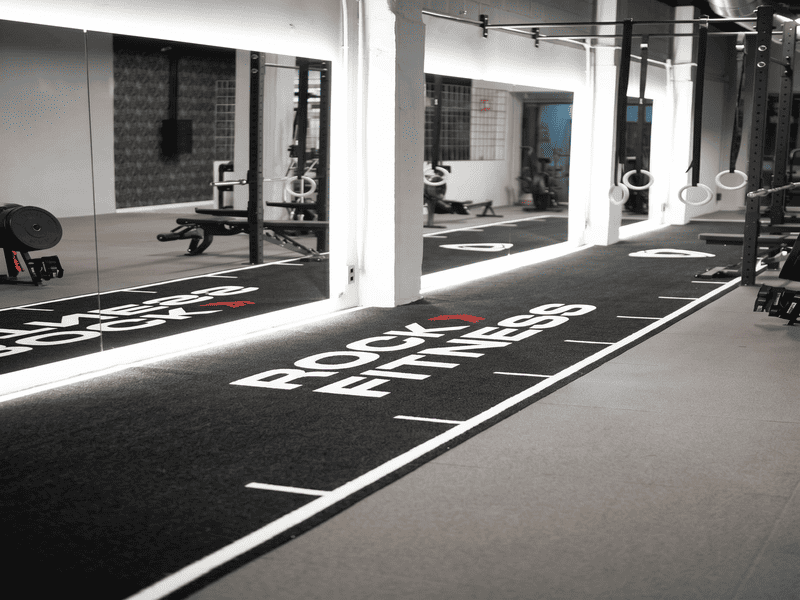
Once the glue is down, you must wait. This is where most people fail by letting members back on the floor too soon.
What is the Correct Curing and Finishing Protocol?
The correct protocol requires 24 to 48 hours of curing time without any foot traffic to allow the adhesive to reach full strength. After curing, you should brush the fibers with a stiff broom to hide the seam line and check for "ghost seams" to ensure the floor is level.
I have seen perfect repairs ruined because a trainer moved a heavy rack over the seam after only 4 hours. The glue needs time to "off-gas" and harden. If you see a faint line, that is what we call a "ghost seam." You can fix this by grooming the turf. Use a power brush to pull the blades up and over the gap. If the repair is higher than the rest of the floor, you might have used too much glue or the tape is too thick.
Post-Repair Inspection Points
| Point de contrôle | Statut | Action if Failed |
|---|---|---|
| Adhésion | No lifting when pulled | Re-apply weight and more glue |
| Niveau | No "hump" at the seam | Use less glue next time |
| Fiber Blend | Seam is invisible | Use a stiff brush to groom |
To keep your floor in top shape, you should implement a maintenance plan so you never have to do a major repair again.
How Can You Prevent Future Seam Gaps?
You can prevent future gaps by securing the perimeter with transition strips to stop the turf from shifting and by maintaining a stable indoor climate. Monthly inspections and "spot checks" allow you to catch small separations before they become dangerous trip hazards.
In my QC reports, I always emphasize climate control. Turf is plastic, so it reacts to heat. If your gym is 30°C in the day and 10°C at night, that seam is moving every day. Transition strips at the edges act like anchors. I also suggest a simple walk-through once a month. If you can fit a credit card into a seam, it is time to add a little adhesive before it gets worse.
Calendrier d'entretien
| Fréquence | Action | Objectif |
|---|---|---|
| Quotidiennement | Visual scan during cleaning | Identify obvious lifting early |
| Mensuel | Tension check at edges | Ensure transition strips are tight |
| Trimestrielle | Professional fiber brushing | Maintain upright pile and hide seams |
Conclusion
Fixing gym turf seams requires professional tools and patience. Proper cleaning and curing are the keys to a safe, long-lasting floor.
If you need high-performance gym turf designed for durability, or if you are a wholesaler looking for technical advice on manufacturing standards, please send me a private message. I can help you with product specifications and technical design optimization.