


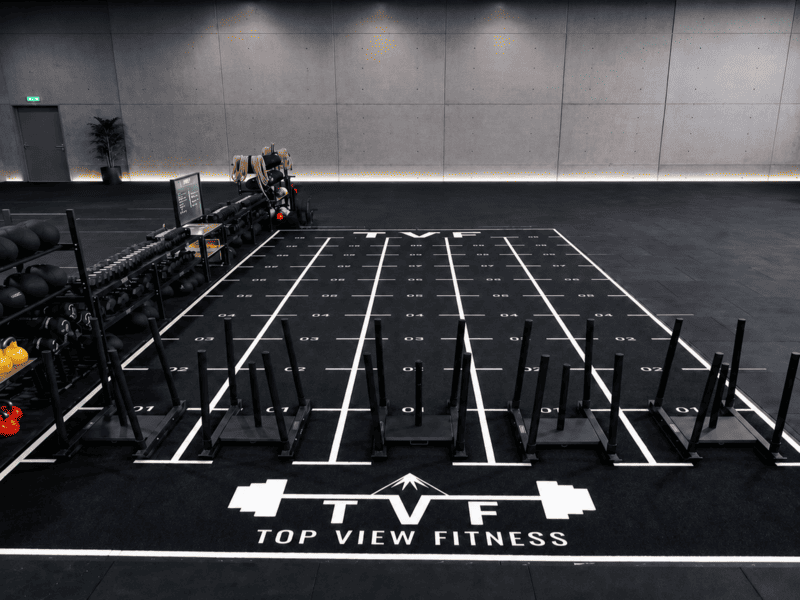
The best backing for indoor gym turf is Polyurethane (PU) because it provides superior durability and moisture resistance. While Latex is a cost-effective standard and Foam offers extra cushion, PU ensures the highest tuft bind strength for heavy sled work and long-term stability in high-traffic commercial environments.
When I walk onto a gym floor, I do not just look at the green grass. I look at what is underneath. Most people buy turf based on how the yarn feels, but as a quality control manager, I know the backing is the real engine of the product. If the backing is weak, the turf will slide, tear, or smell bad within months. We use backing to lock the fibers in place and provide a stable base for athletes. Think of it like a high-end running shoe; the top looks good, but the sole does the hard work. In this guide, I will break down the technical side of backing materials so you can pick a floor that lasts ten years instead of two. We will look at why different chemicals like PU and Latex behave differently under the stress of a 200kg sled push.
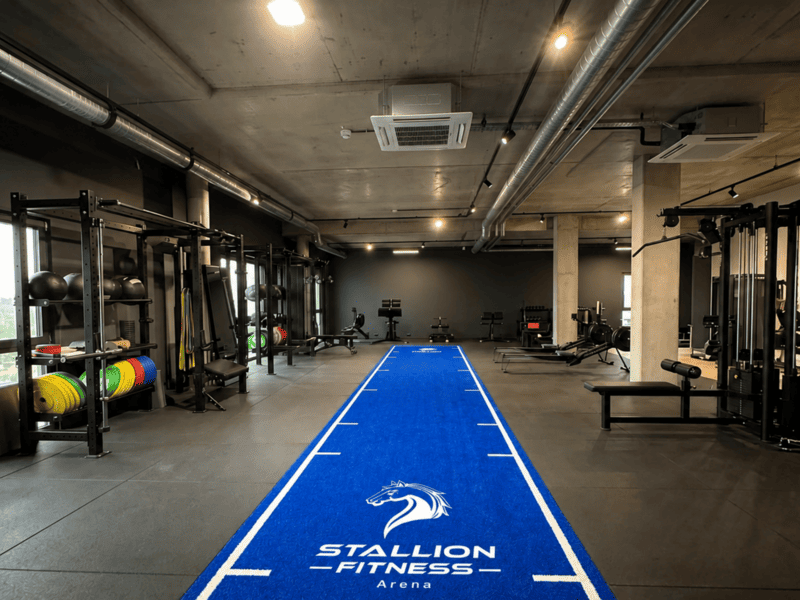
You need to understand the hidden layers before you sign a purchase order. Let us look at why the construction of the base is the most important part of your investment.
Why Does Backing Matter for Your Gym Performance?
Backing determines the lifespan of your turf by providing tuft bind strength and dimensional stability. It keeps fibers locked in during friction, prevents the turf from rippling, and protects both the subfloor and the athlete through shock absorption and proper adhesion to the ground.
As an engineer, I measure quality using data. One key metric is Tuft Bind Strength. This is the amount of force needed to pull a single blade of grass out of the backing. In a gym where people do sled pushes, the horizontal force is huge. If the backing is cheap, the grass simply pulls out. I also look at dimensional stability. Indoor gyms often have temperature changes. A poor backing will expand and contract, which creates dangerous ripples. We also need to talk about shock absorption. A good base helps the floor absorb energy so the athlete’s joints do not have to. Lastly, adhesion is a big deal. Whether you use glue or tape, the backing must be compatible with the adhesive so the floor stays flat.
| Característica | Importancia | Beneficio |
|---|---|---|
| Encuadernación en mechón | Alta | Prevents grass loss during sled work |
| Estabilidad | Alta | Stops ripples and floor tripping hazards |
| Amortiguación | Medio | Protects joints and subfloors |
| Adhesión | Medio | Ensures a permanent, flat installation |
If you ignore these technical points, you will likely face floor failure. Let us compare the actual materials used in the factory today.
What Are the Most Common Types of Gym Turf Backing?
The three main types are Latex, Polyurethane (PU), and Foam. Latex is the affordable standard for general use. PU is a premium, heavy-duty option that resists moisture and cracking. Foam adds a built-in cushion layer which is perfect for high-impact plyometric training and comfort.
In my factory experience, Latex is the most common. It is flexible and cheap. But I have seen Latex crack in dry air or after many years of heavy use. Some people also have allergies to it. Then there is Polyurethane. I always tell my clients that PU is the "gold standard." It does not harden or crack over time. It is also waterproof, which is great if you mop your floors often. For gyms focused on HIIT or yoga, I suggest Foam-padded backing. This is a "secondary" layer of foam attached to the bottom. It means you do not need to buy a separate underlay. But be careful; if the foam is too soft, it can feel unstable when you are lifting very heavy weights in a power rack.
Technical Material Comparison
| Tipo de soporte | Durabilidad | Resistencia a la humedad | El mejor caso de uso |
|---|---|---|---|
| Látex | Bien | Moderado | Budget-friendly home gyms |
| Poliuretano | Excelente | Alta | High-traffic commercial clubs |
| Acolchado de espuma | Moderado | Alta | Functional training & HIIT |
Choosing the right material depends on your daily gym traffic. Now I will show you how to match these materials to your specific space.
Which Backing Should You Choose for Your Specific Gym?
Commercial gyms should choose PU or high-quality Latex to handle heavy sleds and constant foot traffic. Home gyms can use Foam for comfort or Latex to save money. Functional zones require high-density backing with anti-slip properties to ensure the turf stays safe during explosive movements.
If you run a commercial club, do not cut corners. I have seen cheap home-grade turf destroyed in six months by professional athletes. You need PU because it handles the "sheer force" of a sled better than anything else. For a garage gym, comfort is often more important. A 5mm or 8mm foam backing makes the floor much nicer for burpees or stretching. You also need to think about the "Anti-Slip" factor. If the turf is just sitting on concrete, a heavy backing with a textured grip is better than a thin, light one. I always check the "Total Weight" of the sample. A heavier turf usually means more material was used in the backing, which leads to better grip and a longer life.
Recommendation Guide by Gym Type
| Tipo de gimnasio | Soporte recomendado | Razón |
|---|---|---|
| Comercial | Poliuretano (PU) | Maximum durability for sleds |
| Garaje en casa | Foam Padded | Comfort and easy installation |
| Yoga/HIIT | Thick Foam | Gran absorción de impactos |
| Temporary Pop-up | Látex | Low cost and easy to move |
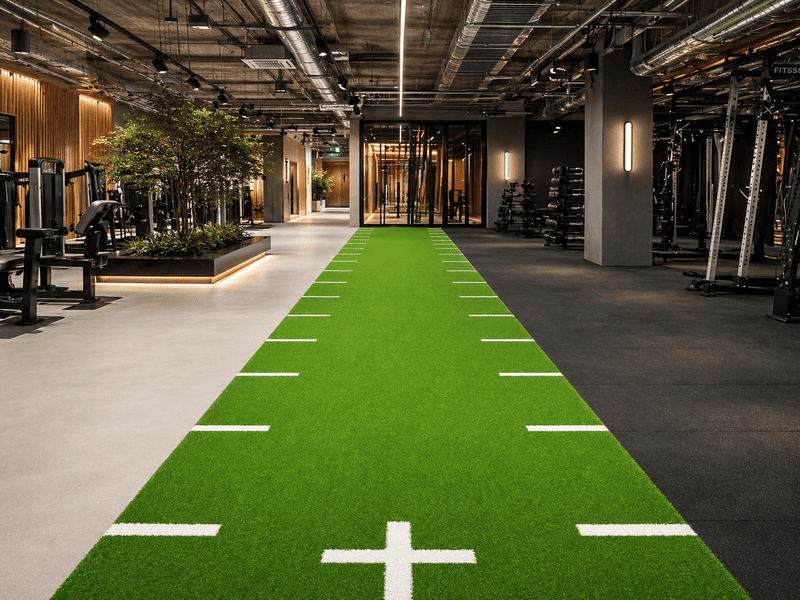
Picking the right type is only half the battle. We also need to solve the problems that most buyers complain about after the sale.
How Do You Solve Common Problems Like Odor and Durability?
To solve the "rubber smell," choose backing with low VOC levels and high-grade raw materials. To prevent delamination under friction, ensure the secondary backing is thick and heat-bonded. Most indoor gyms do not need drainage holes, which actually makes the floor easier to keep clean.
One of the biggest complaints I get is about the "new gym smell." This usually comes from low-quality bitumen or cheap latex. In our quality control process, we use high-grade polymers that have very low odors. If you are putting this in a basement with no windows, this is vital. Another issue is delamination. This is when the grass layer peels away from the base layer. This happens because the factory did not use enough glue or the heat was wrong during the "vulcanization" process. I always test this by trying to peel the layers apart by hand. Lastly, people ask about drainage holes. For indoor use, you usually do not want them. If you spill water or clean the turf, the liquid goes through the holes and gets trapped under the turf, which can cause mold on your subfloor.
Checklist for Quality Inspection
- Prueba olfativa: High-quality backing should have a very faint scent, not a strong chemical odor.
- Peel Test: The primary and secondary backing should feel like one solid piece.
- Weight Check: Verify the grams per square meter (GSM) matches the spec sheet.
- Perforation: Ensure there are no holes unless you specifically need outdoor drainage.
Once you have picked a high-quality product, the last step is making sure it is installed correctly based on the backing type you chose.
What Are the Installation Rules for Different Backings?
Latex and PU backings usually require a full glue-down or heavy-duty seam tape for permanent installation. Foam-backed turf is often thick enough to be "loose-laid" or secured with double-sided tape, making it easier to transition to other flooring like rubber tiles.
I have seen many great products ruined by bad installation. If you have a PU backing, I suggest a high-quality polyurethane glue. It creates a chemical bond that will never move. For foam-backed turf, you have more options. Because it is heavier and stiffer, you can often use heavy-duty double-sided tape around the edges. This is great if you are in a rented space and cannot glue the floor. When you transition from turf to rubber tiles, the backing thickness matters. You want the total height of the turf (including backing) to match your rubber tiles so no one trips. If the turf is thinner, you might need a "reducer" strip or a shim underneath the backing to level it out.
Comparación de métodos de instalación
| Atrás | El mejor método | Dificultad |
|---|---|---|
| PU / Latex | Encolado completo | Alta |
| Foam Padded | Double-sided Tape | Medio |
| Enclavamiento | Friction Fit | Bajo |
This technical approach will save you time and money. Choose quality over price, and your gym floor will stay green and flat for years.
Conclusión
The best gym turf backing depends on your goals: PU for commercial durability, Foam for comfort, and Latex for budget. Quality backing is the only way to ensure your floor stays safe and smells fresh.
If you need a sample pack to feel the difference between these backings yourself, or if you need a technical consultation for your gym project, feel free to send me a private message!