


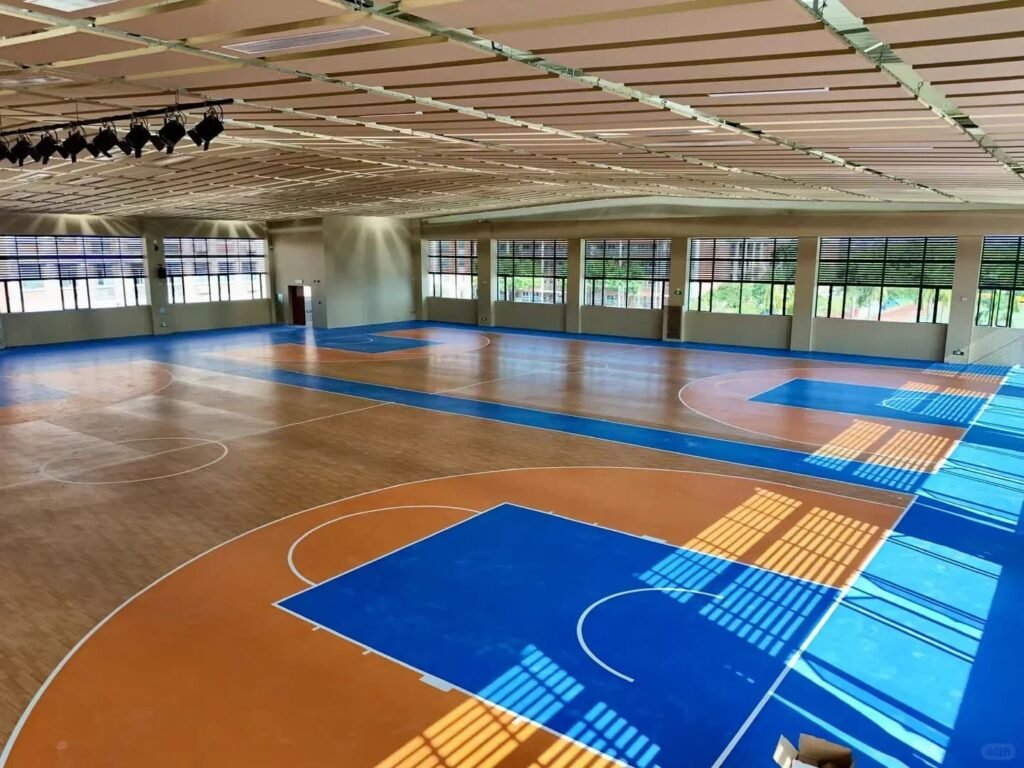
Indoor basketball courts usually use MFMA Hard Maple wood, while outdoor courts use concrete, asphalt, or polypropylene interlocking plastic tiles.
As a professional contractor with years of hands-on experience in building indoor and outdoor sports facilities, I know that your choice of flooring directly changes how the game is played. The floor affects how safe the players are, how well the ball bounces, and how long the facility lasts without costly fixes. If you pick the wrong material for your project, you will face big problems like dead spots, warped surfaces, and fast physical injuries. This complete guide will show you every main option so you can make the right choice for your budget and location.
Choosing the right floor requires you to look at your environment first, because indoor needs are different from outdoor needs. Let us look at the main options for both setups so you can avoid bad results.
Is indoor basketball flooring different from outdoor flooring?
Yes, indoor flooring focuses on high shock absorption and long life in a controlled room, while outdoor flooring focuses on weather resistance.
| Característica | Indoor Basketball Flooring | Outdoor Basketball Flooring |
|---|---|---|
| Main Materials | Hard Maple Wood, Polyurethane, PVC Vinyl | Polypropylene Tiles, Acrylic Coated Concrete |
| Objetivo principal | Shock absorption and ball rebound | UV resistance and fast water drainage |
| Subfloor Needed | Engineered sleeper systems or concrete | Flat concrete pad or asphalt base |
| Weather Risk | Damaged by high humidity or liquid leaks | Damaged by freezing winters and hot sun |
Choosing Your Environment First
When I work with facility owners, I tell them that indoor courts must prioritize area elasticity to protect the joints of the players. Outdoor courts must have open designs to let rain water pass through fast so the surface does not stay slippery. If you put an indoor material outside, the sun and rain will destroy it in less than a year.
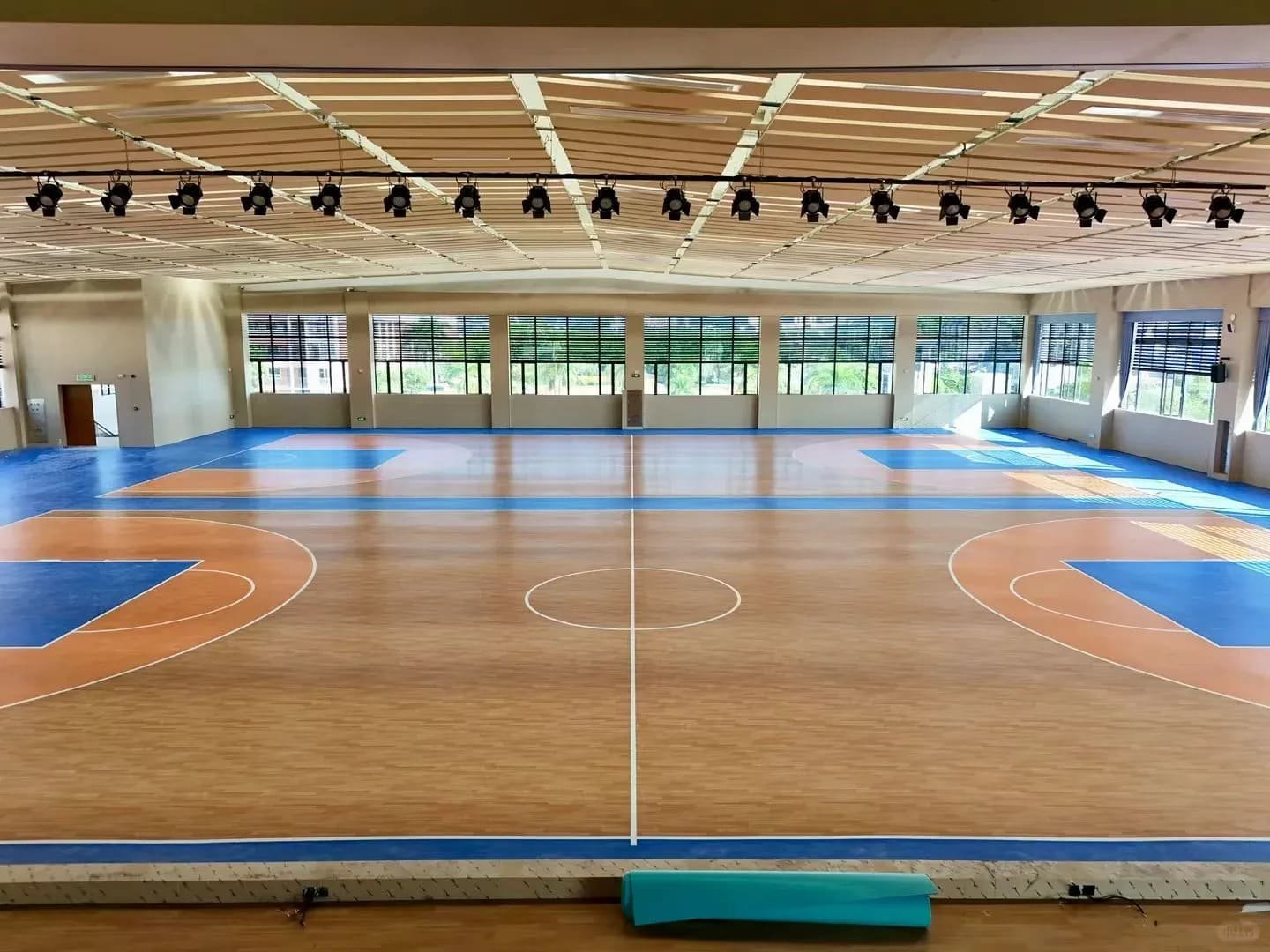
Now that you know the big difference between indoor and outdoor setups, we can look at the exact materials used indoors.
Which indoor basketball court materials give the best performance?
MFMA Hard Maple is the gold standard for high performance, but polyurethane and vinyl offer great durability for multi-purpose school gym rules.
| Tipo de material | Vida media | El mejor caso de uso | Key Performance Feature |
|---|---|---|---|
| MFMA Hard Maple | 40 to 50 Years | Professional and College Gyms | Perfect 93% ball rebound percentage |
| Polyurethane (Pour-in-Place) | 15 to 20 Years | Multi-purpose School Fieldhouses | High resistance to heavy tables and chairs |
| PVC Vinyl Flooring | 10 to 15 Years | Budget Community Gyms | Easy to clean with low maintenance costs |
Analyzing Indoor Court Material Options
As a contractor, I have installed many types of indoor sports floors, and each has specific trade-offs. Maple wood gives the classic feel that competitive players want, but it costs a lot of money and needs strict climate control to prevent warping. Polyurethane is a seamless plastic liquid poured on site, which handles heavy non-sport events well without scratching. PVC vinyl flooring is a great sheet good option because it costs less money, resists moisture well, and comes with foam backing that helps absorb shocks when players jump.
The True Practical Limits of Indoor Floors
Architectural Impact and Cost Trade-offs
When you plan an indoor court, you must look at the hidden costs like professional installation and climate control systems. Wood floors expand and shrink when the air moisture changes, so you must keep your gym humidity between 35% and 50%. If your budget cannot handle constant air management, synthetic polyurethane or thick PVC vinyl floors are safer choices because they stay flat in any weather condition.
If your project is not inside a building, you need to look at materials that can handle tough weather conditions outside.
What are the best options for outdoor basketball courts?
Polypropylene interlocking tiles are the best modern choice for outdoor courts, while acrylic coated concrete remains the most durable budget option.
| Outdoor Material | Tipo de instalación | Necesidad de mantenimiento | Nivel de seguridad |
|---|---|---|---|
| Polypropylene Tiles | DIY Interlocking Grid | Low (Power wash occasionally) | Medium (Good joint protection) |
| Acrylic Coated Concrete | Spray profesional | Medium (Fix cracks every few years) | Low (Hard surface, no cushion) |
Evaluating Outdoor Court Surfaces
Outdoor courts face tough weather like hot sun, heavy rain, and freezing ice, so the material must be strong. Interlocking polypropylene plastic tiles are very popular for backyard courts because they have small holes that let rainwater drain away instantly. These tiles also expand and contract freely in hot weather without cracking, and they give your knees some cushion. Concrete or asphalt coated with acrylic paint is what you see in public parks; it lasts a long time and keeps the ball bouncing high, but it has zero shock absorption.
Understanding Outdoor Material Wear
Weather Challenges and Long-Term Stability
Plastic modular tiles are easy to install by yourself, but they can get noisy when people run on them if your base slab is uneven. Acrylic paint on concrete looks beautiful at first, but tree roots and ground movement will cause deep cracks over time. You must make sure your subfloor has a slight slope for water run-off before you put any top coating down.
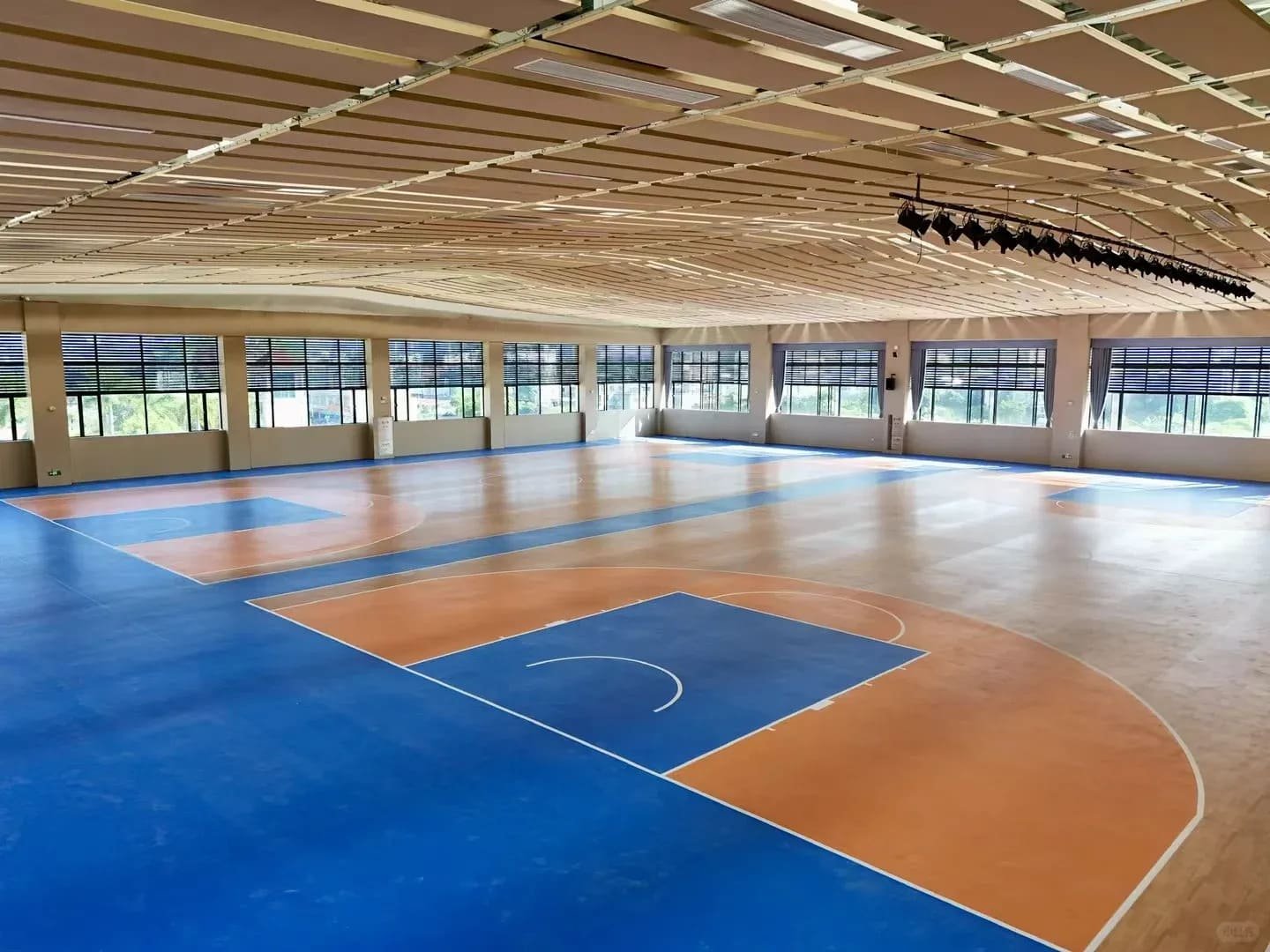
Many people think the top surface is the only important part, but the subfloor underneath is what makes a court good or bad.
Why does the science of the subfloor matter so much?
The subfloor determines the shock absorption and eliminates dead spots where the basketball does not bounce back up properly.
| Subfloor Component | Función principal | Material utilizado |
|---|---|---|
| Rubber Cushion Pads | Absorbs the shock when a player lands | Natural or synthetic rubber pads |
| Plywood Sleeper Layers | Distributes the weight across the floor | Durable plywood sheets or wood strips |
| Barrera de vapor | Stops ground moisture from reaching the top | Thick plastic sheeting |
How Subfloor Systems Function
When a basketball court feels dead or hard, the problem is almost always the subfloor system, not the top wood or plastic layer. A professional sports floor uses rubber pads and wood sleepers underneath to create an air gap that allows the floor to bend slightly when a player lands. We divide this movement into point elasticity, which bends in one small spot like synthetic vinyl, and area elasticity, which bends across a wider area like a maple wood system.
The Technical Need for a Proper Subfloor
Mechanical Engineering of Sports Floors
Without a proper vapor barrier and rubber padding, moisture from the ground concrete slab will rise up and rot your floor from the inside out. This moisture causes wood planks to cup and twist, which creates uneven spots where the ball loses its bounce entirely. Investing in high-quality subfloor materials saves you money because you do not have to replace ruined top floors later.
To help you choose the best combination for your specific situation, I have created a simple buying guide matrix.
How do you choose the right court floor for your budget?
You must balance your total project budget with your specific needs for safety, court maintenance, and how many years you want it to last.
| Opción de suelo | Coste estimado | Refinish Timeline | Ventaja principal |
|---|---|---|---|
| Premium Maple System | High Cost | Every 10 to 12 Years | Approved for NBA/NCAA games |
| Modular Plastic Tiles | Medium Cost | No Refinishing Needed | Fast DIY setup for backyards |
| Acrílico sobre hormigón | Low Cost | Recoat every 3 to 5 Years | Ultimate weather durability |
Making Your Final Flooring Decision
If you are building a commercial gym or professional facility, you should spend the money on a premium maple wood system because it offers the highest performance and lasts 50 years. For home backyards or community centers with limited funds, polypropylene tiles offer the best balance of safety, easy installation, and low maintenance. Always look at the total cost of ownership, including cleaning tools and future repairs, before you sign a contract with a builder.
Balancing Performance and Project Cost
Engineering Analysis of Long-Term Value
While concrete coated with acrylic paint is the cheapest option upfront, the lack of cushion can cause joint pain for frequent players. Spending a bit more money on modular tiles or a cushioned synthetic indoor system will prevent injuries and keep people playing longer. Always verify that your installer follows local sports safety standards for shock absorption before starting the work.
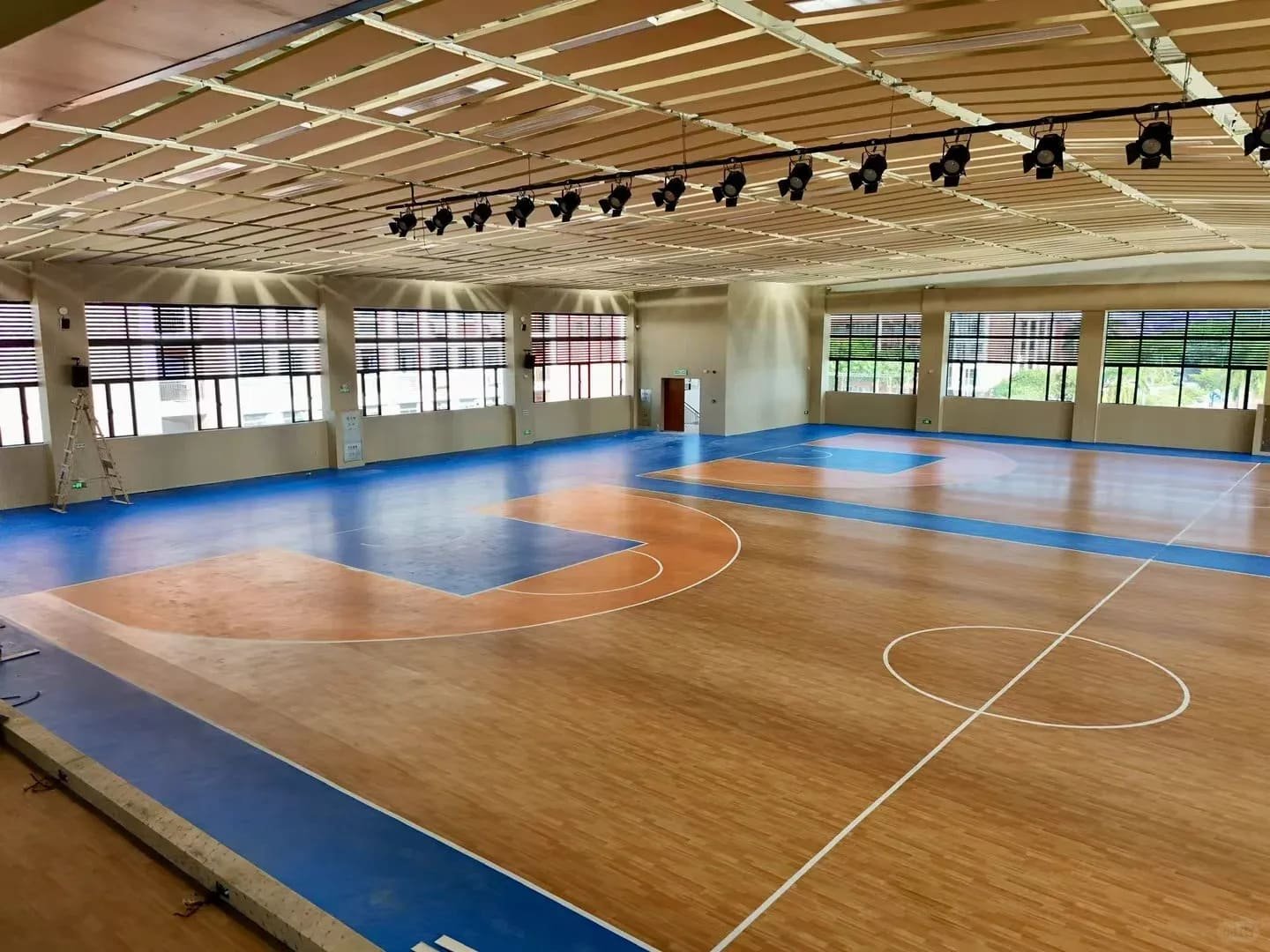
Let us answer some of the most common questions that clients ask me during the planning phase of a construction project.
Frequently Asked Questions About Basketball Courts
What wood is NBA courts made of?
NBA courts are made of Acer Saccharum, which people commonly call Hard Sugar Maple. This specific wood is very dense, resists splintering under heavy use, and has a light color that makes it easy for TV cameras and players to see the ball and court lines.
Can you use engineered wood or laminate for a basketball court?
No, you cannot use engineered wood or laminate because these residential materials cannot handle the high-impact forces of running and jumping. The top wear layer will peel off fast, and the joints will break apart under athletic stress.
How long does a maple basketball floor last?
A maple basketball floor lasts between 40 and 50 years if you take care of it properly. To reach this age, you must sweep it daily, keep the indoor humidity stable, and do a full professional sand and refinish job every 10 to 12 years.
What causes dead spots on a basketball court?
Dead spots are caused by moisture damage that warps the wood, broken subfloor sleepers, or old rubber pads that have rotted and flattened out underneath. These issues stop the floor from flexing naturally, which absorbs the energy of the ball instead of bouncing it back.
Conclusión
Choose hard maple for professional indoor courts, synthetic vinyl for multi-purpose gyms, and polypropylene interlocking tiles for durable outdoor sports surfaces.
If you are planning to build or renovate a basketball court and need professional engineering advice on materials, subflooring, or budget estimation, feel free to send me a private message! Let’s work together to optimize your sports facility design.