


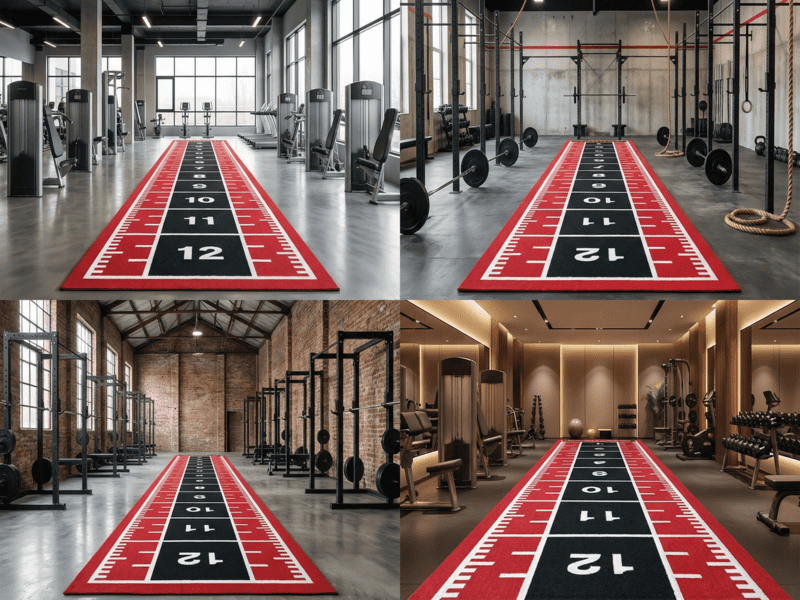
Hochwertige Bodenbeläge sind der direkteste physische Hinweis auf die Qualität eines Fitnessstudios und wirken sich auf alles aus, von den Mitgliedschaftspreisen bis hin zu den Google-Bewertungen. Durch die strategische Abstimmung von Oberflächentypen wie hochdichtem Kautschuk und speziellem Schlittenrasen auf Ihr spezifisches Geschäftsmodell können Sie einen Preisaufschlag von 15% bis 20% rechtfertigen und gleichzeitig die langfristigen Wartungskosten erheblich senken.
Walk into any top-tier training facility and the first thing you notice isn’t the machines—it’s the floor. For over a decade, I’ve seen how a simple surface upgrade can pivot a struggling "basement gym" into a premium boutique studio. Members subconsciously link the floor’s stability and cleanliness to the quality of the coaching they are about to receive. If the rubber is curling or the turf is balding, the perceived value of your expertise drops. Engineering the right foundation is about more than just protection. Understanding why long-term flooring cost matters helps create an environment where members feel their high monthly fees are a visible investment in their own safety and performance.
Der folgende Leitfaden zeigt auf, wie verschiedene Fitnessstudiobetreiber diese Investition angehen sollten, um ihren spezifischen Return on Investment (ROI) zu maximieren.
Ist der Bodenbelag für Ihr spezielles Fitnessstudio von Vorteil?
Ja, aber die ROI-Strategie hängt von Ihrem Geschäftsmodell ab. Ganz gleich, ob Sie eine Boutique betreiben, ein kommerzielles Fitnessstudio leiten oder ein hochwertiges Heimstudio einrichten - die Wahl des Bodenbelags hat direkten Einfluss auf Ihre Fähigkeit, Ihre Zielgruppe anzuziehen und zu halten.
Nicht alle Fitnessstudiobesitzer haben die gleichen Probleme. Meiner Erfahrung nach braucht eine 200-qm-CrossFit-Box ein anderes "Wertesignal" als ein privates PT-Studio. Für einen kommerziellen Raum ergibt sich der wahrgenommene Wert aus der Größe und Sauberkeit, für ein Boutique-Studio aus der "Instagrammability" und dem akustischen Komfort. Wir haben gesehen, wie Einrichtungen ihre Google Business-Bewertung innerhalb von sechs Monaten um 0,5 bis 0,8 Sterne verbessert haben, indem sie einfach den alten, geruchsintensiven Belag durch VOC-arme, hochdichte Fliesen ersetzt haben, die professionell aussehen und riechen.
ROI-Aufschlüsselung nach Benutzerszenario
| Benutzertyp | Hauptziel | Empfohlene Investition | Wahrgenommener Wertzuwachs |
|---|---|---|---|
| Boutique/PT-Studio | Hoher Mitgliedsbeitrag | Individueller Rasen + eingelegte Logos | Emotionale Bindung & Markenautorität |
| Kommerzielles Fitnessstudio | Hohes Volumen/Retention | Großflächige Gummiwalzen | Gefühl von Sicherheit und Hygiene |
| Garage/Hausturnhalle | Persönlicher Stolz/Weiterverkauf | 20mm Falzziegel | Professionalität auf kleinem Raum |
If you don’t categorize your gym first, you risk over-investing in the wrong areas. A home gym doesn’t need a 30-meter sled track. However, for combat-focused spaces, leveraging the specific Judo mat advantages is a proven way for a boutique studio to increase its perceived professional authority.
Warum ist "Profi-Rasen" das ultimative Verkaufsinstrument?
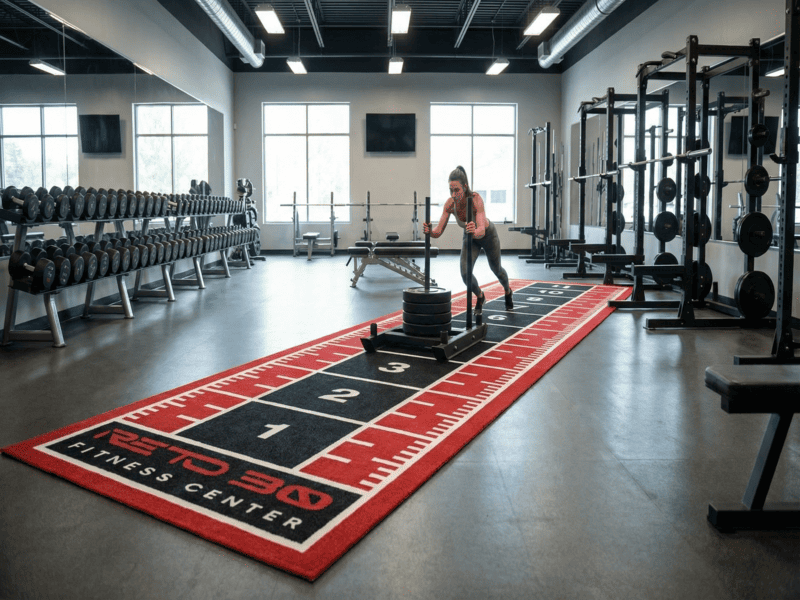
Rollrasen erzeugt einen "Schlittenbahn-Effekt", der einen Raum optisch dominiert und ein Zeichen für funktionelles Training auf höchstem Niveau setzt. Die Daten zeigen, dass Fitnessstudios mit speziellen Rasenzonen ein 25% höheres Engagement in Funktionskursen verzeichnen, da die Oberfläche selbst als ständige Werbung für energiereiches, hochwertiges Training fungiert.
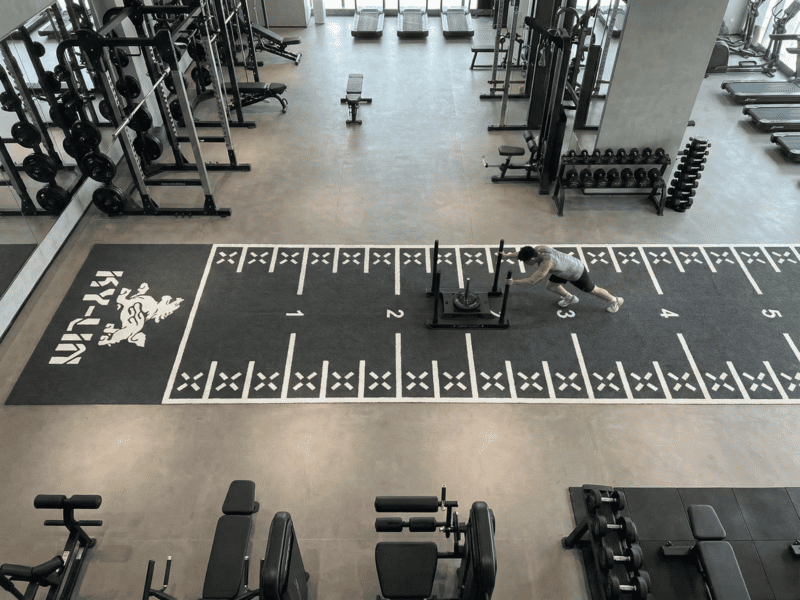
Ich habe mit einer Einrichtung in der Stadt zusammengearbeitet, die ihre Funktionszone um eine 15 Meter lange blaue Rasenspur erweitert hat. Innerhalb von drei Monaten stiegen ihre Social-Media-Tags um 40%. Und warum? Weil die Leute es lieben, ihre persönlichen Bestzeiten auf einer Oberfläche zu filmen, die aussieht wie die eines Profi-Sportlers. Abgesehen von der Optik besteht Premium-Rasen wie die "LaiYin"-Serie aus hochdichtem Polyethylen, das die Gelenke bei der Bodenarbeit wesentlich schont. Dieser taktile Komfort ist ein versteckter Wert, den die Mitglieder jedes Mal spüren, wenn sie sich für ein Brett oder ein Stretching fallen lassen.
Die "Schlittenbahn"-Leistungsmetriken
| Merkmal | Auswirkungen auf die Erfahrung der Mitglieder | Geschäftlicher Nutzen |
|---|---|---|
| Stichzahl | Leichtgängige Schlittenbewegung | Weniger Verschleiß an teuren Geräten |
| Farbanpassung | Visuelles Branding | Höhere organische Reichweite bei "Instagram |
| Dichte des Stapels | Gemeinsame Unterstützung | Weniger Beschwerden über Verletzungen |
Wenn der Rasen elitär aussieht, fühlt sich das Training elitär an. Dies ist der schnellste Weg, um aus einer "Standard"-Mitgliedschaft eine "Premium"-Mitgliedschaft zu machen.
Wie beseitigt Premium Rubber den "negativen Wert"?
Hochwertige Gummiböden beseitigen die drei größten "Wertkiller": schlechte Gerüche, laute Geräusche und mangelnde Hygiene. Durch die Investition in porenfreien Kautschuk mit niedrigem VOC-Gehalt sorgen Sie für eine frisch riechende Umgebung, die sich sauber und ruhig anfühlt - wichtige Faktoren für die Bindung weiblicher Mitglieder und anspruchsvoller Kunden.
Eine der häufigsten Beschwerden in Fitnessstudios der alten Schule ist der Geruch nach "alten Reifen". In einer Studie über die Abwanderung von Fitnessstudio-Mitgliedern wurde die "Frische" der Umgebung als drittwichtigster Grund für den Austritt genannt. Hochwertige Gummifliesen mit einer matten Oberfläche sehen nicht nur besser aus, sie nehmen auch keinen Schweiß auf. Das bedeutet, dass Ihr Reinigungsteam 30% weniger Zeit mit Schrubben verbringt und Ihr Fitnessstudio nie wie ein Umkleideraum riecht. Aus technischer Sicht konzentrieren wir uns auf die IIC-Bewertung (Impact Insulation Class). Wenn Ihre Gewichte wie Blechdosen klirren, fühlt sich das Fitnessstudio billig an. Wenn sie mit einem dumpfen, schweren Aufprall aufschlagen, fühlt sich das Fitnessstudio wie eine Festung an.
Materialqualität vs. Werterhalt
| Material | Visuelles Aussehen nach 12 Monaten | Wahrnehmung der Mitglieder | Wartungskosten |
|---|---|---|---|
| Standard Recycelte Rolle | Verblasst, Nähte geöffnet | "Alt/Budget" | Hoch (reparaturbedürftig) |
| EPDM-Fliese mit hoher Dichte | Wie neu | "Modern/Elite" | Niedrig (leicht zu reinigen) |
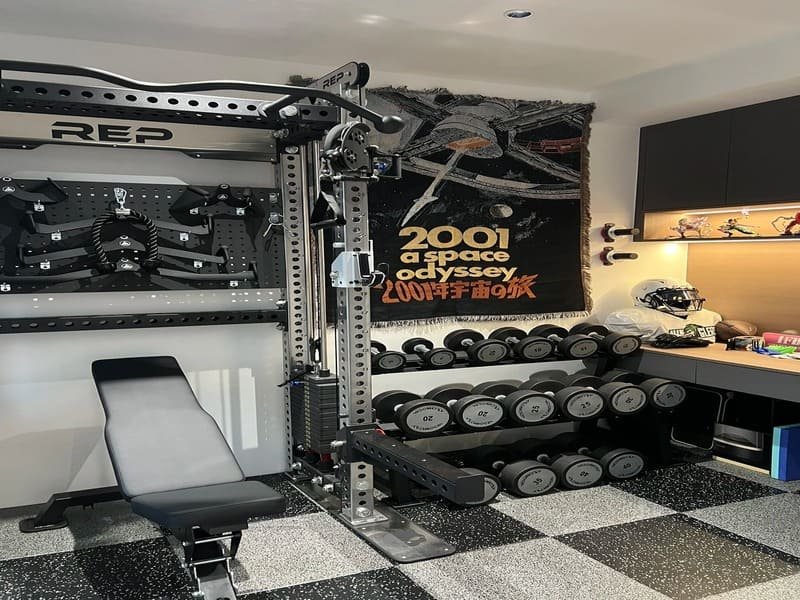
Stille und Sauberkeit sind die Markenzeichen eines Luxus-Fitnessstudios. Sie können keine Spitzenpreise verlangen, wenn Ihre Einrichtung wie eine Baustelle klingt und wie eine Reifenwerkstatt riecht.
Was sind die Regeln für eine strategische Zonierung für einen hohen ROI?
Strategische Zonierung maximiert den Wert der Quadratmeter, indem verschiedene Materialien zur Abgrenzung hochwertiger Aktivitätsbereiche verwendet werden. Die Verwendung von Rollrasen für die Schlittenarbeit und 30-mm-Gummi für schweres Heben schafft beispielsweise einen intuitiven, organisierten Ablauf, der Staus reduziert und die Sicherheit der Mitglieder verbessert.
Ich rate den Besitzern immer, "für den Fluss zu entwerfen". Ein häufiger Fehler ist es, überall den gleichen 10-mm-Gummi zu verwenden. Das ist eine Verschwendung von Geld und Nutzen. Wir verwenden eine "Flush-Transition"-Technik, um 15 mm Rasen mit 20 mm Gummi zu verbinden, indem wir spezielle Unterlegplatten verwenden. Dies schafft eine professionelle, stolperfreie Umgebung. Wenn ein Mitglied eine klar definierte "Power Zone" mit dickem, gesprenkeltem Gummi und eine "Speed Zone" mit hellem Rasen sieht, weiß es, dass es sich um eine Hochleistungsanlage handelt. Diese wahrgenommene "Organisation" ist der Grund, warum die Mitglieder länger bleiben - sie fühlen sich nicht verloren in einem Meer von Geräten.
Fallstudie: 250㎡ Modernisierung eines Fitnessstudios
- Vorher: Einfaches schwarzes Gummi überall. Mitgliedschaft: $45/mo.
- Danach: 20 m lange Schlittenbahn + individuelle Logokacheln + zonierte Hebebereiche.
- Ergebnis: Die Mitgliederzahl stieg auf $65/Monat. Die Zahl der Neuanmeldungen stieg im ersten Quartal um 22%.
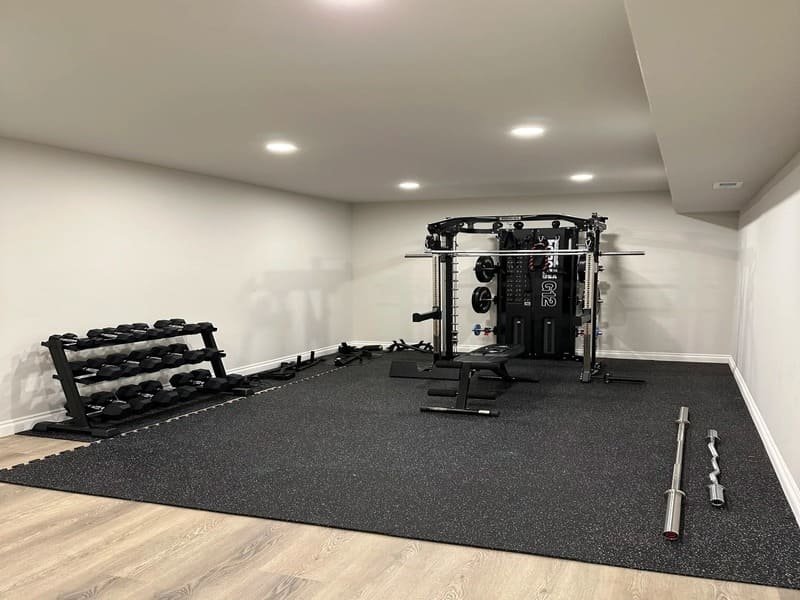
Ein gut aufgeteiltes Fitnessstudio wirkt größer und teurer. So können Sie mehr Menschen auf demselben Raum unterbringen, ohne dass es sich überfüllt anfühlt.
Ist die Anpassung an Kundenwünsche die zusätzlichen Kosten wert?
Individuelle Anpassungen wie eingelegte Logos und Yardage-Markierungen verwandeln einen generischen Raum in eine starke Marke. Diese Funktionen bieten einen funktionalen Trainingswert und unterstreichen die Identität Ihres Fitnessstudios auf jedem Foto und Video, das Ihre Mitglieder aufnehmen.
Ich habe schon erlebt, dass Eigentümer Tausende von Euro für Leuchtreklamen ausgegeben haben, aber keinen Cent für individuelle Bodenbeläge. Das ist ein Irrtum. Ein in den Rasen oder Gummi eingearbeitetes Logo ist Teil der "Architektur" des Fitnessstudios. Es signalisiert, dass es sich nicht um ein vorübergehendes Geschäft handelt - es ist eine Institution. "Funktionale Anpassung" ist sogar noch besser. Das Hinzufügen von Beweglichkeitsleitern oder Zirkeln direkt in den Rasen erhöht den Trainingswert. Jetzt verfügen Ihre Trainer über integrierte Tools für jede Sitzung, wodurch sich das "Coaching-Erlebnis" professioneller und integrierter anfühlt.
Die Branding-Werteskala
- Stufe 1: Schwarzer Standardboden (Allgemein)
- Stufe 2: Farbkleckse passend zur Marke (Professional)
- Stufe 3: Eingelegtes Logo und benutzerdefinierte Rasenlinien (Marke Elite)
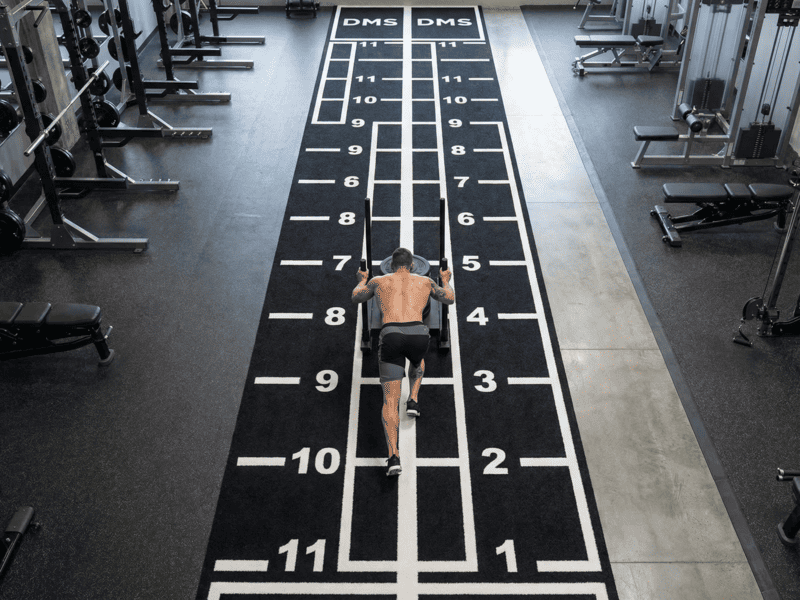
Ihr Fußboden ist die größte Werbetafel, die Sie besitzen. Lassen Sie ihn nicht leer.
Schlussfolgerung
Der Bodenbelag ist nicht nur ein Fundament, sondern auch ein stiller Verkäufer, der den Wert Ihres Fitnessstudios jedes Mal unter Beweis stellt, wenn ein Mitglied es betritt. Die Wahl der richtigen Mischung aus Rasen und Kautschuk auf der Grundlage Ihres spezifischen Fitnessstudiotyps ist der effektivste Weg, um einen Premiumpreis zu rechtfertigen und eine dauerhafte Marke aufzubauen.
Meine Sichtweise
Als technischer Partner bei der Entwicklung von Sporthallen konzentriere ich mich auf die Überschneidung von Fertigungsqualität und Installation vor Ort. Mein Ziel ist es, Ihnen dabei zu helfen, sich in den technischen Spezifikationen - wie Dichte, VOC-Werte und Florhöhen - zurechtzufinden, damit Sie eine geschäftliche Entscheidung treffen können, die ebenso gut aussieht wie sie funktioniert.
FAQ
Woher weiß ich, ob ich Fliesen oder Rollen wählen soll?
Für eine "hochwertige" Wahrnehmung sind Fliesen in der Regel besser geeignet, da sie dicker sind und eine einfachere Farbzonierung ermöglichen. Rollen eignen sich hervorragend für die kosteneffiziente Abdeckung großer Cardio-Bereiche, aber ihnen fehlt das erstklassige "Heavy-Duty"-Gefühl einer 20 mm+ Fliese.
Wie kann man den Übergang zwischen Rasen und Gummi am besten gestalten?
Achten Sie immer auf einen bündigen Abschluss. Wenn Ihr Gummi 20 mm und Ihr Rasen 15 mm dick ist, verwenden wir eine 5 mm dicke Gummiunterlage unter dem Rasen. So entsteht ein nahtloses, hochwertiges Aussehen, das auch viel sicherer für Ihre Mitglieder ist.
Wie wirkt sich der Bodenbelag auf die Akustik in meinem Fitnessstudio aus?
Ein dickes Gummi (25 mm bis 30 mm) ist unerlässlich, um die niederfrequenten Schwingungen beim Kreuzheben zu dämpfen. Ohne diesen Belag hallt der Schall nach und schafft eine stressige Umgebung. Ein hochwertiger Bodenbelag verwandelt eine laute Lagerhalle in ein konzentriertes Trainingsstudio.
Entspricht Ihr derzeitiger Bodenbelag dem Preis, den Sie verlangen möchten? Wenn Sie nach spezifischen Materialdaten suchen oder herausfinden möchten, wie ein maßgeschneiderter Rasen zu Ihrer Anlage passen könnte, können Sie sich gerne für ein technisches Gespräch melden.