


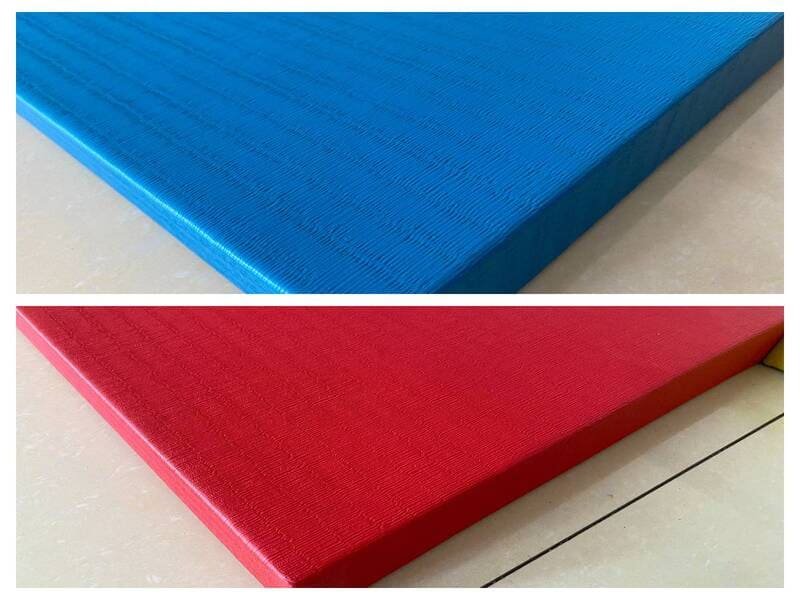
Für den Heimgebrauch wählen Sie 1,25" bis 1,5" ausrollbare Matten mit hoher Dichte für eine einfache Lagerung. Für professionelle Dojos sind 2-Zoll-Tatami-Matten nach IJF-Standard die einzige Wahl für die Sicherheit. Je nach Dichte und Verbindungssystem müssen Sie mit Kosten zwischen $30 und $90 pro Matte rechnen.
Als Produktionsingenieur mit 15 Jahren Erfahrung in der Bodenbelagsindustrie habe ich gesehen, dass zu viele Käufer auf die falschen Spezifikationen achten. Um Ihren Kauf zu vereinfachen: Wenn Sie Würfe (Nage-waza) praktizieren, muss Ihre Matte eine Dichte von mindestens 230 kg/m³ haben. Alles, was weicher ist, ist eine "Yogamatte" und führt zu Verletzungen. Für eine Heimaufstellung ist eine Fläche von 10'x10′ der sichere Mindestraum für zwei Personen. In unserer Fabrik kategorisieren wir die Matten nach "Aufprallzyklen". Eine preisgünstige Puzzlematte hält vielleicht 500 Stürze aus, bevor der Schaumstoff versagt, während eine professionelle Tatami-Matte für mehr als 50.000 Stürze mit hoher Schlagkraft ausgelegt ist. Denken Sie bei Ihrer Kalkulation daran, dass die Versandkosten aufgrund des großen Volumens von hochdichtem Schaumstoff oft 15-20% der Kosten ausmachen. Fragen Sie Ihren Lieferanten immer nach dem HIC-Testbericht (Head Injury Criterion), um zu überprüfen, ob die Dicke von 2 Zoll den Kopf bei einem Sturz tatsächlich schützt.
Jetzt haben Sie die schnelle Antwort, Auswahl der richtigen Judo-Matte erfordert eine Betrachtung der spezifischen Kosten und der technischen Gründe, warum die Dichte Ihre Sicherheit mehr bestimmt als die Dicke.
Warum ist die Dichte der Matte wichtiger als die Dicke?
Die Dichte ist die "Festigkeit", die verhindert, dass die Füße einsinken und der Körper auf den Unterboden aufschlägt. Eine 1,5-Zoll-Matte mit hoher Dichte (230 kg/m³) ist sicherer und stabiler als eine "weiche" 2,5-Zoll-Matte mit niedriger Dichte. Die höhere Dichte sorgt dafür, dass die Matte bei schweren Würfen nach und nach Energie absorbiert.
Im technischen Labor messen wir die Sicherheit mit dem Head Injury Criterion (HIC). Dieser Standard misst die Dauer und Kraft eines Aufpralls. Eine Matte kann 4 Zoll dick sein, aber wenn der Schaumstoff minderwertig ist, wird sie beim Aufprall sofort zusammengedrückt und bietet im Moment der höchsten Kraft keinerlei Schutz. Im Gegensatz dazu sind professionelle Judomatten in der Regel zwischen 1,5 und 2 Zoll dick, haben aber ein viel höheres Raumgewicht, oft zwischen 230 kg/m³ und 270 kg/m³. Diese "Goldlöckchen"-Zone bietet genügend Festigkeit für explosive Bewegungen und genügend "Nachgiebigkeit" für die Sicherheit. Eine zu harte Matte birgt die Gefahr von Gehirnerschütterungen, eine zu weiche Matte birgt die Gefahr von Bänderrissen, weil der Fuß bei einer Drehung einsinkt. Wir optimieren die Zellstruktur des Schaumstoffs, um sicherzustellen, dass er nach jedem Aufprall schnell wieder zurückfedert, was für schnelle Randori-Sitzungen unerlässlich ist.
Schnellentscheidung & Preismatrix
| Benutzertyp | Empfohlener Typ | Ideale Dicke | Geschätzt. Preis (USD) |
|---|---|---|---|
| Haus/Garage | Ausrollen / Falten | 1.25" - 1.5" | $150 - $300 (pro Rolle) |
| Profi-Dojo | Traditionelle Tatami | 2.0" | $70 - $110 (pro Matte) |
| Schlagen/MMA | Puzzle-Matten | 1.0" - 1.25" | $25 - $45 (pro Matte) |
| Elite-Ausbildung | Landung Crash Pad | 4.0" - 8.0" | $300 - $600 (pro Pad) |
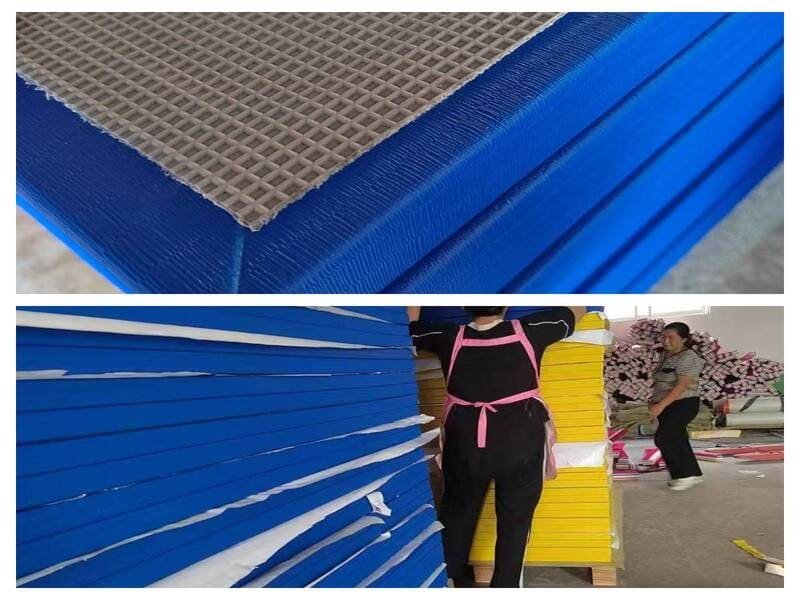
Der Schaumstoffkern ist das Herzstück der Matte, aber die Art und Weise, wie wir den Schaumstoff verpacken, bestimmt, wie Sie die Matte verwenden werden. Dies bringt uns zu den vier Haupttypen von Matten, die heute auf dem Markt erhältlich sind.
Was sind die 4 Haupttypen von Judo-Matten?
Die vier Arten sind Traditionelle Tatami (Profi), Roll-out (Vielseitig), Puzzle (Budget) und Crash Mats (Sicherheit). Verstehen woraus Judo-Matten hergestellt werden ist für jede Kategorie unerlässlich, um sicherzustellen, dass sie ein bestimmtes "Reibungsprofil" erfüllt. Tatami-Matten eignen sich am besten für permanente Dojos, Roll-outs sind perfekt für Fitnessstudios zu Hause, Puzzle-Matten eignen sich für leichtes Bohren und Crash-Matten sind unerlässlich für das sichere Üben von Würfen mit hoher Amplitude.
Meiner Erfahrung nach, die ich bei der Entwicklung von Produktionslinien gesammelt habe, hat jede Matte ein bestimmtes Reibungsprofil. Traditionelle Tatamis haben eine Reis-Stroh-Struktur, die den nötigen Grip für explosive Einstiege bietet, ohne schwere Verbrennungen auf der Matte zu verursachen. Ausrollbare Matten sind mit einer nahtlosen Vinyl-Oberseite ausgestattet, was sie zur hygienischsten Option macht, da es keine Risse gibt, in denen sich Schweiß verbergen könnte. Puzzlematten sind für den Heimgebrauch am beliebtesten, da sie von normalen Kurierdiensten verschickt werden können, was Ihnen Hunderte von Euro an Frachtkosten erspart. Achten Sie jedoch darauf, dass sie für Judo mindestens 1,25" dick sind. Wir stellen auch "Faltmatten" her, die sich hervorragend für Kinder oder zum Aufwärmen eignen, aber auf glatten Böden oft rutschen. Wenn Sie sich für Falt- oder Puzzlematten entscheiden, müssen Sie eine rutschfeste Unterlage oder einen Rahmen verwenden, damit sie sich während eines Kampfes nicht lösen.
Typenvergleich für Einkäufer
| Merkmal | Tatami (Profi) | Ausrollen | Puzzle | Crash-Pad |
|---|---|---|---|---|
| Installationszeit | Langsam (permanent) | Schnell (5 Min.) | Mittel | Sofort |
| Dauerhaftigkeit | 10+ Jahre | 5-7 Jahre | 2-3 Jahre | 5+ Jahre |
| Lagerung | Hart | Einfach | Mittel | Sperrige |
| Beste Verwendung | Wettbewerb | Garage Turnhalle | Leichte Bohrer | Werfen lernen |
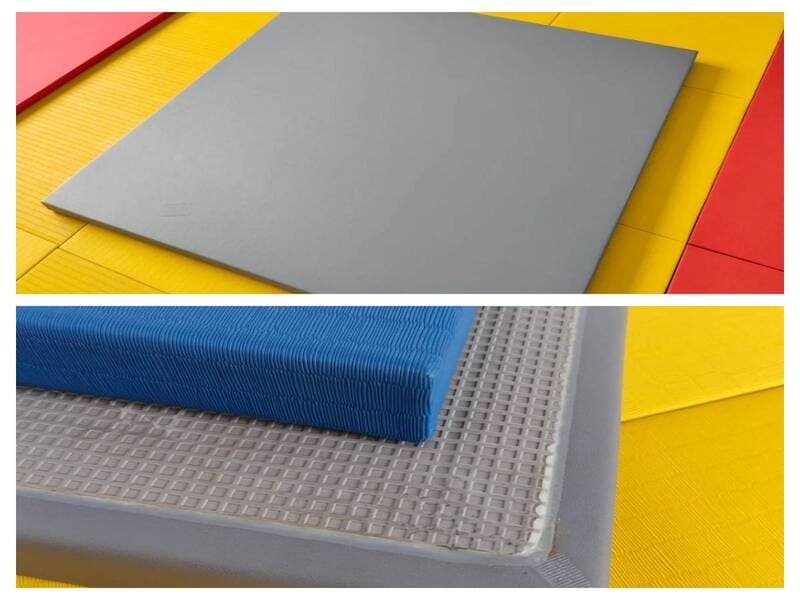
Die Auswahl des richtigen Typs ist nur die halbe Miete. Sie müssen auch auf die besonderen physikalischen Eigenschaften achten, die die Matten an Ort und Stelle und Ihre Haut intakt halten.
Welche kritischen Merkmale sollten Sie niemals ignorieren?
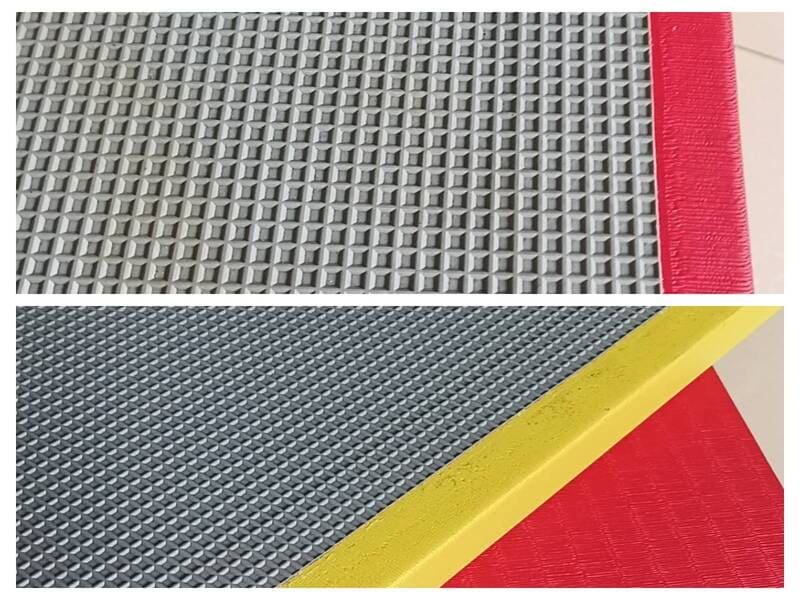
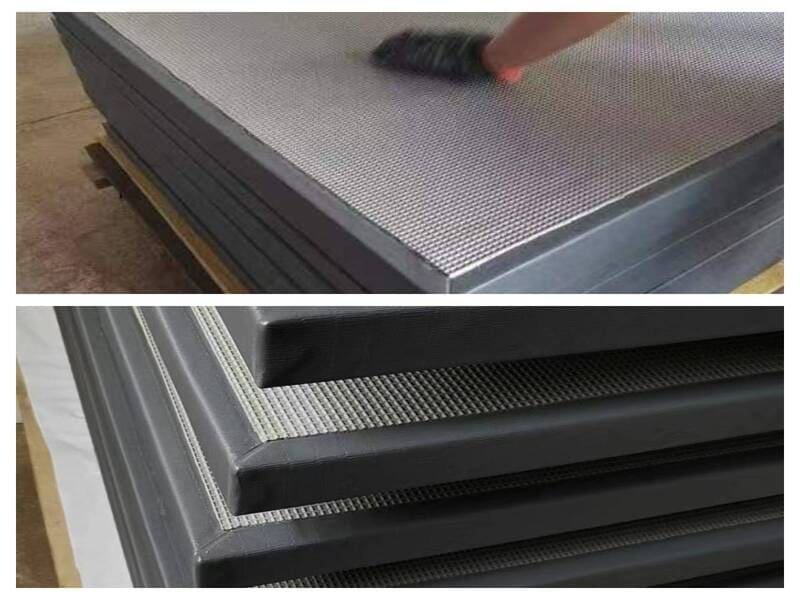
Achten Sie immer auf einen rutschfesten "Waffel"-Boden, heiß versiegelte Kanten und eine "No-Burn"-Vinyltextur. Diese Merkmale verhindern, dass die Matten auseinander rutschen, verhindern, dass Feuchtigkeit den Schaumstoffkern verrottet, und schützen Ihre Haut vor Abschürfungen bei der Bodenarbeit und bei Übergängen.
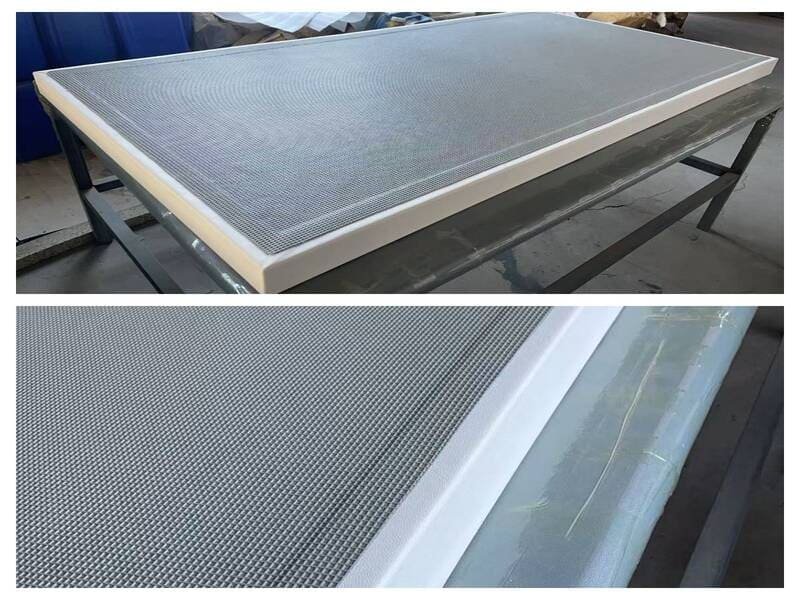
Aus Sicht der Herstellung ist die Unterseite der Matte ebenso wichtig wie die Oberseite. Wir tragen eine "Waffel" oder eine rutschhemmende Latexschicht auf die Unterseite auf, um den Reibungskoeffizienten auf dem Boden zu erhöhen. Ohne diese Schicht würden die Matten bei einem Wurf auseinanderdriften und gefährliche Lücken bilden. Auf der Oberseite sorgen wir für ein Gleichgewicht zwischen "Grip" und "Slide". Eine zu griffige Oberfläche verursacht "Mattenbrand", eine häufige Beschwerde beim Judo. Wir verwenden eine spezielle Vinylbeschichtung, die schnelle Drehungen ermöglicht, aber nicht die Abriebfestigkeit billiger Kunststoffe aufweist. Außerdem ist die Hygiene eine große technische Herausforderung. Wir verwenden eine Heißsiegeltechnik, um das Vinyl um den Schaumstoff zu wickeln. So entsteht eine wasserdichte Barriere. Wenn Schweiß oder Reinigungschemikalien in den Schaumstoff eindringen, wird die Matte schließlich von innen heraus verrotten und stinken.
Kritisches Merkmal Auswirkungen
| Merkmal | Nutzen Sie | Technik Ziel |
|---|---|---|
| Waffelboden | Sicherheit | Verhindert Mattenablösung |
| Tatami Textur | Leistung | Optimale Reibung für Drehpunkte |
| Hitzeversiegelte Kanten | Hygiene | Blockiert Feuchtigkeit und Bakterien |
Diese technischen Details gelten für alle Matten, aber die Art und Weise, wie Sie diese Faktoren abwägen, wird sich ändern, je nachdem, ob Sie eine kommerzielle Schule oder eine kleine Turnhalle zu Hause bauen.
Professionelles Dojo vs. Home Gym: Was sollten Sie kaufen?
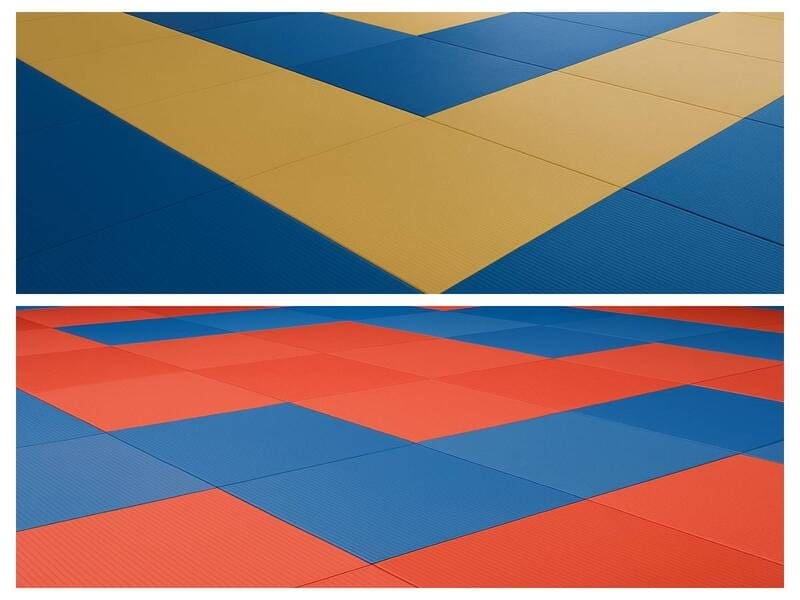
Professionelle Dojos sollten in 2,0" dicke Matten investieren, um maximalen Haftungsschutz und eine langfristige Rendite zu erzielen. Heimanwender sollten sich auf 1,25" ausrollbare Matten konzentrieren, um Deckenhöhe und Stauraum zu sparen. Eine Standardfläche von 14'x14′ wird für sichere Randori-Sitzungen zu Hause empfohlen.
Kommerzielle Dojo-Besitzer müssen an die "Kosten pro Jahr" denken. Eine $90-Tatami-Matte, die 10 Jahre hält, ist billiger als eine $40-Puzzle-Matte, die alle zwei Jahre ausgetauscht werden muss. Außerdem benötigen professionelle Installationen in der Regel einen Holzrahmen, um die Matten an ihrem Platz zu halten. Für Heimanwender ist der "Unterboden" die größte Herausforderung. Wenn Sie in einer Garage mit Betonboden trainieren, benötigen Sie mindestens 1,5 Zoll hochdichten Schaumstoff. Wenn Sie auf einem Teppichboden im zweiten Stock trainieren, sind 1,25" in der Regel ausreichend, da der Teppich und der Holzunterboden eine sekundäre Stoßdämpfung bieten. Ziehen Sie auch eine "Wandpolsterung" in Betracht, wenn Ihr Raum klein ist. In meiner langjährigen Beratungstätigkeit habe ich festgestellt, dass mehr Verletzungen durch Stöße gegen eine Wand oder einen Pfosten verursacht werden als durch Stöße gegen die Matte selbst. Berechnen Sie immer Ihre Quadratmeterzahl und fügen Sie 5% für den Verschnitt hinzu, wenn Sie die Matten für einen bestimmten Raum zuschneiden.
Leitfaden für Raum und Größe
| Ausbildung Typ | Min. Fläche (Haus) | Min. Fläche (Club) | Empfohlene Schichtdicke |
|---|---|---|---|
| Solo-Bohrer | 6′ x 6′ | K.A. | 1.0" |
| Licht Randori | 10′ x 10′ | 12′ x 12′ | 1.25" - 1.5" |
| Vollständiger Wettbewerb | 14′ x 14′ | 26′ x 26′ (mit Sicherheitszone) | 2.0" |
Ich habe gesehen, wie viele Leute Geld für die falschen Geräte verschwendet haben, weil sie nicht die richtigen Fragen gestellt haben. Hier sind die Antworten auf die häufigsten technischen Fragen, die ich erhalte.
FAQ: Was sind die häufigsten Fragen der Käufer?
Judo-Matten kosten in der Regel zwischen $3.00 und $6.00 pro Quadratmeter. Während Sie BJJ-Matten für die Bodenarbeit verwenden können, sind sie oft zu weich für stehende Würfe. Sie können die meisten Matten direkt auf Beton verlegen, vorausgesetzt, die Schaumstoffdichte ist hoch genug, um ein Durchsacken zu verhindern.
Die Debatte "EVA vs. PU" ist weit verbreitet. EVA ist normalerweise in Puzzlematten zu finden; es ist wasserdicht und erschwinglich, kann aber "federnd" sein. PU (Polyurethan) ist die erste Wahl; es ist "toter" beim Aufprall, was bei hohen Stürzen sicherer ist. Kann man Matten mit BJJ teilen? Ja, aber wählen Sie eine "Tatami"-Textur und kein "glattes" Vinyl, wenn Sie viel im Stehen arbeiten, da glatte Matten gefährlich rutschig werden, wenn sie mit Schweiß benetzt sind. Verwenden Sie zur Reinigung niemals scharfe Bleichmittel. Wir empfehlen eine einfache Lösung aus 1:100 mildem Reinigungsmittel oder ein spezielles Desinfektionsmittel für Sportmatten. Wenn Sie die Matte auf Beton verlegen, empfehle ich, zuerst eine dünne Feuchtigkeitssperre (6-mil-Plastikfolie) zu verlegen. Dies verhindert das "Schwitzen" zwischen dem Beton und der Matte, was zu Schimmelbildung unter Ihrer Investition führen kann.
Die 3 wichtigsten Bedenken der Käufer
- Kann ich sie schneiden? Ja, verwenden Sie ein scharfes Universalmesser und ein Metalllineal.
- Riechen sie? Neue Matten haben 48 Stunden lang einen "Fabrikgeruch"; sorgen Sie für gute Belüftung.
- Kosten für den Versand? Schwere Matten werden auf Paletten versandt; die Lieferung an Haushalte mit einer Hebebühne kostet normalerweise extra.
Die Wahl des richtigen Bodenbelags ist eine Investition in die Gesundheit und Sicherheit aller Schüler, die Ihre Matte betreten. Wenn Sie jetzt die richtige Wahl treffen, vermeiden Sie später Verletzungen und Kosten.
Schlussfolgerung
Kaufen Sie 2" Tatami für Profis; 1,5" Roll-outs für zu Hause.