


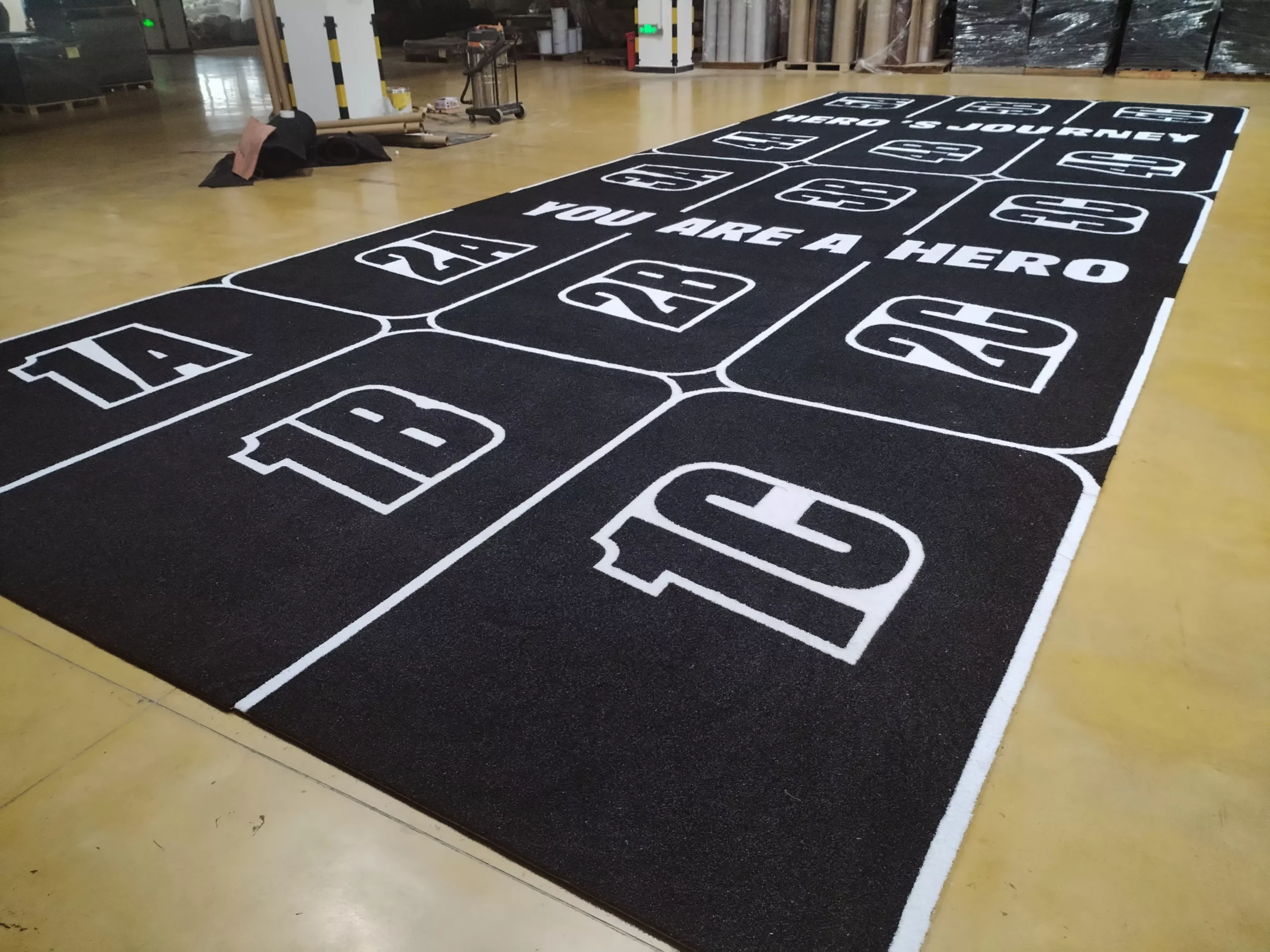
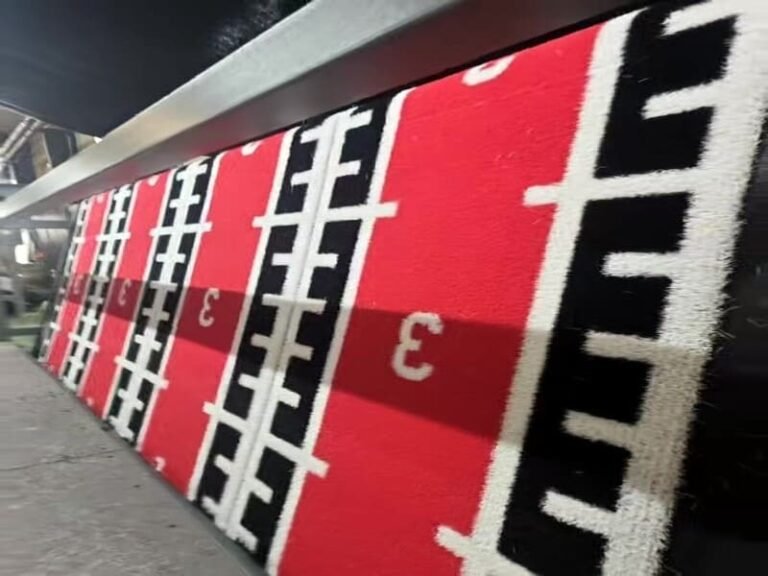
What Disinfectants Are Safe for Turf and Rubber Flooring
Neutral pH quaternary ammonium compounds (Quats) are the safest and most effective disinfectants for both synthetic turf and rubber flooring. They kill pathogens like MRSA and mold without degrading rubber binders or making turf fibers brittle,...
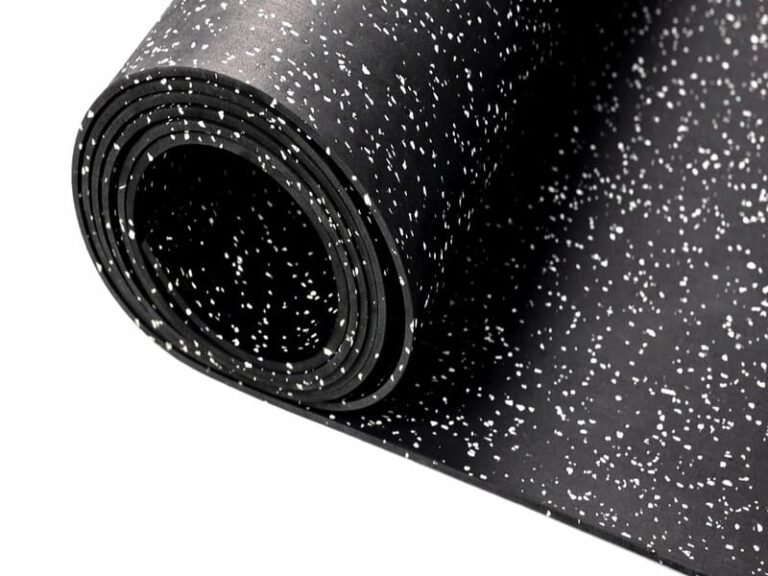
Why Is Rubber Flooring Soft and How Do You Fix It
Rubber flooring feels soft usually because of subfloor issues like trapped moisture, uneven surfaces, or adhesive failure. While rubber has natural bounce, a "squishy" feel indicates a lack of structural support or low-density material. You fix...
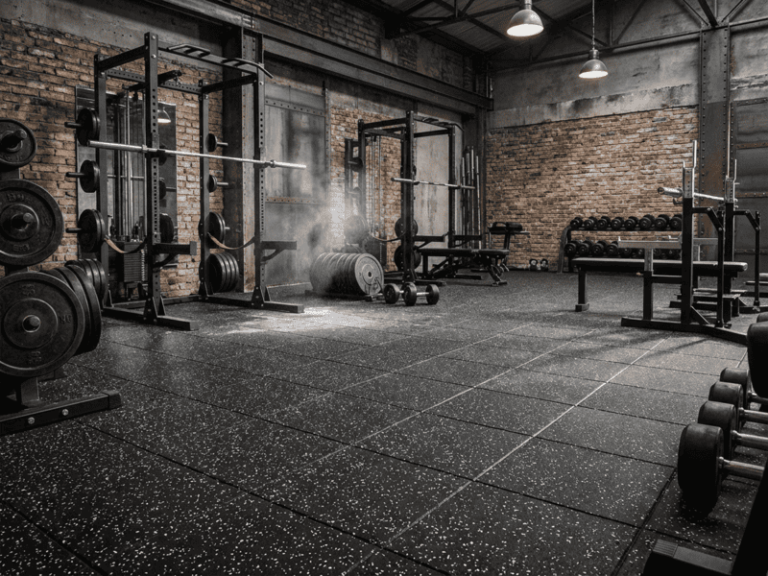
How Do You Block Moisture Vapor Under Gym Flooring
You block moisture vapor under rubber gym flooring by sealing the subfloor with a 6-mil polyethylene plastic sheet for floating installs or a specialized liquid epoxy mitigant for glue-down applications. The goal is to stop water...
How do you plan a gym layout with turf and rubber zones
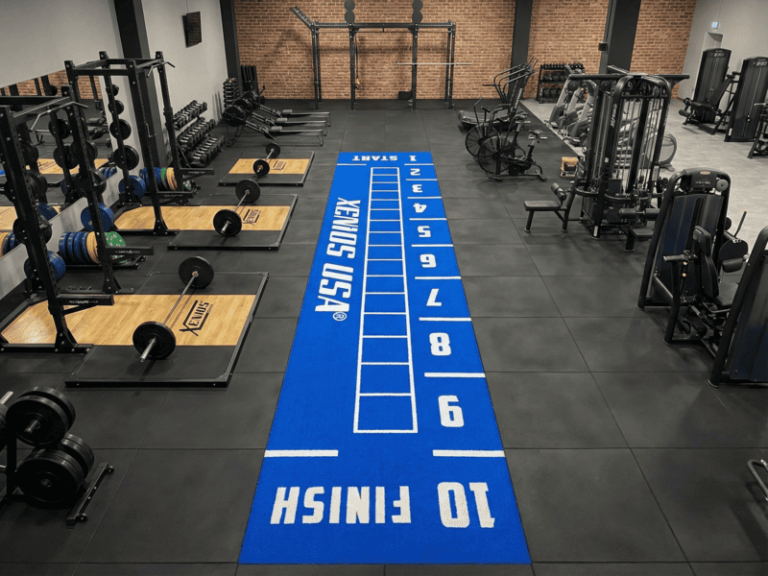
To plan a gym layout with turf and rubber zones, you must follow a 7-step process: measure your space, define functional zones, match material thicknesses, and execute a flush-mount transition. Integrating a dedicated sled runway with...

How do you prevent equipment stains on rubber floors
To prevent equipment stains on rubber floors, you must use non-reactive barriers like plastic coasters, choose equipment with urethane feet instead of cheap rubber, and apply a high-quality polyurethane sealer. These steps stop "plasticizer migration," a...

How Do You Stop Turf Edges Lifting at Transitions
To stop turf edges from lifting, you must create a mechanical "tuck" by burying the edge in a 1-inch perimeter trench and securing it with galvanized spiral nails spaced every 3 inches to counteract the natural...

What Fire Rating Should Gym Flooring Meet
Commercial gym flooring must meet a Class I Fire Rating, defined by ASTM E648 with a Critical Radiant Flux of $\geq 0.45$ watts/cm². Additionally, the Smoke Developed Index (SDI) must typically be under 450 per ASTM...

How Do You Reduce Static on Rubber Gym Floors
To reduce static on rubber gym floors, you must maintain 40-50% humidity, use pH-neutral anti-static cleaners, and ensure all electronic equipment is properly grounded. These actions prevent the triboelectric effect, where friction between shoes and non-conductive...

What is the Best Rubber Flooring for Fitness Studios with High Heels
The best rubber flooring for fitness studios with high heels is high-density vulcanized rubber rolls. These surfaces must provide a Shore A hardness of 60–80 to prevent stiletto punctures while maintaining superior shock absorption. A non-porous,...

How do you check rubber flooring quality before buying
To verify rubber flooring quality, check for a neutral scent, high density (min. 1000 kg/m³), and dimensional precision. Perform a "Bend Test" to ensure no cracking and a "Water Drop Test" to confirm the surface is...
Fitness and sports flooring specialists
We are experts in fitness and sports flooring. If you would like to get a free sample and quote, please contact us now.