


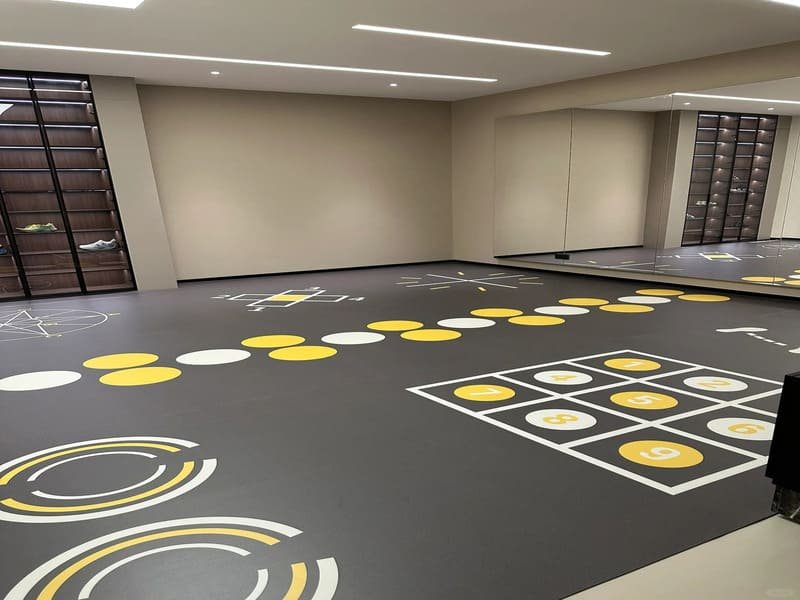
Shoes usually stick to PVC sports flooring because of surface contamination, cleaning residue, dirty or unsuitable soles, or resin and adhesive buildup. Plasticizer exudation is a less common, secondary cause.
I have walked through more sports facilities than I can count, and this is one of the questions I hear most often. A coach or facility manager notices a squeak, feels a drag underfoot, and assumes the floor itself is faulty. In most cases, it is not. Sports flooring is engineered to grip, but grip and unwanted stickiness are two different things. Grip is designed and tested. In many cases, unwanted stickiness comes from something on the surface rather than a defect in the vinyl itself. In this article I want to walk through the real causes in the order I actually check them on-site, starting with the most common and working down to the rarer material-level issues. I will also cover a simple way to tell whether the floor or the shoe is the actual problem, and when stickiness signals something more serious.
Before jumping into fixes, it helps to understand the full list of causes in the right priority order. Most people assume the chemistry of the floor is to blame, but the truth is usually much simpler.
What Actually Causes Shoes to Stick to PVC Flooring?
Most sticking comes from surface contamination, cleaner residue, or unsuitable footwear. Plasticizer exudation and static charge play a smaller, secondary role.
| Причина | How Common | What It Really Is |
|---|---|---|
| Cleaning residue | Very common | Leftover detergent film from improper rinsing |
| Sole contamination | Very common | Dirt, resin, or worn rubber on the shoe |
| Resin or adhesive spots | Общий | Handball resin, tape residue, spills |
| Altered surface finish | Время от времени | Worn or damaged surface treatment |
| Plasticizer exudation | Реже | Additives migrating to the surface over time |
| Static charge | Minor factor | Increases dust attraction, not shoe grip |
Surface Contamination and Cleaning Residue
This is, by far, the most frequent cause I see. Harsh detergents, wax-based products, or simply not rinsing after mopping leave a thin film on the vinyl surface. That film behaves almost like a light adhesive layer. I have inspected floors where the PVC itself was in excellent condition, but years of the wrong cleaning routine had built up an invisible sticky residue across the whole court.
Footwear and Sole Contamination
Not all soles behave the same way on vinyl. Outdoor shoes, worn rubber soles, or soles that have picked up dirt, resin, or debris can create abnormal friction, regardless of sole color. The real variable is contamination and sole compatibility, not appearance.
Plasticizer Exudation (A Less Common, Material-Level Cause)
Plasticized PVC can occasionally develop a tacky surface when plasticizers, which are not permanently bonded to the PVC polymer, gradually migrate from the bulk material toward the surface. Heat, aging, formulation quality, and prolonged contact with certain materials can accelerate this process. Most modern PVC sports floors also include a PU or PUR surface treatment designed to improve durability, stain resistance, and maintenance performance, so users do not normally interact directly with the underlying PVC formulation. This is a real phenomenon, but it is not the everyday explanation for a sticky court.
Static Charge: A Minor, Often Misunderstood Factor
In dry conditions, friction between shoes and the floor can generate static charge, which attracts dust and fine particles to the surface. This can change how the floor feels underfoot over time. However, static electricity is not a realistic explanation for a shoe feeling physically stuck to the ground. It is best treated as a contributor to surface contamination in low-humidity environments, not a primary cause of tackiness.
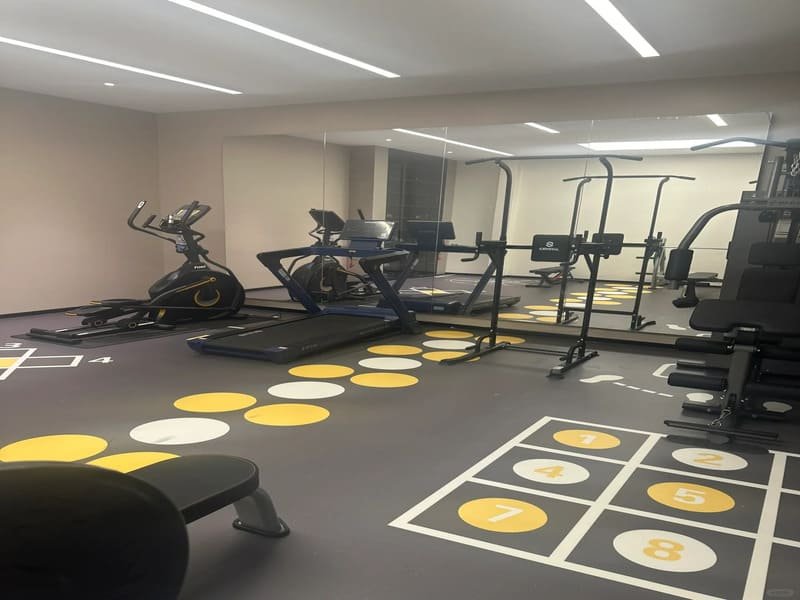
Understanding these causes is useful, but the fastest way to solve a sticky floor complaint is to figure out whether the floor or the shoe is actually responsible.
Is It the Floor or Is It the Shoe?
A few simple tests can quickly separate a floor problem from a shoe problem, without guesswork.
Before assuming the flooring is defective, I recommend running through these checks:
- Swap the shoes. Test the same spot on the floor with a different, clean pair of indoor court shoes.
- Swap the floor. Test the same shoes on a different court or a different area of the same facility.
- Clean and isolate a small area. Deep-clean and fully dry a one-square-meter patch, then compare it to the surrounding surface.
- Check the pattern. Note whether the stickiness only appears in high-traffic zones, near resin marks, tape lines, or along typical mopping paths.
The results usually point to a clear answer: if the same floor sticks with different shoes, the floor or its surface contamination is the issue. If the same shoes stick on different floors, the problem is likely with the footwear. If stickiness is limited to specific zones, contamination or localized maintenance issues are strong suspects.
One contamination source deserves its own explanation, because it is one of the most common yet overlooked causes I encounter in real facilities.
Resin, Adhesive, and Other Surface Contamination
Handball resin, tape residue, and other adhesive substances are among the most common real-world causes of a sticky PVC court, separate from any issue with the flooring material itself.
Handball resin is a well-known example. It is applied deliberately to improve ball grip, but it leaves a genuinely sticky residue on the flooring that requires specific cleaning methods to remove. Beyond resin, courts frequently pick up leftover adhesive from tape lines, label residue, spilled sports drinks, or floor polish that was applied incorrectly or too heavily. In my experience, these contamination sources cause far more real-world complaints than any chemical reaction happening inside the PVC itself.
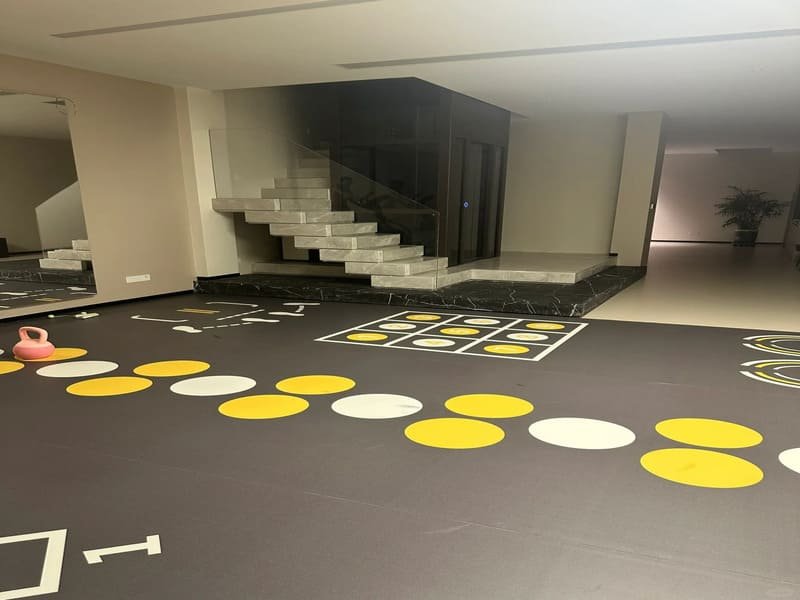
Once contamination and footwear are ruled out, it is worth asking a different question: is some stickiness actually necessary, and how much grip is too much?
Is "Sticky" Always Bad? Grip vs. Glide
No. Controlled grip is necessary for safety, but excessive friction between shoe and floor can increase injury risk during sudden stops and pivots.
The Injury Risk of Too Much Grip
When the shoe-surface friction is too high, the foot cannot rotate naturally during a pivot or a sudden stop. Excessive shoe-surface friction can increase rotational loads transmitted to the lower limb during cutting, stopping, and pivoting movements, which is a meaningful concern in basketball, badminton, and tennis, where these movements happen constantly.
Where the Standard Draws the Line
EN 14904 specifies friction performance for indoor multi-sport surfaces using the pendulum test method referenced in EN 13036-4. Under EN 14904:2006, the mean Pendulum Test Value is typically required to be between 80 and 110 when tested according to EN 13036-4 under the specified conditions. This sets a controlled friction-performance range intended to avoid surfaces that are excessively slippery or excessively resistant to movement, rather than targeting a specific coefficient of friction.
With the difference between engineered grip and problematic stickiness clear, the next step is practical: what actually fixes a sticky PVC floor?
How to Stop Shoes from Sticking to Your PVC Floor
Correct cleaning products, suitable indoor footwear, and stable indoor climate resolve many cases of unwanted stickiness.
Follow the Manufacturer’s Cleaning Protocol
For routine cleaning, use the cleaner and dilution recommended by the flooring manufacturer, which is often a neutral detergent. Follow the flooring and cleaner manufacturer’s instructions carefully, including rinsing with clean water when required to prevent detergent residue. For heavier contamination such as resin, rubber marks, or adhesive residue, specialized cleaners approved by the manufacturer may be required instead of standard neutral cleaner.
Encourage Suitable Indoor Footwear
Facility policies should point users toward clean, non-marking indoor court shoes suited to the sport and to the specific flooring system, rather than outdoor or heavily worn footwear. This single change resolves a large share of the complaints I see in the field.
Manage Humidity and Climate
Moisture and sweat are best treated as surface contamination rather than a direct cause of stickiness; depending on the shoe sole and surface texture, moisture can actually reduce friction and make a court more slippery rather than stickier. Low indoor humidity, on the other hand, can increase static charge and dust attraction. Stable HVAC settings help control both issues.
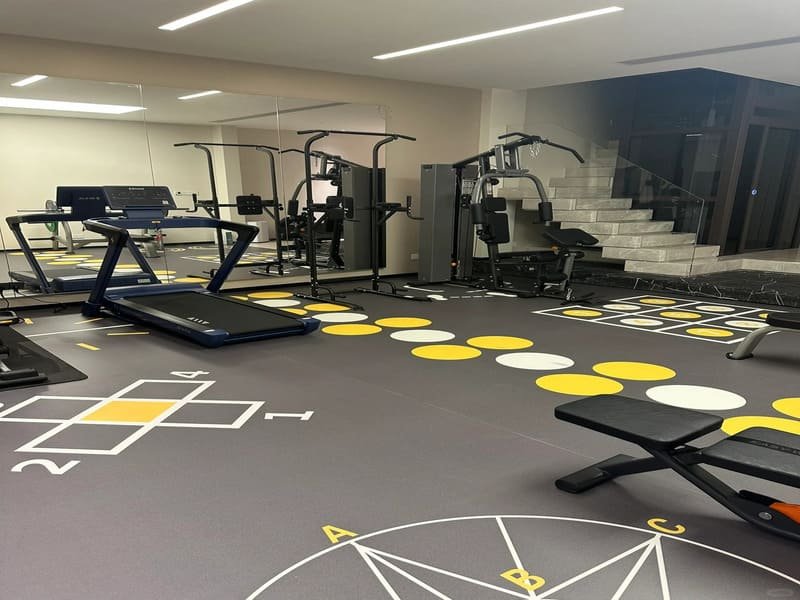
These steps resolve many cases, but sometimes stickiness persists no matter how carefully a facility cleans and manages footwear. That points to a different kind of problem.
When Is It Time to Replace the Flooring?
If tackiness remains after proper deep cleaning and footwear checks, the surface treatment or wear layer may be damaged, though renovation is often possible before replacement is necessary.
If stickiness remains after the floor has been properly deep-cleaned and tested with different clean indoor shoes, the next step is to inspect the surface treatment and wear layer rather than assuming the worst. Years of harsh chemicals or heavy wear can degrade the factory-applied PU/PUR surface treatment or damage the wear layer, and at that stage cleaning alone will not fully resolve the tackiness. In many cases, professional deep cleaning or manufacturer-approved surface renovation can restore performance. Full replacement is generally the last step, reserved for cases where the wear layer or base material has degraded beyond what renovation can address.
Заключение
Most sticky floors trace back to contamination or footwear, not the PVC itself, and the right diagnosis leads to the right fix.
If your facility is dealing with a sticky court that will not go away, or you are planning a new PVC sports flooring installation and want it engineered correctly from the start, feel free to send me a message. I am happy to help diagnose the issue or discuss a custom or bulk PVC sports flooring solution for your project.