


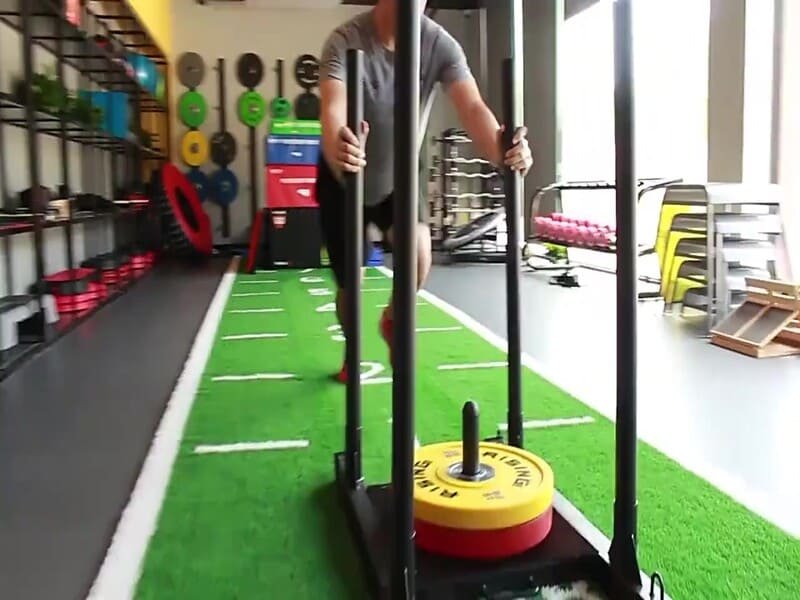
You prevent sled damage by using high-density nylon turf with a short pile height and equipping sleds with UHMW plastic skis. Regular maintenance, such as brushing fibers and clearing debris, is also vital to stop friction-induced melting and abrasive wear on the synthetic surface.
As a technical director in the gym flooring industry, I often see facility owners invest heavily in premium turf only to watch it degrade in months. The sled is a fantastic conditioning tool, but it creates extreme thermal and physical stress on synthetic fibers. When a weighted sled moves across turf, the kinetic energy transforms into heat through friction. If the turf material has a low melting point or if the sled has metal feet, the fibers will fuse together or tear. This guide explains how to engineer your gym space to handle these forces so your investment lasts for years.
Proper prevention starts with the hardware you choose and the way you maintain the track every day. Please read the following sections to understand the science of turf protection.
Why Do Sleds Damage Synthetic Gym Turf?
Sleds damage turf through high-speed friction that causes "friction burns" and mechanical shearing. When heavy loads press metal or rough surfaces against plastic fibers, the heat generated can exceed the material’s melting point, while trapped dirt acts as an abrasive that cuts the fiber stems.
To understand this problem, we need to look at the physics of the "Friction Burn." Most gym turf is made of Polyethylene or Nylon. When you drag a 200kg sled, the pressure at the contact points is immense. This pressure creates heat that can flatten and glaze the fibers. Furthermore, we must consider the impact of "Abrasive Underlays." Dirt and chalk fall into the turf and sit at the base. When the sled passes over, it pushes these hard particles against the fibers, acting like a saw.
| Фактор | Воздействие на газоны | Технические последствия |
|---|---|---|
| Friction Heat | Fiber Melting | Permanent glazing and loss of grip |
| Surface Debris | Fiber Abrasion | Rapid thinning of the turf pile |
| Heavy Loading | Pile Matting | Structural collapse of the fiber uprights |
This mechanical stress is why choosing the right specifications during the design phase is so important for long-term durability.
How Do You Choose the Right Turf for Sled Work?
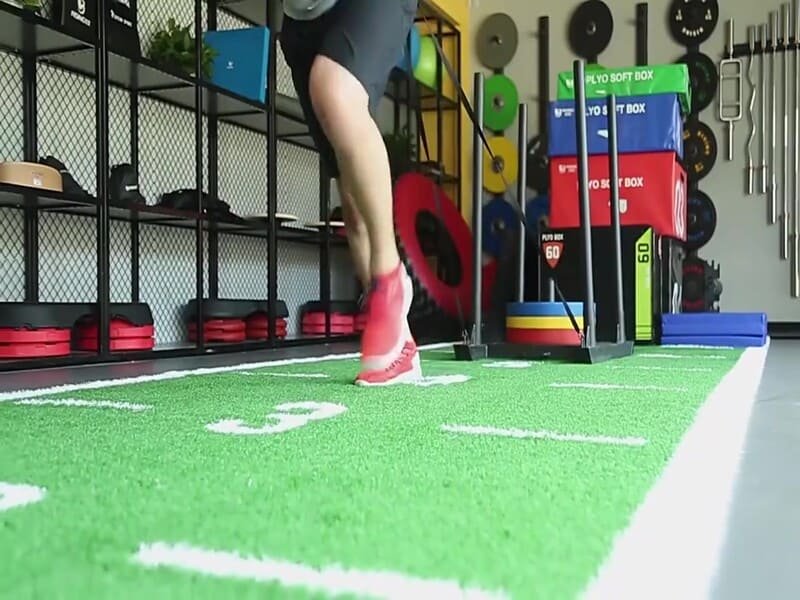
Choose a high-density turf with a pile height between 1/2 inch and 3/4 inch made from Nylon. Nylon has a higher melting point than Polyethylene, and a shorter, denser pile resists the "tipping over" or matting effect caused by heavy sled weights.
When I consult on gym builds, I focus on the "Face Weight" and "Stitch Rate." A higher stitch rate means more fibers per square inch. This density helps distribute the weight of the sled across more fibers, which reduces the load on any single strand. You should avoid long, "grassy" turf for sled tracks. Long fibers have more surface area to melt and are more likely to tangle or pull out. Nylon is the gold standard here because it stays resilient under heat where Polyethylene might soften.
Key Turf Specifications for Sled Tracks
| Технические характеристики | Рекомендуемое значение | Причина |
|---|---|---|
| Материал | 100% Нейлон | Highest melting point and durability |
| Высота сваи | 12mm – 19mm | Prevents tripping and fiber matting |
| Вес лица | > 60 oz/sq yd | Ensures density for load distribution |
| Обратная связь | Polyurethane/Latex | Prevents rippling under lateral force |
The wrong material will fail no matter how well you maintain it, so focus on these technical specs first.
Which Equipment Strategies Prevent Immediate Damage?
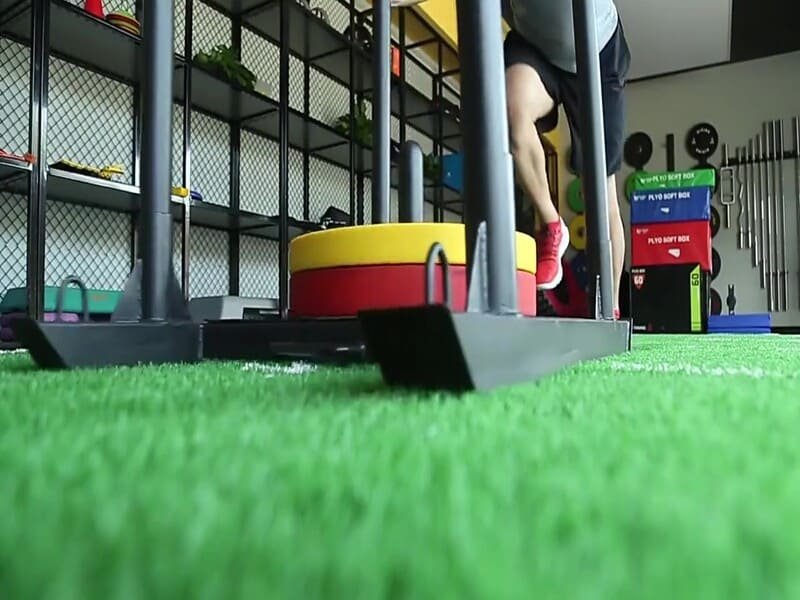
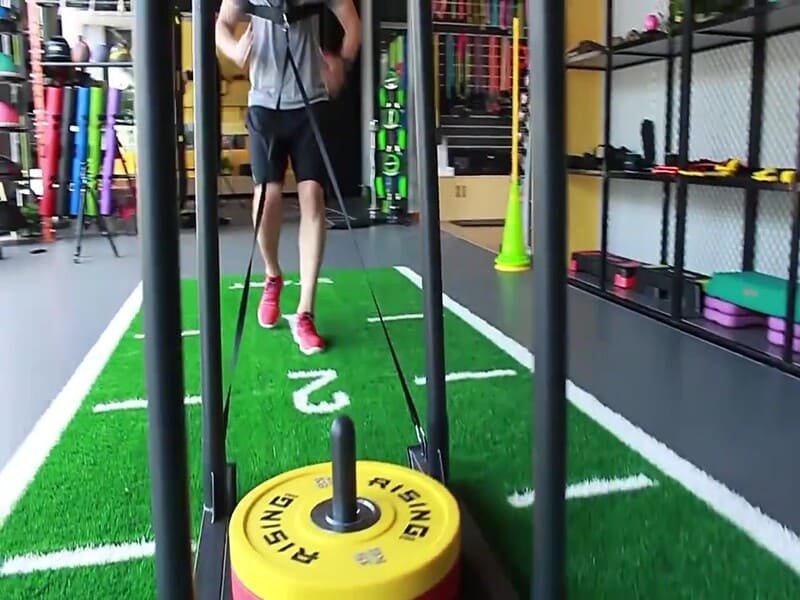
You must use UHMW (Ultra-High Molecular Weight) plastic skis on all sleds to prevent damage. Plastic-on-plastic friction generates significantly less heat than metal-on-plastic, and it eliminates the risk of rust stains or sharp metal burrs cutting through the turf fibers.
Metal sled feet are the primary cause of catastrophic turf failure. Metal is a great conductor of heat and often develops small burrs or sharp edges from use on concrete. When these edges hit the turf, they slice the fibers. I always recommend UHMW plastic feet because they have a low coefficient of friction. This means the sled slides easier, generates less heat, and preserves the "look" of the turf. You should inspect these feet weekly for any damage.
Sled Maintenance Checklist
- Check for Burrs: Run a gloved hand over the sled feet to feel for sharp spots.
- Clean the Skis: Wipe off any dirt or oils that could transfer to the turf.
- Replace Wear Pads: Swap out plastic skis once they become too thin or rough.
Poorly maintained equipment will destroy even the most expensive flooring in a matter of weeks.
How Should You Operate Sleds to Prolong Turf Life?
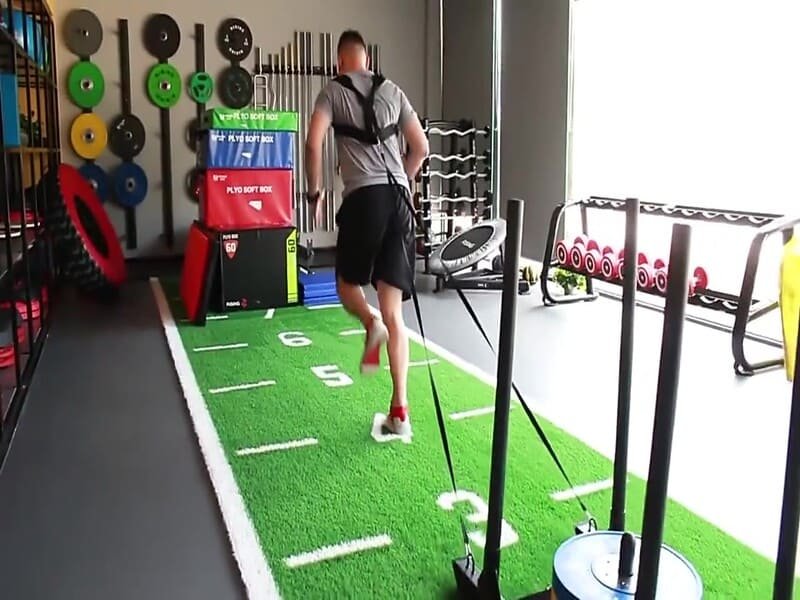
Avoid dragging sleds in the same "groove" every time and keep the track free of chalk and sand. Rotating the direction of the drag and moving the sled path slightly left or right helps prevent the fibers from permanently leaning or matting in one direction.
In my experience, "lane memory" is a major issue. If every athlete follows the exact same 2-meter wide path, that path will wear out ten times faster than the rest of the floor. I advise gym owners to implement a "Clean Zone" rule. Chalk from powerlifting areas is like a diamond-grade abrasive to turf fibers. If chalk gets into the sled track, it must be vacuumed immediately. Small particles are the enemy of longevity.
Best Practices for Facility Managers
| Действие | Частота | Выгода |
|---|---|---|
| Пылесос | Ежедневно | Removes abrasive dust and chalk |
| Lane Rotation | Ежедневно | Prevents localized wear patterns |
| Weight Inspection | Random | Ensures sleds aren’t overloaded for turf specs |
Consistency in these small habits is what separates a world-class facility from a run-down gym.
What Maintenance Routine Keeps Turf in Top Condition?
Regularly brush the turf with a synthetic turf rake or power brush to lift the fibers back to a vertical position. Deep cleaning with a specialized vacuum removes the fine dust that builds up in the backing and causes internal fiber erosion.
Brushing is the most neglected part of turf care. Over time, sleds push the fibers down. Once they are flat, they are more susceptible to melting and tearing. A simple rake with nylon bristles can "groom" the turf and restore its pile. For larger facilities, a power brush is a better investment. This tool uses mechanical rotation to stand the fibers up and redistribute any infill if you are using it. This process keeps the surface fast and safe for athletes.
If you ignore these maintenance steps, the damage will become permanent and require expensive repairs.
How Do You Fix Turf Once Damage Has Started?
Perform spot repairs by cutting out the damaged section and replacing it with a matching strip of turf secured with high-strength turf glue. For loose seams, use heavy-duty seam tape to ensure the sled does not catch and tear the edge.
When you see a "melted" patch, it cannot be brushed out. You must use a utility knife to cut a clean square around the damage. I always tell my clients to keep a few square meters of "waste" turf from the original installation for this purpose. When glueing the new piece, ensure the "grain" or direction of the fibers matches the surrounding area. If your seams are lifting, you must fix them immediately. A sled catching a loose seam can rip up a 10-meter section in one second.
Repair Steps for Success
- Снято: Use a sharp blade to remove the damaged area.
- Чистота: Ensure the subfloor is free of old adhesive.
- Tape/Glue: Use a high-tack turf adhesive.
- Weight: Place heavy plates on the repair for 24 hours.
The cost of a small repair is nothing compared to the cost of a full track replacement.
Summary Checklist: The Daily 5 for Turf Longevity
To maximize the life of your gym turf, follow this daily protocol:
- Inspect sled feet for sharp edges or metal exposure.
- Vacuum or sweep the track to remove chalk and dirt.
- Rotate sled lanes to distribute wear evenly.
- Check for loose edges or seams that could catch.
- Weekly fiber brushing to prevent permanent matting.
Заключение
Protecting your gym turf requires the right nylon material, plastic sled skis, and daily cleaning to ensure athlete safety and a high return on investment.
Need high-density gym turf that actually stands up to heavy sled work? Send me a private message to discuss custom solutions for your facility!