


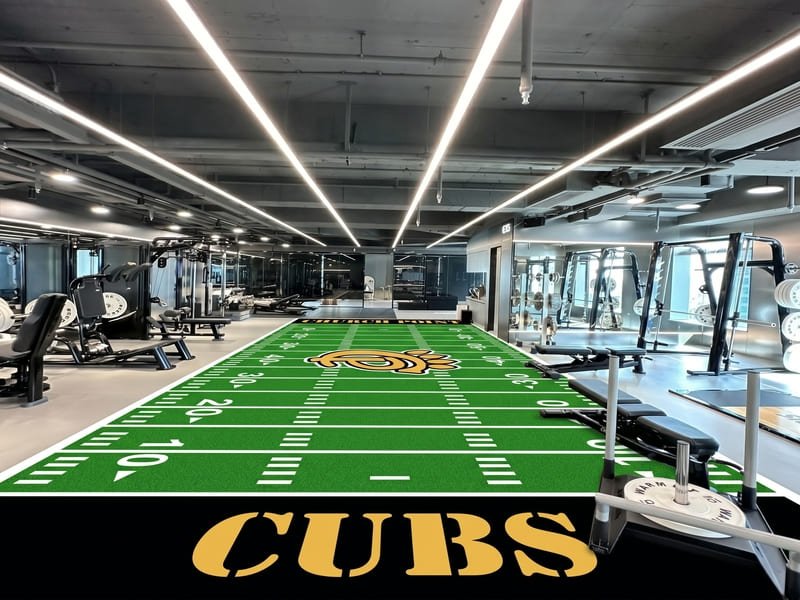
Choosing the right turf for kids requires balancing soft fibers to prevent skin burns with high-density construction for stability. You must prioritize non-toxic, lead-free materials and adequate shock absorption. Focus on polyethylene fibers and a pile height between 15mm and 25mm for the best safety and performance results.
As a quality control specialist who walks the factory floor every day, I see exactly how manufacturing choices impact the safety of a young athlete. Kids move differently than adults; they fall more often, they sit on the floor, and their skin is much more sensitive to friction. When I inspect a batch of gym turf, I am not just looking at the color. I am checking the fiber softness and the chemical safety reports. Many gym owners make the mistake of buying standard sports turf for a youth area, but that is a risk. Standard turf can be too abrasive or contain heavy metals that you do not want children breathing in. My job is to ensure that the "skin-friendly" claim is backed by actual lab results and tactile testing. If the turf feels like plastic needles, it fails my inspection because I know a kid will end up with a "turf burn" during their first agility drill.
The following sections will help you understand the technical details that keep children safe and your facility running smoothly.
Why Does the Right Turf Matter for Junior Athletes?
The right turf prevents friction burns and provides critical impact protection for developing joints while ensuring a non-toxic environment. High-quality turf supports the unique movement patterns of youth functional training, making the gym a safe place for kids to build confidence without the fear of painful falls or chemical exposure.
The rise of youth functional training has turned dedicated kids’ zones into a necessary feature for modern gyms. Parents and coaches always have a "safety first" mindset, and they are right to be cautious. From my experience in the warehouse, I have seen how a soft landing can be the difference between a kid getting back up or a kid going to the doctor. We use technical specs to find the perfect balance between a surface that is soft enough for floor work and firm enough for high-performance sprints. Below is a breakdown of why this specific focus is vital for your facility.
Impact of Turf Selection on Youth Training
| Фактор | Importance for Kids | Специалист по контролю качества Инсайт |
|---|---|---|
| Поверхностное трение | Чрезвычайно высокий | PE fibers reduce skin abrasion by 40% compared to nylon. |
| Joint Support | Критический | Proper padding prevents long-term stress on growing bones. |
| Качество воздуха | Высокий | Low-VOC materials are a must for smaller lungs in indoor spaces. |
We don’t just sell grass; we provide a foundation for growth. If the surface is too hard, kids get hurt. If it is too soft, they trip. My goal is to help you navigate these technical hurdles so your junior athletes can thrive.
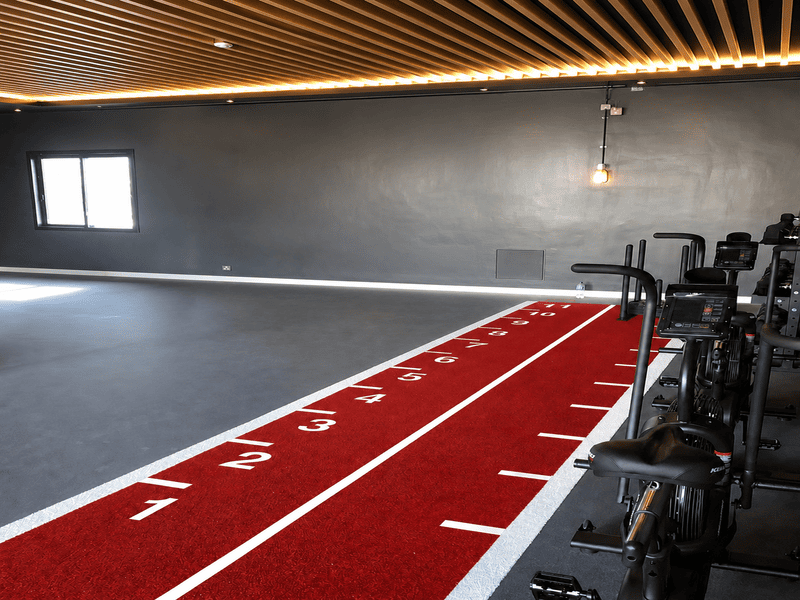
You need to understand the physical differences between children and adults to choose the best material.
What Makes Kids’ Turf Different?
Kids’ turf must prioritize skin-friendly fibers to prevent abrasions on thin skin and incorporate superior hygiene features for "shoes-off" activities. It needs higher density to handle frequent falls and tumbles while remaining easy to sanitize from spills or sweat, ensuring a safe, clean environment for junior users.
Children have thinner skin and are much more sensitive to abrasions than adults. This makes "skin-friendly" fibers a non-negotiable requirement during my quality checks. During impact protection tests, we look at how the turf reacts to falls and jumps. If a kid slips during a ladder drill, the turf should cushion them, not scrape them. Additionally, hygiene is a massive factor. Kids often sit or crawl on the turf, so the material must be easy to clean. We look for anti-microbial properties and fibers that do not trap dust and allergens.
Core Differences in Material Needs
| Характеристика | Kids’ Training Area | Standard Adult Gym |
|---|---|---|
| Fiber Texture | Extra Soft (Polyethylene) | Durable/Coarse (Nylon/PE Mix) |
| Частота очистки | Daily/Deep Clean | Weekly/Standard Sweep |
| Основное использование | Crawling, Jumping, Play | Sleds, Weights, Running |
I often tell my clients that if you wouldn’t feel comfortable letting a toddler crawl on it, it isn’t the right turf for your youth athletes. We test for the "shoes-off" factor every day to ensure the texture is inviting and safe for all types of movement.
Moving beyond the feel of the turf, we must look at the invisible safety standards that protect health.
Which Safety Standards are Deal-Breakers?
You must verify that turf is Lead-Free, PFAS-Free, and meets ASTM fire and shock absorption (G-Max) standards for indoor use. These certifications ensure the air quality remains safe and that the surface provides enough cushion to prevent serious head and joint injuries during high-impact training or accidental falls.
Safety standards are the foundation of my work as a QC specialist. We ensure all materials are non-toxic, specifically Lead-Free and PFAS-Free. For indoor commercial spaces, understanding ASTM fire ratings is mandatory to pass building inspections. We also measure shock absorption using the G-Max test. This tells us how much force is returned to a child’s body when they fall. A lower G-Max score means the turf and padding are doing their job to protect the brain and joints. Finally, odor control is vital. Low-VOC (Volatile Organic Compounds) materials prevent that "new car" chemical smell from filling a small gym room.
Основные сертификаты безопасности
| Стандарт | What it Measures | Minimum Requirement |
|---|---|---|
| Lead Content | Heavy metal presence | < 100 ppm (Lead-Free) |
| ASTM E648 | Fire / Radiant Flux | Class 1 for most indoor gyms |
| G-Max Test | Поглощение ударов | Below 200 (Lower is better for kids) |
I have seen cheap imports fail these tests miserably. My job is to verify the lab reports for every roll. If the VOC levels are too high, the turf stays in the factory. We never compromise on the air children breathe or the safety of the surface they land on.
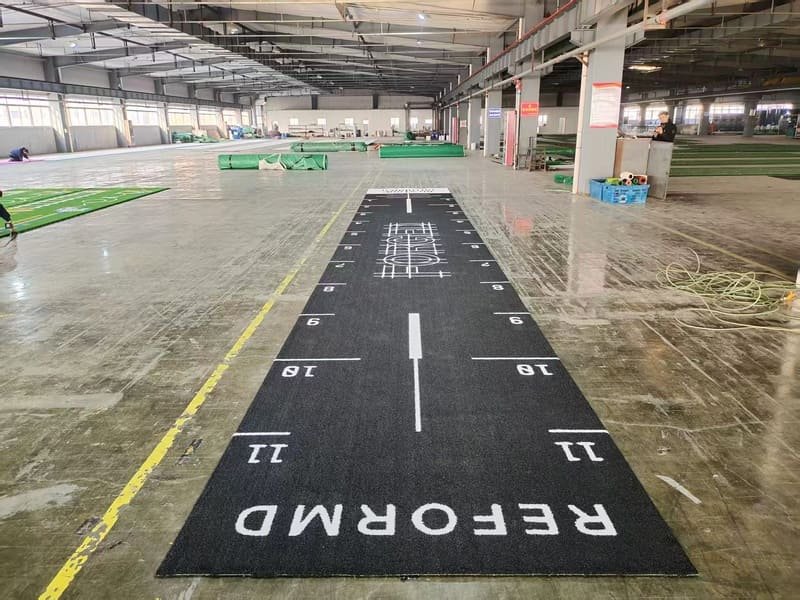
Once the safety is confirmed, you should look at the specific technical details of the product.
What Technical Specifications Should You Look For?
Look for Polyethylene (PE) fibers for softness, a pile height of 15mm to 25mm, and high stitch density for better support. Ensure the backing has a strong tuft bind to prevent kids from pulling out fibers, and choose a density that keeps the surface stable for agility work.
When I am checking the specs, I always recommend Polyethylene (PE) over Nylon for kids. PE is significantly softer and less likely to cause burns. For pile height, the "sweet spot" is usually between 15mm and 25mm. This height provides enough cushion but remains stable enough so kids don’t trip. Turf density, or the stitch rate, is also critical. A high-density turf provides better support and prevents the "matting" look over time. I also check the backing strength. Kids are curious and will often try to pick at or pull out the grass fibers. A strong tuft bind ensures the turf stays intact even under heavy use.
Technical Specification Checklist
| Технические характеристики | Рекомендация | Почему это важно |
|---|---|---|
| Волокнистый материал | 100% Полиэтилен | Prevents friction burns on skin. |
| Высота сваи | 15 мм - 25 мм | Balances safety cushion with stability. |
| Плотность | > 18,900 stitches/sqm | Prevents tripping and adds durability. |
| Обратная связь | Triple Layer / Polyurethane | Ensures fibers stay locked in place. |
I personally inspect the stitch count on our production lines to ensure it matches the technical sheet. If the density is too low, the turf will flatten within months, creating a tripping hazard. We build our turf to stay upright and supportive for years of heavy traffic.
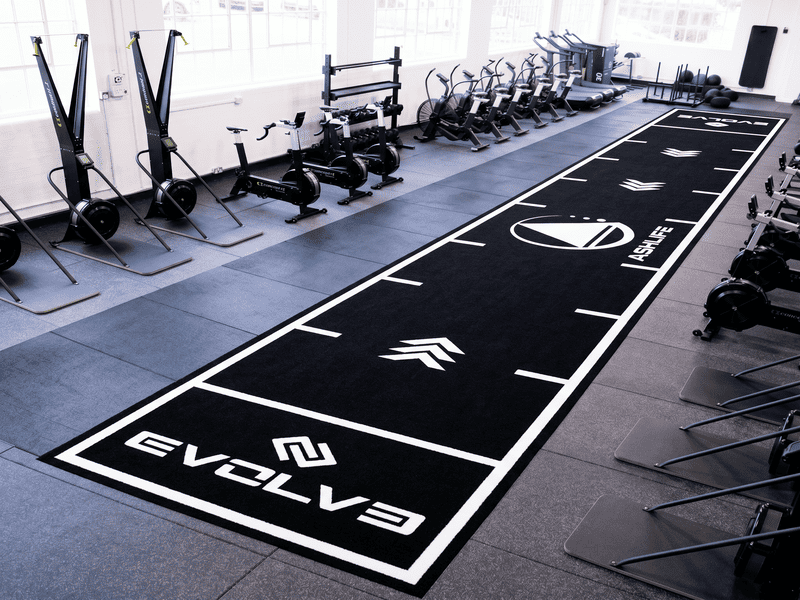
Good specs lead to good performance, which is what allows for different types of training.
How Does Turf Perform for Different Training Types?
Quality turf must provide a firm surface for agility and speed drills while being durable enough to withstand heavy sled work and foot traffic. It should also be comfortable enough for floor-based activities like yoga or stretching, making it a truly multi-purpose solution for any youth training program.
In my testing, I look at how the turf handles "mushiness." If the surface is too soft, kids cannot change direction safely during agility drills, which leads to ankle rolls. However, it still needs to handle strength work. If you are using weighted sleds, the turf needs to be tough. I check if the fibers "recover" after a heavy sled passes over them. Finally, we consider multi-purpose use. Is it comfortable enough for a 10-minute floor stretch at the end of class? A good kids’ turf does it all without wearing out or becoming a safety risk.
Performance Capacity by Activity
| Деятельность | Требование | QC Performance Goal |
|---|---|---|
| Sprints/Agility | Traction & Stability | Zero "sliding" of the turf base. |
| Толкание саней | Устойчивость волокна | Minimal fiber loss under 50kg+ loads. |
| Йога/растяжка | Tactile Comfort | No "prickly" sensation on bare skin. |
I always suggest testing a sample with a small weight. If the fibers stay flat, the turf won’t last. We ensure our turf has a high "memory" so it pops back up after every footstep. This keeps the training area looking professional and performing safely every single day.
Performance is the priority, but the design is what makes the space exciting for the kids.
How Can Design Create an Engaging Environment?
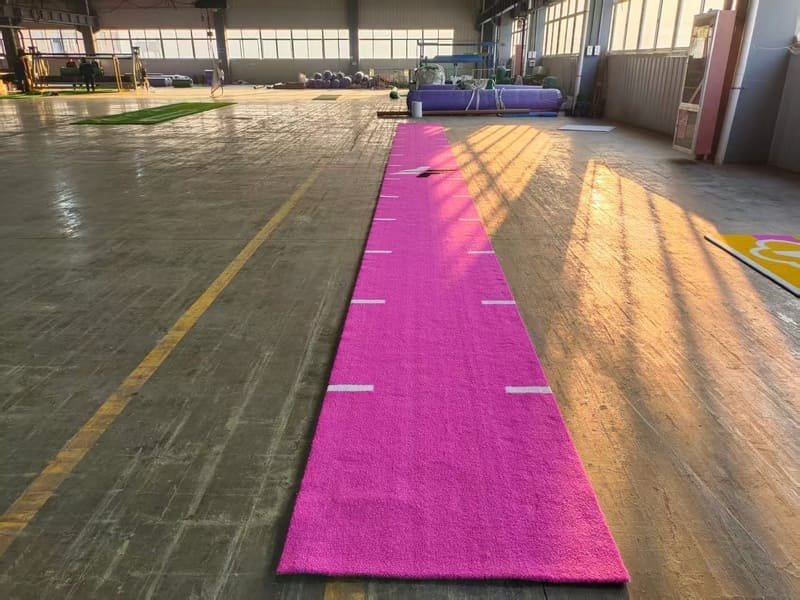
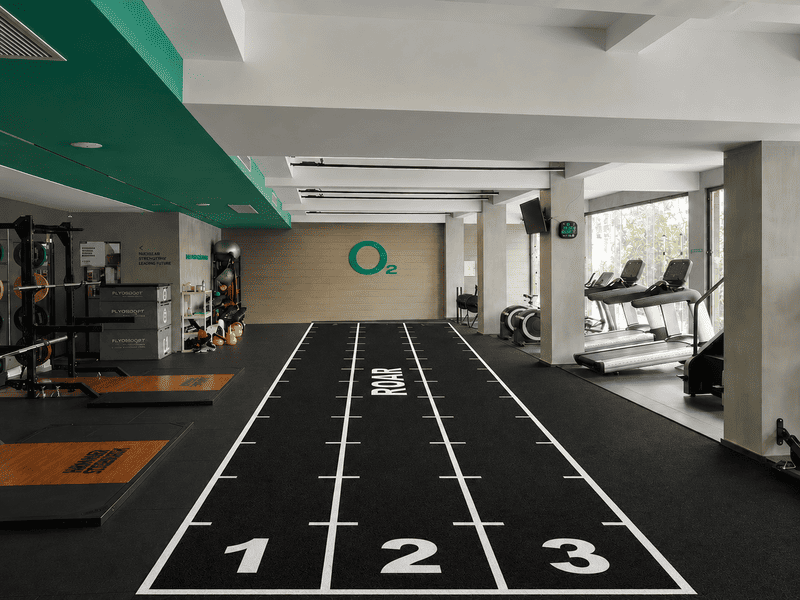
Use vibrant colors like blue, red, or yellow to define specific play and work zones through color psychology. Inlaid white lines and numbers can turn the floor into a functional tool for hopscotch or agility drills, while custom logos help build a strong sense of team identity for the kids.
Design is not just for looks; it is a functional tool. We often use vibrant colors to define different zones. For example, a blue area might be for "rest" and a green area for "sprints." Inlaid markings like white lines or numbers are great for "hopscotch" style agility drills. This turns the floor into a piece of equipment. I also see many gyms adding custom branding or logos. This builds a sense of pride and identity for the junior athletes. When I oversee the production of these custom mats, I ensure the inlaid colors are melted together perfectly so there are no seams to trip on.
Design Elements for Kids’ Gyms
| Элемент | Функциональная выгода | Engagement Factor |
|---|---|---|
| Bright Colors | Zone Delimitation | High energy and fun atmosphere. |
| Numbered Lines | Measurement & Drills | Gamifies the training experience. |
| Custom Logos | Brand Recognition | Builds a "team" feeling for kids. |
The key is making sure the inlaid parts are as durable as the rest of the turf. I check every seam to ensure it is flush. A bump in the logo is a trip hazard for a six-year-old. We make sure the design is beautiful, but more importantly, we make sure it is safe.
After you choose the design, proper installation is the only way to ensure the turf lasts.
What are the Best Installation and Maintenance Practices?
Choose non-infill turf for indoor areas to avoid mess and use a shock pad between 5mm and 10mm for extra safety. Maintain a regular cleaning routine with specialized sanitizers to keep the fibers hygienic and durable without causing damage to the material over time.
For indoor kids’ areas, I almost always recommend non-infill turf. Infill (like rubber crumbs) creates a mess and can be a choking hazard for smaller children. Instead, we use a shock pad underneath the turf, usually between 5mm and 10mm thick. This provides the "bounce" without the mess. Maintenance is also simple but necessary. You need a cleaning routine that uses non-toxic sanitizers. I’ve seen people use harsh bleach that ruins the fibers. We test our turf against various cleaners to ensure the color and strength stay perfect even after hundreds of washes.
Installation & Care Summary
| Задание | Рекомендация | Частота |
|---|---|---|
| Пылесос | Use a brush-less vacuum | 2-3 раза в неделю |
| Дезинфекция | Non-toxic, pH-neutral cleaner | Daily for high-traffic zones |
| Щетка | Synthetic bristle brush | Monthly to keep fibers upright |
I tell my customers that a good installation is 50% of the product’s life. If you glue it down wrong, it will wrinkle and trip someone. We provide detailed guides to ensure your floor stays flat and safe for the entire duration of its life.
Finally, let’s look at the common mistakes you must avoid to protect your investment.
What Common Pitfalls Should You Avoid?
Avoid choosing turf based on price alone, as cheap options are often abrasive or emit strong chemical odors. Never ignore drainage for outdoor setups and always ensure the turf has high enough density and proper edging to prevent "trip factors" that cause accidents in youth training zones.
The biggest mistake I see is choosing based on price alone. Cheap turf is almost always "scratchy" and has a strong chemical smell that won’t go away. This is a sign of low-quality plastic and high VOCs. Another pitfall is ignoring drainage for outdoor setups, which leads to mold. Lastly, never overlook the "trip factor." If the edging isn’t done right or the turf density is too low, it will curl at the edges. I have spent years identifying these failures in competitor products so that we can avoid them in our own manufacturing process.
Common Pitfalls and Solutions
| Pitfall | Последствия | QC Pro Solution |
|---|---|---|
| Buying Cheap Turf | Friction burns & bad odors | Insist on PE fibers and VOC certificates. |
| Низкая плотность | Rapid flattening & tripping | Buy turf with at least 18k+ stitch rate. |
| Poor Edging | Peeling and accidents | Use professional transition strips. |
My advice is to ask for a sample and smell it. If it smells like a chemical factory, don’t put it in a room with kids. We take pride in producing turf that is as clean as it is durable.
Заключение
Safety, softness, and durability equal the perfect kids’ turf. Choose PE fibers, high density, and non-toxic materials for success.
Need a hand choosing the right turf or want to see some real lab safety reports? Slide into my DMs—I’m happy to share my QC checklists and help you spec out the perfect safe zone for your junior athletes!