


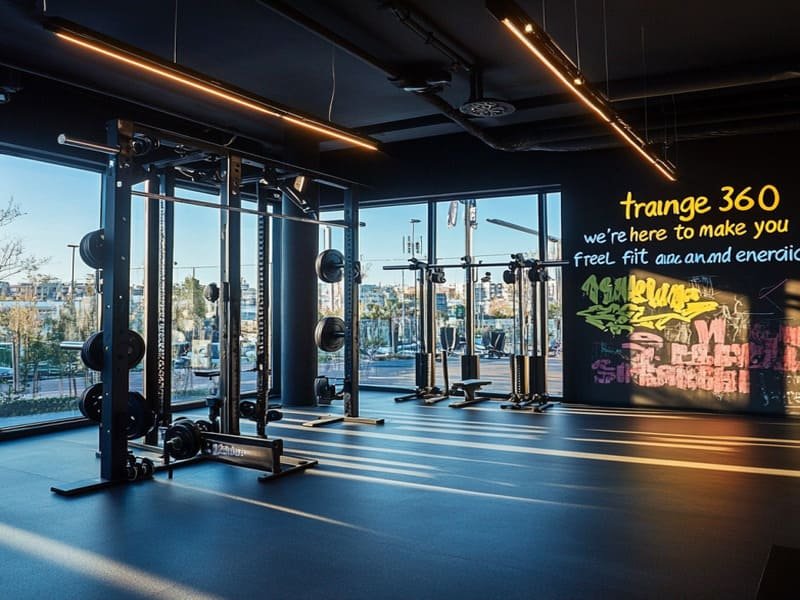
Сера выступает в качестве основного "мускула", который придает резиновым матам невероятную прочность и отскок, а ускорители контролируют скорость и качество производства. Вместе они создают высокоэффективное напольное покрытие, которое можно встретить в коммерческих спортивных залах, но они же являются главными виновниками запаха "новой резины" и возможного окрашивания пола.
Химия долговечности: Понимание вулканизации
Чтобы понять, почему пол в вашем спортзале может выдержать падение 200-килограммовой штанги, нам нужно заглянуть в химический горшок. В своей роли специалиста по контролю качества я часто объясняю клиентам, что сырая резина от природы мягкая, липкая и слабая - вспомните жевательную резинку на горячем тротуаре. У нее нет структурной целостности. Если бы мы делали коврики для спортзала из сырой резины без каких-либо добавок, они бы постоянно деформировались под весом беговой дорожки и плавились при высоких температурах.
Преобразование происходит во время процесса, называемого вулканизация. Это этап "выпечки", на котором мы смешиваем сырую резину с особым рецептом серы и ускорителей, а затем применяем интенсивное тепло и давление. В результате этой химической реакции резина переходит из пластичного состояния (поддается формовке) в эластичное (прочное и упругое). Без серы и ускорителей индустрия коммерческих напольных покрытий для тренажерных залов не существовала бы. Мы строго контролируем этот "рецепт" на заводе, потому что баланс должен быть идеальным: слишком мало химического реагента - и коврик становится слишком мягким; слишком много - и он становится хрупким.
| Компонент | Функция в производстве | Результат в виде конечного продукта |
|---|---|---|
| Сырая резина | Основной материал | Обеспечивает массу и потенциальную эластичность. |
| Сера | Крестообразный линкер | Создает "мостики" между молекулами для прочности. |
| Ускорители | Катализатор | Ускоряет отверждение; определяет качество поверхности. |
| Тепло/давление | Активатор | Запекайте смесь в твердой форме. |
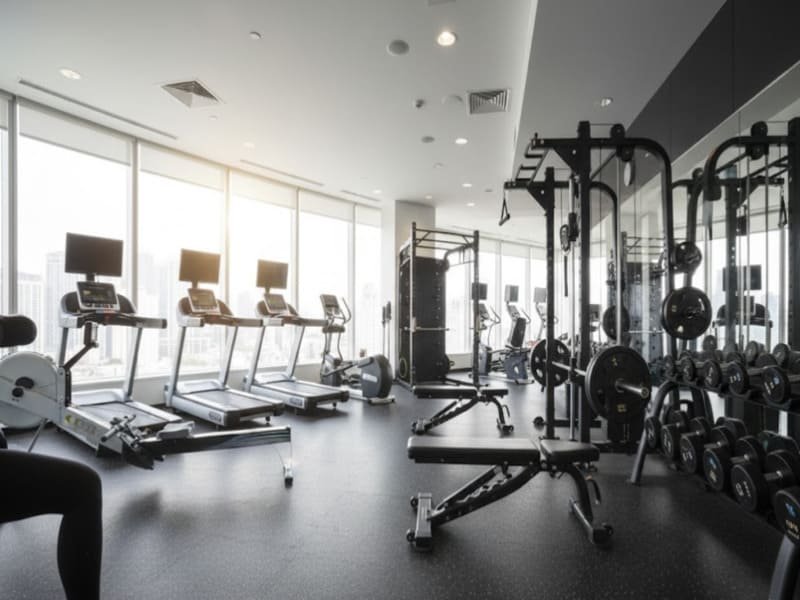
Теперь, когда мы поняли суть процесса, давайте рассмотрим особую роль серы - ингредиента, который придает мату прочность.
Как сера создает долговечность ковриков для спортзала?
Сера создает прочные химические "сшивки" между полимерными цепями резины, благодаря чему коврик возвращается к своей первоначальной форме после сильного удара. Однако этот процесс затвердевания также является основным источником характерного резинового запаха и риска окрашивания деревянных полов.
Сера: Обоюдоострый меч производительности
В лаборатории мы рассматриваем серу как "строитель мышц" резиновой смеси. В процессе нагревания атомы серы образуют прочные химические мостики - так называемые поперечные связи - между длинными, похожими на спагетти цепями каучуковых полимеров. Представьте себе веревочную лестницу: резиновые цепи - это боковые канаты, а сера - перекладины. Эти перекладины прочно удерживают конструкцию вместе. Когда тяжелый штангист падает на пол, серные связи растягиваются, поглощая энергию, и тут же защелкивают резину на место. Вот почему резина, вулканизированная серой, обладает такими превосходными свойствами прочность на разрыв и эластичность.
Однако сера также ответственна за две самые большие проблемы, которые я слышу от владельцев тренажерных залов:
- Запах: Не вся сера расходуется в процессе производства. Остаточные соединения серы выделяют отчетливый запах, который часто описывают как запах тухлых яиц или жженой резины.
- Миграция серы: Это серьезная проблема контроля качества. Со временем сера может выходить из резины и вступать в химическую реакцию с финишным покрытием паркетных или виниловых полов, вызывая стойкое желтое пятно. Это не дефект, а химическая особенность продуктов, отвержденных серой.
| Характеристика | Влияние серы | Примечание КК |
|---|---|---|
| Поглощение ударов | Высокий. Включает функцию "отскок". | Незаменим для зон со свободным весом. |
| Профиль запаха | От умеренного до сильного. | Рассеивается со временем, но имеет свойство сохраняться. |
| Безопасность пола | Риск окрашивания. | Пароизоляция рекомендуется для дерева/винила. |
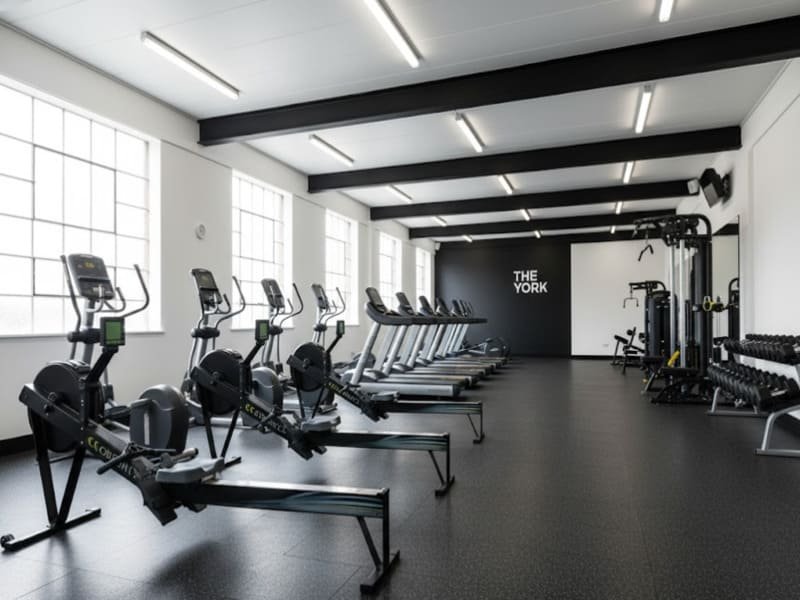
Хотя сера обеспечивает прочность, нам нужен еще один ингредиент, чтобы сделать процесс производства эффективным и стабильным. Этим занимаются ускорители.
Какую функцию выполняют ускорители в производстве?
Ускорители, такие как оксид цинка или стеариновая кислота, ускоряют процесс вулканизации, делая массовое производство возможным и экономически эффективным. Высококачественные ускорители обеспечивают полную и равномерную вулканизацию резины, в то время как некачественные составы могут привести к появлению дефектов поверхности, таких как "цветение", и более резких, неприятных химических запахов.
Скорость и контроль качества: Роль ускорителей
Если бы мы попытались вулканизировать резину, используя только серу, процесс был бы невероятно медленным и неэффективным, требующим многочасового нагрева, который может привести к разрушению резины. Ускорители действуют как "педаль газа". Они позволяют резине отвердевать за несколько минут, а не часов и при более низких температурах, сохраняя целостность материала. К распространенным ускорителям относятся оксид цинка и стеариновая кислота.
С точки зрения качества тип и качество от упаковки ускорителя зависит косметическая отделка и безопасность коврика.
- Выпуск "Цветение": Вы когда-нибудь видели резиновый коврик с белым, пыльным порошком на поверхности, который появляется снова даже после чистки? Это называется "цветение". Это происходит при использовании некачественных или чрезмерных ускорителей. Непрореагировавшие химикаты мигрируют на поверхность и кристаллизуются. Это выглядит непрофессионально и может быть скользким.
- Чувствительность: Хотя некоторые ускорители редко встречаются в напольных покрытиях, по сравнению с латексными перчатками, они могут вызывать чувствительность кожи. При проверке мы убеждаемся, что пакет ускорителей полностью прореагировал на этапе нагрева, чтобы минимизировать количество свободных химических веществ на поверхности, гарантируя безопасность продукта для спортсменов, выполняющих упражнения на полу.
| Качество ускорителя | Визуальное последствие | Влияние на производительность |
|---|---|---|
| Баланс высокого класса | Гладкое, равномерное черное покрытие. | Стабильное отверждение, минимальное газовыделение. |
| Низкий балл/высший балл | Белое напыление ("Цветение"). | Скользкая поверхность, повышенное содержание летучих органических соединений. |
| Неправильное смешивание | Липкие или хрупкие пятна. | Разрушение мата под нагрузкой. |
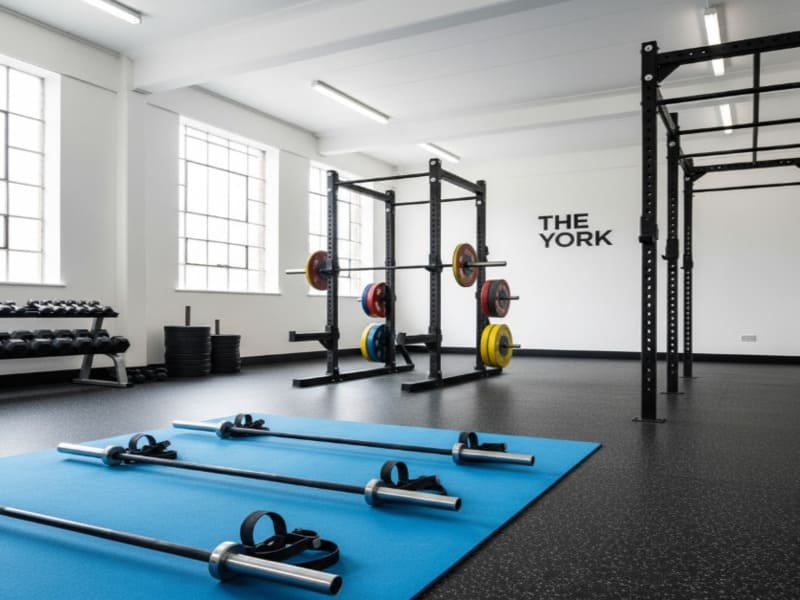
Объяснив химический состав, давайте разберемся с самым распространенным вопросом, который мне задают владельцы тренажерных залов: запах.
Почему резиновые коврики для спортзала пахнут и опасно ли это?
Запах "нового автомобиля", которым пахнут маты для тренажерного зала, обусловлен выделением избыточного количества серы и летучих органических соединений (ЛОС) из ускорителей, который обычно значительно исчезает в течение двух-четырех недель. Хотя поначалу запах может быть сильным, выбор матов с низким содержанием летучих органических соединений гарантирует, что он будет временным раздражителем, а не долгосрочным риском для здоровья.
Расшифровка запаха: ЛОС и газовыделение
Я постоянно сталкиваюсь с этой проблемой. Клиент открывает партию, ощущает тяжелый запах резины и беспокоится о токсичности. Вот реальность с заводского цеха: "Свежая" резина пахнет, потому что она все еще оседает. Тепло от производства ушло, но химикаты (сера и ускорители) все еще стабилизируются. В результате этого процесса выделяются летучие органические соединения (ЛОС).
Для стандартной черной резины с серной вулканизацией (изготовленной из переработанных шин) запах неизбежен, но с ним можно справиться.
- Временная шкала: В хорошо проветриваемом помещении 70-80% запах обычно исчезает в течение первых 30 дней.
- Проверка безопасности: Сильный запах не означает автоматически "токсичный". Однако, как специалист по контролю качества, я всегда проверяю паспорта безопасности. В высококачественных матах используются полиуретановые связующие, которые не содержат летучих органических соединений.
- Решение с низким содержанием окислов: Если клиент очень чувствителен (например, для студии йоги или небольшого домашнего подвала), мы рекомендуем смеси с высоким содержанием EPDM или полиуретана. В них часто используются различные системы полимеризации, которые лучше удерживают запах. Но для тяжелых тренажерных залов этот запах серы на самом деле является запахом долговечности.
| Интенсивность запаха | Вероятная причина | Рекомендуемое действие |
|---|---|---|
| Высокий (Гнилое яйцо) | Свежая резина с серной вулканизацией. | Проветрите помещение, подождите 2-4 недели. |
| Sharp Chemical | Дешевые ускорители/клей. | Проверьте MSDS на соответствие летучим органическим соединениям. |
| Нейтральный/Низкий | EPDM или старые запасы. | Идеально подходит для небольших закрытых помещений. |
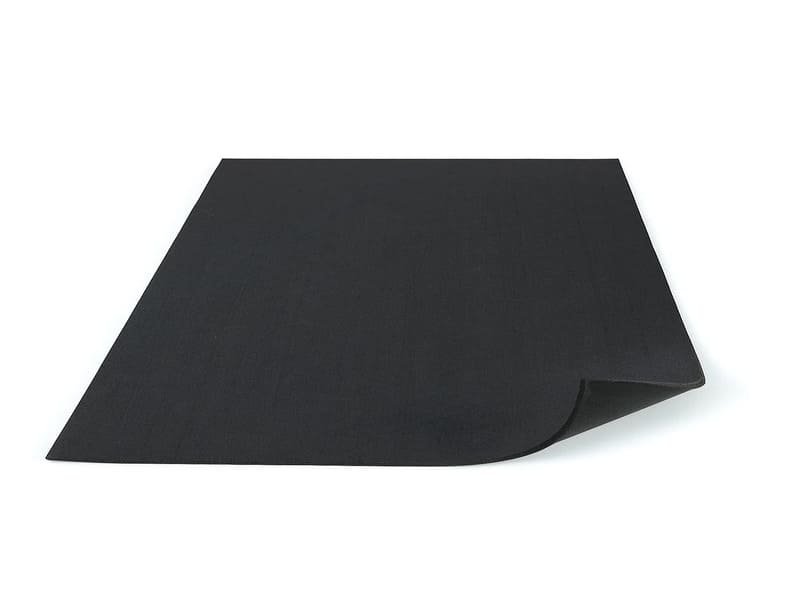
Если запах или возможное окрашивание являются для вас решающим фактором, существует альтернативный вариант производства.
Что выбрать: серный или бессерный пол?
Резина с серной вулканизацией обеспечивает превосходную долговечность и прочность на разрыв при более низкой цене, что делает ее стандартом для коммерческих спортзалов, в то время как варианты без серы (с пероксидной вулканизацией) устраняют пятна на полу и запахи, но имеют значительно более высокую цену.
Компромисс: производительность и совершенствование
В производстве мы разделяем резиновые коврики на две основные системы вулканизации: Серная вулканизация (стандартная) и пероксидная вулканизация (часто продается как "без серы"). Ваш выбор зависит исключительно от вашего бюджета и вашего основания.
Сернистый (рабочая лошадка):
Большинство черных спортивных матов изготавливаются именно таким способом. Это экономически выгодно и создает невероятно прочные соединения. Если вы бросаете тяжелые штанги, вам нужна резина с серным покрытием, потому что она обладает более высокой динамической усталостной прочностью - она может выдерживать многократные удары, не трескаясь.
Лучше всего подходит для: Коммерческие тренажерные залы, кроссфит-боксы, гаражи с бетонными полами (Примечание: эти материалы часто поставляются в виде Что такое резиновый рулонный пол для тренажерного зала? благодаря их беспроблемной эксплуатации в зонах с высокой ударной нагрузкой).
Отверждение перекисью (выбор премиум-класса):
В этом процессе вместо серы используются органические пероксиды. Связи получаются более чистыми и термостойкими. Благодаря отсутствию мигрирующей серы, паркетный пол не желтеет. Он также практически не имеет запаха. Однако процесс производства более медленный, а сырье - более дорогое.
- Лучшее для: Роскошные домашние спортзалы, студии с деревянными полами, помещения с плохой вентиляцией.
| Характеристика | Сернистый | Пероксидное отверждение (без серы) |
|---|---|---|
| Стоимость | Доступный ($) | Дорого ($$$) |
| Запах | Отличительный запах резины | Очень низкий / нейтральный |
| Риск окрашивания | Высокий (желтое дерево/винил) | Не окрашивающийся |
| Долговечность | Превосходно (высокая растяжимость) | Хорошо (высокая термостойкость) |
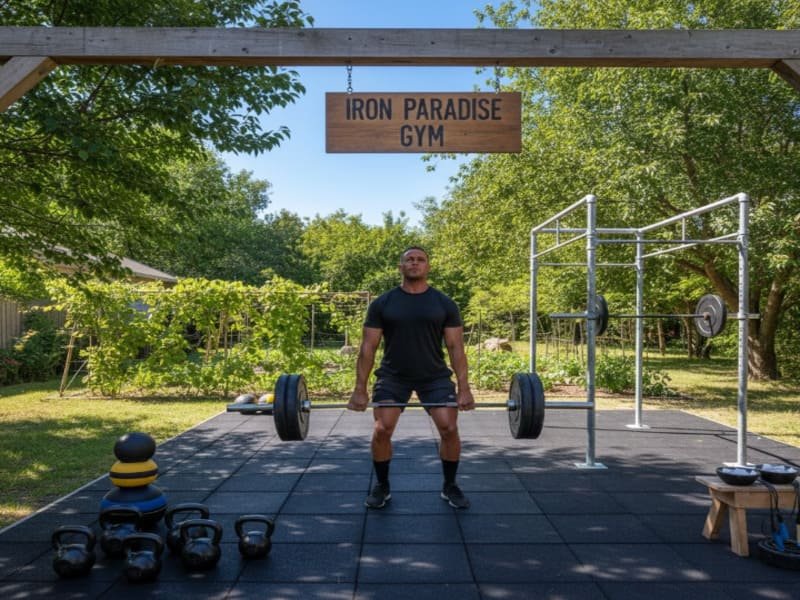
Прежде чем мы закончим, я хочу дать вам четкое резюме, чтобы вы могли мгновенно принять правильное решение.
TL;DR: "Ну и что?" - Руководство по быстрому принятию решений
Если вы владелец тренажерного зала или владелец дома, вам не нужно быть химиком, чтобы сделать правильный выбор. Вот основные сведения о том, как сера и ускорители влияют на ваше решение о покупке.
Ваша матрица решений
Основываясь на своем опыте и помогая сотням клиентов выбрать подходящий пол, я разбил это на простые сценарии "Если/То".
-
Если вы поднимаете тяжелые веса (Deadlifts/Olympic Lifting):
- Вердикт: Придерживайтесь Сернистый.
- Почему: Вам нужна превосходная прочность "поперечных связей" и способность к отскоку, которую обеспечивает сера. Это самый прочный вариант для ударов.
-
Если у вас под ногами хороший паркетный, виниловый или ламинатный пол:
- Вердикт: Перейти на сайт Без серы (или используйте пароизоляцию).
- Почему: Сера будет мигрируют и окрашивают древесину в желтый цвет. Если вы вынуждены использовать серные маты, между ними необходимо проложить слой крафт-бумаги или полиэтиленовой пленки.
-
Если вы чувствительны к запахам (или у вас маленький подвал без окон):
- Вердикт: Перейти на сайт Бессернистый / EPDM.
- Почему: Запах серы, похожий на запах тухлых яиц, выветривается в течение нескольких недель. В маленькой комнате это может быть просто непреодолимо.
-
Если вы видите белый порошок на коврике (Цветение):
- Вердикт: Это признак того, что Низкокачественные ускорители.
- Почему: Это означает, что производитель использовал дешевую смесь или не затвердел должным образом. Избегайте таких брендов. (Чтобы получить больше советов экспертов по проверке поставщиков и материалов, ознакомьтесь с нашим контрольным списком "Что нужно знать перед выбором и установкой резинового напольного покрытия для тренажерного зала?
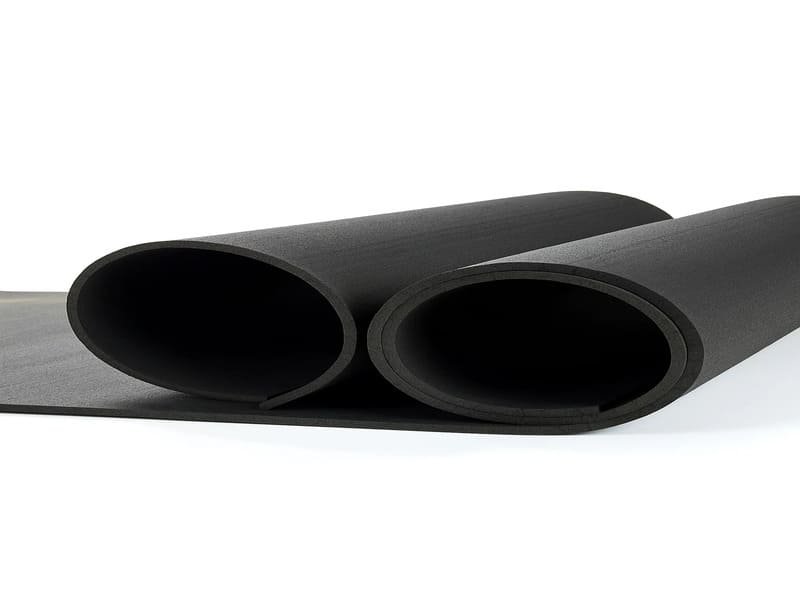
Этот раздел - ваша шпаргалка. Сопоставьте потребности вашего предприятия с химическим составом, и вы получите нужный продукт.
Заключение
Сера и ускорители - необходимое зло в мире резиновых напольных покрытий. Хотя они отвечают за запах и потенциальные проблемы с пятнами, именно благодаря им резиновые коврики безопасны, долговечны и амортизируют. Зная эти ингредиенты, вы сможете подобрать оптимальный баланс характеристик и комфорта для вашего конкретного помещения.
Все еще не уверены, какой тип подойдет для вашего зала?
Понять спецификацию может быть непросто. Если вы хотите проверить качество самостоятельно, свяжитесь с моей командой. Мы можем выслать вам набор образцов для сравнения, чтобы вы могли провести "тест на нюх" и почувствовать разницу в материалах перед заказом.