


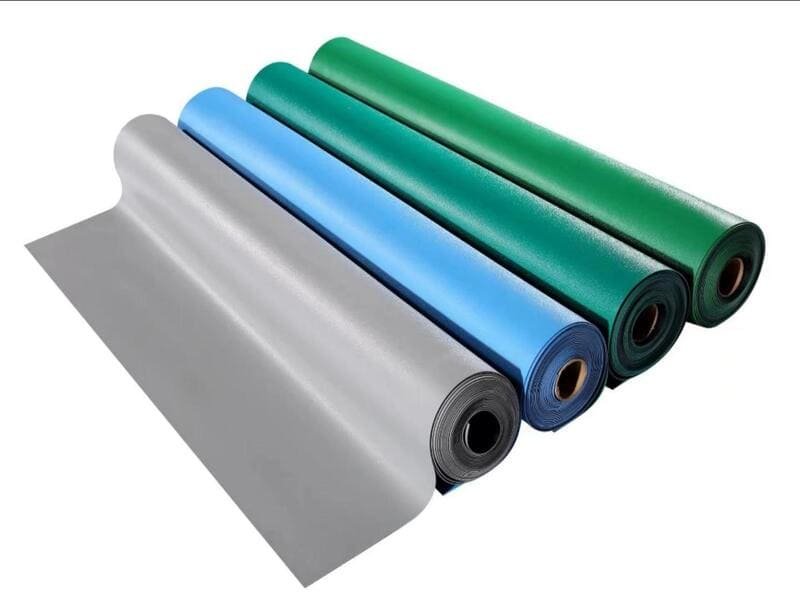
PVC sheet flooring lasts longest when you prep the subfloor correctly, use the right adhesive with full roller transfer, and clean it weekly with a neutral pH cleaner. Skip any step and you risk bubbling, seams that lift, or early wear.
I have spent years on the manufacturing side of PVC sheet flooring, working with installers and product teams to solve the same problems again and again. Most installation failures I see do not come from bad material. They come from rushed prep work and shortcuts on adhesive transfer. PVC sheet flooring is popular for good reason. It resists water, it gives you a seamless surface with no grout lines to trap dirt, and it holds up in high-traffic spaces at a lower cost than many hard surface options. But that performance only shows up when the install is done right.
The most common pain points I hear from installers are seams that lift after a few months, bubbles that appear under the sheet, and stains that will not come out no matter how hard you scrub. Almost all of these trace back to two things: subfloor moisture and adhesive transfer. In this guide, I will walk you through the full process, from the tools you need before you start, to the exact steps for laying and sealing the floor, to the maintenance routine that keeps it looking new for years. If you follow this from prep to care, you will avoid the callbacks and repairs that eat into your time and budget.
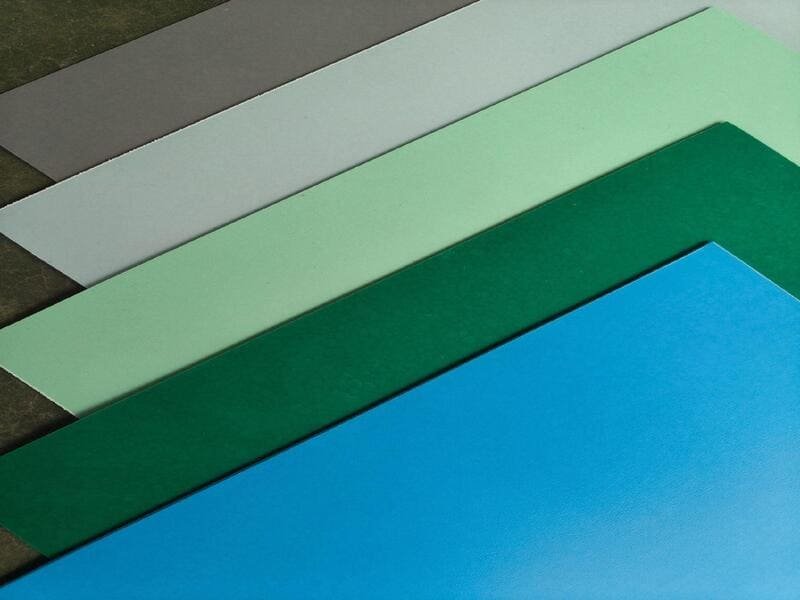
Before you pick up a trowel, let’s talk about what happens before the sheet ever touches the floor. This is the stage most people rush, and it is the stage that decides whether your install lasts five years or twenty.
What Tools And Materials Do You Need Before Installing PVC Sheet Flooring?
You need a utility knife with concave blades, a notched trowel, a seam roller, a 75-100 lb floor roller, manufacturer-approved adhesive, and seam sealer or welding rod. For commercial jobs, add a heat welding gun.
Here is the full checklist I give to installers before any job starts:
| Категория | Товары |
|---|---|
| Резка | Utility knife with concave blades, straightedge, chalk line |
| Нанесение клея | Notched trowel (size matches adhesive spec), seam roller |
| Уплотнение | 75-100 lb floor roller |
| Швы | Seam sealer or welding rod, heat welding gun (commercial) |
| Подготовка основания | Patching compound, moisture barrier if needed |
The notched trowel size matters more than people think. A trowel notch that is too shallow starves the adhesive and leads to poor transfer, which shows up later as bubbling. A notch that is too deep wastes adhesive and can cause it to squeeze up through the seams. Always match the trowel to the adhesive manufacturer’s spec sheet, not just what you have in the truck. The 75-100 lb roller is not optional for anything beyond a small closet. It is the tool that forces full adhesive contact across the sheet, and skipping it is one of the top causes of early bubbling I see in the field.
Getting your tools right sets you up for the next step, which is just as easy to rush: letting the material and the room reach the right condition before you even start cutting.
Why Does PVC Sheet Flooring Need To Acclimatize Before Installation?
PVC sheet flooring needs 24-48 hours at room temperature before installation to prevent shrinkage and buckling after the floor is laid.
PVC is a thermoplastic material, which means it expands and contracts with temperature. If you install a roll straight off a cold delivery truck, it will still be adjusting its dimensions after the adhesive sets, and that movement can telegraph through as ripples or gaps at the seams weeks later. I recommend keeping the rolls flat or standing in the installation room, at 65°F to 85°F (18°C to 29°C), with relative humidity between 40% and 65%, for a minimum of 24 hours, and 48 hours if the delivery came from a very different climate. This is a simple step, but it is one of the easiest to skip when a job is running behind schedule, and it is not worth the risk.
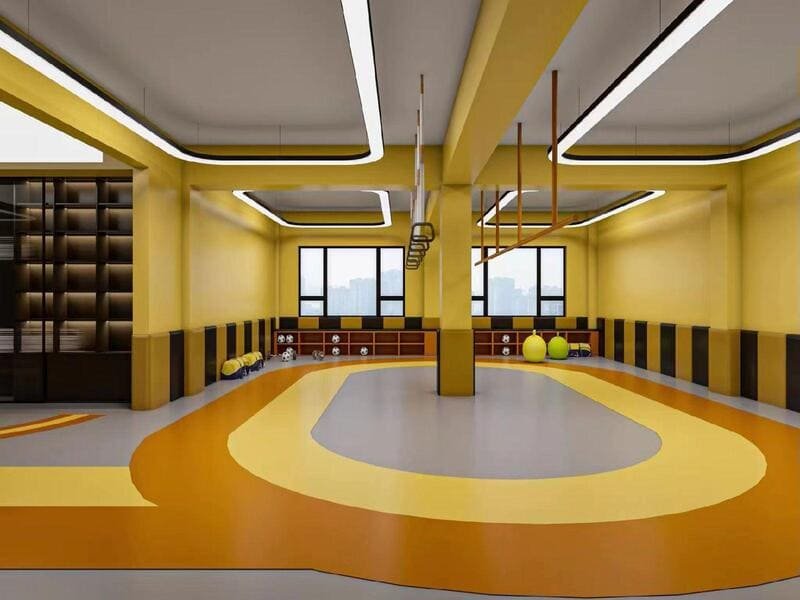
Once the material is stable, the next question is whether the floor underneath it is stable too. This is the step I consider the real make-or-break point of the entire job.
How Do You Prepare A Subfloor For PVC Sheet Flooring?
Concrete subfloors need a moisture test, crack repair, and a clean, dust-free surface. Wood subfloors need structural stability, countersunk screws, and sanded joints. Old flooring needs an overlay or tear-out decision based on its condition.
Бетонные полы
Moisture is the number one hidden cause of adhesive failure and bubbling. I recommend a Calcium Chloride test (ASTM F1869) or an in-situ RH probe test (ASTM F2170) before any adhesive goes down. Most PVC flooring adhesives require moisture vapor emission below 3-5 lbs per 1,000 sq ft per 24 hours, and RH below 75-80%, but always check your specific adhesive’s data sheet since tolerances vary by product. Patch cracks and low spots with a cementitious patching compound, then clean off all dust, oil, and old adhesive residue. Any residue left behind acts as a bond breaker.
Plywood And Wood Subfloors
Check for structural stability first. Loose boards or excessive deflection will show through the finished floor over time. Countersink all screws so no fastener head sits proud, and sand any joints flush so they do not telegraph through the thin PVC sheet.
Installing Over Existing Flooring
Whether you can install over old tile or vinyl depends on the condition of that existing floor. If it is flat, well-bonded, and free of texture that would show through, an overlay can work with the right underlayment. If it has cushioning, deep texture, or any sign of moisture damage, tear-out is the safer path. When in doubt, tear it out. A bad subfloor decision here is expensive to fix later.
Subfloor prep takes time, and it is tempting to speed through it when a client wants the job finished fast. But every hour spent here saves several hours of callback repairs down the line. With the subfloor ready, you are finally set to measure, cut, and lay the sheet.
How Do You Install PVC Sheet Flooring Step By Step?
Measure the room with 5-10% extra for waste, cut and fit the sheet using direct or scribing methods, apply adhesive with the correct trowel notch, roll the floor from the center outward, then seal the seams with cold or heat welding.
Step 1: Measuring And Layout Planning
Measure the full space and add 5-10% extra material to account for pattern matching and cutting waste. Plan your seam placement away from doorways and high-traffic paths whenever the room layout allows it. Seams placed in low-traffic zones simply last longer under foot pressure.
Step 2: Cutting And Fitting
For simple square rooms, a direct fitting method with straight cuts along a chalk line works well. For rooms with pipes, cabinets, or irregular walls, use a scribing method: template the shape with cardboard or a compass tool, then transfer that pattern to the sheet before cutting.
Шаг 3: Нанесение клея
Choose the adhesive based on the application: acrylic and pressure-sensitive adhesives suit many residential and light commercial jobs, while polyurethane adhesives handle heavier commercial and wet-area demands. Apply with the trowel notch size specified by the adhesive manufacturer, and respect the open time. Most adhesives need a flash-off period before the sheet is set into them; setting too early or too late both weaken the bond.
Step 4: Rolling The Floor
Use the 75-100 lb roller starting at the center of the sheet and working outward toward the edges. This pushes trapped air out ahead of the roller and forces full adhesive transfer across the entire sheet. Skipping this step, or rolling with too light a roller, is the single most common cause of bubbling I see reported after installation.
Step 5: Seam Sealing
Cold welding (chemical seam sealing) uses a liquid seam sealer that chemically fuses the seam edges. It works well for residential and light commercial jobs and is faster to apply.
Heat welding (thermal seam sealing) is the standard for commercial and healthcare environments where seams need to be fully sealed against moisture and bacteria. The process involves grooving the seam, feeding a matching welding rod through a heat gun into the groove, then trimming the excess rod flush once it cools.
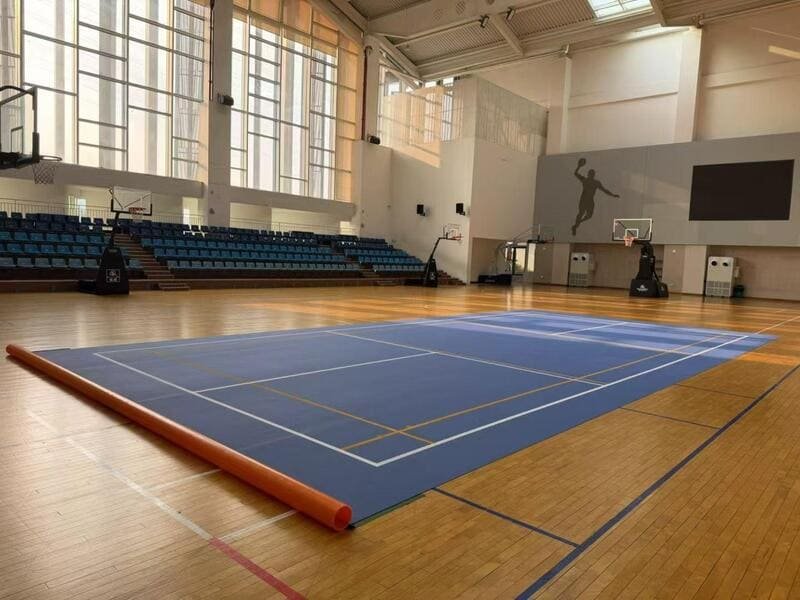
Once the sheet is down and the seams are sealed, the job is not quite finished. What you do in the next 72 hours affects how well that adhesive bond cures.
How Long Should You Wait Before Using A Newly Installed PVC Floor?
Wait 24 hours before walking on a new PVC sheet floor, and 48-72 hours before moving heavy furniture back onto it, to give the adhesive time to fully cure.
The adhesive needs this curing window to reach full bond strength. Foot traffic too early can shift the sheet slightly before the bond sets, and heavy furniture placed too soon can create permanent indentations in a floor that has not fully cured. During initial cleanup, remove any excess adhesive residue with the method recommended by the adhesive manufacturer, and avoid aggressive scrubbing that could dull the protective wear layer before it has had a chance to fully harden.
Getting through installation is half the story. The other half is what keeps that floor performing for the next ten or twenty years, and that comes down to routine care.
How Should You Clean And Maintain PVC Sheet Flooring?
Sweep or vacuum with a soft brush attachment to remove grit, damp mop with a neutral pH cleaner, and avoid bleach, ammonia, or abrasive cleaners that break down the polyurethane wear layer.
Daily And Weekly Routine Cleaning
Sweep or vacuum with a soft brush attachment regularly. Loose grit acts like sandpaper under foot traffic and will scratch the wear layer over time. Damp mop with a neutral pH cleaner. Bleach, ammonia, and harsh abrasive cleaners break down the polyurethane topcoat that gives PVC flooring its stain and scratch resistance, which shortens the floor’s usable life.
Deep Cleaning And Periodic Restoration
For scuff marks, heel prints, and ground-in dirt, a machine scrubber with a neutral cleaner handles most buildup. Depending on the specific wear layer type of your PVC flooring, a fresh coat of floor finish can restore shine and add a protective layer, though not all PVC wear layers require or accept a topical finish, so check your product’s care guide first.
Preventive Protection
- Use felt pads under furniture legs to prevent scratching.
- Place non-staining rubber or vinyl-backed mats at entryways to trap grit before it reaches the floor.
- Manage direct sunlight exposure, since prolonged UV exposure can fade PVC flooring over time.
Even with good care, floors sometimes develop problems. Knowing what causes each issue makes fixing it much faster.
What Causes Common Problems In PVC Sheet Flooring And How Do You Fix Them?
Bubbling usually comes from trapped air or subfloor moisture, seam separation from moisture ingress or the wrong sealer, discoloration from adhesive bleed-through, and dents from heavy point loads without load distribution.
| Проблема | Коренная причина | Решение |
|---|---|---|
| Bubbling or blistering | Trapped air or subfloor moisture/gas | Puncture and re-inject adhesive, or address subfloor moisture at the source |
| Seam separation or lifting | Incorrect seam sealer or moisture ingress | Re-seal the seam or apply heat-welding repair |
| Discoloration or yellowing | Adhesive bleed-through or chemical reaction with rubber mats | Prevent contact with rubber-backed mats; replace affected sections |
| Dents or indentations | Heavy point loads without load distributors | Use load-distributing furniture cups; apply restorative heat treatment or replace the affected tile/section |
Most of these issues trace back to the same two root causes I mentioned at the start: moisture and adhesive transfer. If your install addressed both correctly, the majority of these problems simply will not appear.
Заключение
Get the subfloor moisture-tested, transfer adhesive fully with a proper roller pass, and clean with a neutral pH product. These three habits are what separate a PVC sheet floor that looks new after ten years from one that needs early repairs.
Часто задаваемые вопросы
Can I install PVC sheet flooring over old vinyl tile?
Yes, if the existing floor is flat, well-bonded, and free of moisture damage. If the old flooring has texture, cushioning, or any moisture history, tear-out is the safer choice before installing new PVC sheet flooring.
What adhesive open time should I follow for PVC sheet flooring?
Open time varies by adhesive type and job site conditions like temperature and humidity, so always follow the specific product data sheet. Setting the sheet too early or too late both weaken the final bond.
Does PVC sheet flooring need heat welding or is cold welding enough?
Cold welding works well for most residential and light commercial jobs. Heat welding is the better choice for commercial and healthcare spaces that need fully sealed, moisture-resistant seams.
Why is my new PVC floor bubbling a few weeks after installation?
This is most often trapped air from an incomplete roller pass, or moisture vapor coming up from the subfloor that was not tested before installation.
Об авторе
I work on the manufacturing and R&D side of PVC sheet flooring, with hands-on experience supporting custom and bulk production for commercial, healthcare, and residential projects. My work focuses on manufacturing process optimization, material performance, and helping product teams solve design and application challenges early, before they turn into costly field issues.
Have a specific installation challenge, a custom PVC sheet flooring project, or a design question you want to work through together? Send me a message and let’s talk it through.