


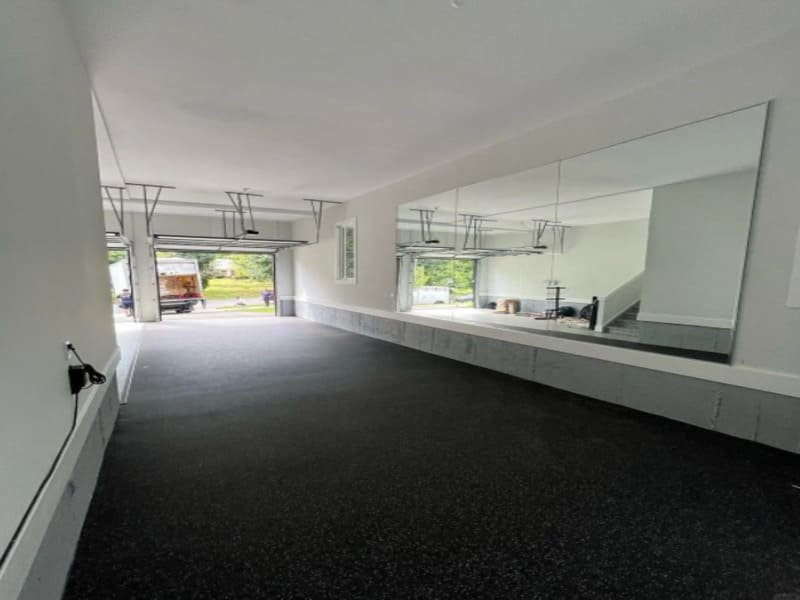
Have you ever walked into your gym in the morning and noticed a fine grey dust on your black mats, or found the edges curling? This isn’t always a manufacturing defect; it is a chemical battle. While all rubber eventually ages, the speed of this decay depends entirely on three invisible enemies: Heat, UV light, and Oxygen.
As a production manager who has spent years overseeing the vulcanization of rubber flooring, I often hear gym owners ask a critical question: "How many years will this floor last before it degrades?" The answer is rooted in science. All elastomers—the technical term for rubber materials—are organic. Just like your skin reacting to the sun, rubber reacts to its environment. However, the difference between a floor that starts cracking in 6 months and one that lasts 10 years lies in the material type and the environment it lives in.
The aging process is rarely caused by a single factor. It is a synergistic attack. Oxygen constantly tries to break down the molecular structure, UV light bombards the surface with high energy, and heat accelerates these reactions. In our factory, we design formulas specifically to fight this trio. But to make the right purchasing decision, you need to know exactly how fast this happens and how to spot the difference between natural aging and a bad product. In this guide, I will break down the timeline of degradation and how to identify quality issues.
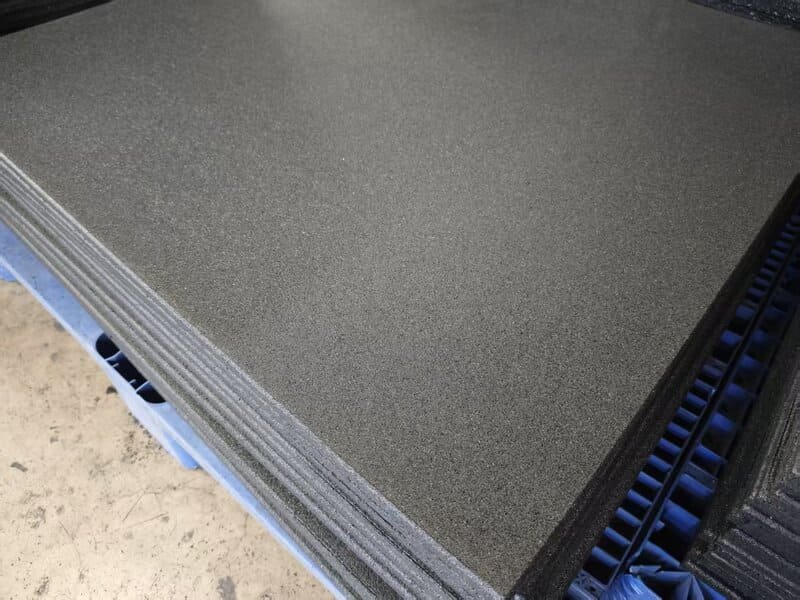
First, let’s briefly understand the invisible forces at work before we get into the specific lifespans of different rubber types.
What Are the "Big Three" Enemies of Rubber Flooring?
The degradation of rubber is primarily driven by Oxygen, UV light, and Heat. Each of these elements attacks the rubber polymer in a unique way, leading to specific symptoms like stickiness, cracking, or fading. Understanding these mechanisms helps you identify the root cause of your flooring issues.
In the lab, we categorize rubber failure modes to improve our formulas. When we analyze a failed mat, we look for specific chemical signatures. It is crucial for you to recognize these signs so you can assess the health of your facility’s flooring.
Here is a technical breakdown of how these elements destroy rubber:
| Enemy | Technical Mechanism | The "Factory Floor" Explanation | Visible Symptoms |
|---|---|---|---|
| Oxygen | Chain Scission (Oxidation) | Oxygen acts like invisible scissors. It attacks the long polymer chains that give rubber its elasticity, cutting them into shorter, weaker segments. | The surface becomes soft, sticky, or loses its tensile strength. The mat might tear easily under stress. |
| UV Light | Photo-Oxidation | UV rays carry high energy that breaks the chemical bonds on the very top layer of the material. This is a surface-level attack. | Chalking. That grey or white dust you see is actually "dead" rubber particles detaching. Black mats turn grey near windows. |
| Heat | Thermal Degradation | Heat acts as a catalyst. It accelerates oxidation and can cause Cross-Linking, where the rubber cooks further and tightens up. | The rubber loses flexibility and becomes hard and brittle. When a heavy weight drops, the mat cracks instead of bouncing. |
I also need to mention Ozone. Even if your gym isn’t in direct sunlight, ground-level ozone (common in cities) attacks the double bonds in rubber, creating tiny, spider-web cracks known as "crazing."
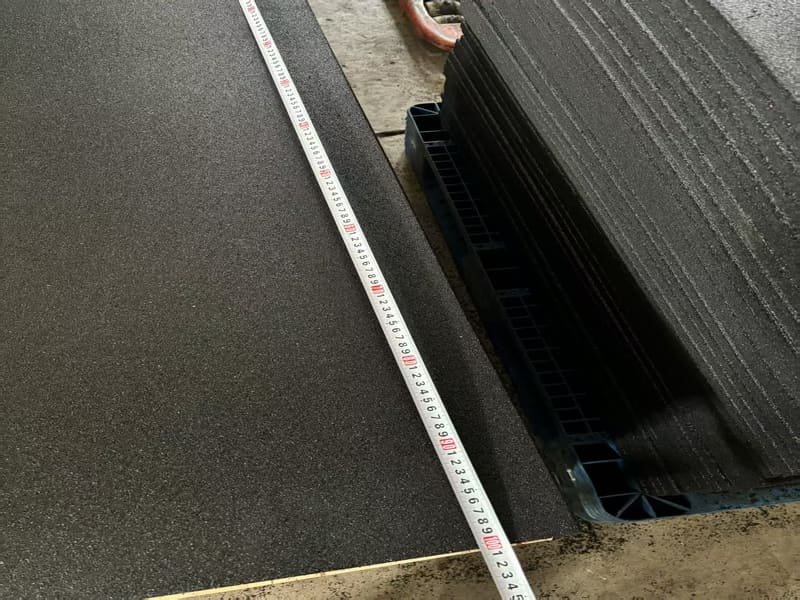
Now that we know como it happens, the million-dollar question is: How fast does it happen, and does the type of rubber matter?
How Fast Does Rubber Degrade? (SBR vs. EPDM vs. Virgin Rubber)
The lifespan of rubber flooring varies drastically based on the material composition and UV exposure. While standard SBR rubber may show signs of aging within months under direct sunlight, EPDM or virgin rubber blends can resist degradation for years. Choosing the right material for your specific environment is the key to longevity.
This is where many buyers get confused. They see "rubber flooring" and assume it is all the same. It is not. From a manufacturing perspective, the polymer base dictates the aging timeline.
Here is the realistic data regarding aging timelines based on my experience in production and field testing:
1. The "Chalking" Timeline for SBR (Standard Black Mats)
Recycled SBR (tire rubber) is excellent for impact absorption but has poor UV resistance.
- Indoors (No Direct Sun): A high-quality stabilized SBR mat will last 5 a 8 anos before showing significant hardening or oxidation.
- Window Areas (Direct UV): Without UV stabilizers, you will see "chalking" (grey dust) within 6 to 12 months. The surface will start to look "ashy." This is chemically inevitable for basic SBR.
2. The Material Comparison Table
To help you choose, I have compiled this comparison based on accelerated aging tests:
| Tipo de borracha | Resistência aos raios UV | Resistência ao calor | Typical Aging Pattern | Melhor aplicação |
|---|---|---|---|---|
| SBR reciclado (Standard) | Baixo | Moderado | Surface chalking, gradual hardening over time. | Indoor weight rooms, away from windows. |
| EPDM (Colored Granules) | Elevado | Elevado | Minimal fading. Retains flexibility for years even in sun. | Outdoor areas, window zones, playgrounds. |
| Borracha virgem (Vulcanized) | Moderado a elevado | Elevado | Very slow aging. Resistant to moisture and sweat. | High-end commercial gyms, non-porous requirements. |
Dica profissional: If you have a gym with floor-to-ceiling windows, do not use 100% black SBR mats right next to the glass unless they are specifically formulated with high doses of UV stabilizers.
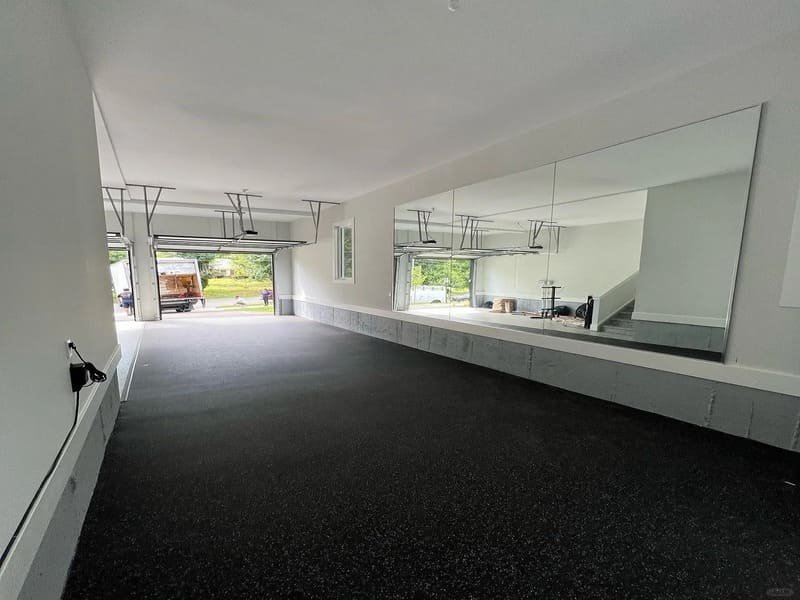
But what if your floor is failing way faster than these timelines? It might not be natural aging; it might be a defect.
Is It Normal Aging or a Manufacturing Defect? (The Checklist)
It is essential to distinguish between the natural, slow degradation of rubber and premature failure caused by poor manufacturing. While slight color fading over years is normal, rapid crumbling, sticky spots, or foul odors are clear indicators of production defects that you should not accept.
As a manufacturer, I stand by my products, but I also know what "bad" production looks like. If you are disputing a claim with a supplier or evaluating your current floor, use this checklist to determine if you have a warranty case or just old mats.
Scenario A: Normal Aging (The Natural Process)
- Uniform Greying: The entire area exposed to light fades evenly over 2+ years.
- Surface Powder: A fine dust appears after extensive use and cleaning (abrasion + mild oxidation).
- Edge Curling (Long Term): Slight curling after 5-7 years due to repeated thermal expansion and contraction cycles.
Scenario B: Manufacturing Defects (The "Bad Batch")
- Sticky Spots: If you find patches that feel like glue or tar, this is Binder Migration. It means the ratio of PU binder to rubber granules was wrong, or the mixing was incomplete. This is a defect.
- Rapid Crumbling: If the mat starts shedding large granules within the first 3 months, it indicates Under-Curing (not enough heat/pressure in the press) or insufficient binder.
- Strong, Sour Smell: A strong chemical smell that persists for months often indicates the use of "sour" or unrefined recycled rubber (cheap raw materials). Quality rubber should be neutral within weeks.
Once you have confirmed your floor is healthy and high-quality, how do you keep it that way?
How Can You Extend the Life of Your Gym Floor?
While you cannot control the laws of chemistry, you can manage the environment to prolong your floor’s lifespan. Simple actions like rotating mats, using protective sealers, and avoiding harsh cleaning chemicals can add years to your investment and maintain the professional look of your facility.
We put a lot of effort into making durable mats, but improper care can ruin them fast. Here are practical steps to fight back against Heat, UV, and Oxygen:
1. Rotate Your Mats (The Tire Strategy)
Just like rotating car tires, rotate your gym mats. If you have mats near a sunny window, they are taking 10x the UV damage of the mats in the corner. Every 6 months, swap the "window mats" with the "corner mats." This ensures the aging is distributed evenly, preventing one section from looking "dead" while the rest looks new.
2. Seal the Surface
If your mats are SBR and starting to chalk, you can apply a PU (Polyurethane) sealer. This creates a sacrificial layer. The oxygen attacks the sealer instead of the rubber. It acts like a clear coat on a car, restoring the deep black look and stopping the dust.
3. Cleaning Caution
Do not use bleach or acidic cleaners. During manufacturing, we rely on "wax blooms"—protective waxes that migrate to the surface to block ozone. Harsh chemicals strip this natural defense, leaving the rubber naked. Stick to pH-neutral cleaners specifically designed for rubber.
Taking these steps can double the usable life of your flooring, but it all starts with the material you choose.
Conclusion: Durability is a Choice
Aging is a chemical certainty, but durability is a choice. You cannot stop UV and Oxygen, but you can choose flooring engineered to resist them.
Don’t leave your gym’s foundation to chance. If you are unsure which material suits your facility—SBR for value or EPDM for UV resistance—[contact our engineering team] for a free consultation and sample kit to compare the quality yourself.