


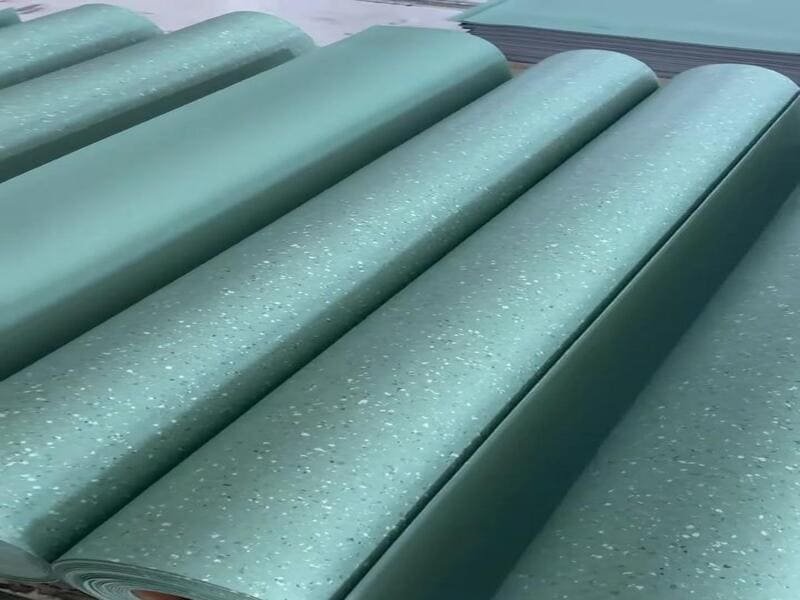
Os defeitos na superfície dos pavimentos em PVC são normalmente classificados por tipo de defeito, gravidade, área ou comprimento afetado e frequência. Os limites exatos de aceitação são normalmente definidos pelo fabricante, pelas especificações do comprador, por uma amostra de referência aprovada ou por um acordo de qualidade, e não por uma regra universal do setor.
Passei anos debaixo de luzes de inspeção, a passar a mão por rolo após rolo de pavimento em PVC, e posso dizer-vos uma coisa: o nome do defeito, por si só, nunca conta toda a história. Um arranhão pode não ter importância, ou pode ser motivo para rejeitar o rolo, dependendo do seu tamanho, profundidade e localização. É sobre isso que os compradores normalmente querem esclarecimentos. Deixem-me explicar-vos como as fábricas classificam, na prática, estes defeitos e o que realmente determina se um rolo é enviado tal como está, é rebaixado de categoria ou é retirado da produção.
| Tipo de defeito | Aspecto típico | Intervalo típico de gravidade | Como é avaliado | Disposição provável |
|---|---|---|---|---|
| Arranhão | Marca linear na superfície | Menor–Maior | Comprimento, profundidade, visibilidade | Aceitar / eliminar / rebaixar |
| Stêncil | Pequeno orifício na superfície | Menor–Maior | Diâmetro, frequência | Aceitar dentro do limite / rejeitar |
| Blister | Bolha saliente | Major | Dimensão, frequência | Cortar / rebaixar / rejeitar |
| Inclusão | Partícula estranha incrustada | Menor–Maior | Tamanho, visibilidade | Depende das especificações |
| Delaminação | Separação de camadas | Grave – Crítico | Área afetada, estado da garantia | Rejeitar o material afetado |
| Desalinhamento na impressão | Deslocamento do padrão | Major | Verificação visual vs. amostra de referência | Rebaixar / rejeitar |
| Variação de tonalidade | Inconsistência de cor | Menor–Maior | Amostra de referência ou leitura do instrumento | Depende da tolerância acordada |
| Variação do brilho | Acabamento irregular | Menor–Maior | Verificação visual ou por instrumentos | Depende do limite acordado |
| Rugas / vincos | Dobra ou deformação | Major | Comprimento, profundidade | Cortar / rejeitar |
Esta tabela é o ponto de partida, não a resposta completa. Para a utilizar efetivamente no dia-a-dia, é necessário saber, em primeiro lugar, por que razão a classificação é importante e o que é que, na verdade, faz com que um defeito passe de um nível de gravidade para outro.
Por que razão a classificação de defeitos superficiais é importante para os fabricantes e os compradores?
A classificação controla o desperdício de material, proporciona aos fornecedores e aos compradores uma linguagem comum, orienta os sistemas de inspeção automatizados e garante a consistência das decisões relativas à qualidade de lote para lote.
| Preocupação | O que a classificação resolve |
|---|---|
| Controlo de custos | Distingue as imperfeições estéticas dos resíduos reais, para que os rolos utilizáveis não sejam descartados por engano |
| Litígios com fornecedores | Estabelece definições idênticas para ambas as partes, pelo que um «arranhão» tem o mesmo significado para ambas as partes |
| Inspeção automatizada | Constitui o conjunto de regras com base no qual as câmaras de visão artificial e os operadores de linha são treinados |
| Consistência | Garantem que as decisões de classificação sejam consistentes entre turnos, operadores e ciclos de produção |
No chão de fábrica, vejo isto acontecer diariamente. Um rolo com três pequenas partículas de pó por baixo da camada de desgaste não é o mesmo problema que um rolo com um rasgo profundo. Se os tratar da mesma forma, ou desperdiço material em bom estado ou envio um rolo com defeito. As equipas de compras também sentem isso. Quando a equipa de controlo de qualidade de um comprador e a equipa de controlo de qualidade de uma fábrica utilizam definições diferentes para a mesma palavra, cada remessa rejeitada transforma-se numa negociação, em vez de uma verificação de factos. É exatamente por isso que digo sempre aos compradores: não se baseiem apenas no nome do defeito. Perguntem qual é a regra de medição subjacente.
Assim que todos concordarem sobre a importância desta questão, a verdadeira questão passa a ser: o que é que, na realidade, determina se um defeito é menor, grave ou crítico?
O que determina, na verdade, o nível de gravidade de um defeito?
A gravidade não é determinada apenas pelo nome do defeito. Depende do tamanho, da profundidade, da visibilidade, do comprimento ou área afetados, da frequência com que se repete, da sua localização no rolo e do facto de afetar a instalação ou o desempenho a longo prazo.
Um arranhão é um bom exemplo do porquê de isto ser importante. Um arranhão superficial e curto, que mal se vê a uma distância normal de observação, é normalmente de menor importância. O mesmo arranhão, se for claramente visível mas não perfurar a camada de desgaste, torna-se frequentemente grave. Se for suficientemente profundo para danificar a camada funcional ou afetar a resistência ao desgaste, pode ser suficientemente grave para que o rolo seja rejeitado de imediato. O tipo de defeito apenas indica por onde começar a procurar. A verdadeira decisão resulta da comparação com os limites acordados.
| Fator | Porque é que é importante |
|---|---|
| Tamanho / comprimento | Os defeitos maiores ou mais compridos são mais difíceis de esconder depois de instalados |
| Profundidade | Determina se o defeito atravessa a camada de desgaste |
| Visibilidade | Avaliado a uma distância normal de visualização, sob condições de iluminação definidas |
| Área afetada | Um defeito pontual e um defeito contínuo são pontuados de forma diferente |
| Repetição | Uma falha é meramente estética; um padrão recorrente indica um problema no processo |
| Localização | Os defeitos junto às costuras ou em zonas de grande tráfego têm maior importância |
| Impacto no desempenho | Qualquer aspeto que afete a durabilidade ou a qualidade da instalação é encaminhado para instâncias superiores |
Tendo esse contexto em mente, é útil analisar de onde provêm, na verdade, esses defeitos, uma vez que a prevenção começa sempre na origem.
Quais são os principais tipos de defeitos superficiais, consoante a sua origem?
Os defeitos têm, geralmente, origem numa de três causas: manuseamento mecânico e estrutural, processos de impressão e de padronização, ou contaminação química e por materiais.
A. Defeitos mecânicos e estruturais
Os vincos e as rugas devem-se, normalmente, a uma tensão irregular durante o enrolamento ou a um manuseamento térmico inadequado. Os orifícios minúsculos e os microporos formam-se quando o ar ou a humidade ficam retidos durante a extrusão ou a calandragem. A inconsistência na espessura ao longo da largura do rolo provoca costuras irregulares posteriormente, durante a instalação, e os rasgos, arranhões ou amolgadelas resultam frequentemente de um manuseamento inadequado nas correias transportadoras ou durante o transporte.
B. Defeitos de impressão, de padrão e estéticos
O desalinhamento do padrão ocorre quando as camadas impressas ficam desalinhadas. Muitas vezes, atribui-se isso a uma única causa, mas, na prática, pode resultar de várias origens em simultâneo: instabilidade da tensão da banda, erros no controlo do registo, alongamento do filme, problemas de sincronização dos rolos ou desgaste do próprio cilindro de impressão. O sangramento de cor e as manchas de tinta resultam de problemas na impressão por gravura ou de uma secagem inadequada. A variação de tonalidade refere-se a diferenças de cor visíveis dentro de um rolo ou entre lotes de produção, e é uma questão diferente do metamerismo, em que duas superfícies parecem corresponder sob uma fonte de luz, mas apresentam um aspeto diferente sob outra. As falhas de gravação em relevo manifestam-se como profundidade de textura desajustada ou pontos planos inesperados na camada de desgaste.
C. Defeitos decorrentes de contaminação química e de materiais
Partículas estranhas, como pó, pedaços de PVC queimado ou partículas metálicas, podem ficar retidas na camada de desgaste transparente durante a produção. A formação de bolhas ocorre quando se formam bolsas de ar entre as camadas do laminado, devido a uma ligação incompleta ou a um excesso de humidade. O amarelecimento indica uma degradação térmica da formulação do PVC. A inconsistência no brilho resulta de uma aplicação irregular do revestimento UV, deixando manchas aleatórias mate e brilhantes ao longo da superfície.
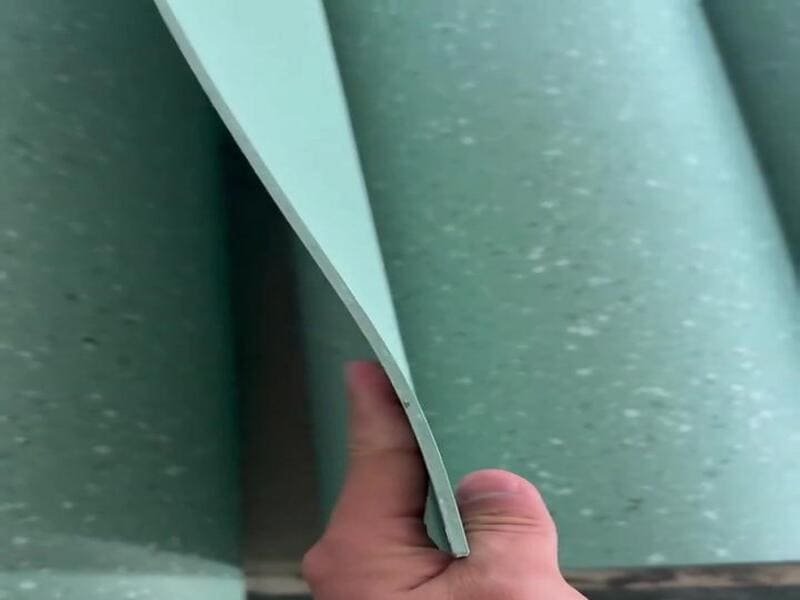
Saber de onde provém um defeito ajuda uma fábrica a resolver a causa principal. No entanto, os compradores precisam ainda de saber como é que esses defeitos se traduzem numa decisão concreta de classificação, e é aqui que a terminologia se torna complicada.
Como é que os fabricantes transformam os defeitos numa decisão relativa à classificação?
Muitos fabricantes utilizam designações internas, como «Grau A», «Grau B» ou «material fora de grau», mas estes termos não estão normalizados em todo o setor. Os compradores devem perguntar quais são os critérios de aceitação efetivos subjacentes à designação, e não apenas o nome do grau.
| Etiqueta comum | O que isso normalmente significa | Por que é arriscado confiar apenas nisso |
|---|---|---|
| Grau A | Sem defeitos graves; defeitos menores dentro de um limite definido | O limite em si varia consoante a fábrica |
| Nota B | São permitidos defeitos não críticos | O termo «não crítico» é definido de forma diferente em cada contexto |
| Fora de padrão / Reciclado | Reciclados ou descartados | O limiar para este corte raramente é divulgado |
Já vi duas fábricas a utilizarem o termo «Grau A» com níveis de tolerância completamente diferentes por trás dele. Isso não é desonestidade, é apenas a realidade de um setor sem um padrão universal de classificação. Se estiver a comprar rolos de pavimento em PVC, não se limite a escrever «pavimento em PVC de Grau A» num contrato de compra e ficar por aí. Em vez disso, especifique as regras concretas:
- Sem delaminação
- Sem buracos nem rasgos
- Dimensão e profundidade máximas permitidas dos riscos
- Tamanho máximo permitido para inclusão
- Número máximo de defeitos permitidos por rolo ou por cada 100 metros quadrados
- Uma amostra de referência de cor e a tolerância admitida
- Intervalo de tolerância do brilho
- Tolerância no registo do padrão
- Um procedimento definido para defeitos contínuos (recorrentes)
É isto que, na verdade, protege ambas as partes de um eventual litígio no futuro. A designação de uma classe é apenas uma abreviatura. Uma especificação por escrito é o que se pode fazer valer.
Assim que os critérios de aceitação estiverem definidos, a próxima etapa consiste em perceber como é que uma fábrica deteta efetivamente esses defeitos antes de os produtos saírem da fábrica.
Que métodos de deteção são utilizados para identificar estes defeitos?
Os fabricantes combinam a inspeção visual manual sob iluminação normalizada com a inspeção ótica automatizada, devendo ambas ser verificadas em relação a uma amostra de referência aprovada.
A inspeção manual continua a ser importante, mesmo com a automação moderna. Os inspetores verificam os rolos sob condições de iluminação consistentes e padronizadas, a velocidades de linha definidas, utilizando uma amostra de referência aprovada como referência visual, para que um defeito não passe despercebido apenas porque a luz mudou ou porque a avaliação variou entre turnos. A Inspeção Ótica Automatizada, ou AOI, incorpora câmaras de varredura linear de alta velocidade e modelos de visão baseados em IA que detetam continuamente imperfeições com dimensões inferiores a um milímetro, algo que o olho humano simplesmente não consegue fazer à velocidade de produção. No que diz respeito à inspeção de entrada ou pré-expedição, o comprador e o fornecedor devem definir as suas próprias categorias de defeitos, regras de medição, plano de amostragem e limites de aceitação diretamente no acordo de qualidade, em vez de partirem do princípio de que uma norma externa comum abrange automaticamente todos esses aspetos.
Detetar um defeito é apenas metade do trabalho. O verdadeiro valor para um fabricante reside em identificar a sua origem.
O que causa estes defeitos e como podem ser prevenidos?
A maioria dos defeitos deve-se a problemas com as matérias-primas, às configurações das máquinas ou às condições ambientais na linha de produção.
| Categoria da causa principal | Exemplos de problemas |
|---|---|
| Matéria-prima | Teor de humidade, erros na proporção de plastificantes, contaminação na resina |
| Maquinaria | Variação da temperatura dos rolos do calandro, problemas de controlo da tensão, cilindros de gravura gastos |
| Ambiente | Pó na sala limpa, variações da humidade ambiente |
Quando investigo um problema recorrente de bolhas, não me limito a assinalar o rolo. Volto à etapa de laminação e verifico os níveis de humidade e a temperatura de colagem. Quando o desalinhamento do padrão se repete constantemente, analiso toda a linha — o controlo da tensão, a sincronização dos rolos e o estado dos cilindros —, em vez de partir do princípio de que existe uma única causa. É aqui que o conhecimento de fabrico se torna um contributo para a conceção, e não apenas um relatório de produção. Uma fábrica que acompanha os padrões de defeitos em relação às configurações das máquinas pode efetuar ajustes antes do início da produção do lote seguinte, o que poupa material e, ao mesmo tempo, garante o cumprimento do prazo do comprador.
Perguntas mais frequentes
Existe alguma norma ASTM universal que defina os defeitos críticos, graves e menores nos rolos de pavimento em PVC?
Não. Estes termos de gravidade são prática comum de controlo de qualidade em todo o setor, mas os limites exatos de dimensão, profundidade e contagem associados a cada nível são definidos pelo fabricante em questão ou acordados no contrato de qualidade do comprador, e não por uma norma única.
Qual é a diferença entre variação de tonalidade e metamerismo?
A variação de tonalidade é uma diferença de cor visível no interior de um rolo ou entre lotes de produção. O metamerismo é diferente: ocorre quando duas superfícies parecem idênticas sob uma fonte de luz, mas apresentam um aspeto diferente sob outra, razão pela qual as verificações de cor devem especificar a fonte de luz utilizada.
Um rolo com um defeito grave ainda pode ser utilizado?
Sim, em muitos casos. Um rolo com desalinhamento do padrão ou uma discrepância de cor num lote pode ser rebaixado de qualidade, ou a secção afetada pode ser cortada e o restante utilizado para instalações de menor dimensão, dependendo do que as especificações do comprador permitirem.
Por que é que aparecem pequenos orifícios nos rolos de pavimento em PVC?
Os orifícios minúsculos resultam geralmente da presença de ar ou humidade retida durante a extrusão ou a calandragem. O controlo do teor de humidade da matéria-prima e da temperatura dos rolos da calandra reduz significativamente este defeito.
O que devo indicar num contrato de compra, em vez de apenas «Classe A»?
Enumere os limites reais e mensuráveis: dimensão e profundidade permitidas dos riscos, dimensão das inclusões, número máximo de defeitos por rolo ou por 100 metros quadrados, uma amostra de referência de cor, tolerância de brilho e tolerância de alinhamento do padrão. Isto protege ambas as partes muito melhor do que apenas uma classificação de qualidade.
Conclusão
O tipo de defeito, por si só, nunca determina a classificação. São o tamanho, a profundidade, a visibilidade e um acordo de aceitação por escrito que a determinam.
Trabalho na área do controlo de qualidade e consultoria de fabrico para a produção de rolos de pavimento em PVC, tanto personalizados como em grande série, com experiência prática na inspeção de defeitos, resolução de problemas de processo e otimização do design nas etapas de calandragem, impressão e laminação. Se estiver à procura de fornecedores de rolos de pavimento em PVC ou a definir critérios de aceitação de defeitos para a sua próxima série de produção, não hesite em enviar-me uma mensagem. Terei todo o prazer em analisar as suas especificações e ajudá-lo a evitar surpresas dispendiosas mais à frente.