


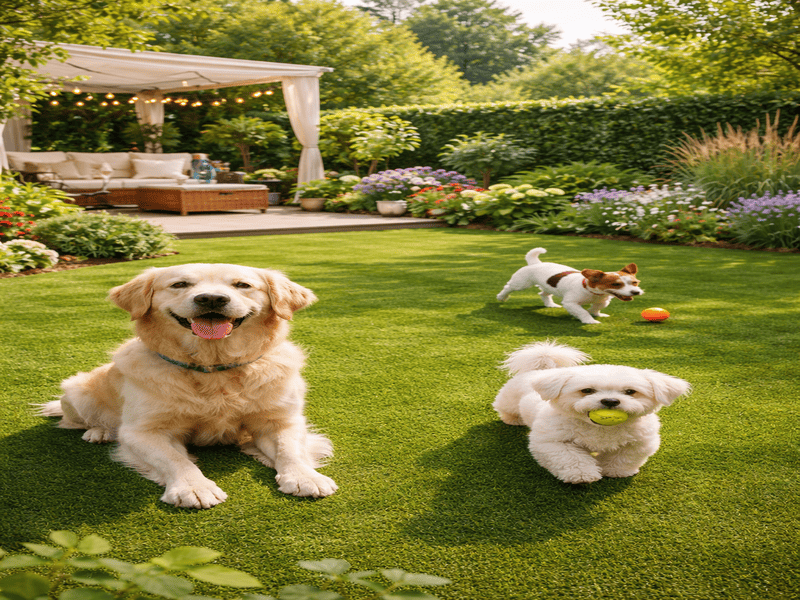
Para escolher a relva perfeita, equilibre a durabilidade do material com as necessidades da aplicação. Para paisagismo, dê prioridade ao Polietileno (PE) com uma altura de pilha de 30-40 mm e um peso facial elevado. Para desportos ou ginásios, selecione Nylon ou PE de alto Dtex para resiliência. Verifique sempre a qualidade do suporte e as capacidades de drenagem.
Com base nos meus anos na linha de produção, escolher relva artificial não é escolher a amostra mais verde. É uma decisão de engenharia. Há décadas que ultrapassámos a "relva falsa"; atualmente, fabricamos têxteis sintéticos de elevado desempenho. Mas para compreender verdadeiramente o lado técnico, é preciso perguntar primeiro, o que é a relva do ginásio? e como é que a sua construção difere dos produtos normais para relvado. Quando concebo uma produção, tenho em conta três factores críticos: a química do polímero, a estrutura mecânica do fio e a integridade do sistema de suporte. A maioria dos compradores concentra-se na estética, mas a vida útil do seu relvado é determinada por especificações invisíveis como o Dtex e o Tuft Bind.
Se comprar apenas com base no aspeto do produto na sala de exposição, pode acabar com um produto que fica plano em seis meses ou que derrete sob um vidro refletor. Um sistema de relva de alta qualidade é um investimento em engenharia civil para o seu quintal ou instalação. Ao compreender as folhas de dados de fabrico - especificamente a composição e densidade do material - garante que o produto pode suportar a radiação UV, o tráfego pedonal intenso e o stress ambiental. Este guia descreve as especificações técnicas que utilizamos na fábrica para que possa tomar uma decisão baseada em dados e não apenas em marketing.
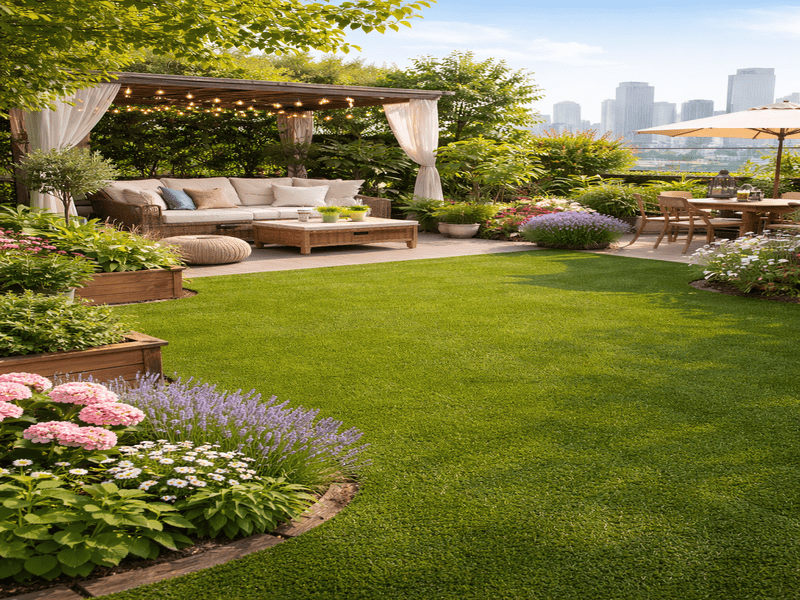
Em primeiro lugar, temos de analisar as matérias-primas utilizadas no processo de extrusão.
Compreender os materiais: Não é só plástico?
A relva é fabricada a partir de três polímeros principais: Polietileno (PE) para realismo e suavidade, Polipropileno (PP) para putting greens económicos e Nylon (Poliamida) para uma força superior e resistência ao calor em áreas comerciais com muito tráfego.
Do ponto de vista da engenharia química, o polímero escolhido determina as propriedades mecânicas da fibra. Nós extrudimos Polietileno (PE) mais frequentemente utilizado em paisagismo porque a sua estrutura molecular equilibra a suavidade com a durabilidade; é agradável para a pele, mas resiste à fissuração. Polipropileno (PP) é mais rígido e tem um ponto de fusão mais baixo. Na fábrica, utilizamos frequentemente PP para a camada de "colmo" (as fibras castanhas encaracoladas) para dar apoio, mas raramente recomendo um relvado de PP 100% porque se torna quebradiço com a exposição prolongada aos raios UV.
NylonA poliamida, ou poliamida, é o padrão de ouro para a integridade estrutural. Tem um ponto de fusão e uma resistência à tração significativamente mais elevados em comparação com o PE ou o PP. Quando passamos o Nylon pela máquina de tufos, sabemos que resistirá melhor ao esmagamento do que qualquer outra fibra. No entanto, o nylon é poroso e pode absorver líquidos, o que o torna difícil para áreas com animais de estimação, a menos que seja tratado. Para uma pista de trenó de um ginásio ou uma praça comercial com muito tráfego, o Nylon não é negociável. Para um quintal familiar, uma mistura de PE/PP oferece normalmente o melhor equilíbrio entre conforto e longevidade.
Uma vez selecionado o polímero, é necessário avaliar as especificações de densidade e peso.
As especificações dos "três grandes": Avaliar a qualidade como um profissional?
A qualidade é definida pela altura da pilha (comprimento da lâmina), peso facial (onças de material por jarda quadrada) e Dtex (massa linear do fio). Um peso facial e um Dtex mais elevados indicam geralmente um produto mais durável, exuberante e duradouro.
| Especificação | Gama recomendada | Objetivo da engenharia |
|---|---|---|
| Altura da pilha | 30mm - 40mm | Equilibra a estética com a estabilidade na vertical. |
| Peso facial | 70 oz/jarda quadrada + | Determina a densidade e a "exuberância" do toque. |
| Dtex | 10,000+ | Mede a espessura da lâmina e a resistência ao esmagamento. |
Na fábrica, ajustamos o Altura da pilha para atingir a "Zona dos Cachinhos Dourados". Se definir a máquina para mais de 50 mm, a relva tem um aspeto impressionante no início, mas fica rapidamente plana porque a gravidade supera a rigidez da fibra. Por outro lado, qualquer coisa abaixo de 25 mm parece uma alcatifa velha. Peso facial é a quantidade de material que tufamos na base. Um peso facial baixo significa que utilizámos menos fio, resultando num relvado esparso que expõe a tela preta.
No entanto, a especificação que monitorizo mais de perto é Dtex (Decitex). Este mede o peso em gramas de 10.000 metros de fio. Um Dtex elevado (por exemplo, 16.000) significa que a lâmina de relva individual é espessa e musculada. As lâminas de baixo Dtex são como papel; as lâminas de alto Dtex são como cartolina. Se planeia caminhar sobre esta relva, precisa de um Dtex elevado. Este funciona como a coluna estrutural do relvado. Sem um Dtex adequado, nenhuma quantidade de enchimento manterá a sua relva direita após um ano de utilização.
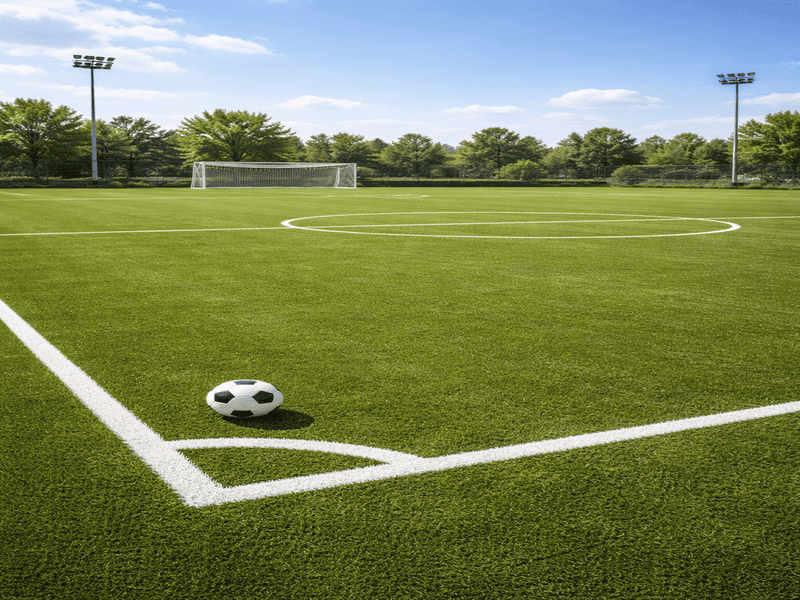
Agora aplicamos estas especificações à sua utilização diária específica.
Escolher a relva certa para o seu estilo de vida?
Selecione a relva com base na intensidade de utilização: Lâminas em forma de "W" ou "C" para famílias para garantir a recuperação, suporte permeável para animais de estimação para garantir a drenagem e Nylon de alto Dtex para ginásios para maximizar a tração e minimizar as queimaduras por fricção.
Ao conceber a relva para famílias e tráfego pedonal elevadoNo meu caso, concentro-me na "memória" do fio. Extrudimos as fibras em formas específicas - em "W", "C" ou "S". Estes perfis geométricos funcionam como uma mola de lâmina na suspensão de um automóvel; quando as pisamos, elas recuperam. As fibras planas têm um aspeto agradável, mas ficam imediatamente opacas. Além disso, a camada de "colmo" é crucial aqui. Funciona como um amortecedor de choques, amortecendo as quedas das crianças e protegendo o suporte primário do impacto direto dos pés.
Para donos de animaisA prioridade da engenharia passa a ser a drenagem. A grama padrão utiliza um suporte "hole-punch" (furos de drenagem a cada 10cm). Isto é frequentemente insuficiente para a urina. Eu recomendo um suporte totalmente permeável, tricotado, que permita a passagem de líquidos através de qualquer ponto da superfície. Também incorporamos aditivos antimicrobianos no masterbatch durante a extrusão para impedir o crescimento de bactérias a nível molecular.
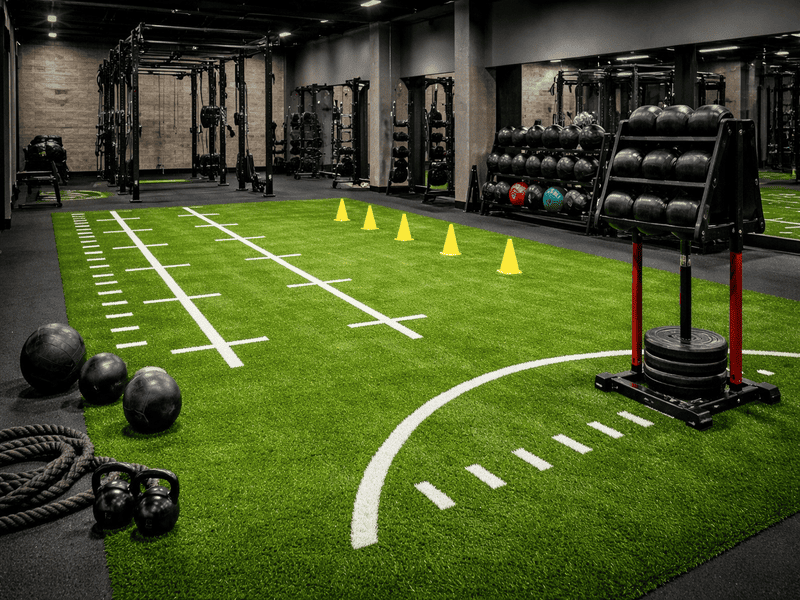
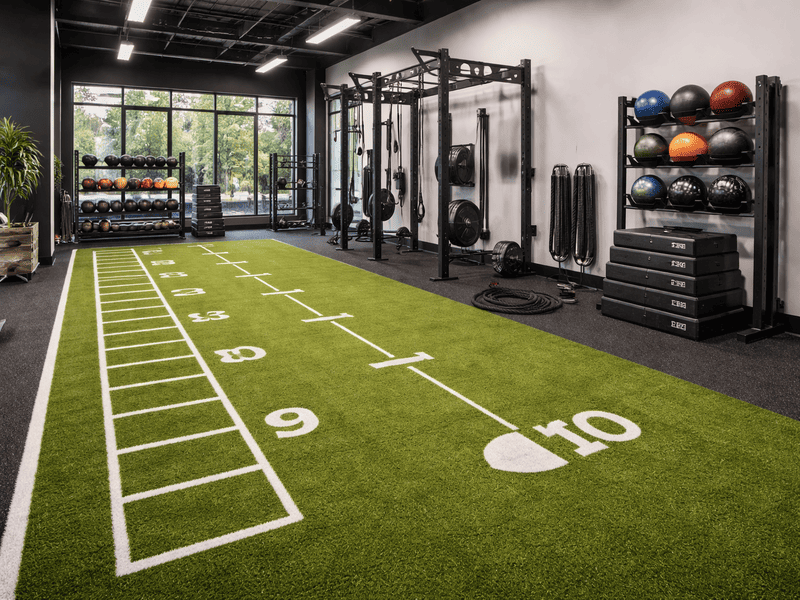
Para ginásios e desportos, especificamente para actividades como empurrar trenós, o coeficiente de atrito é fundamental. Revendo o nosso guia sobre Relva para ginásio personalizada: o que precisa de saber ajudá-lo-á a selecionar uma superfície que resista à força de um trenó pesado sem arrancar os tufos do suporte. Se a relva for demasiado abrasiva, os atletas sofrem queimaduras por fricção. Se for demasiado escorregadia, perdem a tração. Neste caso, utilizamos Nylon curto de alta densidade ou misturas especializadas de PE. O objetivo é proporcionar uma superfície que resista à força de um trenó pesado sem arrancar os tufos do suporte.
Para simplificar a sua tomada de decisões, compilei estes parâmetros numa única tabela de referência de engenharia.
A melhor folha de consulta de seleção: Corresponder as especificações à aplicação?
Utilize esta tabela de referência rápida para fazer corresponder a sua aplicação específica (família, animais de estimação, ginásio ou Putting Green) às especificações corretas de material, altura da pilha e suporte, para evitar uma engenharia excessiva ou um desempenho insuficiente.
Na produção, utilizamos folhas de especificações para garantir que o produto certo vai para o cliente certo. A utilização de um relvado putting green para um quintal familiar resultará numa superfície dura e desconfortável, enquanto a utilização de relvado paisagístico para uma pista de trenó de ginásio resultará na destruição das fibras no espaço de um mês. Esta tabela é o seu atalho para as normas de engenharia corretas.
| Aplicação | Material primário | Altura ideal da pilha | Peso facial (mínimo) | Tecnologia de apoio / enchimento |
|---|---|---|---|---|
| Relvado familiar (Crianças/Relaxamento) | Colmo PE + PP (Suave) | 30mm - 40mm | 70 oz | Suporte de PU + areia de sílica |
| Área para animais de estimação (Cães/Utilização Pesada) | PE (Antimicrobiano) | 25mm - 30mm | 60 oz | Totalmente permeável + Enchimento antimicrobiano |
| Comercial / Eventos (Tráfego elevado) | Nylon ou PE de alto dtex | 20mm - 30mm | 80 oz | Suporte em PU pesado + elevado volume de areia |
| Ginásio / Pista de trenó (Desempenho) | Nylon texturizado | 12mm - 15mm | 45 oz | Camada de almofada de espuma (não é necessário enchimento) |
| Putting Green (Golfe) | Polipropileno (Filme de fenda) | 10mm - 16mm | 50 oz | Areia fina de sílica (para rolo de bolas) |
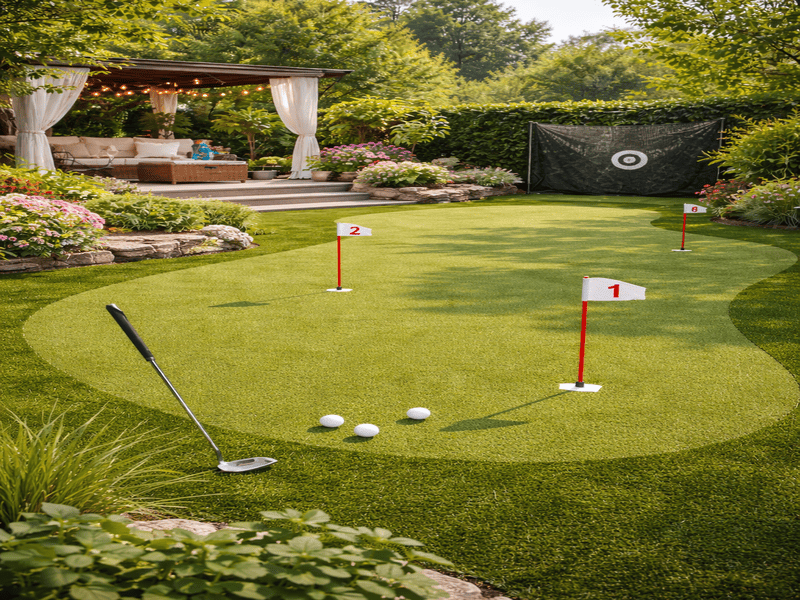
Mesmo a melhor fibra falha sem a base e o sistema de apoio corretos.
Os heróis desconhecidos: Backing & Infill?
O enchimento acrescenta o peso necessário e o suporte da lâmina, enquanto o suporte mantém as fibras no sítio. Utilize areia de sílica ou enchimento de arrefecimento para estabilidade e certifique-se de que o suporte é um poliuretano (PU) de várias camadas em vez de látex simples para resistência à água.
Muitos clientes pensam que preenchimento é opcional. Não é. Em termos de engenharia, o enchimento fornece o lastro. Ele pesa o sistema para que ele não se enrugue ou se desloque. Mais importante ainda, envolve a parte inferior 20-30% da fibra, actuando como um suporte que mantém a lâmina na vertical. Sem a areia de sílica ou o miolo de borracha, as fibras suportam a carga total de cada passo na base, levando à fadiga prematura e à quebra.
Relativamente a apoioÉ aqui que muitos fabricantes reduzem os custos. Uma base normal depende do látex (cola) para segurar as lâminas de relva. O látex é barato, mas degrada-se com a água e as flutuações de temperatura ao longo do tempo. Nas nossas linhas premium, utilizamos um revestimento de poliuretano (PU). O PU cria uma ligação química mais forte com os tufos de fios (resultados mais elevados do teste "Tuft Bind") e não absorve a humidade. Se olhar para a parte de trás de uma amostra e o revestimento se desfizer com um arranhão de unha, a linha de produção não curou corretamente o látex ou o composto é fraco. Evite-o.
Os materiais sintéticos têm propriedades térmicas diferentes das plantas naturais.
Como lidar com o calor: Está a ficar quente?
Sim, a relva sintética absorve calor e será mais quente do que a relva natural. Para atenuar este problema, escolha cores mais claras, utilize enchimentos de arrefecimento especializados e pulverize a superfície com água em dias extremamente quentes para utilizar o arrefecimento evaporativo.
A termodinâmica é uma realidade que não podemos eliminar completamente. O plástico absorve a radiação infravermelha. Num dia de 35°C (95°F), a relva sintética pode atingir temperaturas significativamente mais elevadas do que o ar ambiente. As fibras verdes mais escuras absorvem mais energia do que os tons mais claros (verde lima ou verde campo). Quando formulamos o polímero, adicionamos inibidores de UV para evitar a degradação, mas estes não impedem a absorção de calor.
Para resolver este problema, utilizamos atualmente as tecnologias "Cooling Infill". Estas são areias de sílica revestidas ou enchimentos orgânicos que retêm a humidade. Quando o sol incide sobre a relva, essa humidade evapora-se, afastando o calor da superfície - semelhante à forma como a transpiração arrefece o corpo humano. Como dica prática, uma rápida pulverização com uma mangueira de jardim antes de uma festa no quintal faz baixar instantaneamente a temperatura da superfície. Não deixe que um vendedor lhe diga que a relva "permanece fria" sem explicar a física por detrás disso; procure dados de emissividade verificados ou aditivos de arrefecimento.
Temos de avaliar se os benefícios em termos de desempenho justificam as despesas de capital iniciais.
Relva verdadeira vs. relva artificial: Uma repartição de custos a 10 anos?
A relva artificial requer um investimento inicial elevado, mas tem custos de manutenção quase nulos, atingindo normalmente um ponto de equilíbrio em relação à relva natural (manutenção, água, equipamento) entre o ano 3 e o ano 5.
| Categoria de custos | Relva natural (10 anos) | Relva artificial (10 anos) |
|---|---|---|
| Instalação | Baixa (Sementes/Sementes) | Alta (Escavação, Base, Relva) |
| Água | Elevado (Mensal recorrente) | Zero |
| Manutenção | Elevada (corte, arejamento, fertilização) | Baixa (escovagem ocasional) |
| Equipamento | Cortadores de relva, aparadores de relva, gás/óleo | Vassoura rígida / soprador de folhas |
| Trajetória total | Os custos aumentam anualmente | Custos Flatline após a instalação |
Do ponto de vista da gestão de projectos, a relva natural é uma despesa operacional (OpEx), enquanto a relva artificial é uma despesa de capital (CapEx). Com a relva natural, está a pagar água, fertilizantes, serviços de arejamento e combustível para os cortadores de relva em cada estação. Estes custos aumentam com a inflação.
A relva artificial é um custo adicional. Paga-se a preparação do terreno, os agregados da sub-base e a própria relva. No entanto, uma vez instalada, o custo operacional cai para quase zero. Pode ser necessário completar o enchimento de poucos em poucos anos ou enxaguá-lo, mas o trabalho pesado está feito. Para ginásios comerciais ou grandes instalações, este cálculo do ROI é vital. A durabilidade dos polímeros modernos significa que o custo inicial é amortizado ao longo de 15 a 20 anos de vida útil.
Antes de assinar o contrato, é necessário validar o produto físico.
Lista de verificação de compra: Como testar as amostras?
Validar a qualidade efectuando o teste de brilho para verificar a plasticidade, o teste de tração para verificar a resistência do suporte e o teste de esmagamento para garantir que o fio tem memória e resiliência adequadas.
Quando pedir amostras, não se limite a acariciá-las. Teste-as.
- O teste do brilho: Leve a amostra para o exterior, à luz direta do sol. Se refletir a luz como um saco de plástico, parecerá uma instalação barata. A extrusão de alta qualidade utiliza agentes deslustrantes para dispersar a luz, imitando o acabamento mate da matéria orgânica natural.
- O teste de tração: Pegue num único tufo de relva (um feixe de lâminas) e puxe com força. Se conseguir arrancá-lo do suporte com uma força moderada, a ligação do tufo é fraca. Na fábrica, medimos este valor em Newtons. Na sua mão, deve parecer impossível soltá-lo sem um alicate.
- O teste de esmagamento: Pressione a palma da mão contra a relva ou coloque um livro pesado sobre ela durante dez minutos. Quando se retira a pressão, a relva volta a subir? Se permanecer plana, a altura do pelo é demasiado elevada em relação ao Dtex, ou a forma da lâmina é deficiente.
Esta fase de teste evita arrependimentos após a conclusão da instalação.
Conclusão
Não existe um relvado universalmente "perfeito" - apenas um relvado concebido para a sua carga, tráfego e ambiente específicos.
Ignore o marketing "tamanho único". Em vez disso, utilize os dados: verifique o Dtex, verifique o suporte em PU e certifique-se de que a altura da pilha corresponde à sua atividade. Se fizer uma escolha correta, o seu investimento proporcionará um desempenho durante mais de 15 anos.
Se não tiver a certeza sobre o Dtex específico ou a gramagem que o seu projeto exige, ou se precisar de um pacote de amostras para realizar estes testes de esforço por si próprio, contactar a minha equipa técnica. Podemos ajudá-lo a rever as especificações do seu projeto e enviar-lhe os materiais certos para testar.