


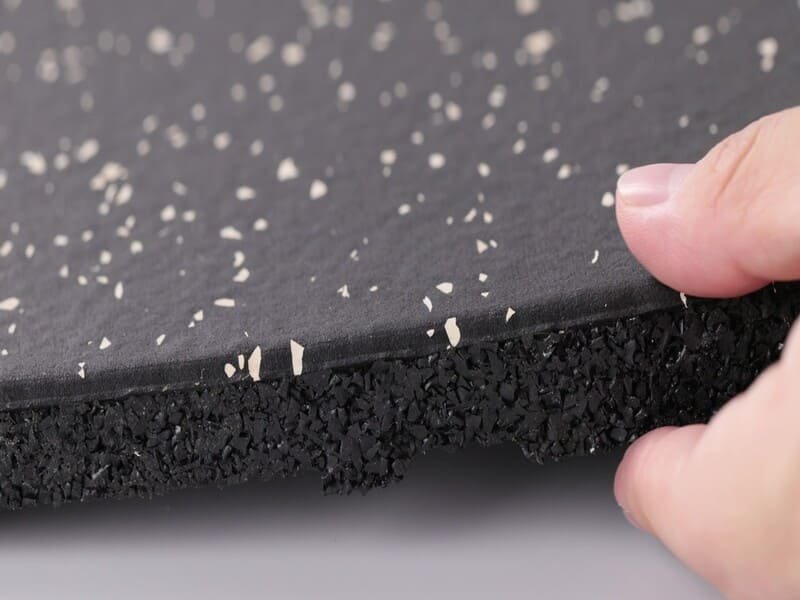
Vulcanized rubber is heat-cured to form a dense, non-porous sheet, while cold-pressed rubber is made by binding rubber granules with polyurethane glue under pressure, resulting in a porous and more shock-absorbing material. These two manufacturing methods create entirely different performance levels for gym durability, hygiene, and maintenance.
| Caratteristica | Gomma vulcanizzata | Cold-Pressed (Crumb) Rubber |
|---|---|---|
| Tipo di obbligazione | Chemical (Heat + Sulfur) | Mechanical (Polyurethane Binder) |
| Densità | High (Solid Mass) | Medium (Compressed Granules) |
| Porosità | Non-porous (Waterproof) | Porous (Permeable) |
| Durata | Extreme (Resists Tearing) | Moderate (May Shed Over Time) |
| Miglior utilizzo | Commercial Gyms / Hygiene | Budget Gyms / Lifting Zones |
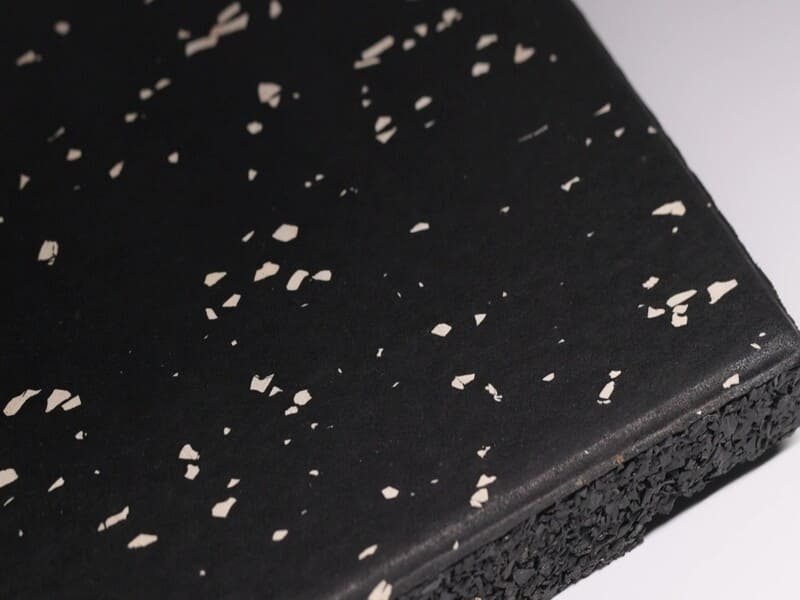
Selecting the right flooring is a balance between your specific fitness environment and your long-term maintenance budget. While both materials look similar on a pallet, their molecular structures dictate how they handle sweat, heavy weights, and daily foot traffic. Vulcanization creates a permanent chemical bond that makes the rubber behave as a single, indestructible unit. Cold-pressing relies on adhesive strength, which offers better impact cushioning but introduces gaps where bacteria and dirt can hide. Understanding these engineering differences prevents the common mistake of buying based solely on initial price per square foot.
The core of the difference lies in the factory floor where the raw materials are processed.
How does the manufacturing process define rubber performance?
Vulcanization uses high heat to fuse rubber into a non-porous solid, while cold-pressing binds recycled crumbs using adhesive and pressure. The heat-cured method creates a water-tight finish, whereas the binder method leaves microscopic air pockets between granules, providing superior impact noise reduction.
In the vulcanization process, raw rubber and sulfur are subjected to intense heat and pressure in a mold. This "cooks" the material, creating cross-links between polymer chains that cannot be undone. The result is a high-density mat that is completely impervious to liquids. Conversely, cold-pressed rubber—often called crumb rubber—is made by mixing recycled tire buffings with a liquid polyurethane binder. This mixture is pressed at ambient temperatures. Because the granules are only coated in glue rather than melted together, tiny voids remain between the rubber pieces. This porosity makes the floor more pliable and better at absorbing the shock of a dropped barbell, but it also means the mat can absorb moisture like a dense sponge.
Why does a chemical bond outperform a mechanical bond?
In high-traffic facilities, the "shedding" of rubber granules is a major issue. Vulcanized rubber resists this because the entire thickness of the mat is a single fused piece; there are no individual crumbs to break away. Cold-pressed mats rely on the glue holding the granules together. Over years of heavy use or equipment dragging, these mechanical bonds can fatigue, leading to black dust and pitting on the surface. From a technical standpoint, the tensile strength of vulcanized rubber is significantly higher, making it the standard for 24/7 commercial clubs.
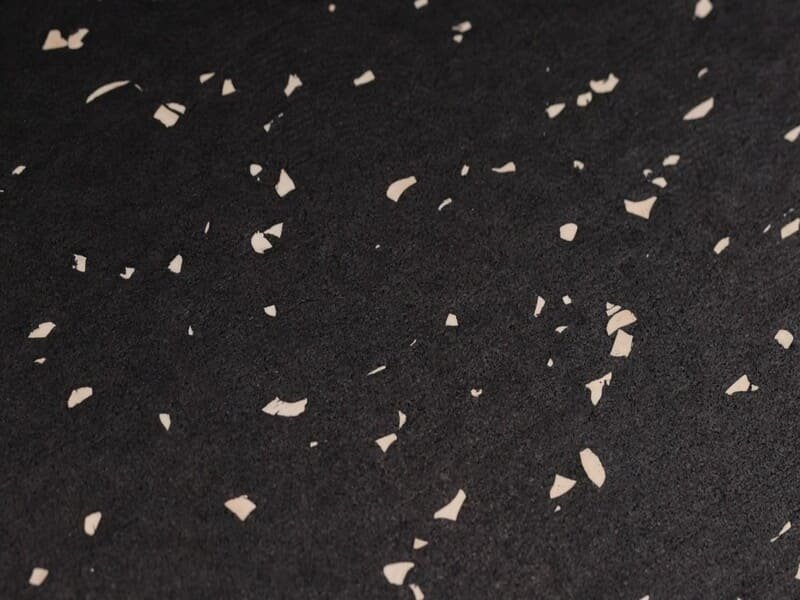
Hygiene and ease of cleaning are often the deciding factors for professional gym owners.
Which rubber floor is better for gym hygiene and odor?
Vulcanized rubber is the best choice for hygiene because its non-porous surface prevents sweat and bacteria from seeping into the mat. Cold-pressed rubber is porous, which allows liquids and cleaning chemicals to get trapped inside, potentially leading to persistent odors and bacterial growth.
| Hygiene Factor | Gomma vulcanizzata | Cold-Pressed Rubber |
|---|---|---|
| Liquid Absorption | 0% (Stays on surface) | 5% – 15% (Seeps in) |
| Crescita batterica | Inhibited by density | Potential in pores |
| Facilità di pulizia | High (Mop or Scrubber) | Low (Requires Extraction) |
| Initial Odor | Sulfur/Rubber scent | Chemical/Glue scent |
The porosity of cold-pressed rubber is a significant maintenance challenge. If sweat or spilled drinks penetrate the surface, they remain trapped within the mat’s structure. This is why many older gyms have a permanent "locker room" smell that never seems to go away. Vulcanized rubber acts as a true moisture barrier. You can use an auto-scrubber or a damp mop, and the water stays on top where it can be easily dried. While vulcanized rubber has a distinct "new tire" smell initially due to the sulfur used in curing, this dissipates quickly. Cold-pressed rubber’s odor comes from the chemical binders, which can linger if the ventilation is poor.
How do shock absorption and stability differ?
There is a trade-off between protecting the subfloor and providing a stable lifting base. Cold-pressed rubber is more "forgiving." The air pockets between granules allow the mat to compress more under load, which is excellent for muffling the sound of deadlifts and protecting the concrete underneath. Vulcanized rubber is much firmer. It provides "energy restitution," meaning it doesn’t compress as much, giving athletes a more stable, solid platform for HIIT, plyometrics, or heavy squats.
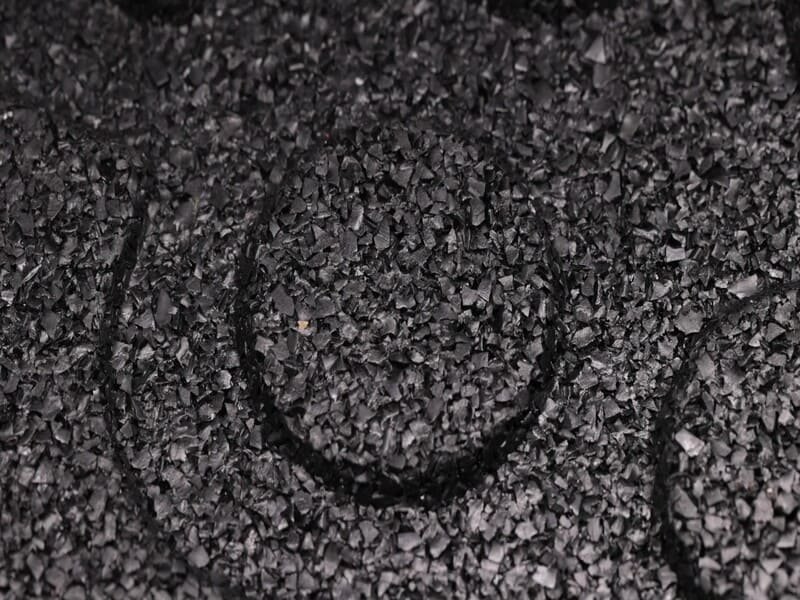
Maintenance requirements and initial costs ultimately determine the total value of your investment.
Is vulcanized rubber cheaper than cold-pressed in the long run?
While cold-pressed rubber has a lower upfront cost, vulcanized rubber offers better long-term value due to its 15-20 year lifespan and lower cleaning costs. Cold-pressed mats are budget-friendly initially but often require replacement every 5-7 years in high-use commercial environments.
| Categoria di costo | Gomma vulcanizzata | Cold-Pressed Rubber |
|---|---|---|
| Prezzo iniziale | Higher ($$$) | Lower ($$) |
| Aspettativa di vita | 15 – 20+ Years | 5 - 8 anni |
| Manodopera per la pulizia | Low (Quick surface clean) | High (Deep vacuum/extraction) |
| Frequenza di sostituzione | Rare | Periodico |
The price gap between these two materials is due to the complexity of the manufacturing. Vulcanization requires expensive molds and high energy consumption, whereas cold-pressing is a relatively simple and fast process. However, labor is the most expensive part of gym ownership. Vulcanized rubber can be cleaned in minutes with standard equipment. Cold-pressed rubber requires powerful vacuums and periodic deep-extraction cleaning to keep it from becoming unsanitary. If you plan to operate your facility for more than five years, the labor savings and durability of vulcanized rubber usually offset the higher initial purchase price.
Which Rubber Flooring Should You Choose?
Choose vulcanized rubber if you are building a high-traffic commercial gym where hygiene, easy cleaning, and 10+ years of durability are the priorities. Choose cold-pressed rubber if you are on a strict budget, building a home gym, or need maximum sound muffling for a dedicated heavy lifting zone.
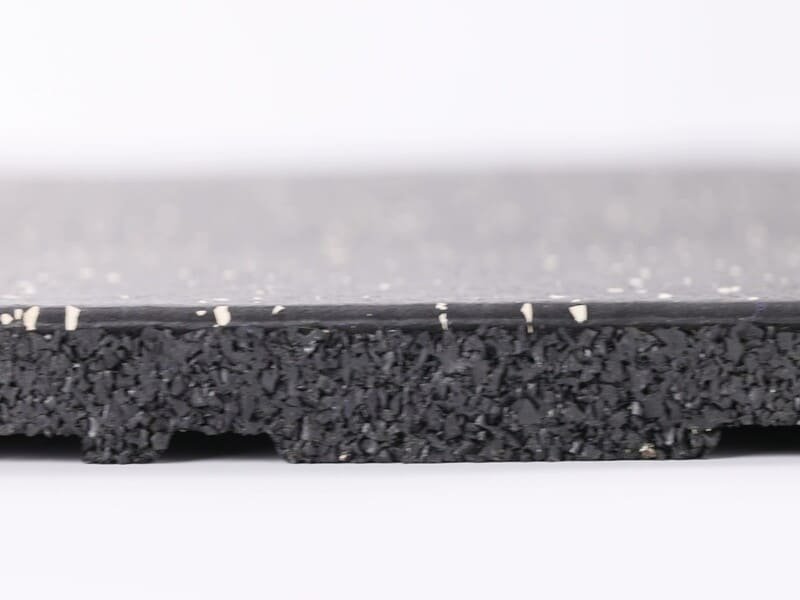
The difference in manufacturing changes how your floor performs every single day.
Conclusione
The best choice depends on your specific balance of budget and hygiene needs.
If you need a custom quote or material samples to test the difference yourself, send me a private message.