


The best way to maintain synthetic grass is to implement a tiered strategy: weekly debris removal, monthly cross-brushing, and immediate spot cleaning. For pet owners, using enzymatic cleaners is essential to break down ammonia. Maintaining proper infill levels and protecting the turf from reflected heat are the most critical steps to ensure a 20-year lifespan.
As a production manager overseeing the entire manufacturing process—from the extrusion of UV-stabilized polyethylene to the application of polyurethane backings—I can tell you that "maintenance-free" is a myth. While we engineer our turf to withstand 50,000+ cycles of abrasive wear, the environment is constantly trying to degrade it. Dust clogs the drainage perforations we punch in the factory, and organic matter can turn into compost in the thatch layer. In my 15 years on the factory floor, I have seen premium turf destroyed in three years by neglect and budget turf last fifteen years with the right care. This guide combines my technical manufacturing knowledge with practical field experience to help you protect your investment.
Your maintenance routine must adapt to your specific environment and how the turf was engineered for your site.
How to Customize Maintenance for Different Application Scenarios?
The best maintenance frequency depends on your specific installation: pet yards and high-traffic commercial areas require weekly sanitation and brushing, while rooftop gardens or aesthetic landscapes may only need monthly rinsing and debris removal to maintain drainage and fiber integrity.
From a technical perspective, the stress on the "Tuft Bind" (how well the grass is held in the backing) varies by use. In a pet run, the chemical stress from uric acid is high. On a rooftop, the thermal stress is the primary concern. In my experience, users who treat every square foot the same way often face uneven wear patterns. You must prioritize the maintenance based on the specific "load" the turf carries.
| Tipo di applicazione | Focus sulla manutenzione | Frequenza consigliata |
|---|---|---|
| Pet & Dog Runs | Odor Neutralization & Sanitation | 2-3 times per week |
| High-Traffic Paths | Fiber Restoration (Cross-Brushing) | Bisettimanale |
| Rooftops/Balconies | Drainage Clearance & Dust Rinsing | Mensile |
| Backyard Putting Greens | Surface Leveling & Infill Check | Trimestrale |
| Shaded Areas | Moss & Mold Prevention | Seasonally |
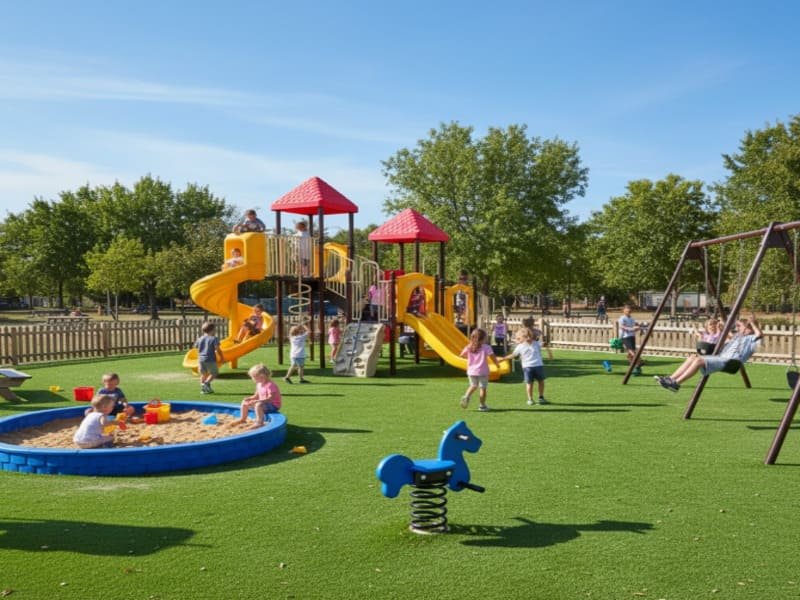
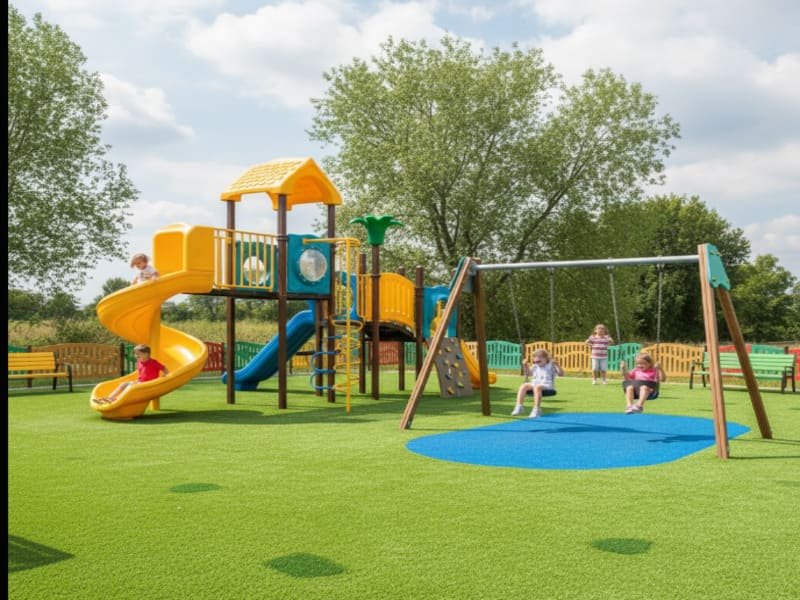
I once consulted on a commercial playground where the fibers matted down in just six months. The issue wasn’t the quality of our grass; it was the lack of brushing in the high-impact "drop zones" under the slides. Once they implemented a bi-weekly power-brushing schedule, the fibers regained their memory, and the turf lasted another decade.
Beyond daily use, the changing seasons introduce unique challenges to the polymer and backing structures.
What is the Best Way to Manage Seasonal Maintenance Challenges?
The best seasonal approach involves a "Prevention-Action" cycle: clearing pollen and weeds in Spring, cooling the turf in Summer, preventing leaf decomposition in Autumn, and using safe snow removal techniques in Winter to avoid damaging the backing or fibers.
In our production lab, we test turf for extreme temperature fluctuations. However, real-world conditions like "Ice Expansion" can be brutal. If water gets trapped in the infill and freezes, it can expand and stress the backing cloth. Similarly, Summer heat doesn’t just make the turf hot to the touch; it can slightly soften the polyethylene, making it more prone to matting if you don’t keep it cool and upright.
The Professional Seasonal Checklist
- Spring (The Cleanse): Use a pre-emergent weed killer (turf-safe) around the edges. Rinse away pollen to keep the drainage holes clear.
- Summer (The Cooling): Lightly mist the turf with water on days over 90°F. Check for "Sun Scald" from window reflections.
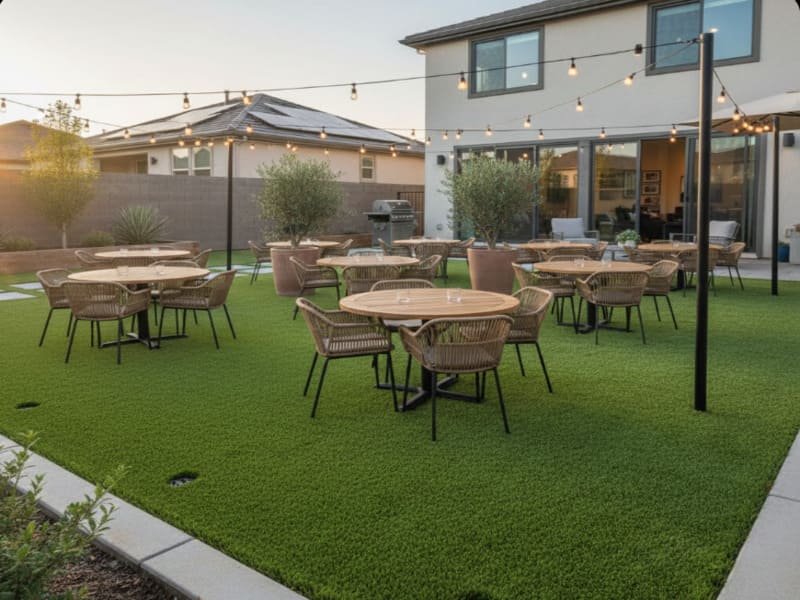
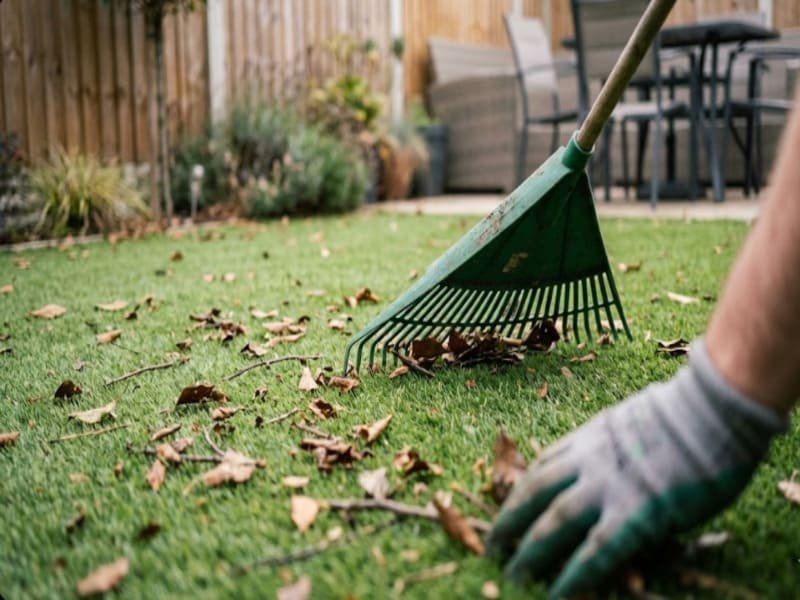
- Autumn (The Debris Sweep): Remove leaves before they get wet and "muck up" the thatch. This prevents mold and organic buildup.
- Winter (The Protection): Never use a metal shovel to remove snow. Let it melt naturally, or use a plastic shovel and leave at least an inch of snow to avoid hitting the fibers.
I always tell my clients that Autumn is the most dangerous month. If you let wet leaves sit, they turn into a sludge that acts like glue, binding the infill together. This ruins the "percolation rate" (drainage speed) we worked so hard to achieve during the manufacturing process.
Even with perfect care, you may encounter issues that require a technical "Troubleshooting" approach.
How to Troubleshoot Common Synthetic Grass Problems?
To solve common problems like odors, weeds, or flattening, you must identify the root cause—usually related to drainage, infill levels, or fiber matting—and apply targeted solutions such as enzymatic treatments, infill top-offs, or specialized cross-brushing.
When we see "failures" in the field, it is rarely the grass itself; it is usually a breakdown in the system. For example, if your grass smells after you’ve cleaned it, the bacteria are likely trapped in the sand infill below the surface. If the grass looks flat, your infill has likely migrated or compacted, leaving the blades unsupported at the base.
| Problema | Probabile causa | Soluzione |
|---|---|---|
| Persistent Odor | Bacteria trapped in infill | Apply enzymatic cleaner; soak for 30 mins |
| Surface Weeds | Decomposed organic matter | Hand-pull; use vinegar-based weed killer |
| Flat Fibers | Low infill or heavy traffic | Power-brush and add 1-2 lbs of infill/sqft |
| Scarso drenaggio | Clogged backing or sub-base | Deep rinse with high-flow (not high-pressure) |
| Static Electricity | Dry weather + Friction | Lightly spray with diluted fabric softener |
I remember a project where the customer complained about "standing water." We found they had used a leaf blower that pushed fine dust into the drainage holes, creating a "seal." The fix was a deep, low-pressure saturation to flush the fines through. This is why understanding the "mechanics" of your lawn is as important as the aesthetics.

Preventing damage is always more cost-effective than repairing the structural integrity of the turf.
Domande frequenti (FAQ)
Can I use a pressure washer on artificial grass?
You should avoid using high-pressure washers directly on the fibers. The force can dislodge the infill or tear the blades. A standard garden hose with a spray nozzle is the safest way to rinse the turf without compromising the tuft bind.
How often should I rinse my synthetic lawn?
For an average residential lawn, a quick rinse every two weeks is sufficient to remove dust. However, if you have pets, you should rinse the designated "potty zones" at least twice a week to prevent salts from crystallizing in the backing.
Can I use bleach to disinfect my turf?
No, never use bleach. It can cause the polyethylene fibers to become brittle and lose their color over time. Use a 50/50 mix of white vinegar and water or a specialized pH-neutral turf disinfectant for a safer, more effective result.
How do I remove snow and ice safely?
The best way is to let it melt. If you must clear a path, use a plastic shovel and stop an inch above the grass. Never use salt or chemical de-icers, as the residue can clog the drainage system and harm the underlying sub-base.
Why is my artificial grass getting static?
Static occurs in dry climates when people or pets move across the synthetic fibers. You can easily fix this by spraying a mixture of water and a small amount of fabric softener over the surface.
Conclusione
The best way to maintain synthetic grass is through proactive, scenario-based care. Consistent cleaning protects the polymer and ensures a beautiful, functional lawn for decades.
If you are an engineer, architect, or homeowner looking for technical guidance on material selection or high-volume procurement, our team is here to support your project. We offer expert consulting on design optimization and can provide free samples of our latest high-performance turf products. Contact us today for a technical consultation or a free quote for your next installation.