


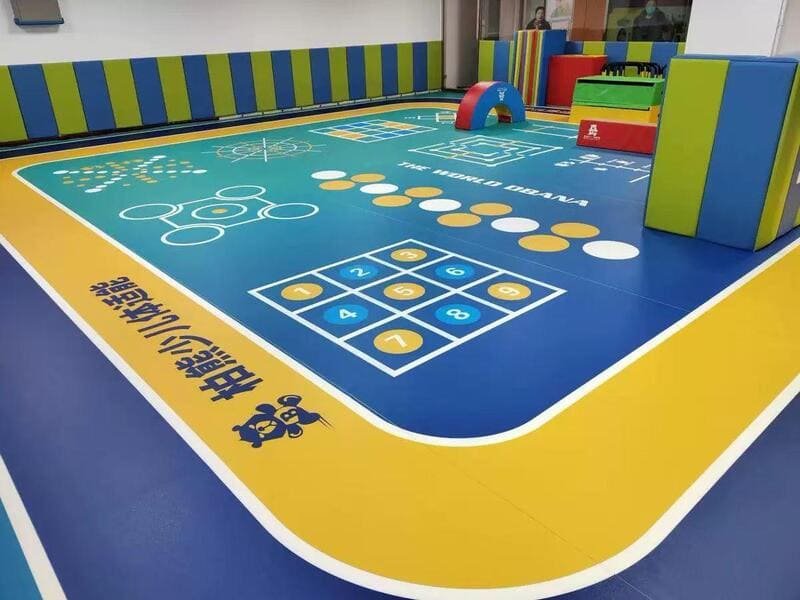
Un buon capitolato per pavimenti sportivi in PVC deve indicare con precisione lo spessore dello strato di usura, lo spessore totale, i valori prestazionali secondo la norma EN 14904, le condizioni del sottofondo, i metodi di posa e i termini di garanzia. Tralasciare uno qualsiasi di questi elementi comporta il rischio di offerte non adeguatamente specificate e di costosi problemi al pavimento.
Nel corso degli anni ho esaminato centinaia di capitolati d’appalto e lo schema è sempre lo stesso: le gare d’appalto che ottengono risultati vaghi sono esse stesse vaghe. Quando un committente si limita a scrivere “pavimentazione sportiva in PVC, 4,5 mm, campo da gioco al coperto”, i fornitori possono interpretarlo come meglio credono. Un fornitore propone uno strato di usura sottile con un’anima in fibra di vetro. Un altro propone una struttura sportiva multistrato adeguata. Entrambe le soluzioni, tecnicamente, corrispondono a «4,5 mm». Solo uno resisterà a cinque anni di utilizzo quotidiano. Un bando di gara dettagliato colma questa lacuna. Obbliga ogni offerente a rispondere alle stesse domande tecniche, consentendo così di confrontare elementi omogenei invece di cercare di indovinare quale offerta sia un affare e quale una trappola.
Ora vi illustrerò, sezione per sezione, cosa contiene effettivamente un bando di gara completo, in modo che possiate redigerne uno che tuteli il vostro budget e i vostri giocatori.
Perché è fondamentale presentare un'offerta dettagliata per le pavimentazioni sportive in PVC?
Un capitolato d'appalto dettagliato ti protegge da tre rischi: ricevere materiali di qualità inferiore a quella richiesta, costi nascosti che emergono a metà progetto e una pavimentazione non conforme agli standard di sicurezza. Specifiche chiare eliminano tutti e tre i rischi fin dall'inizio.
Mi è capitato di vedere acquirenti ordinare quello che credevano fosse PVC di tipo sportivo per uso commerciale e ricevere invece vinile per uso domestico con una stampa dall’aspetto sportivo. La differenza non è visibile a prima vista, ma emerge rapidamente durante gli allenamenti quotidiani di pallacanestro. Un capitolato d’appalto dettagliato evita che ciò accada, specificando le esatte classi di materiale e non limitandosi a indicare una categoria di prodotto.
| Il rischio | Causa | Tender Fix |
|---|---|---|
| Materiale tralasciato | Descrizione del prodotto poco chiara | Specificare separatamente lo strato di usura e lo spessore totale |
| Costi nascosti | Non è previsto alcun obbligo di indicazione dettagliata dei prezzi | Richiedere il dettaglio per singola voce relativo ad adesivo, preparazione e manodopera |
| Infortunio di un giocatore | Nessuna specifica relativa all'assorbimento degli urti | Richiedere la classificazione secondo la norma EN 14904 e il verbale di prova |
Il controllo dei costi è importante tanto quanto la sicurezza. Consiglio sempre ai committenti di richiedere un preventivo dettagliato, perché il composto livellante per il sottofondo, l’adesivo speciale e la vernice per la segnaletica orizzontale spesso non sono inclusi nel prezzo indicato inizialmente, per poi essere aggiunti in un secondo momento tramite ordini di modifica.
Ora che sono chiari i motivi per cui è necessario un bando di gara dettagliato, analizziamo cosa dovrebbe effettivamente contenere ciascuna sezione di tale bando.
Cosa dovrebbe includere la sezione relativa all'ambito generale del progetto?
La sezione relativa all’ambito di applicazione dovrebbe specificare il settore sportivo di destinazione, la superficie totale con un margine di scarto del 5–8% e i requisiti minimi dei fornitori, inclusi 3–5 progetti di riferimento verificabili. Ciò consente di escludere gli offerenti non qualificati prima ancora che abbia inizio la valutazione tecnica.
Quando indico un bando di gara, inizio sempre specificando il tipo di applicazione, perché un campo da badminton e una palestra polivalente richiedono soluzioni diverse per la pavimentazione. Indicare con precisione la destinazione d’uso permette ai fornitori di capire quale linea di prodotti proporre nel preventivo, invece di lasciarli a indovinare.
Panoramica del progetto - Requisiti
- Tipo di impiego: campo da basket al coperto, palestra polivalente, campo da badminton o centro fitness
- Superficie totale in m² o piedi quadrati, comprese le dimensioni complete della planimetria
- Margine di scarto, solitamente compreso tra 5 e 81 TP3T, per coprire i ritagli delle cuciture e l’allineamento dei motivi
Requisiti di qualificazione dei fornitori
- Anni minimi di esperienza nella produzione di pavimentazioni sportive resilienti
- Da 3 a 5 progetti di riferimento verificabili di portata simile
- Licenze commerciali valide e certificazioni di esportazione o installazione
Questo passaggio è più importante di quanto si pensi. Un fornitore che non è in grado di dimostrare di aver realizzato in passato progetti delle vostre dimensioni rappresenta un rischio ben maggiore rispetto a un prezzo leggermente più alto.
Una volta definito l’ambito, ha inizio il vero e proprio lavoro tecnico.
Quali specifiche tecniche e materiali obbligatorie dovrebbe prevedere un bando di gara?
L'offerta deve indicare separatamente lo spessore totale, lo spessore dello strato di usura, il rinforzo in fibra di vetro e il supporto in schiuma a cellule chiuse, oltre alla conformità alla norma EN 14904 per quanto riguarda l'assorbimento degli urti, l'attrito e il rimbalzo della palla. Questi dati definiscono le prestazioni effettive, non solo l'aspetto superficiale.
Questa è la parte in cui la maggior parte delle offerte fallisce, ed è quella a cui tengo di più. Lo spessore totale da solo non dice quasi nulla sulle prestazioni di un pavimento. Ho visto pavimenti da 4,5 mm con uno strato di usura da 0,3 mm posato su un sottofondo economico, e pavimenti da 4,5 mm con un adeguato strato superiore in PVC puro da 1,2 mm. In foto sembrano identici. Dopo un anno di utilizzo, però, le loro prestazioni non sono affatto le stesse.
Requisiti di costruzione strutturale
| Strato | Requisiti |
|---|---|
| Spessore totale | 4,5 mm multiuso / 7,0–8,0 mm professionale |
| Strato di usura | PVC puro da 1,2 mm a 2,0 mm, trattato contro i raggi UV, con superficie antiscivolo |
| Rinforzo | Rete in fibra di vetro per garantire la stabilità dimensionale |
| Supporto | Schiuma di PVC a cellule chiuse ad alta densità per l'assorbimento degli urti |
Norma EN 14904 - Requisiti prestazionali
Consiglio di citare direttamente la norma EN 14904 in ogni bando di gara, poiché è la norma a cui fanno riferimento la maggior parte delle federazioni sportive.
- Assorbimento degli urti (riduzione della forza): Classe P1 a 25% o superiore, P2 a 35% o superiore, P3 a 45% o superiore
- Deformazione verticale: limite controllato, solitamente pari o inferiore a 3,5 mm
- Attrito e trazione: coefficiente di attrito compreso tra 80 e 110 secondo la norma EN 13036-4
- Rimbalzo verticale della palla: minimo 90% rispetto a una superficie di riferimento in calcestruzzo
Oltre agli standard atletici, un bando di gara dovrebbe richiedere anche la classificazione antincendio secondo la norma EN 13501-1, la resistenza agli agenti chimici e al sudore, nonché la conformità ai requisiti di qualità dell’aria interna, quali bassi livelli di TVOC, assenza di ftalati e certificazione Floorscore o ISO 16000. Sono questi i parametri che garantiscono la sicurezza dei giocatori e mantengono la struttura in condizioni ottimali per l’uso quotidiano.
Una volta definite le specifiche dei materiali, il capitolato deve specificare cosa avviene in cantiere prima e durante l’installazione.
Quali protocolli di preparazione del sottofondo e di posa dovrebbero essere specificati?
Un capitolato d'appalto dovrebbe prevedere il controllo dell'umidità del sottofondo con un'umidità relativa inferiore a 75%, la planarità del pavimento con una deviazione inferiore a 2 mm, giunti saldati a caldo con bacchette in PVC corrispondenti e un elenco completo degli accessori. Tralasciare questi passaggi è la causa principale della formazione di bolle e del cedimento dei giunti che riscontro sul campo.
Non lo ripeterò mai abbastanza: anche il miglior pavimento in commercio non funzionerà se viene posato su un sottofondo bagnato o irregolare. È proprio qui che gli acquirenti subiscono le perdite economiche maggiori dopo la posa, perché per risolvere il problema è necessario rimuovere il pavimento.
Requisiti relativi alle condizioni del sito
- Limite di umidità del sottofondo: umidità relativa inferiore a 75% oppure contenuto di umidità inferiore a 2,5% secondo il metodo CM
- Tolleranza di planarità del pavimento: scostamento inferiore a 2 mm misurato con una riga da 2 metri
Metodo di installazione e accessori
- Tipo di posa: sistema adesivo ecologico a copertura totale o sistema a posa libera/con nastro adesivo
- Saldatura a giunto: barre in PVC saldate a caldo, solitamente di 4 mm di diametro, per una finitura igienica senza giunture
- Accessori: battiscopa in PVC coordinati, profili di raccordo, riduttori per soglie, coperture per giunti di dilatazione
Segnaletica per campi da gioco
- Vernice poliuretanica antiriflesso a base di PU, compatibile con le superfici in PVC
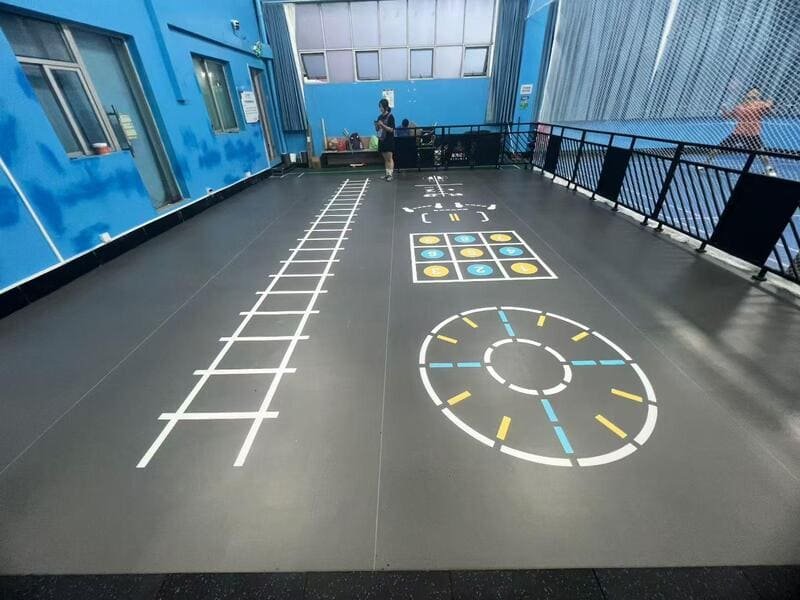
- Codifica cromatica per disciplina sportiva, ad esempio bianco per il basket, giallo per la pallavolo, verde per il badminton
Una corretta preparazione del sottofondo pone le basi per la fase successiva: verificare che il materiale sia effettivamente conforme alle specifiche sia prima che dopo la posa.
Quali requisiti relativi al controllo qualità e alle prove devono essere inclusi in un bando di gara?
Un bando di gara dovrebbe richiedere campioni fisici, la corrispondenza esatta dei colori RAL o Pantone, rapporti di laboratorio aggiornati redatti da enti indipendenti quali SGS, LABOSPORT o Intertek, nonché una procedura di ispezione in loco ben definita. Ciò garantisce che la pavimentazione consegnata corrisponda a quanto indicato nel preventivo.
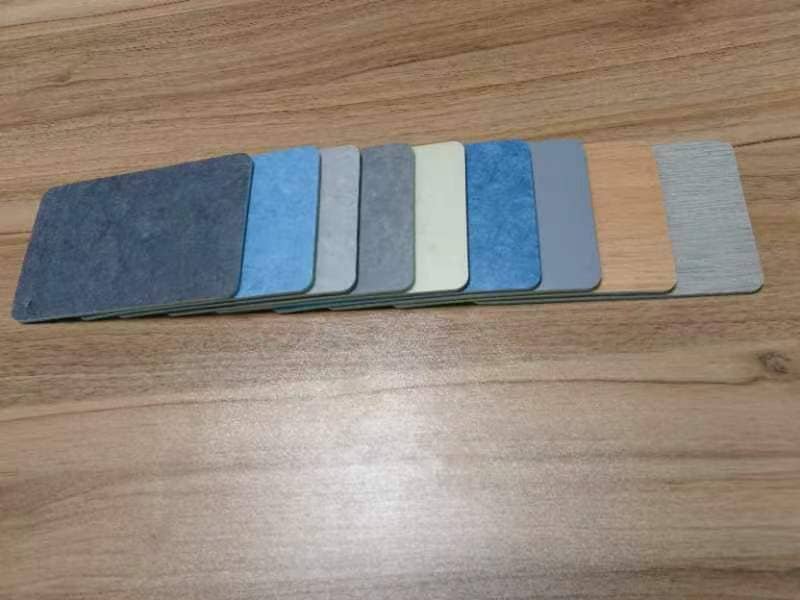
Chiedo sempre un campione fisico prima di firmare qualsiasi cosa, perché una scheda tecnica può descrivere un prodotto in modo accurato, mentre il campione rivela una realtà ben diversa. Un campione di 20 cm x 30 cm che mostra la sezione trasversale completa dello strato ti dice di più con un solo sguardo che una pagina di specifiche.
Requisiti relativi ai campioni da presentare prima della gara d'appalto
- Campione fisico, di dimensioni minime pari a 20 cm x 30 cm, che mostri la struttura completa degli strati
- Campione di colore corrispondente ai codici RAL o Pantone specificati
Verifica da parte di terzi
- Certificati di collaudo rilasciati da laboratori indipendenti accreditati negli ultimi 2-3 anni
- I preventivi devono corrispondere esattamente alla linea di prodotti oggetto dell'offerta, non a un prodotto simile di vecchia generazione
Criteri di accettazione in loco
- Ispezione visiva per verificare la formazione di bolle
- Controllo dell'integrità della saldatura a giunto
- Controllo della precisione delle linee di gioco e dell'adesione della vernice
Una volta chiarita la questione dei test, l’ultimo aspetto tecnico da considerare è in che modo le condizioni commerciali garantiscono la vostra tutela per tutta la durata del pavimento.
Quali condizioni commerciali e quale copertura di garanzia dovrebbe prevedere un bando di gara?
Un bando di gara dovrebbe prevedere un dettaglio dei prezzi, un imballaggio a prova di umidità, condizioni di consegna chiare, una garanzia sul prodotto da 5 a 10 anni, una garanzia sulla manodopera da 1 a 2 anni e materiale di ricambio 1–2% per eventuali riparazioni future. Queste condizioni tutelano il vostro budget anche molto tempo dopo il completamento dell’installazione.
Le sorprese sui prezzi di solito derivano da ciò che non è stato incluso nel preventivo, non da ciò che vi è stato indicato. Chiedo sempre ai fornitori di suddividere il prezzo per categoria, in modo che nulla venga raggruppato in una vaga somma forfettaria.
| Voce di costo | Perché è importante |
|---|---|
| Costo dei materiali per m² | Confronto tra le offerte rispetto ai valori di riferimento |
| Spedizioni e logistica | Spesso escluso dal prezzo di listino |
| Massa livellante per sottofondo | Costi aggiuntivi nascosti più comuni |
| Manodopera per l'installazione | Da separare dal materiale per rilevare gli aumenti di prezzo |
| Segnaletica orizzontale e pulizia post-installazione | Voci spesso trascurate |
Per la consegna, richiedere un imballaggio a rotolo resistente all’umidità con anima interna in carta, poiché i rotoli appiattiti o umidi potrebbero arrivare danneggiati. Indicare chiaramente i tempi di consegna e le condizioni di spedizione, che siano FOB, CIF o DDP, e stabilire un calendario preciso per l’arrivo in loco.
Per quanto riguarda la garanzia, consiglio una garanzia sul prodotto da 5 a 10 anni, abbinata a una garanzia sulla manodopera di installazione da 1 a 2 anni. Richiedete inoltre un kit di manutenzione iniziale, le procedure di pulizia e 1–2% rotoli di ricambio da conservare per eventuali riparazioni future, poiché trovare un lotto corrispondente a un prodotto fuori produzione dopo anni è praticamente impossibile.
Nonostante siano stati trattati tutti questi aspetti, alcuni errori comuni continuano a mettere in difficoltà la maggior parte degli offerenti.
Quali sono le insidie più comuni nelle gare d'appalto relative ai pavimenti in PVC?
Gli errori più comuni consistono nel specificare lo spessore totale senza indicare lo spessore dello strato di usura, nel tralasciare il controllo dell’umidità del sottofondo, nell’accettare certificati di prova generici e non aggiornati e nel lasciare vaghe le specifiche relative alla verniciatura delle linee. Ognuno di questi errori può portare a un pavimento con prestazioni inferiori alle aspettative.
Ho notato che questi quattro errori si ripetono in quasi tutti i progetti con risultati insoddisfacenti che mi viene chiesto di esaminare.
Errore n. 1: spessore totale senza considerare lo spessore dello strato di usura
Indicare sempre entrambi i valori. Un pavimento di grosso spessore con uno strato di usura sottile si consuma rapidamente in presenza di un traffico pedonale intenso.
Errore n. 2: ignorare i limiti di umidità del sottofondo
Rendere il test di umidità un requisito preliminare obbligatorio. Saltare questa fase è la causa principale del distacco dell’adesivo e della formazione di bolle.
Insidiosa 3: Accettare certificati di collaudo generici
Richiedere rapporti redatti negli ultimi 2-3 anni che corrispondano esattamente alla linea di prodotti offerta, non a modelli più vecchi o simili.
Insidia n. 4: Specifiche vaghe relative alla verniciatura delle linee
Indicare una vernice poliuretanica bicomponente specifica per superfici in PVC. Una vernice generica tende a sfaldarsi e a sbiadire molto più rapidamente su una superficie in PVC.
Il solo fatto di evitare questi quattro errori farà sì che la vostra offerta si distingua dalla maggior parte dei documenti che esamino.
Lista di controllo sintetica per le gare d'appalto
| Categoria | Da includere obbligatoriamente |
|---|---|
| Specifiche dei materiali | Spessore totale, spessore dello strato di usura, rinforzo, supporto |
| Certificati di prestazione | EN 14904, resistenza al fuoco, conformità ai requisiti di qualità dell'aria interna (IAQ) |
| Installazione e accessori | Condizioni del sottofondo, saldatura a giunzione, battiscopa, segnaletica orizzontale |
| Garanzia e prezzi | Costi dettagliati, condizioni di consegna, durata della garanzia, materiale di ricambio |
Clausola di esempio che puoi copiare direttamente nella tua offerta:
"Tutti i prodotti per pavimentazioni sportive in PVC forniti nell'ambito della presente gara d'appalto devono essere conformi alla norma EN 14904, raggiungendo una classe minima di assorbimento degli urti P2 (riduzione della forza ≥35%), una deformazione verticale ≤3,5 mm e un coefficiente di attrito compreso tra 80 e 110 secondo la norma EN 13036-4. I rapporti di prova devono essere stati redatti negli ultimi 3 anni da un laboratorio indipendente accreditato."
Conclusione
Un capitolato d'appalto completo tutela il tuo budget, garantisce la sicurezza dei giocatori e assicura la realizzazione di un pavimento costruito per durare nel tempo. Se desideri un capitolato personalizzato o hai bisogno di aiuto per rivedere la tua bozza di capitolato, scrivimi direttamente e lo esamineremo insieme.