


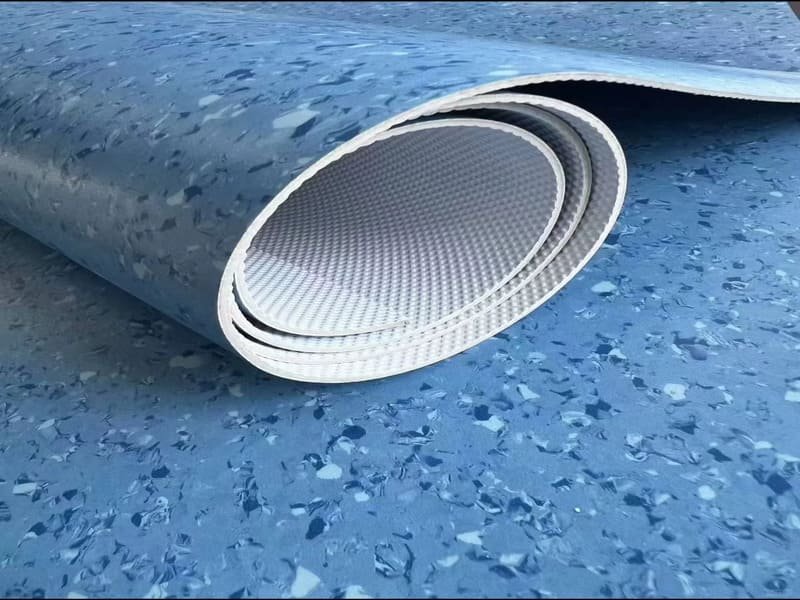
Un vero fornitore di pavimenti in PVC offre un servizio di consulenza pre-vendita per la scelta del prodotto più adatto, la piena conformità alle normative e la documentazione tecnica necessaria, assistenza per la posa e il sistema di posa, la tracciabilità dei lotti e una rapida risoluzione dei reclami. Un prezzo basso non ha alcun valore se il fornitore non è in grado di supportare il prodotto con dati e assistenza.
Scegliere i pavimenti in PVC basandosi esclusivamente sul prezzo è una trappola in cui vedo cadere gli acquirenti più e più volte. Un preventivo economico sembra allettante sulla carta, ma nasconde rischi concreti. I prodotti si rivelano difettosi una volta posati. Le classificazioni antincendio o antiscivolo non corrispondono a quanto specificato nel bando di gara. Gli installatori non ricevono alcuna guida e commettono errori che invalidano la garanzia. I reclami rimangono senza risposta per settimane. Nulla di tutto ciò emerge finché l’ordine non è stato spedito e la pavimentazione non è già stata posata.
Un fornitore di pavimenti in PVC di primo livello non si limita a vendere listoni o rotoli. Considero questo ruolo come quello di un partner in materia di ingegneria e conformità. Ciò significa consulenza tecnica prima dell’ordine, dati di laboratorio verificati e documentazione di progetto, indicazioni chiare sull’installazione e sul sistema, controllo di qualità a livello di lotto e un vero e proprio processo di gestione dei problemi dopo la consegna. Gli acquirenti che comprendono l’intera filiera prendono decisioni di approvvigionamento più oculate ed evitano i costosi insuccessi derivanti dalla ricerca del prezzo unitario più basso.
Il resto di questo articolo illustra in dettaglio quali siano le caratteristiche di un supporto tecnico efficace in ogni fase di un progetto, dalla prima consulenza al servizio post-vendita.
Quali servizi di consulenza tecnica pre-vendita dovrebbe offrire un fornitore di pavimenti in PVC?
Un buon fornitore adatta la struttura del prodotto alla vostra applicazione, vi fornisce schede tecniche complete e verifica che le richieste relative a texture o colori personalizzati siano realizzabili prima dell’avvio della produzione.
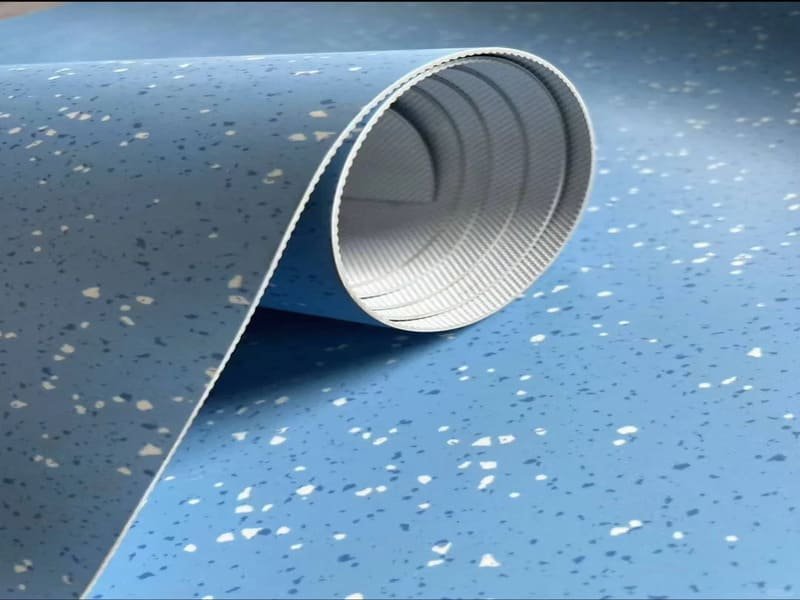
La scelta del prodotto giusto è il primo ambito in cui emerge la competenza tecnica. Non tutti i progetti richiedono la stessa struttura. Il pavimento SPC con anima rigida è in grado di compensare le piccole imperfezioni della superficie meglio rispetto ai pavimenti flessibili con retro adesivo, ma richiede comunque un sottofondo che rispetti i limiti di planarità indicati dal produttore: i sistemi a incastro sono infatti piuttosto sensibili alle irregolarità del sottofondo e, nel tempo, un sottofondo inadeguato può causare sollecitazioni sui giunti, scricchiolii o il malfunzionamento del sistema di incastro. Il LVT con retro adesivo o a posa libera è adatto a progetti con budget limitato che dispongono di un sottofondo stabile e preparato. I rotoli in vinile omogeneo o eterogeneo sono indicati per gli ambienti sanitari e gli spazi che richiedono un elevato livello di igiene, dove la saldatura dei giunti è fondamentale. Un fornitore dovrebbe informarsi sul traffico pedonale, sulle condizioni del sottofondo e sull’uso finale prima di consigliare un prodotto, non dopo.
Lo spessore dello strato di usura è un altro aspetto che vale la pena comprendere, anche se non va mai considerato come una regola ferrea.
| Strato di usura | Posizionamento comune sul mercato |
|---|---|
| 0,3 mm | Residenziale, a basso traffico |
| 0,55 mm | Veicoli commerciali leggeri |
| 0,7 mm | Veicoli commerciali pesanti |
Questa tabella riflette il posizionamento tipico sul mercato e non sostituisce la classificazione d'uso ufficiale del produttore. Le prestazioni effettive dipendono anche dal rivestimento della superficie, dal grado di resistenza all'abrasione, dalla struttura del prodotto e dai termini di garanzia; pertanto, il fornitore dovrebbe verificare la classificazione d'uso effettiva, anziché basare la scelta esclusivamente sullo spessore dello strato di usura.
Le schede tecniche dovrebbero includere informazioni sulla stabilità dimensionale, sull’impronta residua e sul comportamento di arricciamento sotto l’effetto del calore. Questi dati indicano come si comporterà il prodotto nel corso degli anni, non solo il primo giorno.
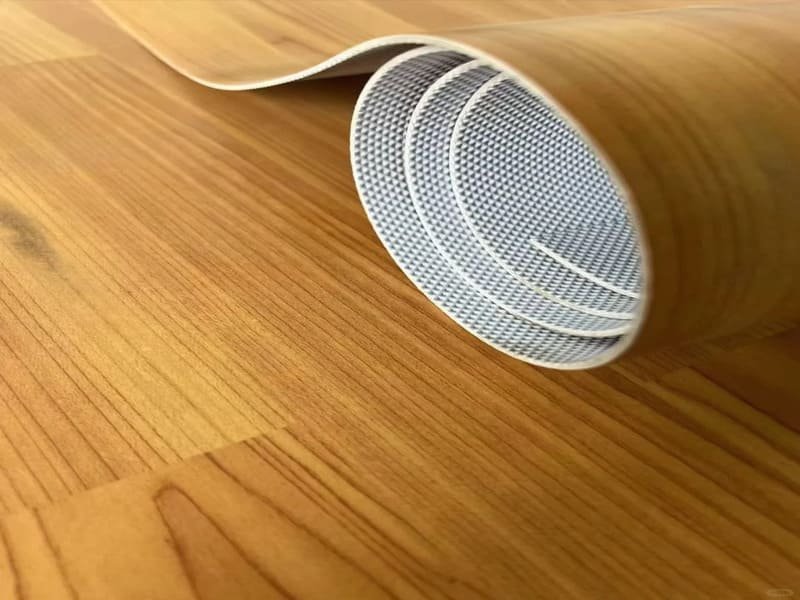
Definire correttamente le specifiche del prodotto in questa fase consente di evitare rielaborazioni successive. Tuttavia, le specifiche rappresentano solo metà del quadro. In qualsiasi progetto concreto, sono spesso la conformità e le pratiche burocratiche a determinare il rifiuto della proposta.
Quali servizi di assistenza in materia di conformità, collaudo e presentazione dei progetti dovresti aspettarti?
Un fornitore qualificato fornisce rapporti di collaudo redatti in conformità alle norme applicabili al vostro prodotto e alla vostra regione, oltre a un fascicolo di documentazione completo e ben organizzato, corrispondente esattamente al codice articolo (SKU) oggetto dell'ordine.
La documentazione di conformità non è un semplice adempimento burocratico e non dovrebbe mai essere trattata come una cartella PDF generica inviata a tutti i clienti. La resistenza al fuoco viene testata secondo norme quali la EN 13501-1 (Bfl-s1) in Europa e la ASTM E648 (Classe 1) in Nord America. Le prove di resistenza allo scivolamento dipendono dal mercato, dal tipo di pavimentazione, dalle condizioni della superficie e dalle specifiche del progetto: i metodi più comuni includono la norma EN 13893 e la norma DIN 51130, ma il fornitore dovrebbe confermare quale prova specifica sia effettivamente richiesta dal progetto, anziché sostituire il risultato di un metodo con quello di un altro. Per quanto riguarda le prestazioni acustiche, qualsiasi valore ΔLw o IIC ha significato solo se indica specificatamente la combinazione di pavimento e soffitto sottoposta a prova, poiché la riduzione del rumore da calpestio dipende in larga misura dal sottofondo, dal solaio e dal sistema del soffitto, non dal solo pavimento.
| Categoria di test | Standard comuni | Nota |
|---|---|---|
| Resistenza al fuoco | EN 13501-1, ASTM E648 | Conferma la regione di riferimento |
| Resistenza allo scivolamento | EN 13893, DIN 51130 | Il metodo deve essere conforme alle specifiche del progetto |
| Prestazioni acustiche | ΔLw / IIC | Sempre associato a un assemblaggio specifico |
Anche i documenti ambientali e normativi rientrano in categorie distinte, e un buon fornitore li mantiene separati anziché raggrupparli insieme. I documenti relativi all’accesso al mercato, come la marcatura CE con una Dichiarazione di prestazione e le dichiarazioni REACH/SVHC, confermano che il prodotto può essere legalmente venduto e utilizzato in una determinata regione. I documenti sulla qualità dell’aria interna, come FloorScore e GREENGUARD Gold, confermano basse emissioni di COV. I documenti relativi alla sostenibilità, come un EPD (Environmental Product Declaration), i dati sul contenuto riciclato o un certificato ISO 14001 (un sistema di gestione della produzione, non una certificazione del prodotto), descrivono il modo in cui opera lo stabilimento. Sapere quale documento risponde a quale domanda è fondamentale quando si compila un bando di gara.
Oltre ai certificati, un vero e proprio fascicolo di presentazione del progetto include solitamente la scheda tecnica (TDS), i relativi rapporti di prova, la dichiarazione di prestazione, le istruzioni di installazione e manutenzione, la dichiarazione di garanzia e un campione a colori o di controllo corrispondente all’esatto codice del prodotto oggetto dell’offerta. Per le gare d’appalto di maggiore entità, il fornitore dovrebbe inoltre essere in grado di commissionare ulteriori prove di terze parti tramite laboratori quali SGS, TÜV o Intertek, qualora il progetto lo richieda.
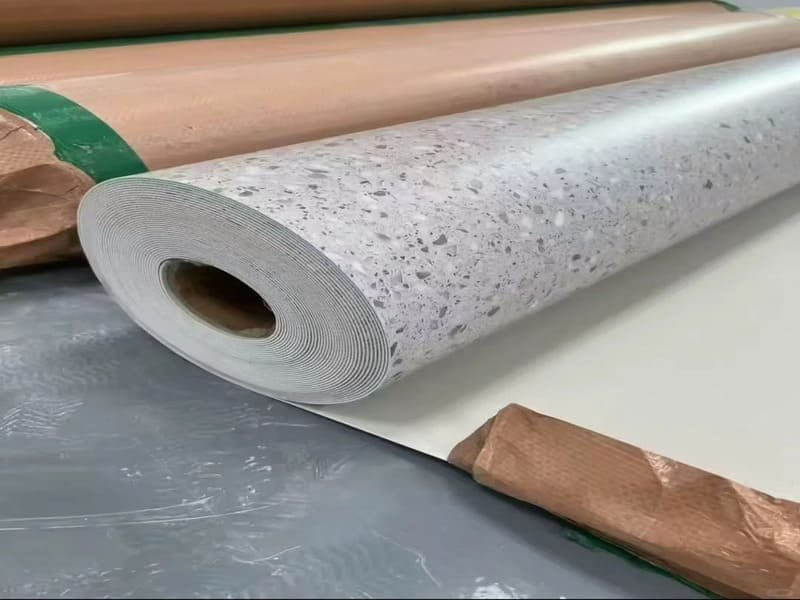
La documentazione conferma che il prodotto è sicuro, conforme alla normativa e corrispondente al codice SKU indicato nell’ordine. Ciò che accade in cantiere rappresenta una sfida a sé stante, che parte dalla compatibilità del sottofondo e dell’impianto.
Quali indicazioni relative all'installazione e alla compatibilità del sistema dovrebbe fornire un fornitore?
Un fornitore dovrebbe indicare i limiti di umidità del sottofondo facendo riferimento ai metodi ASTM corretti e alle condizioni di acclimatazione specifiche del prodotto, oltre a confermare la compatibilità dell’intero sistema di pavimentazione, non solo del pavimento stesso.
La maggior parte dei problemi ai pavimenti che riscontro è riconducibile alle condizioni del sottofondo, non al prodotto in sé. Le prove di umidità devono fare riferimento al metodo corretto per la situazione specifica: ASTM F2170 per l’umidità relativa in situ, ASTM F1869 per il tasso di emissione di vapore di cloruro di calcio e ASTM F710 per la preparazione generale del sottofondo. È importante sottolineare che il metodo di prova da solo non stabilisce il limite di superamento o fallimento: la soglia accettabile dipende dalla combinazione di pavimento, adesivo ed eventuali sistemi di mitigazione dell’umidità utilizzati, pertanto il fornitore deve confermare il limite effettivo per la vostra specifica configurazione.
L'acclimatazione è un altro ambito in cui una regola generica non è sufficiente. Anziché indicare un intervallo generico di “da 24 a 48 ore”, un fornitore dovrebbe specificare le condizioni specifiche per ogni prodotto, relative alla temperatura minima dell’ambiente e del substrato, all’umidità relativa, allo stato di funzionamento dell’impianto di climatizzazione e all’orientamento di stoccaggio prima, durante e dopo l’installazione.
Un buon supporto tecnico considera inoltre la pavimentazione come parte di un sistema, non come un prodotto a sé stante. Ciò significa verificare la compatibilità tra adesivo, primer, composto autolivellante, densità del sottofondo e resistenza alla compressione per i sistemi SPC a incastro e — nel caso del vinile in rotoli — l’abbinamento delle bacchette di saldatura, la disposizione delle giunture e la scelta dei profili a conca o di transizione. Per i grandi progetti con vinile in rotoli, questo supporto può estendersi alla pianificazione della lunghezza dei rotoli, all’ottimizzazione della disposizione delle giunture, ai disegni di posa direzionali, al calcolo degli scarti e all’assegnazione dei lotti stanza per stanza, aspetto che riveste grande importanza nei corridoi di grandi dimensioni o nelle planimetrie di strutture ospedaliere.
I manuali di installazione multilingue e i video illustrativi relativi all’innesto dei profili di chiusura, come i sistemi Unilin, Valinge o I4F, aiutano gli installatori nei diversi cantieri ad acquisire le nozioni di base. Per progetti più grandi o meno familiari, la documentazione da sola spesso non è sufficiente.
Un fornitore dovrebbe offrire assistenza per l'installazione in loco o da remoto?
Non tutti i progetti richiedono la presenza in loco di un tecnico del produttore, ma nel caso di installazioni di grandi dimensioni, alla prima realizzazione o ad alto rischio, il fornitore dovrebbe offrire un servizio di revisione tecnica a distanza, l’approvazione dei modelli di prova o la formazione in loco.
Il supporto viene solitamente fornito a più livelli. La documentazione — manuali, schede tecniche (TDS), video — copre i progetti di routine. Per qualsiasi cosa più complessa, il supporto tecnico a distanza è fondamentale: esaminare foto o video del sottofondo prima dell’inizio dell’installazione, partecipare a una chiamata tecnica pre-installazione o risolvere un problema in videoconferenza durante il lavoro. Per grandi ospedali, stadi, scuole o qualsiasi progetto che preveda l’utilizzo di un nuovo prodotto per la prima volta, un fornitore dovrebbe anche essere in grado di offrire formazione agli installatori, revisione di modelli di prova o ispezione e supervisione in loco, qualora ciò sia giustificato dalle dimensioni del progetto.
Questo approccio a più livelli consente agli acquirenti di ottenere il giusto livello di assistenza senza dover sostenere i costi di un sopralluogo per un ordine residenziale di modesta entità. Per i progetti personalizzati o di grande volume, l’assistenza tecnica deve spesso spingersi ancora più in profondità, fino al prodotto stesso.
Quale supporto tecnico OEM/ODM dovrebbe offrire un produttore di pavimenti?
Un partner industriale affidabile è in grado di valutare se una formulazione esistente sia adatta al clima e all'applicazione previsti, di ridurre le tolleranze dei profili di chiusura e di progettare imballaggi su misura per le spedizioni a lunga distanza.
La formulazione di base influisce direttamente sulle prestazioni di un prodotto nel tempo e non si limita semplicemente al rapporto tra PVC e contenuto riciclato: anche la scelta della resina, il carico di carbonato di calcio, il tipo di plastificante, gli stabilizzanti e le condizioni di lavorazione giocano un ruolo importante. Un fornitore OEM competente è in grado di valutare se la formulazione attuale sia adatta al clima e all’applicazione di destinazione e, quando giustificato, di sviluppare e convalidare nuovamente una formulazione modificata, anziché limitarsi a modificare un rapporto senza effettuare nuovi test.
L'integrità del profilo di incastro dipende dalle tolleranze di precisione del CNC. Piccole variazioni di produzione causano spazi vuoti nei giunti, differenze di altezza tra le doghe (sbalzo) o bordi a incastro danneggiati durante l'installazione. Un rigoroso controllo delle tolleranze in fabbrica previene questi problemi prima ancora che il prodotto raggiunga il cantiere.
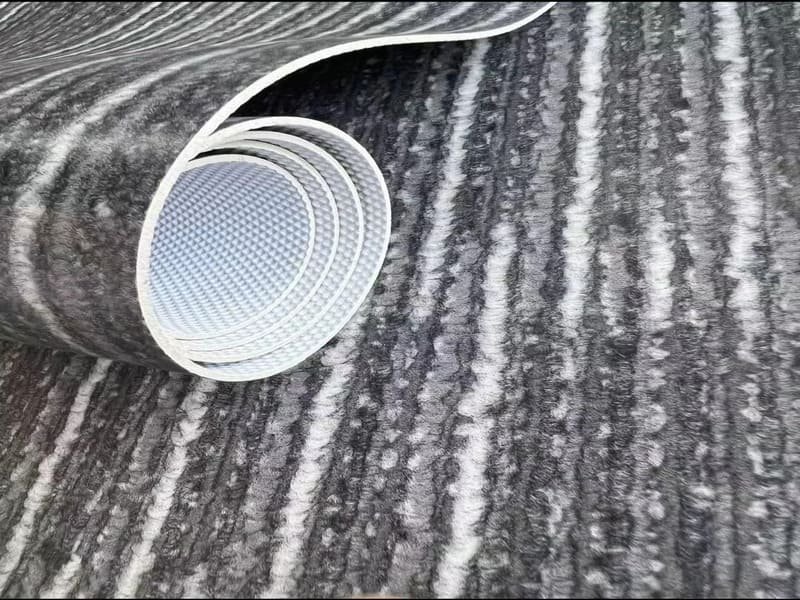
L'ingegneria dell'imballaggio è più importante di quanto la maggior parte degli acquirenti immagini, soprattutto nel caso di trasporti marittimi di lunga durata. I calcoli relativi al carico dei cartoni, la verifica tramite prove di caduta e la pallettizzazione con barriera antiumidità proteggono il prodotto dai danni durante il trasporto. Si tratta di personalizzazione a livello ingegneristico, non solo di capacità produttiva, ed è proprio questo che distingue un partner produttivo da un semplice agente commerciale.
Quale supporto dovrebbero ricevere gli acquirenti in materia di controllo qualità e tracciabilità dei lotti?
Un fornitore affidabile è in grado di tracciare un prodotto a ritroso attraverso i registri delle materie prime, i numeri di lotto e i rapporti di ispezione pre-spedizione, aspetto importante sia prima della spedizione sia nel caso in cui dovesse sorgere un reclamo in un secondo momento.
Gli acquirenti spesso chiedono cosa succede dopo che si presenta un problema, ma è altrettanto importante chiedersi quali controlli di qualità siano stati effettuati prima della spedizione del prodotto. Ciò include la documentazione relativa alle materie prime, i numeri di lotto e di serie dei colori, i controlli dimensionali e di spessore, la verifica dello strato di usura, i controlli sulla resistenza di aggancio e un rapporto di ispezione pre-spedizione. Anche l’etichettatura di cartoni e pallet, collegata all’identificazione del lotto, è importante, specialmente nei progetti in più fasi in cui gli acquirenti devono sapere se il materiale della Fase 1 e della Fase 2 proviene dallo stesso ciclo di produzione.
Questa tracciabilità non è solo una questione di burocrazia fine a se stessa: è ciò che rende l’indagine su un sinistro rapida e basata su prove concrete, anziché un gioco di ipotesi a distanza di mesi.
In che modo un fornitore dovrebbe gestire la risoluzione dei problemi e i reclami post-vendita?
Un fornitore affidabile offre una diagnosi rapida dei difetti da remoto, tempi di risposta definiti in caso di reclamo, conservazione dei campioni di lotto a fini di verifica e condizioni di garanzia chiare.
Quando si verifica un difetto in cantiere, la rapidità è fondamentale. Il fornitore dovrebbe fornire assistenza diagnostica da remoto per individuare la causa principale, che si tratti di deformazioni del sottofondo, deformazioni dovute al calore e all’esposizione al sole o di un tempo di lavorabilità dell’adesivo non corretto. Cercare di indovinare la causa comporta uno spreco di tempo e denaro per tutte le parti coinvolte.
Una procedura di reclamo chiara elimina ogni incertezza. Tra le buone pratiche figurano uno SLA concordato per la prima risposta, ad esempio da 24 a 48 ore, e la conservazione dei campioni per un periodo definito, sufficientemente lungo da consentire un’indagine sul lotto. Si tratta di politiche interne stabilite da un fornitore affidabile, non di standard fissi del settore, pertanto è opportuno confermare in anticipo i termini specifici.
I termini di garanzia dovrebbero distinguere chiaramente i difetti di fabbricazione dai guasti dovuti all’installazione o a fattori ambientali, in modo che gli acquirenti sappiano esattamente cosa è coperto. Le guide alla manutenzione e al ripristino, che trattano la cura dei rivestimenti in PU/UV, i prodotti chimici di pulizia sicuri e i protocolli di riparazione, prolungano la durata del prodotto e riducono il numero di reclami futuri.
Come si valuta un fornitore di pavimenti in PVC prima di effettuare un ordine?
Confronta i fornitori utilizzando una lista di controllo basata su indicatori “rosso” e “verde” che copra aspetti quali la documentazione, le linee guida sui sistemi, la tracciabilità e la risposta ai reclami, quindi poni domande tecniche dirette prima di effettuare il tuo primo ordine di prova.
| Bandiera verde | Bandiera rossa |
|---|---|
| Fornisce la documentazione tecnica completa (TDS), i rapporti di prova e la documentazione di accompagnamento corrispondente | Invia certificati generici non associati allo SKU |
| Garantisce la compatibilità del sistema, non solo del pavimento | La scelta dell'adesivo/del sottofondo è a discrezione dell'acquirente |
| Offre revisione a distanza o assistenza in loco per lavori di grandi dimensioni | Nessun supporto per l'installazione oltre al manuale in formato PDF |
| Conserva i registri di produzione e i dati di controllo qualità tracciabili | Assenza di registrazioni relative ai lotti tracciabili |
| È in grado di valutare e riconvalidare le formulazioni in base alle esigenze degli OEM | Un unico prodotto per ogni mercato |
Prima di effettuare un ordine di prova, consiglio sempre di porre domande dirette: potete mostrarmi i rapporti di prova specifici per questo codice prodotto? Qual è il limite di umidità del sottofondo applicabile alla mia combinazione di adesivo e pavimento? Come gestite l’assistenza a distanza o in loco per un progetto di queste dimensioni? Qual è il vostro tempo di risposta in caso di reclamo? Un fornitore che risponde con dettagli concreti opera come partner tecnico. Chi invece elude la domanda o fornisce risposte generiche probabilmente si limita a rivendere il prodotto di qualcun altro.
Questa lista di controllo non individuerà tutti i rischi, ma permette di escludere i fornitori che non sono in grado di garantire il proprio prodotto con una vera competenza ingegneristica e un servizio di assistenza adeguato.
Conclusione
È il solido supporto tecnico offerto durante l’intero ciclo di vita del progetto, e non il prezzo basso, a distinguere un vero partner nel settore dei pavimenti in PVC da un semplice fornitore.
Hai un progetto specifico relativo ai pavimenti in PVC o una domanda sull'approvvigionamento? Mandami un messaggio privato e ti illustrerò direttamente i dettagli tecnici.