


La migliore pavimentazione in gomma per le palestre degli hotel è in grado di bilanciare un'elevata durata con un basso livello di odore e un ottimo design acustico. I rotoli o le piastrelle in gomma ad alta densità con uno spessore minimo di 8 mm proteggono il sottofondo, riducono le lamentele per i rumori provenienti dalle camere degli ospiti e mantengono un aspetto pulito e di qualità per lo spazio fitness.
La scelta della superficie giusta è una decisione ingegneristica importante per le strutture ricettive. Nei miei anni di produzione di pavimenti in gomma, ho visto molti hotel installare tappeti industriali economici. Questi tappeti hanno un brutto aspetto e riempiono l'aria di un forte odore chimico che allontana gli ospiti. Una palestra d'albergo deve sopportare tapis roulant pesanti e pesi caduti, pur rimanendo silenziosa e fresca. Quando progettiamo una pavimentazione per palestre, teniamo conto della densità, delle materie prime e delle proprietà acustiche. Questo garantisce che il pavimento protegga la vostra proprietà e corrisponda ai vostri obiettivi di progettazione. Questa guida vi aiuterà a comprendere i dati tecnici in modo da poter scegliere l'opzione migliore per il vostro progetto.
Per trovare la soluzione giusta dobbiamo guardare oltre i prezzi di base e considerare le prestazioni totali. Verifichiamo i principali punti dolenti che gli acquirenti di hotel devono affrontare ogni giorno.
Quali sono i principali punti dolenti per gli acquirenti di palestre per hotel?
Gli acquirenti di hotel si preoccupano soprattutto dei cattivi odori, del trasferimento del rumore nelle camere degli ospiti, dello scarso stile visivo e del basso ritorno sull'investimento. La scelta di una pavimentazione commerciale richiede un equilibrio tra la scienza dei materiali e il comfort degli ospiti, per evitare reclami e la sostituzione anticipata del pavimento.
| Punto dolente dell'acquirente | Causa materiale principale | Soluzione ingegneristica |
|---|---|---|
| Cattivo odore di gomma | Pneumatici di scarto riciclati con zolfo di bassa qualità | Gomma vergine o a legame poliuretanico di qualità superiore con processi di cottura a basso contenuto di COV |
| Rumore e vibrazioni | Pavimento sottile o bassa densità di materiale | Rotoli di gomma spessa combinati con un sottofondo acustico specializzato |
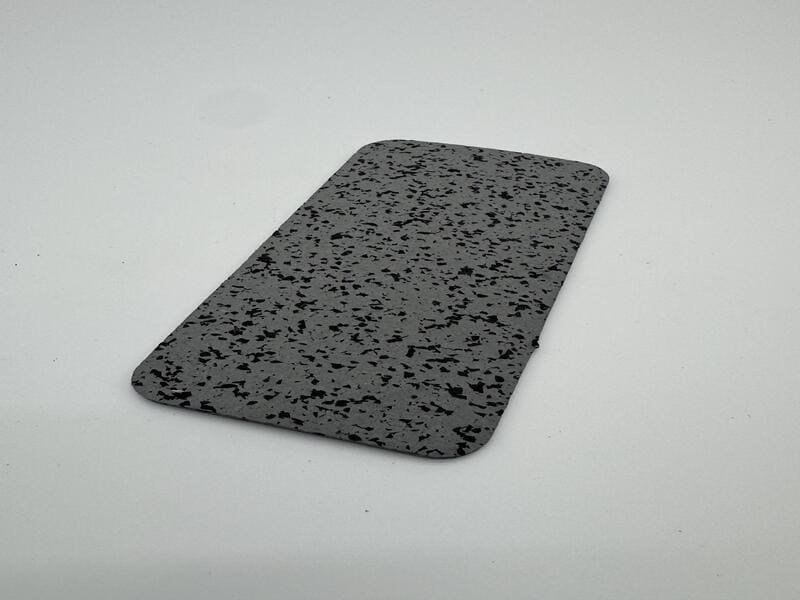
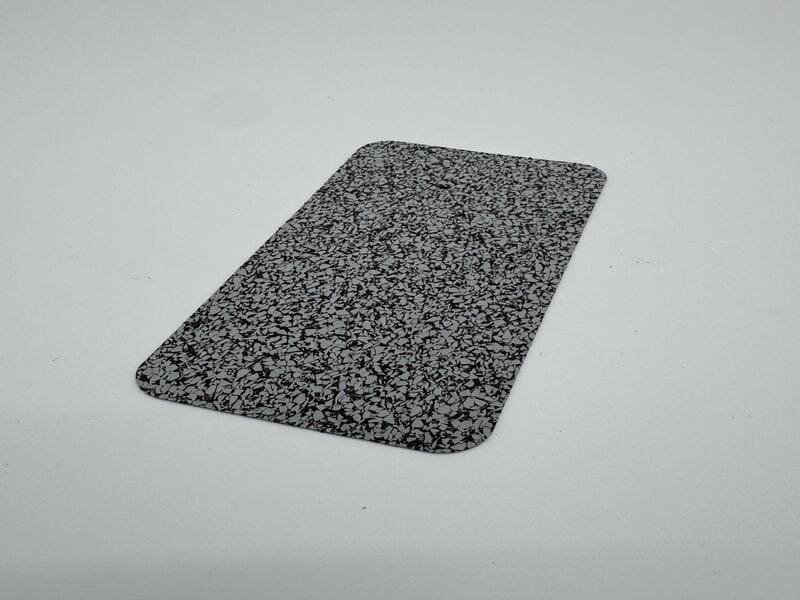
| Brutto look industriale | Stuoie di servizio nere semplici con cuciture grezze | Rotoli senza giunture o piastrelle di taglio quadrato con fiocchi di EPDM ad alta percentuale di colore |
| Costo elevato a lungo termine | Veloce usura, indentature e scrostamento della superficie | Polimeri ad alta resistenza alla trazione con densità corretta |
Ogni hotel presenta problemi strutturali diversi. Il suono viaggia velocemente attraverso i telai dell'edificio quando un manubrio pesante colpisce un pavimento debole. La gomma a basso costo rilascia anche composti organici volatili che danneggiano la qualità dell'aria interna. In qualità di partner di produzione, collaboro con gli ingegneri per risolvere tempestivamente questi problemi di progettazione. Modifichiamo la miscela di polimeri per offrire prestazioni elevate senza un aspetto pesantemente industriale.
Il vero costo di una cattiva progettazione acustica
Una volta ho lavorato con un hotel boutique che utilizzava tappeti economici da 6 mm nella sala fitness del terzo piano. Il rumore dei tapis roulant provocava lamentele da parte degli ospiti delle camere sottostanti. L'hotel ha dovuto chiudere la palestra e spendere tre volte il budget iniziale per un vero sistema acustico.
Questo esempio dimostra perché la scelta del tipo di materiale giusto fin dall'inizio è fondamentale per la vostra proprietà.
Quali sono i tipi di pavimentazione in gomma più adatti all'ospitalità?
Le tre opzioni principali per le palestre degli hotel sono le piastrelle a incastro o quadrate, i rotoli continui senza cuciture e i tappeti vulcanizzati per impieghi gravosi. Ciascuna tipologia presenta vantaggi strutturali distinti, a seconda delle dimensioni della palestra, del budget per l'installazione e del design del layout.
Confronto tecnico tra i tipi di pavimento
| Tipo di pavimentazione | Densità del materiale | Zona di applicazione migliore | Vantaggio principale | Limitazione principale |
|---|---|---|---|---|
| Piastrelle in gomma | da $950{ kg/m}^3$ a $1050{ kg/m}^3$ | Palestre di charme e spazi modulari | Facile sostituzione dei singoli pezzi | Le cuciture visibili possono intrappolare sporco e sudore |
| Rotoli di gomma | da $1000{ kg/m}^3$ a $1100{ kg/m}^3$ | Ampie zone cardio e di forza | Aspetto impeccabile e di qualità | Necessita di un incollaggio completo professionale |
| Tappetini vulcanizzati | da $1150{ kg/m}^3$ a $1250{ kg/m}^3$ | Zone a peso libero estreme | Assorbimento massimo degli urti | Peso elevato e stile di colore limitato |
Capire la costruzione di piastrelle e rotoli
Dal punto di vista della produzione, i rotoli di gomma offrono l'aspetto più pulito per le proprietà di alto livello. Poiché hanno meno cuciture, ci sono meno punti in cui l'acqua può scendere e rovinare il sottofondo. Le piastrelle sono eccellenti per le stanze più piccole o per gli spazi multiuso, perché si possono installare rapidamente senza incollarle. I tappeti vulcanizzati utilizzano calore e pressione estremi per creare un prodotto molto denso. Questi tappeti sono perfetti per le aree più pesanti, ma hanno un aspetto semplice che potrebbe non adattarsi allo stile di un marchio di lusso.
La scelta del tipo di pavimento giusto è il primo passo da compiere. Dopodiché, è necessario esaminare le specifiche metriche tecniche riportate sulle schede tecniche dei prodotti.
Quali parametri di prestazione tecnica proteggono il vostro sottofondo?
I parametri tecnici fondamentali sono lo spessore del materiale, la densità e la miscela di composti. Per le aree cardio standard, utilizzare uno spessore compreso tra 8 e 9,5 mm. Per le zone di sollevamento pesante, utilizzare uno spessore compreso tra 12 e 15 mm per assorbire l'energia e impedire danni profondi al pavimento.
Requisiti di spessore e densità del materiale
| Palestra Zona di allenamento | Spessore consigliato | Metrica della densità target | Obiettivo strutturale principale |
|---|---|---|---|
| Cardio e Yoga | 8 mm ($1/5{text{ inch}$) | $>1000{text{ kg/m}^3$ | Impedisce lo scivolamento e lo sfregamento della macchina |
| Macchine selezionate | 9,5 mm ($3/8{ pollici}$) | $>1050{ kg/m}^3$ | Resiste alle tacche da carico statico permanente |
| Zone di peso libero | Da 12 mm a 15 mm (da $1/2$ a $5/8{pollici}$) | $>1150{ kg/m}^3$ | Assorbe le gocce ad alta energia cinetica |
Perché la chimica dei materiali è importante
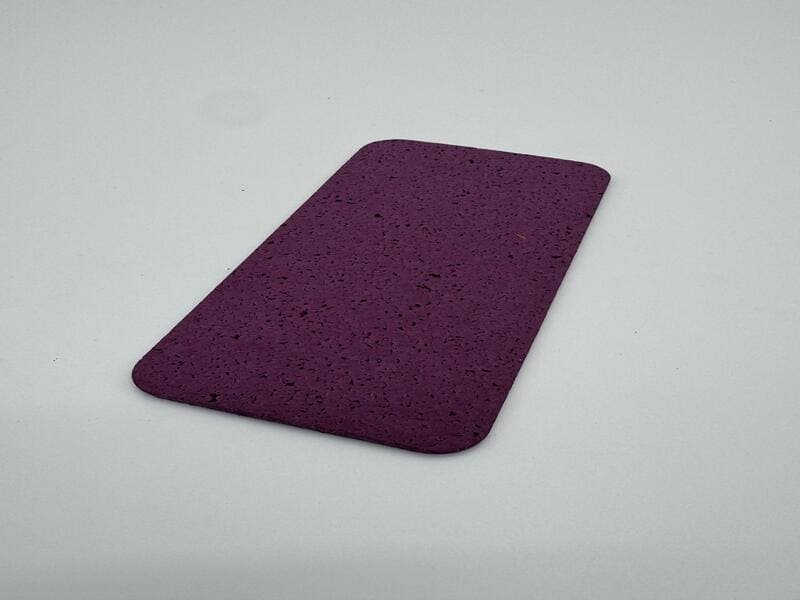
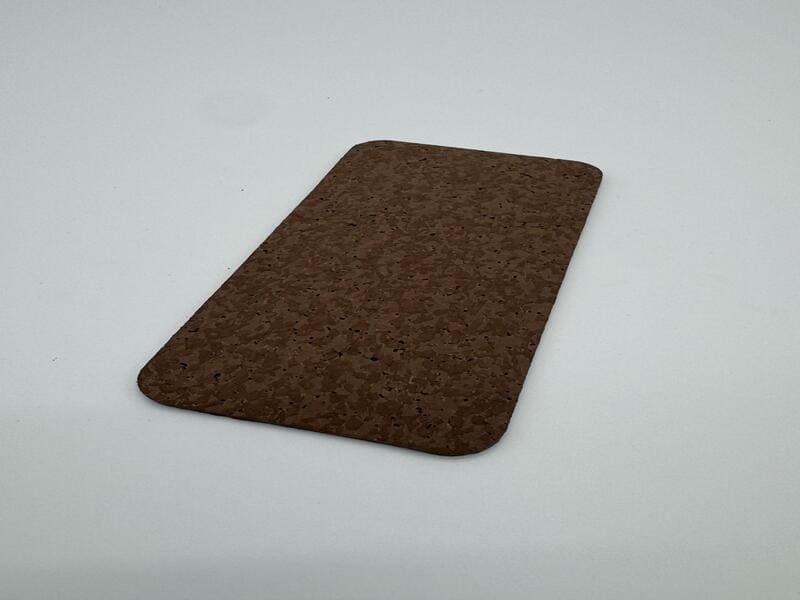
Molti pensano che la gomma nera sia tutta uguale, ma è la chimica a determinarne le prestazioni. La gomma riciclata di bassa qualità utilizza una polimerizzazione a basso contenuto di zolfo che lascia un cattivo odore di pneumatico per mesi. La produzione di qualità superiore utilizza leganti poliuretanici di alta qualità e un processo di riscaldamento lento per eliminare gli odori. L'aggiunta di chiazze colorate di gomma sintetica EPDM (Ethylene Propylene Diene Monomer) rende il pavimento più bello e aiuta a nascondere i piccoli graffi e la polvere dell'uso quotidiano.
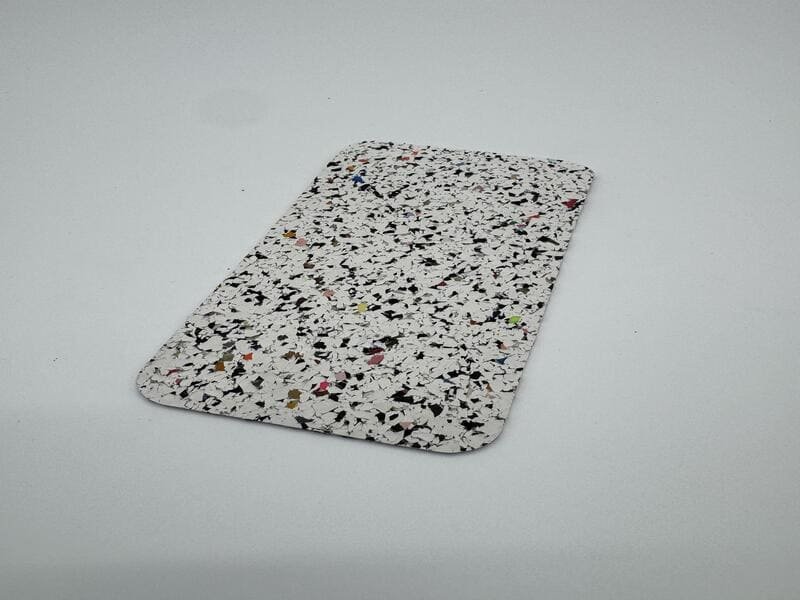
L'alta densità impedisce ai tapis roulant pesanti di lasciare ammaccature permanenti sul pavimento. Vediamo poi le norme di sicurezza e di conformità necessarie per gli edifici commerciali.
Quali sono gli standard acustici e di sicurezza per l'ospitalità richiesti?
Le pavimentazioni per il fitness commerciale devono soddisfare severe norme di sicurezza, tra cui le classificazioni della Classe di isolamento all'impatto per il suono, le certificazioni FloorScore per la qualità dell'aria e le classificazioni antincendio di Classe 1. Queste specifiche testate proteggono gli ospiti e tutelano le attività commerciali. Queste specifiche testate proteggono i vostri ospiti e tutelano la vostra azienda da rischi legali.
Metriche di conformità e sicurezza certificate
| Tipo standard | Metodo di prova Riferimento | Valutazione minima richiesta | Scopo dell'ospitalità |
|---|---|---|---|
| Prestazioni acustiche | ASTM E492 / E989 | ${testo{IIC } \50$ (più alto è meglio) | Blocca i rumori strutturali e i tonfi |
| Qualità dell'aria / VOC | Sezione CA 01350 | Certificato FloorScore | Garantisce l'assenza di odori chimici tossici |
| Resistenza allo scivolamento | ASTM C1028 | $ testo{COF } \0,6$ (umido e secco) | Previene gli scivolamenti e le lesioni degli ospiti |
| Sicurezza antincendio | ASTM E648 | Flusso radiante critico di classe 1 | Soddisfa le norme locali in materia di edilizia commerciale |
Progettare per il suono e la sicurezza
La classe di isolamento agli impatti indica la capacità di un pavimento di impedire ai rumori da impatto di attraversare le lastre di cemento. Se la palestra si trova sopra le camere degli ospiti, un semplice foglio di gomma non è sufficiente. È necessario un sistema ingegnerizzato a doppio strato o un sottofondo acustico ad alte prestazioni per bloccare le vibrazioni profonde. Per la sicurezza, un elevato coefficiente di attrito impedisce agli ospiti di scivolare quando il pavimento è bagnato dal sudore o dall'acqua.
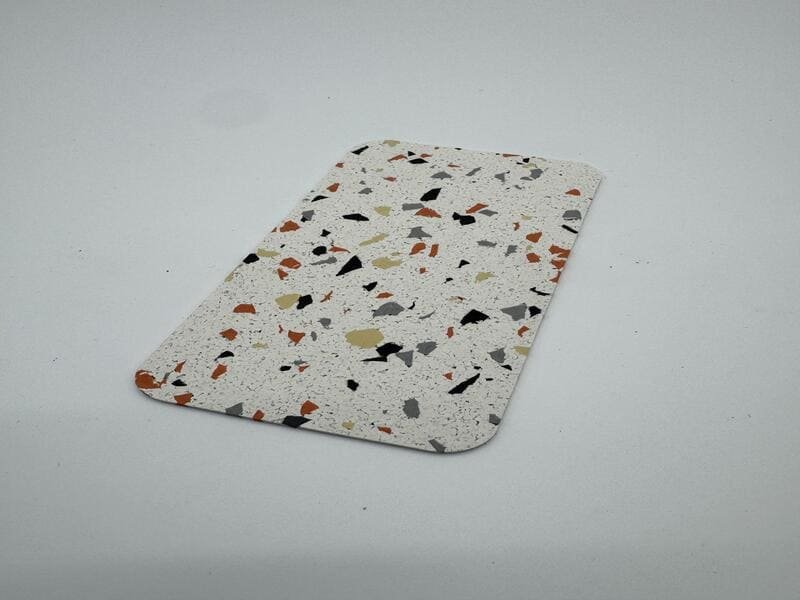
La scelta di un pavimento certificato garantisce la sicurezza dei vostri ospiti. Ora vediamo come mantenere il pavimento in modo che abbia un aspetto sempre nuovo.
Come mantenere i pavimenti in gomma per evitare danni?
Mantenete puliti i vostri pavimenti in gomma passando quotidianamente l'aspirapolvere e passando uno straccio leggero con un detergente a pH neutro. Non utilizzate candeggina, soluzioni acide o solventi a base di olio perché rompono i legami della gomma e rovinano la superficie.
Pratiche di manutenzione approvate
| Processi consentiti | Azioni vietate | Fattore di rischio chimico |
|---|---|---|
| Aspirazione con testina senza spazzole | Utilizzo di un aspirapolvere con una barra rigida e rotante | Graffia la superficie e strappa le fibre |
| Spazzolatura umida con sapone a pH neutro | Allagamento del pavimento con acqua in eccesso | L'acqua si infiltra nelle giunture e fa marcire l'adesivo. |
| Pulizia dei mop in microfibra | Utilizzo di candeggina, acetone o detergenti a base di petrolio | Rompe i leganti poliuretanici |
| Polimerizzazione controllata in fabbrica | Uso della cera topica per far risplendere i punti opachi | Provoca la fioritura e l'opacizzazione della paraffina |
Prevenzione della fioritura superficiale
In qualità di ingegnere sviluppatore, so che i processi di produzione scadenti possono causare la comparsa di una pellicola bianca sulla gomma nel corso del tempo. Si tratta della cosiddetta fioritura della paraffina. Si verifica quando le fabbriche utilizzano agenti distaccanti a basso costo nei loro stampi. Noi utilizziamo tecniche di stampaggio pulite e avanzate per impedire alla cera di salire in superficie. In questo modo il vostro pavimento mantiene un aspetto nitido e nero intenso, senza bisogno di essere costantemente sfregato.
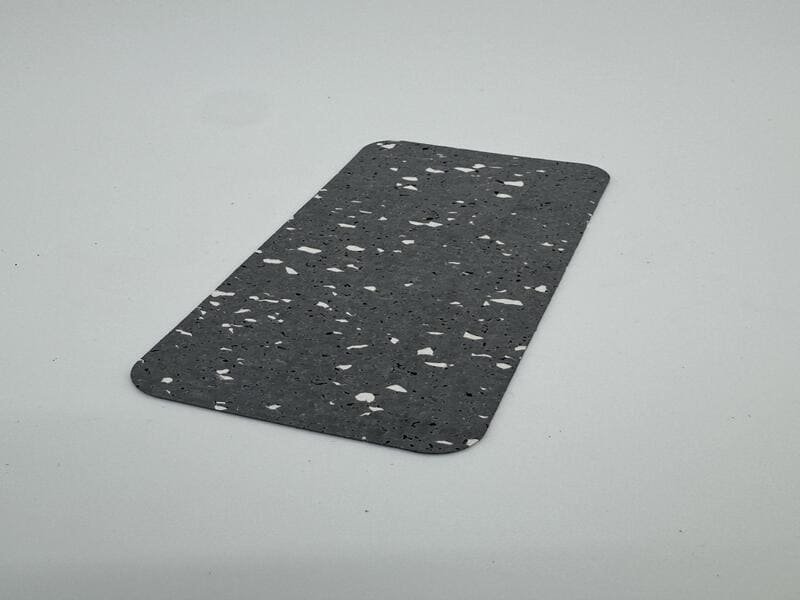
Con una buona routine di pulizia, il vostro investimento durerà a lungo. Vediamo la guida riassuntiva finale per aiutarvi nella scelta.
Conclusione
La migliore pavimentazione in gomma si adatta alle esigenze specifiche del layout dell'edificio, del budget e delle aspettative degli ospiti. Per la maggior parte delle palestre di hotel di fascia alta, i rotoli di gomma a basso odore da 9,5 mm con chiazze di EPDM da 10% a 20% offrono il miglior equilibrio tra stile senza soluzione di continuità, resistenza e valore. Se la palestra si trova a un piano superiore, abbinare sempre la pavimentazione a un sottofondo acustico ingegnerizzato per evitare problemi di rumore.
Collegatevi con il nostro team di ingegneri
State progettando o aggiornando un centro fitness per hotel? Inviatemi un messaggio diretto per ricevere consigli tecnici, schede tecniche dei materiali o campioni gratuiti dei prodotti. Lavoriamo insieme per trovare il pavimento a basso odore e a bassa rumorosità perfetto per il vostro marchio.
DM me oggi stesso per iniziare la vostra consulenza sui prodotti!