


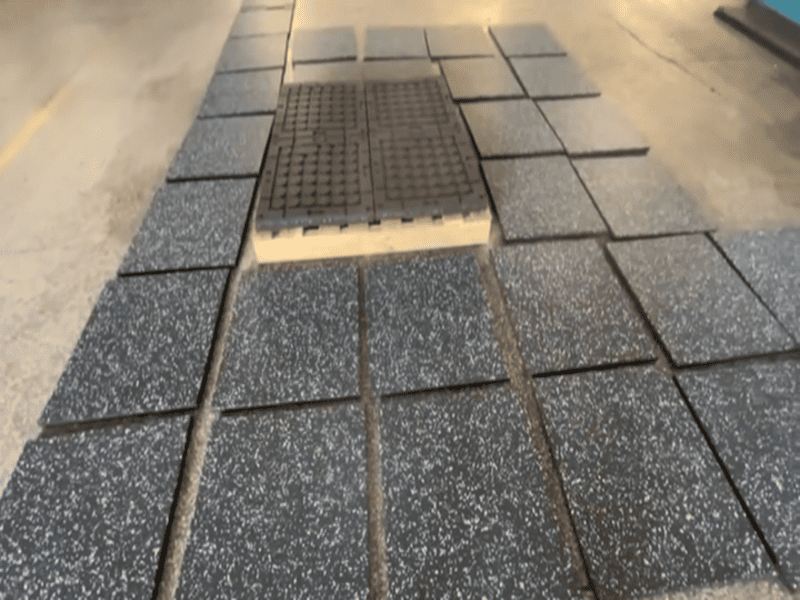
Alcuni pavimenti in gomma per palestre risultano troppo rimbalzanti perché hanno una bassa densità di produzione, un elevato contenuto di vuoti d'aria o una miscela di polimeri non corretta. Quando la pavimentazione in gomma non è adeguatamente compressa durante la produzione, trattiene l'energia invece di assorbirla, creando un effetto trampolino instabile e pericoloso.
Quando si progetta uno spazio fitness professionale, ci si aspetta che la pavimentazione funga da solida base. Tuttavia, in qualità di responsabile della produzione che supervisiona l'intera linea di produzione, mi capita spesso di vedere come piccoli errori nella selezione e nella lavorazione dei materiali portino a prestazioni scadenti del pavimento. Il problema principale è rappresentato dalle proprietà fisiche del tappetino in gomma. Se una fabbrica utilizza granuli di gomma di grandi dimensioni e applica una bassa pressione durante il processo di stampaggio, la piastrella finale contiene microscopiche sacche d'aria. Queste sacche d'aria si comprimono sotto i piedi e si espandono rapidamente, rimandando la forza direttamente al corpo. Il vero assorbimento degli urti richiede che il materiale distrugga l'energia dell'impatto, non che la restituisca. Da un punto di vista ingegneristico, un pavimento eccessivamente elastico significa che il prodotto non soddisfa gli standard di distribuzione del carico di base richiesti per la sicurezza delle palestre.
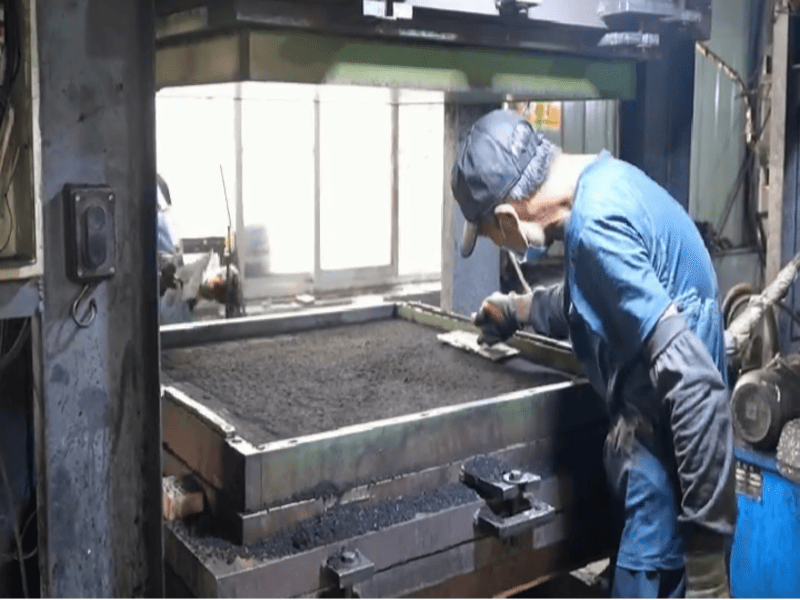
Prima di procedere alla posa, è necessario capire come reagisce il pavimento sotto i pesi, quindi analizziamo le differenze meccaniche tra i vari tipi di prodotto.
Esiste una differenza tra rimbalzo e assorbimento degli urti?
No, il rimbalzo e l'assorbimento degli urti sono comportamenti meccanici opposti, perché il rimbalzo restituisce all'utente l'energia cinetica, mentre il vero assorbimento degli urti dissipa completamente tale energia.
| Proprietà | Azione per l'energia | Comportamento del materiale principale | Palestra Valore dell'applicazione |
|---|---|---|---|
| Rimbalzo (elasticità) | Restituisce la forza di risalire | Elevato rimbalzo e flessione superficiale | Pessimi per il sollevamento di carichi pesanti, pessimi per l'equilibrio |
| Assorbimento degli urti | Distribuisce la forza lateralmente | Morte energetica all'interno degli strati di gomma | Ottimo per le fughe, protegge il sottofondo |
Come la fisica dei materiali separa la forza di ritorno dalla forza di morte
Nel nostro stabilimento di produzione, misuriamo il modo in cui i materiali gestiscono la forza cinetica attraverso test precisi. La vera attenuazione degli urti avviene quando la matrice polimerica della gomma assorbe la forza d'urto e la distribuisce orizzontalmente attraverso i legami interni del materiale. Questa azione trasforma l'energia cinetica in piccole quantità di energia termica. Quando un pavimento rimbalza, significa che il materiale ha un'elevata elasticità e una bassa densità. L'energia entra nel tappetino, si immagazzina nelle catene polimeriche o nelle sacche d'aria e ritorna istantaneamente.
Per un'area di sollevamento pesante, è necessario un tappetino ad alta densità che non dia alcun rimbalzo per mantenere stabile il sollevatore. Se si costruisce un'area cardio o pliometrica, si può usare una piccola quantità di materiale elastico per ridurre l'affaticamento delle articolazioni, ma non deve mai sembrare un trampolino.
Questi problemi si riscontrano spesso nei tappetini fitness economici, quindi esaminiamo i principali errori di produzione e di impostazione che causano questo rimbalzo.
Quali sono i 4 motivi principali per cui il pavimento della palestra in gomma è troppo rimbalzante?
Le quattro ragioni principali sono la bassa densità del materiale con un elevato contenuto d'aria, le miscele di polimeri sbagliate, lo spessore errato delle piastrelle e i metodi di installazione del sottofondo inadeguati.
| Motivo | Causa tecnica | Risultato nel mondo reale | Soluzione di fabbrica |
|---|---|---|---|
| Bassa densità | Granuli grandi, bassa pressione | Le sacche d'aria interne agiscono come molle | Aumento del peso di compressione |
| Polimero sbagliato | Troppo lattice o EPDM | L'elasticità del materiale naturale è troppo elevata | Utilizzare mollica vulcanizzata ad alta densità |
| Spessore errato | Supporto in schiuma spessa di bassa qualità | Il pavimento si muove troppo sotto i piedi | Utilizzare piastrelle massicce da 8 o 10 mm |
| Sottofondo scadente | Sottofondo molle o aria non ben distribuita | La gomma si piega negli interstizi del pavimento | Incollare le piastrelle al calcestruzzo solido |
Uno sguardo tecnico ai difetti di produzione e agli errori di installazione
In qualità di direttore di fabbrica, so che i pavimenti per palestre di alta qualità richiedono materie prime precise. Le piastrelle in gomma riciclata a basso costo spesso utilizzano brandelli di gomma grandi e irregolari invece di granuli fini. Quando gli operai pressano questi grossi pezzi insieme a leganti poliuretanici di bassa qualità, il composto non riesce a compattarsi saldamente. Questo errore lascia troppi vuoti d'aria all'interno del prodotto. Inoltre, se una fabbrica aggiunge alla mescola un'eccessiva quantità di EPDM sintetico o di miscele di lattice a basso costo, il foglio di gomma acquista un'elasticità naturale eccessiva.
Anche la scelta dell'applicazione è importante. Se si posiziona una piastrella ad incastro morbida da mezzo pollice su un sottofondo di compensato debole che già si piega, si combinano due materiali flessibili. Questo errore raddoppia l'effetto di rimbalzo. Inoltre, se si stendono i tappetini senza un adesivo completo, l'aria rimane intrappolata sotto i pesanti fogli di gomma. Ogni volta che si scende, si comprime il cuscino d'aria, il che fa sì che il pavimento si sollevi e torni a molleggiare sotto i piedi.
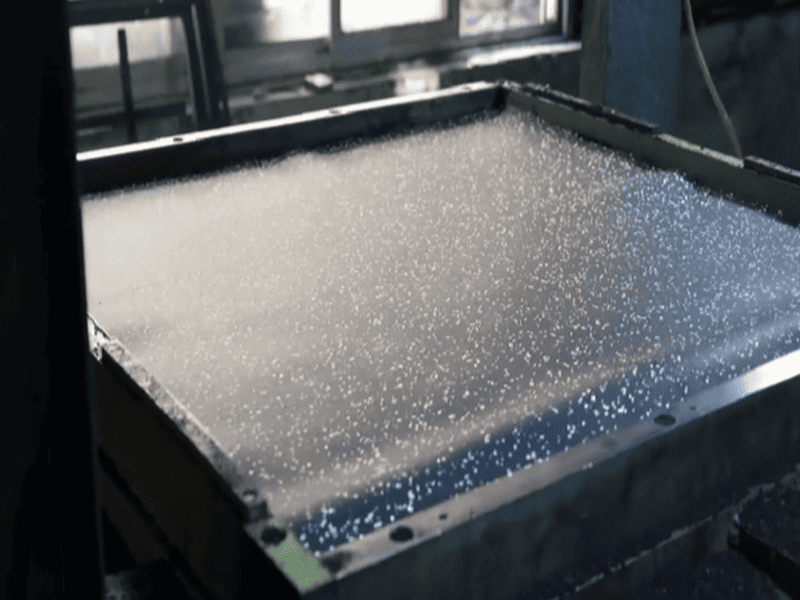
Questo movimento indesiderato non è solo fastidioso, quindi esaminiamo i gravi rischi che comporta per la vostra struttura.
Perché l'eccesso di rimbalzi è un problema importante per la sicurezza in palestra?
L'eccesso di rimbalzi è un problema importante perché rovina la stabilità del sollevamento, causa pericolosi rimbalzi del bilanciere e accelera l'usura dell'attrezzatura da palestra.
| Tipo di rischio | Impatto sull'utente | Impatto delle apparecchiature | Livello di sicurezza |
|---|---|---|---|
| Instabilità di sollevamento | Tensione articolare, perdita di equilibrio | Distribuzione del peso sbilanciata | Pericoloso per caviglie e ginocchia |
| Rimbalzo con bilanciere | Lesioni improvvise causate dal rimbalzo della barra | Piastre paraurti incrinate | Alto rischio per le persone vicine |
| Usura del materiale | Cattivo appoggio e affaticamento elevato | Rapida spaccatura dei tappeti di gomma | Riduce la durata di vita del prodotto |
I pericolosi difetti ingegneristici delle superfici fitness instabili
Quando un atleta esegue squat, deadlift o overhead press pesanti, il suo corpo ha bisogno di una base completamente solida. Un pavimento di gomma che rimbalza cede sotto i talloni durante la parte più profonda di un sollevamento. Questo movimento provoca un disallineamento della catena cinetica, che costringe le caviglie e le ginocchia a oscillare per trovare l'equilibrio. Questa instabilità provoca strappi articolari acuti e strappi muscolari.
Il pericolo aumenta quando i pesi vengono lasciati cadere. Quando un utente lascia cadere un bilanciere carico su una superficie di gomma a bassa densità ed elastica, il pavimento restituisce la forza invece di annullarla. Il bilanciere può rimbalzare verso l'alto con un percorso imprevedibile, che può colpire il sollevatore o gli astanti. Dal punto di vista della durata del prodotto, un pavimento che si flette troppo non riesce a proteggere il sottofondo. La costante flessione interna lacera i legami del poliuretano all'interno del tappetino, causando lo sgretolamento della gomma e la rottura delle costose piastre paracolpi.
È possibile evitare facilmente questi pericoli se si sa come ispezionare i materiali, quindi vediamo alcuni semplici test di fabbrica.
Come si fa a testare e identificare la gomma rimbalzante prima dell'acquisto?
Prima di procedere all'acquisto, è possibile identificare la gomma rimbalzante controllando il grado di durezza Shore A, verificando la densità metrica del materiale ed eseguendo un test manuale con il martello.
| Tipo di test | Obiettivo metrico | Strumento utilizzato | Obiettivo dell'ispezione |
|---|---|---|---|
| Test di durezza | Shore da 60A a 75A | Calibro durometrico | Misura la compattezza della superficie |
| Controllo della densità | Superiore a 950 kg/m³ | Bilancia e calcolatrice | Assicura un basso contenuto di vuoti d'aria |
| Test di spinta | Suono morto, nessun rimbalzo | Mazza o tacco pesante | Verifica l'assorbimento della forza nella vita reale |
Metodi di ispezione tecnica per un approvvigionamento intelligente dei prodotti
Quando si richiedono campioni di prodotto a un produttore di gomma, è necessario esaminare la scheda tecnica. In primo luogo, è necessario esaminare il grado di durezza Shore A, che viene misurato con uno strumento durometro calibrato. Una piastrella da palestra adeguata per l'allenamento pesante deve avere un punteggio di durezza compreso tra Shore 60A e 75A. Qualsiasi valore inferiore significa che il pavimento è troppo morbido e rimbalza.
In secondo luogo, calcolare la densità del materiale. Una pavimentazione commerciale affidabile deve avere una configurazione di densità superiore a 950 kg/m³. Se il fornitore non è in grado di fornire questo valore o se il valore è inferiore a 850 kg/m³, significa che il prodotto contiene troppa aria. Infine, eseguire un test di resistenza fisica. Posizionate la piastrella campione sul cemento piano e colpitela con forza con un pesante martello di gomma. Se il martello si solleva rapidamente in aria, il pavimento è elastico. Se il martello colpisce con un suono sordo e morto e si ferma all'istante, il materiale si comporta bene sotto i pesi.
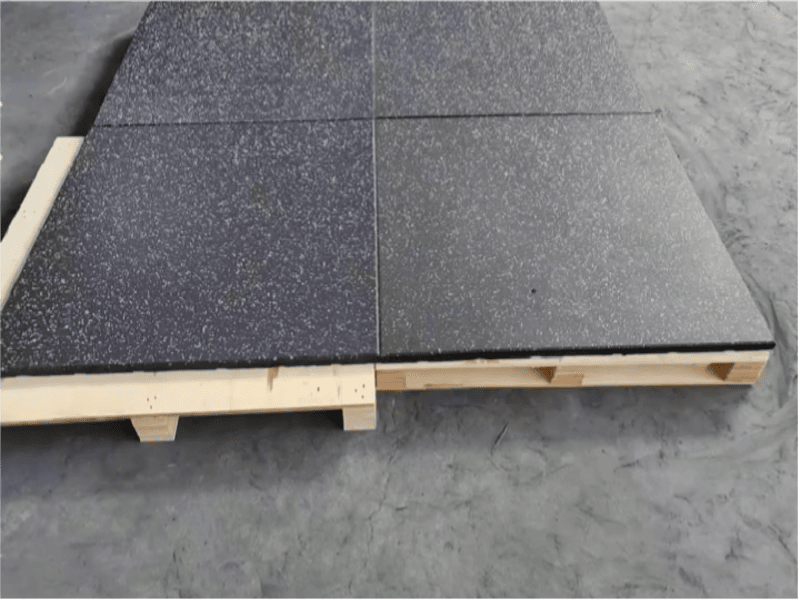
Se avete già installato un pavimento elastico, non preoccupatevi perché ci sono modi pratici per risolvere il problema.
Come si può riparare una pavimentazione esistente della palestra che rimbalza?
È possibile riparare un pavimento da palestra rimbalzante fissando il sottofondo flessibile in legno, utilizzando una colla adesiva poliuretanica a tutta superficie o installando piattaforme di sollevamento in legno massiccio.
| Metodo di correzione | Materiale richiesto | Fase del processo | Risultato atteso |
|---|---|---|---|
| Riparazione del sottofondo | Viti extra, legno massiccio | Fissare i fogli di compensato sciolti | Blocca la deflessione dei travetti del pavimento |
| Colla giù | Colla poliuretanica, cazzuola | Stendere l'adesivo sulla base di cemento | Uccide completamente il cuscino d'aria |
| Piattaforme di sollevamento | Inserti in quercia, cuscinetti a goccia densi | Posizionare le piattaforme sulla gomma difettosa | Crea una zona di sollevamento solida come una roccia |
Soluzioni ingegneristiche per correggere le installazioni instabili delle palestre
Se il vostro attuale pavimento sembra un trampolino, dovete innanzitutto controllare lo strato di fondazione. Rimuovete una piastrella e verificate se le lastre di legno sottostanti si piegano quando saltate. In tal caso, aggiungete delle viti supplementari ogni 15 cm nei travetti per bloccare il movimento.
Il modo migliore per eliminare l'effetto molla dai rotoli di gomma o dai tappetini ad incastro è un'operazione di incollaggio a tutto campo. È necessario utilizzare una spatola dentata per spalmare la colla poliuretanica premium sulla base di calcestruzzo, quindi far rotolare la gomma nell'adesivo bagnato. Questo processo riempie le piccole fessure sotto il tappetino e fa aderire la gomma direttamente al calcestruzzo pesante, eliminando ogni ritorno di energia. Se non avete il budget necessario per incollare l'intero spazio commerciale, potete adattare le vostre zone di sollevamento pesante. Costruite o acquistate piattaforme di sollevamento pesanti che utilizzino inserti in legno massiccio come base d'appoggio e le delimitino con tappetini di gomma vulcanizzata ad altissima densità per gestire in modo sicuro le cadute del bilanciere.
Per evitare questi costi di riparazione nel vostro prossimo progetto, utilizzate la nostra guida alla selezione della fabbrica per acquistare i tappetini corretti fin dall'inizio.
Guida all'acquisto: Come scegliere il giusto pavimento in gomma non rimbalzante?
Per scegliere il pavimento in gomma non rimbalzante giusto, è necessario adattare la densità del prodotto al tipo di allenamento, scegliere piastrelle vulcanizzate per i pesi ed evitare le alternative in schiuma a basso costo.
| Zona di allenamento | Scelta del prodotto migliore | Spessore ideale | Cosa evitare completamente |
|---|---|---|---|
| Powerlifting e pesi | Piastrelle vulcanizzate ad alta densità | Da 8 mm a 12 mm | Morbidi tappetini di bilancio ad incastro |
| Allenamento incrociato e funzionale | Rotoli di gomma densa | Da 8 a 10 mm | Piastrelle porose spesse senza colla |
| Cardio e fitness leggero | Rotoli standard di gomma friabile | Da 6 mm a 8 mm | Piastrelle puzzle in schiuma EVA di bassa qualità |
Consigli della fabbrica per la selezione delle specifiche di approvvigionamento
Quando si acquistano i materiali per una sala pesi commerciale, è necessario richiedere piastrelle in gomma vulcanizzata ad alta densità con uno spessore compreso tra 8 e 12 mm. La vulcanizzazione utilizza calore e pressione estremi per fondere insieme i legami di gomma, eliminando tutti i vuoti d'aria e dando una sensazione di perfetta solidità. Per le aree di fitness funzionale che gestiscono allenamenti ad alta intensità, acquistate rotoli di gomma tagliati a macchina. Questi rotoli hanno cuciture strette che impediscono ai bordi di spostarsi, mantenendo la superficie stabile durante i movimenti rapidi.
È necessario evitare le tessere per puzzle in schiuma EVA a basso costo che sembrano di gomma. Le tessere in schiuma hanno un elevato contenuto di sacche d'aria e si deformano in modo permanente sotto i manubri pesanti. Evitate anche le tessere porose spesse e a basso costo che sembrano leggere quando le prendete in mano. Queste piastrelle economiche consentono di risparmiare sul materiale di gomma grezza, lasciando un pavimento insicuro e molleggiato che rovina le prestazioni dell'allenamento.

Conclusione
Un ottimo pavimento da palestra deve assorbire l'energia d'impatto, non farla rimbalzare sull'atleta. Un eccesso di rimbalzo significa che il pavimento ha una bassa densità, polimeri sbagliati o una cattiva installazione.
Se siete confusi sulla scelta del materiale giusto per il vostro centro fitness o se la vostra attuale pavimentazione in gomma presenta instabilità e rimbalzi eccessivi, vi invitiamo a inviami un messaggio diretto! In qualità di responsabile della produzione, posso fornire consulenze ingegneristiche professionali e soluzioni di produzione personalizzate per aiutarvi a evitare le trappole dei materiali a bassa densità.