


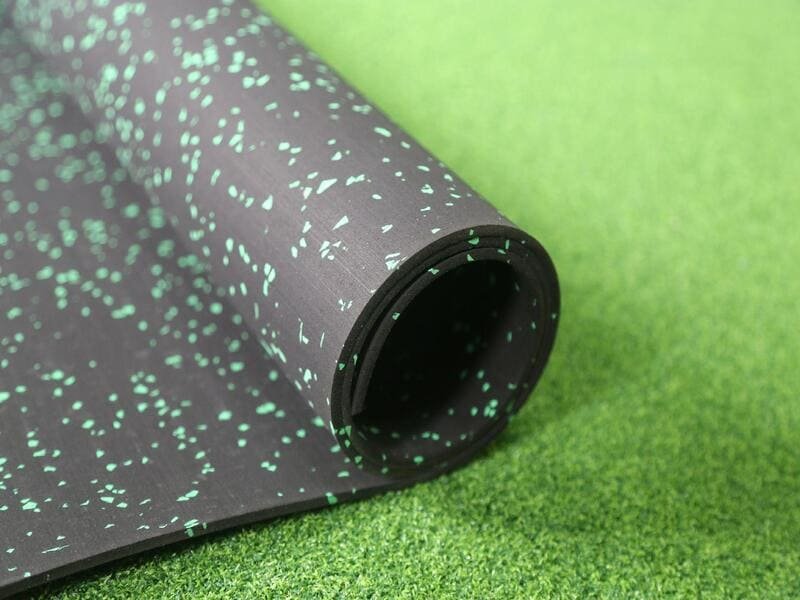
Sì, i pavimenti in gomma sono compatibili con il calore radiante, ma le prestazioni dipendono dalla densità e dallo spessore. Per ottenere la massima efficienza, utilizzare gomma vulcanizzata ad alta densità con uno spessore compreso tra 6 mm (1/4") e 9 mm (3/8"). La maggior parte dei produttori raccomanda di limitare la temperatura della superficie del pavimento a 28°C (82°F) per evitare la formazione di off-gassing e il cedimento dell'adesivo.
La gomma è un isolante termico naturale, il che significa che resiste al flusso di calore. Tuttavia, questo non significa che sia incompatibile con il riscaldamento a pavimento. L'obiettivo è bilanciare la densità del materiale con la resa del sistema. I rotoli ad alta densità consentono il passaggio del calore per conduzione in modo molto più efficace rispetto ai tappeti sciolti e porosi. Se la gomma è troppo spessa, agisce come una barriera, costringendo il sistema di riscaldamento a lavorare di più e danneggiando potenzialmente il sottofondo. Se invece è sottile e densa, crea una superficie elastica che trattiene il calore anche dopo che il sistema si è spento.
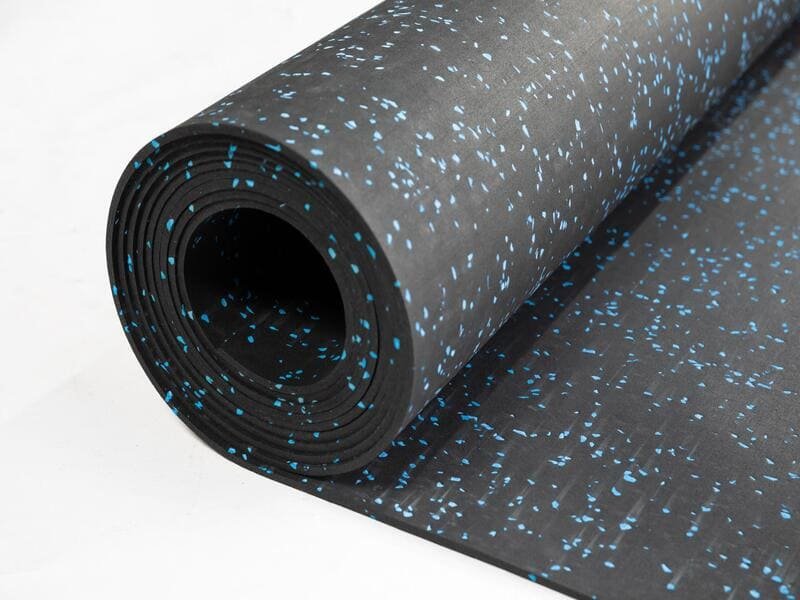
Prima di iniziare un'installazione, l'utilizzo di una guida alla compatibilità aiuta a determinare se il tipo di gomma specifico e il sistema di riscaldamento sono un abbinamento sicuro.
Compatibilità rapida: Cosa funziona e cosa evitare?
La configurazione migliore per il calore radiante è un sistema idronico (a base d'acqua) abbinato a rotoli di gomma vulcanizzata ad alta densità da 6 a 8 mm. Evitate i materassini ad assorbimento d'urto spessi (15 mm o più) e i tappetini in gomma riciclata a bassa densità, perché possono intrappolare il calore, ridurre l'efficienza del sistema e generare forti odori di gomma.
La scelta del materiale influisce direttamente sulla resistenza termica del pavimento. I tappeti più spessi e morbidi contengono più sacche d'aria, che agiscono come una barriera al trasferimento di calore. tappeti da palestra in gomma contengono più sacche d'aria, che agiscono come una barriera al trasferimento di calore. Per chi utilizza sistemi di film o cavi elettrici, è fondamentale utilizzare un termostato con un sensore a pavimento per garantire che la gomma non raggiunga mai un punto in cui i legami fisici del materiale inizino ad ammorbidirsi o a rilasciare composti organici volatili (VOC).
Matrice di selezione per il successo del calore radiante
| Caratteristica | Consigliato (migliori prestazioni) | Usare con cautela | Evitare (rischio elevato) |
|---|---|---|---|
| Materiale | EPDM vulcanizzato o vergine ad alta densità | Gomma piuma riciclata standard | Gomma espansa o morbida |
| Spessore | Da 6 mm a 9 mm (da 1/4" a 3/8") | Da 10 mm a 12 mm | 15 mm+ (oltre 1/2") |
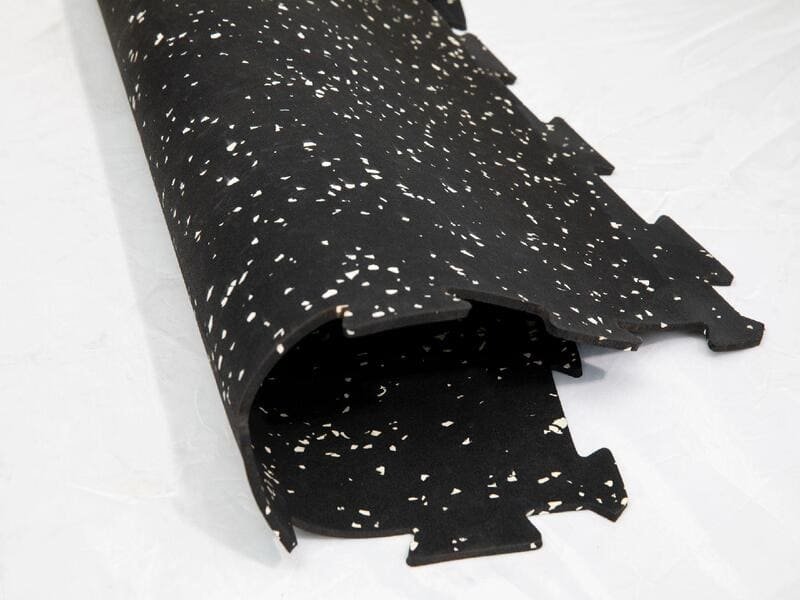
| Formato | Rotoli di gomma senza saldatura | Piastrelle ad incastro (6 mm-8 mm) | Tappetini antiurto spessi e ponderati |
| Tipo di riscaldamento | Idronico (a pavimento) | Elettricità adeguatamente regolata | Tappeti elettrici non regolamentati |
La gomma ad alta densità fa sì che il sistema di riscaldamento non faccia il doppio della fatica per penetrare nel pavimento. Molti impianti sportivi utilizzano pavimenti in gomma in ambienti di formazione dove la durata, la resistenza e il comfort termico sono fondamentali. Se il materiale è troppo spesso, le bollette energetiche aumentano mentre la superficie del pavimento rimane tiepida.
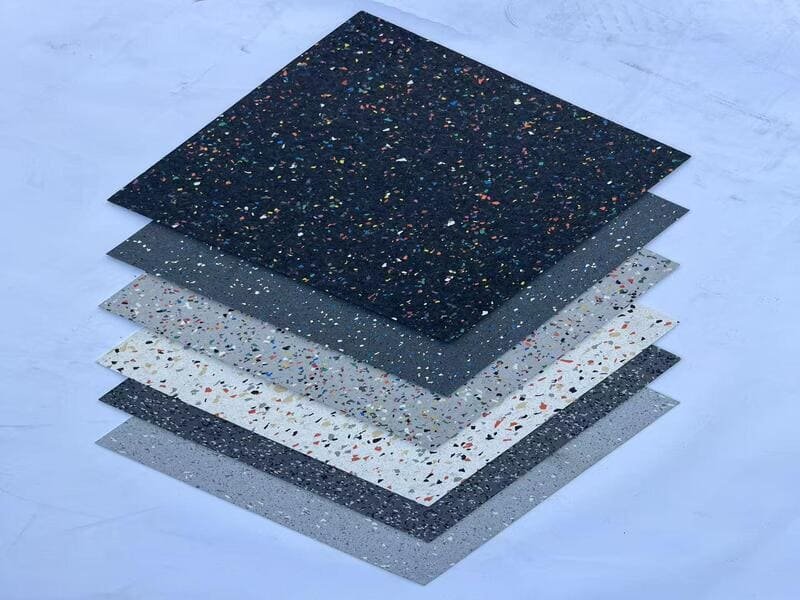
La scelta del materiale giusto è la prima metà del processo; la comprensione del comportamento del calore sotto il pavimento è la successiva.
Come si trasferisce il calore attraverso le pavimentazioni in gomma?
Il calore si muove attraverso la gomma principalmente per conduzione. Poiché la gomma ha una resistenza termica (valore R) superiore a quella delle piastrelle o della pietra, impiega più tempo a riscaldarsi ma trattiene più a lungo il calore. Per garantire l'efficienza, il valore R totale della pavimentazione e del sottofondo dovrebbe idealmente rimanere inferiore a 1,5.
Nei rotoli vulcanizzati ad alta densità, c'è pochissima aria tra i polimeri. Questo crea un ponte termico che consente all'energia dei tubi radianti di spostarsi costantemente verso la superficie. Tuttavia, gli utenti devono tenere conto del ritardo termico, ossia del tempo necessario al pavimento per raggiungere la temperatura desiderata rispetto alle superfici in pietra o ceramica.
Fattori chiave della prestazione termica
La densità del materiale influisce direttamente sulla quantità di energia necessaria per riscaldare lo spazio. Un materassino denso di 8 mm ha in genere un valore R di circa 0,7, che rientra nella zona di sicurezza per la maggior parte dei sistemi radianti residenziali e commerciali.
- Bilanciamento del valore R: Mantenere la gomma abbastanza sottile da far passare il calore, ma abbastanza spessa da proteggere il sottofondo.
- Espansione e contrazione: Tutti i polimeri si espandono quando vengono riscaldati. Lasciare una piccola fessura di espansione (circa 1/4 di pollice) lungo il perimetro, per evitare che si formino delle pieghe o dei picchi.
- Distribuzione del calore: I sistemi radianti installati correttamente forniscono un calore uniforme. Evitare di posizionare attrezzature pesanti e a base solida direttamente sulla gomma riscaldata per evitare trappole di calore che potrebbero danneggiare il sistema.
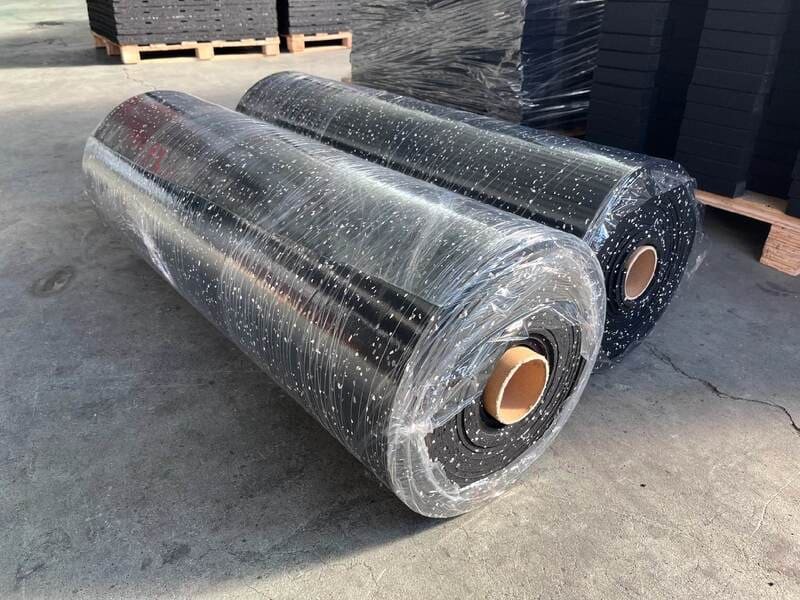
Anche con i materiali corretti, è necessario gestire i rischi specifici associati al riscaldamento dei materiali sintetici.
Quali sono i rischi reali: Odore, sicurezza e danni?
I rischi più significativi sono l'off-gassing (odori) e il cedimento dell'adesivo. Se la superficie del pavimento supera i limiti imposti dal produttore (di solito 82°F-85°F), la gomma riciclata di bassa qualità può rilasciare un forte odore. Inoltre, gli adesivi standard possono ammorbidirsi con il calore costante, causando lo spostamento del pavimento.
L'off-gassing spesso deriva dai leganti a base di zolfo utilizzati nei tappeti riciclati di bassa qualità. La verifica della presenza di certificazioni FloorScore® o simili a basso contenuto di COV garantisce che i prodotti rimangano chimicamente stabili se esposti a un calore costante.
Punti critici di sicurezza e manutenzione
| Problema potenziale | Causa principale | Strategia di prevenzione |
|---|---|---|
| Fuoriuscita di gas | Alto calore + leganti di bassa qualità | Utilizzare EPDM vergine o rotoli premium a basso VOC. |
| Bolle di adesivo | Ammorbidimento della colla standard | Utilizzare un adesivo uretanico ad alta temperatura e a polimerizzazione umida. |
| Arricciatura della superficie | Rapidi picchi di temperatura | Utilizzate un termostato a bassa velocità e un'adeguata acclimatazione. |
| Perdita di calore | Materiale troppo spesso (>12 mm) | Mantenere uno spessore compreso tra 6 e 9 mm. |
La maggior parte dei guasti segnalati deriva da una gomma troppo spessa, che costringe il sistema a surriscaldarsi per compensare. Mantenere il materiale sottile elimina la maggior parte di questi rischi.
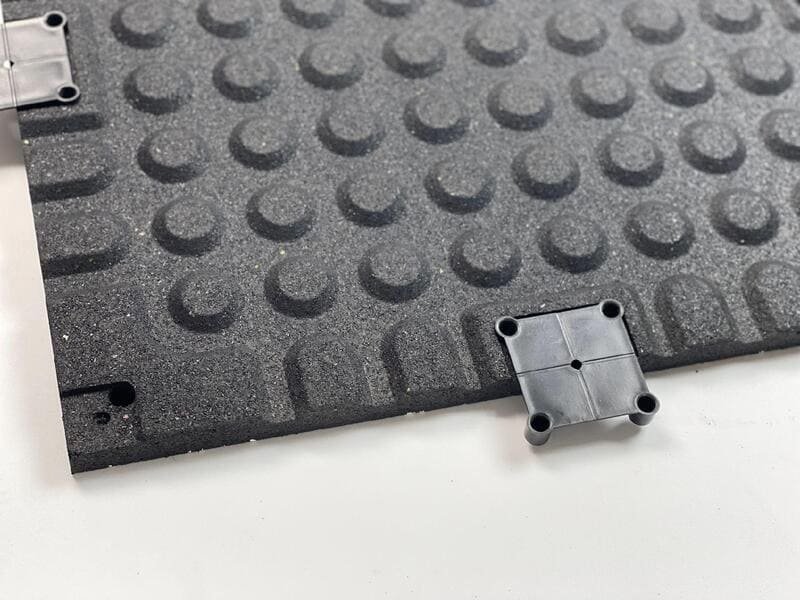
Il successo è garantito se si segue un flusso di lavoro di installazione professionale piuttosto che trattare il progetto come un semplice fai-da-te.
Migliori pratiche di installazione per i pavimenti in gomma riscaldati
Per i sottofondi riscaldati si consiglia un'installazione professionale. I passaggi chiave includono un periodo di acclimatazione del materiale di 48 ore, l'uso di una spatola dentata per la copertura dell'adesivo 100% e l'aumento lento della temperatura del pavimento di soli 2-3 gradi al giorno dopo l'indurimento della colla.
Se il pavimento viene incollato quando l'ambiente è freddo e poi riscaldato immediatamente al massimo, la gomma si espande rapidamente, mettendo sotto stress il legame adesivo. Ecco perché l'acclimatazione è la fase più critica.
Protocollo di installazione professionale
- Acclimatazione: Stendere i rotoli di gomma nella stanza per almeno 48 ore a una temperatura stabile (circa 68°F/20°C).
- Scelta dell'adesivo: Utilizzare un adesivo poliuretanico per alte temperature piuttosto che un adesivo a base d'acqua.
- Controllo del sottofondo: Se si installa su un sistema idronico in calcestruzzo, assicurarsi che la soletta sia completamente stagionata. Il riscaldamento di una soletta umida sotto la gomma trattiene l'umidità e provoca la formazione di bolle.
- Rampa di temperatura: Una volta che l'adesivo è indurito (di solito 72 ore), aumentare gradualmente la temperatura nel corso di una settimana.
Domande frequenti (FAQ)
Posso utilizzare le piastrelle ad incastro sopra il calore radiante?
Sì, purché siano ad alta densità. Tenere presente che le giunture delle piastrelle possono espandersi e contrarsi in modo più evidente rispetto ai rotoli senza giunture durante la fase iniziale di riscaldamento.
I pavimenti in gomma riscaldati puzzano?
Se si utilizza una gomma vulcanizzata di alta qualità e a basso contenuto di COV e si mantiene una temperatura inferiore a 82°, l'odore è minimo e in genere si dissipa rapidamente. Evitate i tappeti riciclati senza marchio.
La gomma da 1/2 pollice (12 mm) blocca il calore?
Non lo blocca completamente, ma ne riduce significativamente l'efficienza. Ciò comporta tempi di riscaldamento più lunghi e costi energetici più elevati rispetto a un pavimento di 8 mm.
Il calore elettrico è sicuro sotto la gomma?
Sì, a condizione che il sistema sia immerso in un composto livellante o in un intonaco. Evitare di posizionare la gomma direttamente sopra i cavi di riscaldamento allentati.
Conclusione
I pavimenti in gomma sono un valido partner per il calore radiante se si privilegiano materiali ad alta densità, si limitano le temperature a 82°F e si mantiene lo spessore sotto i 3/8".
Inviatemi un messaggio per ricevere le specifiche tecniche o i campioni consigliati per i pavimenti in gomma ad alta densità.